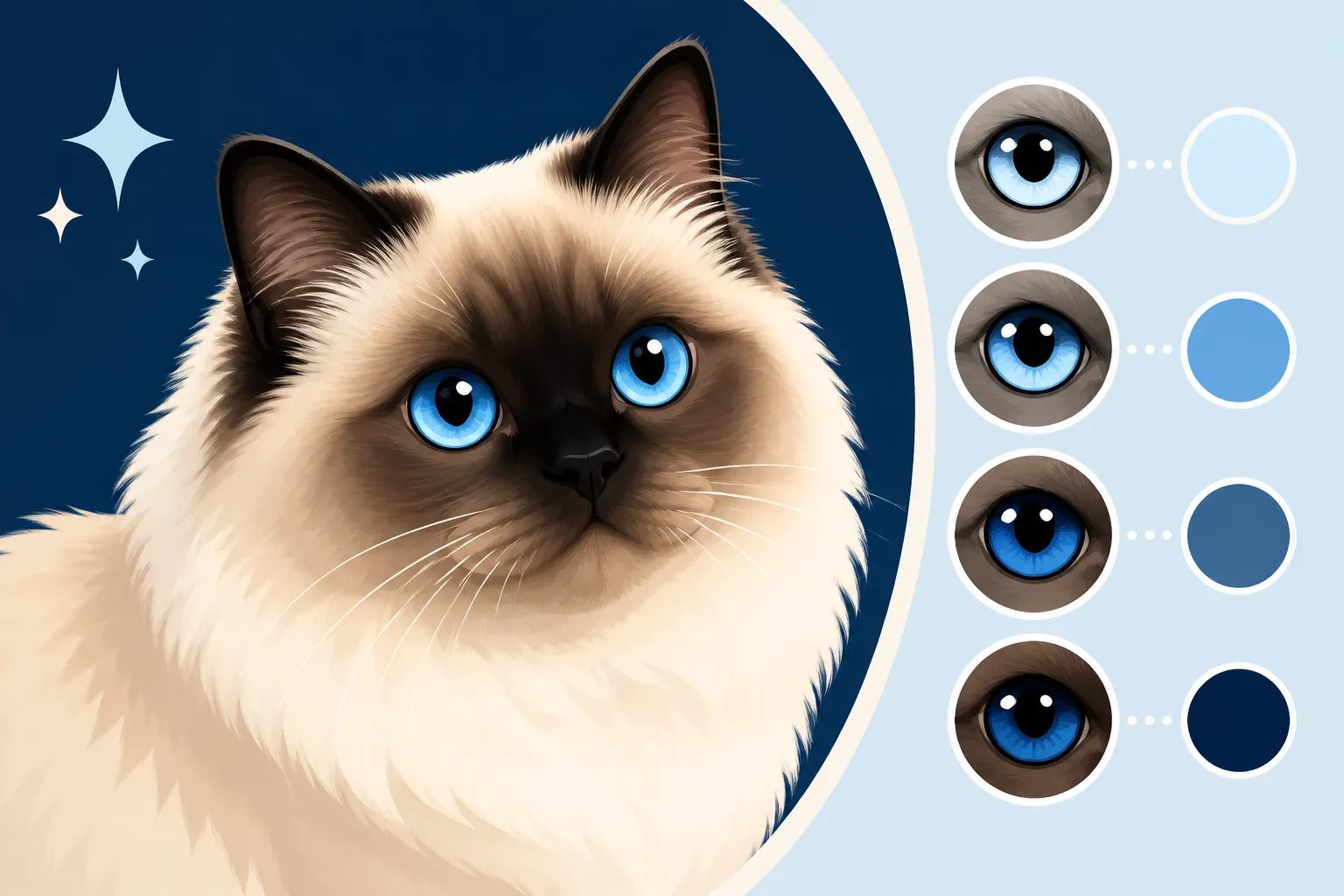
How Deep a Himalayan’s Blue Should Be
One of the most captivating features of a Himalayan cat is undoubtedly their piercing blue eyes, but if you're a new owner or even a seasoned enthusiast, you might find yourself wondering just how deep or vibrant that blue should truly be. It's a common concern, especially when you see a range of shades in photos or at shows, leading to questions about what's considered ideal, what's normal, and if a lighter shade means anything is amiss. This guide will dive deep into the fascinating world of Himalayan eye color, explaining the genetics behind it, what the breed standard looks for, and what factors can influence the magnificent blue that makes these cats so unique.
The Genetic Reason Behind Those Striking Blue Eyes
It’s easy to look at a Himalayan and just appreciate their beauty, but there’s a whole lot of science behind those mesmerizing blue eyes. Unlike many other cat breeds that can sport green, gold, or even copper eyes, Himalayans are genetically programmed to have blue eyes, and it all comes down to a very specific set of genes they inherited from their Siamese ancestors.
The Point Gene and Its Influence
The defining characteristic of a Himalayan cat, beyond their luxurious Persian coat, is their "pointed" coloration. This means they have darker fur on their extremities – their face mask, ears, paws, and tail – and a lighter body. This unique pattern is caused by a temperature-sensitive albinism gene, often referred to as the "Himalayan gene" or "point gene." This gene affects the production of melanin, the pigment responsible for color in both fur and eyes.
Essentially, the point gene produces an enzyme that is only active at cooler body temperatures. In the warmer core parts of the cat's body, this enzyme is inactive, leading to little to no melanin production, which results in the pale body coat. However, at the cooler extremities, the enzyme becomes active, producing melanin and thus the darker "points." What does this have to do with eye color? Well, the same gene also impacts the iris. The structure of the Himalayan's eye prevents melanin from developing in the iris, scattering light in a way that always presents as blue. It's a fascinating genetic trick, ensuring that every true Himalayan will have blue eyes. This is why you'll never see a Himalayan with green or yellow eyes; if you do, it's not a purebred Himalayan. Why the Point Gene Makes Every Himalayan Blue Eyed delves deeper into this genetic marvel.
How Melanin Plays a Role
So, if melanin is the pigment for color, and the point gene restricts it, how do we get blue eyes? It's less about having blue pigment and more about the absence of other pigments and how light interacts with the eye. In cats, as in humans, the perceived color of the eyes depends on the amount and type of melanin in the iris, as well as how light scatters when it hits the iris.
For Himalayans, the point gene dictates that very little to no melanin is deposited in the iris. Instead, the blue color is a structural color, much like the blueness of the sky or certain bird feathers. When light enters an iris with very little pigment, the shorter, blue wavelengths of light are scattered and reflected back to our eyes, while the longer wavelengths are absorbed. The result? Those stunning blue eyes we all adore. The intensity of this blue can vary slightly based on the exact amount of residual pigment and the specific structure of the iris, but the underlying mechanism is always the same: a lack of significant melanin in the iris, leading to blue light scattering.
The Ideal Blue: What the Standard Looks For
When it comes to showing Himalayan cats, judges scrutinize every detail, and eye color is no exception. While all Himalayans must have blue eyes, there's a certain ideal shade and depth that is highly prized in the show ring. For pet owners, understanding this can offer insight, but remember that a cat's show potential doesn't define their worth as a loving companion.
Judging Depth and Vibrancy
The breed standard for Himalayans, often aligned with the Persian standard in many registries, typically calls for a "deep, vivid blue" eye color. Think of a sapphire or a brilliant sky blue – rich, intense, and captivating. The standard aims for uniformity and strength in color. A paler, watery blue, while still technically blue, might be considered less desirable in a show cat because it lacks that striking intensity.
Judges are looking for eyes that are not only the correct color but also large, round, and full, contributing to the overall sweet and open expression that Himalayans are known for. The depth of color is important because it enhances the contrast with the surrounding face mask and the pale body. It creates a harmonious and dramatic look that truly sets the Himalayan apart. It's about that "wow" factor, the kind of blue that seems to draw you in and hold your gaze. A truly deep blue often appears almost jewel-like. You can learn more about the overall eye structure in How Large and Round a Himalayan's Blue Eyes Should Be.
Common Variations and Acceptable Shades
While "deep, vivid blue" is the ideal, it's important to understand that not every Himalayan will perfectly match this description, and many beautiful cats have slightly different shades of blue that are still perfectly acceptable. You might see Himalayans with eyes that range from a lighter sky blue to a medium blue, or even a grayish-blue tint. These variations are normal and don't indicate any health issues.
For a pet Himalayan, the exact shade of blue is purely a matter of preference. Whether their eyes are light cerulean or deep indigo, they are still gorgeous and healthy. In the context of the show ring, minor variations might simply mean fewer points awarded for eye color, but they won't disqualify the cat unless the color is something other than blue (which, as we discussed, would indicate it's not a purebred Himalayan anyway). Breeders strive for the ideal, but nature often has its own plans, and the genetic lottery can produce a spectrum of beautiful blues.
Factors That Influence Eye Color Beyond Genetics
While genetics are the primary driver behind a Himalayan's blue eyes, there are a couple of other factors that can subtly influence how we perceive that color throughout their life. It's not about the fundamental genetic blueprint changing, but rather how external and internal elements interact with the eye's appearance.
Age-Related Changes
Just like their point coloration, which develops over the first few weeks and months of life, a Himalayan kitten's eye color isn't always at its final intensity right from birth. Most kittens, regardless of breed, are born with blue eyes (often referred to as "kitten blue") because their melanin production hasn't fully kicked in yet. For Himalayans, this "kitten blue" will persist and deepen, but it might take a few weeks or even months for the true, permanent shade to settle in.
As they mature, the blue might deepen slightly, becoming richer and more defined. However, as Himalayans age into their senior years, some owners report a slight clouding or dulling of the eye color, which can be part of the natural aging process, much like a slight dulling of their coat or the overall slowing down of their metabolism. This doesn't mean their genetic eye color has changed, but rather the clarity and vibrancy might be subtly affected by age-related cellular changes in the eye. What Goes First in a Himalayan Past Twelve often touches on these subtle shifts in appearance as our beloved companions grow older.
Lighting and Perception
This might seem obvious, but the lighting conditions under which you view your Himalayan's eyes can drastically alter how deep or vibrant their blue appears. A cat's eyes will look different under bright natural sunlight compared to soft indoor lamplight, or even fluorescent lights.
- Bright Sunlight: In direct sunlight, the blue often appears more intense and almost sparkling, as the light has ample opportunity to scatter and reflect off the iris.
- Overcast Days/Indirect Light: On a cloudy day or in indirect light, the blue might seem softer, perhaps a touch lighter, as there's less intense light to scatter.
- Indoor Lighting: The color temperature of your indoor lights (warm yellow vs. cool white) can also subtly shift the perceived hue. Warm lights might make the blue appear a bit deeper or even slightly greenish-blue, while cool lights could emphasize a brighter, almost icy blue.
It's also worth noting that the surrounding colors – the color of their fur, the walls in the room, or even the clothes you're wearing – can create optical illusions that make the eye color seem different. If you're ever questioning the depth of your Himalayan's blue eyes, try observing them in various lighting conditions throughout the day. You might be surprised at the subtle shifts you notice!
Why Eye Color Matters And When It Doesn't
It's natural to be curious about your cat's features, and eye color is certainly a striking one. But it's crucial to distinguish between what matters in the context of a show standard and what genuinely matters for your pet's health and happiness.
Show Ring Standards Versus Pet Ownership
For those involved in showing Himalayans, eye color is a significant component of the breed standard. A cat with eyes that are a deep, vivid blue, large, and perfectly round will score higher points than one with paler eyes or less ideal shape. This pursuit of perfection drives breeders to carefully select pairings that are likely to produce kittens conforming closely to the standard. It's a competitive world, and every detail counts. The goal is to produce the most exemplary representation of the breed.
However, for the vast majority of Himalayan owners, whose cats are cherished family members and not show competitors, the precise shade of blue holds little practical importance. A Himalayan with lighter blue eyes is just as loving, playful, and deserving of affection as one with the deepest sapphire gaze. Their eyes function identically, and their personality remains unchanged. Focusing solely on the ideal show standard can sometimes overshadow the individual beauty and unique charm of a pet cat. The reality is that the vast majority of Himalayans, regardless of their specific eye hue, are stunning companions.
Health Implications or Lack Thereof
Here's an important reassurance: the depth of your Himalayan's blue eye color has virtually no correlation with their overall eye health or general well-being. Whether their eyes are a light baby blue or a rich sapphire, it doesn't make them more or less prone to specific eye conditions. The genetic mechanism that causes the blue color is distinct from the genes that might predispose them to health issues.
What does matter for eye health is regular veterinary check-ups and being vigilant for any changes in the eyes themselves. Himalayans, due to their brachycephalic (flat-faced) structure, can be prone to certain eye issues regardless of their blue intensity. These can include:
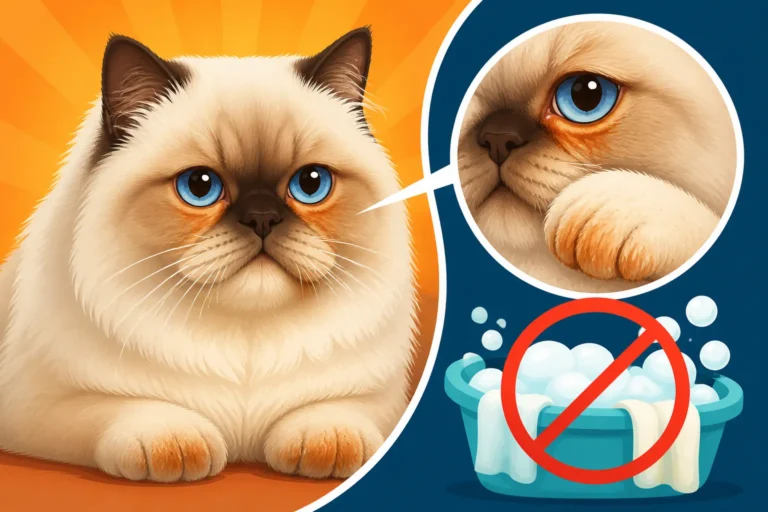
- Epiphora (Tear Staining): Excessive tearing that stains the fur around the eyes.
- Entropion: Eyelids that roll inward, causing lashes to rub against the cornea.
- Corneal Ulcers: Open sores on the cornea, which can result from constant irritation.
- Retinal Atrophy: A degenerative eye disease that can lead to blindness, which Himalayans can inherit from their Persian side. What Retinal Atrophy Does Behind a Himalayan's Blue Eyes is a critical read on this topic.
If you ever notice redness, discharge, squinting, cloudiness, or any signs of discomfort in your Himalayan's eyes, that’s when you should be concerned and contact your veterinarian immediately. These are actual health indicators, unlike the specific shade of blue. Maintaining good hygiene around their eyes, with gentle daily wiping using pet-safe wipes, can also help prevent irritation and staining. Many owners find effective wipes and solutions on platforms like Chewy or Amazon, helping to keep those beautiful blues clear and comfortable. Regular eye exams are crucial, so make sure to ask your vet about How Often a Himalayan's Eyes Should Be Examined.
Ultimately, while the depth of your Himalayan's blue eyes is a lovely characteristic to admire and a key part of their breed identity, its specific shade is far less important than ensuring their eyes are healthy and well-cared for. Embrace the unique beauty of your feline friend, no matter the exact hue of their captivating gaze!
Understanding the Point Color Contrast and Blue Eyes
The discussion of blue eyes in Himalayans often goes hand-in-hand with their point coloration. The same gene responsible for their blue eyes also dictates the darker points on their body. A well-contrasted Himalayan is one where the body color is very pale, providing a striking backdrop for the darker points and making those blue eyes truly pop.
The Role of Temperature
The pigment in a Himalayan's fur, and indirectly linked to the blue in their eyes, is affected by temperature. This means that a Himalayan kept in a cooler environment might develop darker points and a richer blue in their eyes, while one in a very warm climate might have slightly lighter points and perhaps a less intense blue. This isn't a hard and fast rule, as genetics are still the primary factor, but temperature can play a subtle role in expression.
For instance, a cat that spends more time lounging in cool spots might show a deeper contrast than one that constantly seeks out sunny windowsills. This unique interaction between genetics and environment is part of what makes the Himalayan such a fascinating breed. Caring for a Himalayan Whose Points Have Gone Dark offers more insights into this phenomenon.
Grooming and Eye Appearance
While grooming doesn't change eye color, it certainly affects the overall appearance of your Himalayan's face, which in turn highlights or diminishes the beauty of their eyes. Daily face wiping is absolutely essential for Himalayans, especially those with more extreme flat faces. Their tear ducts can overflow, leading to tear stains that run down the side of their nose, often turning a rust color due to porphyrins in the tears and bacterial growth.
If not cleaned regularly, these tear stains can become quite prominent, detracting from the pristine look of their pale fur and making their blue eyes appear less vibrant. Keeping the fur around the eyes clean and dry, perhaps with gentle eye wipes from trusted brands available on Amazon, ensures that their beautiful blue eyes remain the focal point of their sweet expression. Some owners even trim the fine hair around the eyes to prevent irritation and minimize tear absorption. Why Tear Stains Are Worse on a Cream Bodied Himalayan explains why this grooming routine is so crucial.
| Aspect of Eye | Ideal for Show Cat | Normal for Pet Cat | Health Implication |
|---|---|---|---|
| Color Depth | Deep, vivid sapphire blue | Any shade of blue (light, medium, grey-blue) | None (color depth itself) |
| Eye Shape | Large, round, full | Large, round, full (variations still common) | Affects aesthetics, not health |
| Clarity | Clear, bright | Clear, bright | Crucial for health; cloudiness, discharge are concerns |
| Tear Stains | Minimal to none | Can be present, requiring daily cleaning | Can lead to skin irritation/infection if not managed |
| Overall Expression | Sweet, open, gentle | Sweet, open, gentle | Affects quality of life if pain/discomfort present |
Choosing the Right Himalayan for You
When you're ready to bring a Himalayan into your life, whether you're looking for a future show champion or a beloved family pet, understanding the nuances of their appearance, including their eye color, is part of the journey. However, focusing solely on one physical trait can lead to missing out on the bigger picture.
Prioritizing Health and Temperament
First and foremost, always prioritize health and temperament over specific aesthetic details like the exact shade of blue in their eyes. A reputable breeder will emphasize health testing for common breed-specific conditions such as Polycystic Kidney Disease (PKD) and Progressive Retinal Atrophy (PRA). These genetic tests are far more important than the precise depth of eye color. Which Two Certificates a Himalayan Breeder Owes You is a vital resource for understanding necessary health clearances.
A healthy cat with a good temperament will bring you years of joy, regardless of whether their eyes are sky blue or indigo. Look for a kitten that is active, alert, and friendly. Ask the breeder about the parents' health history and observe the living conditions. A healthy kitten from tested lines is the best foundation for a long and happy life together. How Many Years a Himalayan From Tested Lines Lives reinforces the importance of this.
Appreciating Individual Beauty
Every Himalayan is unique, and just like humans, they come with a range of beautiful variations. Some will have incredibly deep blue eyes, while others will have a softer shade. Some will have a perfectly symmetrical mask, while others might have a charming quirk. Learning to appreciate the individual beauty of your cat, beyond strict show standards, is part of the joy of pet ownership.
Instead of fixating on whether their blue eyes are “deep enough,” marvel at their gentle purr, their soft coat, their charming conversational chirps, and their constant desire to be near you. These are the qualities that truly define a Himalayan as a companion. After all, your cat isn't judging the exact shade of blue in your eyes! When considering a kitten, ensure the breeder is transparent about all aspects of the cat's lineage and potential needs. Online pet supply stores often carry specialized food and grooming tools tailored for brachycephalic breeds, which can be invaluable for the specific care a Himalayan needs regardless of eye color.
Disclaimer
This article is for general informational purposes only and does not constitute professional advice. Laws, prices and regulations vary by location and change over time. Consult a qualified professional for guidance on your specific situation.