Why a Himalayan Mats Faster Than a Ragdoll
Oh, the never-ending battle against mats! If you're a Himalayan parent, you've probably spent countless hours meticulously combing, only to find a new tangle seemingly sprout out of nowhere. It's truly frustrating when you hear about other long-haired breeds, like Ragdolls, often described as having "easy-care" coats, while your beautiful Himmy seems determined to become a walking felt blanket. You're not imagining things, and it's certainly not your fault; there are very real, physical reasons why a Himalayan's luxurious coat is far more prone to matting than a Ragdoll's. This guide will dive deep into those differences and equip you with the knowledge and strategies to keep your Himalayan's magnificent fur in tip-top condition.
The Anatomy of a Mat-Prone Coat: Himalayan vs. Ragdoll
It all comes down to genetics, really. Himalayans are essentially long-haired Persians with color points, meaning they inherited that iconic, dense Persian coat. Ragdolls, while also long-haired, come from a different genetic lineage that gave them a distinctly different fur texture and structure. Understanding these fundamental differences is the first step to truly appreciating the unique grooming needs of your Himalayan.
The Himalayan's Double-Layered Persian Heritage
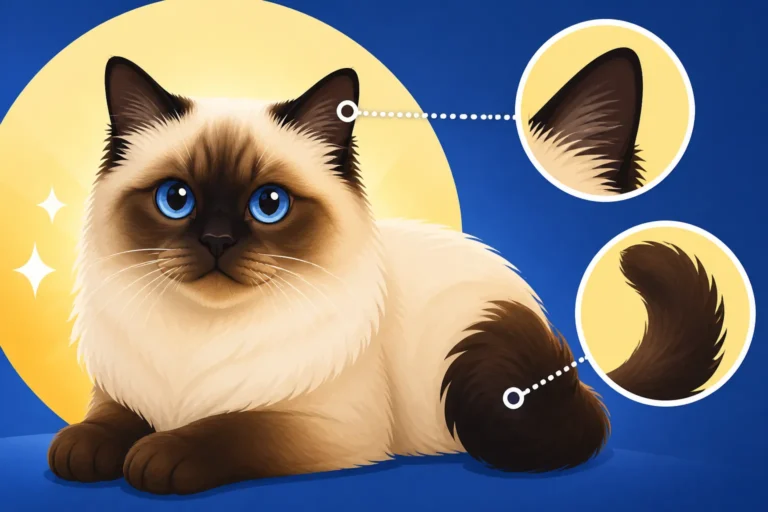
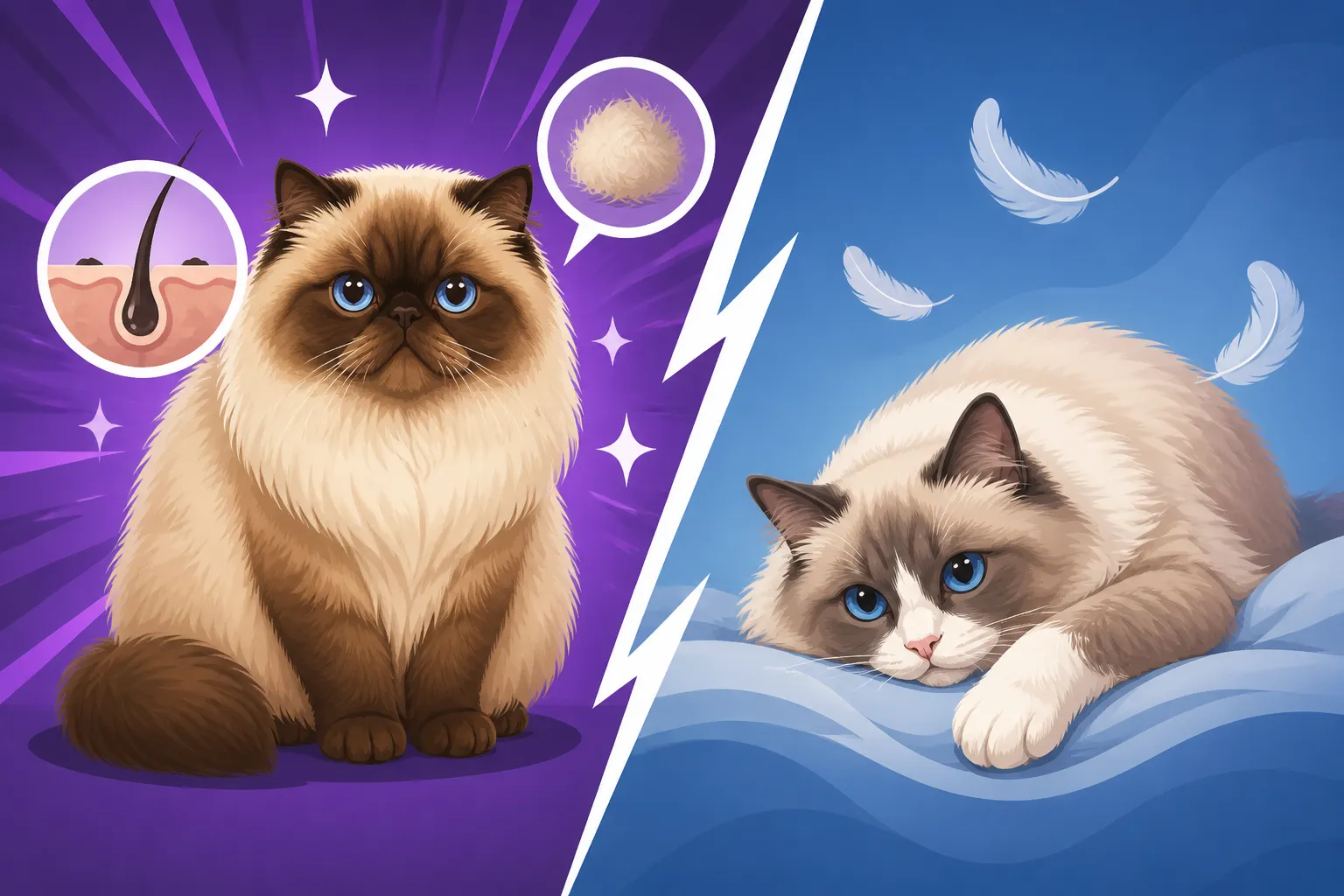
Think of a Himalayan's coat like a luxurious, multi-layered blanket designed for colder climes. They possess a dense double coat consisting of two distinct types of fur. First, you have the longer, coarser guard hairs that form the beautiful outer layer, giving the coat its length and flowing appearance. Underneath these guard hairs lies the real culprit for matting: an incredibly thick, soft, and woolly undercoat. This undercoat is designed to provide insulation, but its fine, downy texture loves to trap loose hairs, shed fur, and anything else that might get caught.
This combination is a mat magnet. When the shed undercoat gets intertwined with the longer guard hairs, it quickly forms tight knots and tangles. The very structure that makes the Himalayan's coat so opulent and full is also what makes it so high-maintenance. It's a gorgeous paradox, really. The texture is often described as feeling like cotton or wool, which, while soft to the touch, is inherently prone to felting if not meticulously maintained. This is precisely How Much Undercoat a Himalayan Carries Under Its Points, and it's a significant amount!
The Ragdoll's Silky, Single-Layered Ease
Now, let's look at the Ragdoll. While they are also a semi-longhaired breed, their coat structure is quite different. Many Ragdolls possess what's often referred to as a "single coat" or a coat with a very minimal, fine undercoat. Even those with a bit more undercoat tend to have a silkier, less dense texture overall. The guard hairs are long, soft, and usually lie smoothly against the body, with less of that woolly "stand-up" quality you see in a Persian or Himalayan.
This silkier texture is key. It means that shed hairs are less likely to get caught and woven into the remaining fur. Instead, they tend to slide out more easily, either falling off the cat naturally or being removed with a lighter brushing. While no long-haired cat is truly "no-mat," Ragdolls certainly have a significant advantage in this department due to their less dense, less woolly coat. It's not about them being inherently cleaner or better groomed; it's about the fundamental difference in their fur's physical properties.
| Feature | Himalayan Coat | Ragdoll Coat |
|---|---|---|
| Structure | Dense double coat (long guard hairs + woolly undercoat) | Semi-long, often single coat or very fine undercoat |
| Texture | Fine, dense, cottony/woolly, prone to felting | Silky, soft, less dense, often lies flat |
| Matting Risk | High – shed undercoat readily tangles | Moderate to Low – shed hairs slide out more easily |
| Grooming Need | Daily, thorough combing to the skin | Regular, but often less intensive, brushing |
Everyday Challenges That Accelerate Matting in Himalayans
Beyond the inherent coat structure, there are several daily factors that play a huge role in how quickly a Himalayan's fur can turn into a tangled mess. It’s not just about what you don't do; sometimes it's about circumstances that are hard to avoid entirely. Recognizing these environmental and behavioral triggers can help you be more vigilant and proactive.
Environmental Factors: Dampness, Dust, and Debris
Himalayans are indoor cats, by and large, but that doesn't mean their environment is sterile. Everyday elements can contribute to matting. Think about dampness, for instance. If your Himmy gets wet – maybe from splashing in their water bowl, or having a wet nose from eating, or simply from high humidity in your home – that moisture can cause the fine undercoat hairs to clump together. Once these damp clumps dry, they often set into tight, difficult-to-remove mats. It's similar to how human hair can tangle more easily when wet and then left to dry without brushing.
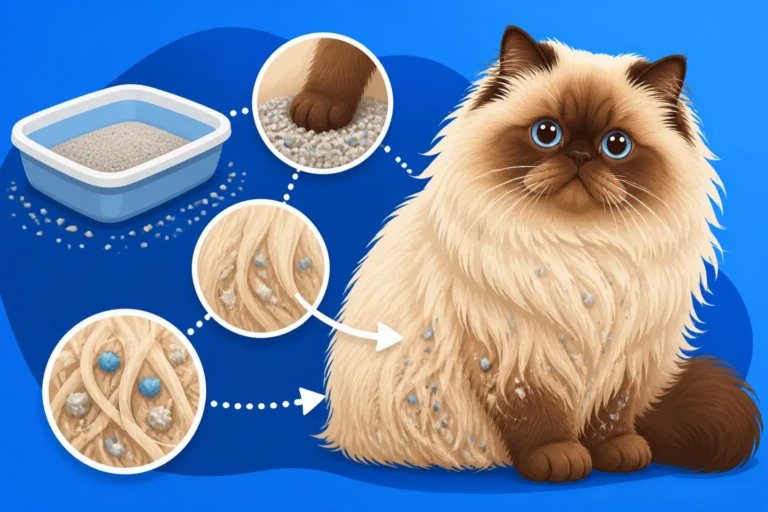
Then there's the unseen enemy: dust and debris. Even in the cleanest homes, dust accumulates. This fine particulate matter can settle into a Himalayan's dense coat and act like a binder, helping shed hairs stick together. Outdoor adventures are, of course, a huge no-no for a Himalayan, precisely because their coat would pick up every twig, leaf, and burr imaginable, leading to instant, severe matting. But even indoors, lint from blankets, loose threads from carpets, or crumbs from food can get embedded, forming the nucleus of a new mat. You might be surprised to learn that even fine litter dust can settle into their britches and tail fur, creating mats there. This is Why a Himalayan's Coat Hides a Wound for Days – its density can obscure many problems.
Behavioral Tendencies: Less Efficient Grooming and Play
Let's be honest, Himalayans are generally a pretty laid-back, sedentary breed. They love their naps, their comfy spots, and a good snuggle. While this makes them wonderful companions, it also means they don't always engage in the vigorous self-grooming that a more active, less heavily coated cat might. Their cobby build and shortened face can also physically hinder their ability to reach certain areas, particularly their hindquarters, tummy, and behind their ears. Imagine trying to groom your own lower back with a very short tongue and a very dense coat – it's a challenge!
Furthermore, even during play, a Himalayan's coat can tangle. Rolling around on the carpet, wrestling with a toy mouse, or rubbing against furniture can all cause friction that encourages mat formation. A quick burst of playful activity might bring immense joy, but it can also be the start of a knot that sets in if not promptly combed out. This means that Why a Himalayan Stops Grooming When It Is Unhappy is a real red flag, as neglected grooming quickly leads to mats becoming severe.
Your Best Defense: A Proactive Grooming Regimen for Himalayans
Given the Himalayan's unique coat challenges, a reactive approach to grooming ("Oh no, a mat!") simply won't cut it. You need a proactive, consistent daily routine to stay ahead of the game. This isn't just about aesthetics; it's about your cat's comfort, skin health, and overall well-being.
The Daily Comb: Non-Negotiable for Himalayan Health
This is the cornerstone of Himalayan coat care. The simple truth is, if you own a Himalayan, you must commit to daily combing. There's no way around it. Even one missed day can mean the difference between a quick brush-through and a stubborn mat that takes significant time and effort to remove. This isn't an exaggeration; Why a Missed Day Costs a Himalayan a Mat is a lesson many Himmy owners learn the hard way.
You'll need the right tools, too. A good quality, long-toothed metal comb is essential. Look for one with both wide and fine teeth. The wide-toothed side helps to get through the initial layers and remove loose fur, while the finer side can tackle smaller tangles and ensure you're getting down to the skin. Many Himalayan parents also find a slicker brush useful for fluffing the topcoat, but it's the metal comb that truly gets to the undercoat where mats begin. You can find excellent grooming tools on sites like Amazon or Chewy, ensuring you have everything you need. Focus on combing in small sections, always working from the ends of the fur towards the skin, and holding the fur at the base to prevent pulling. Don't forget those often-neglected areas: armpits, behind the ears, the 'britches' on the hind legs, and the tail. These are prime matting zones. It's often said that How Many Minutes a Day a Persian Coat Takes on a Himalayan is less than you think, perhaps 10-15 minutes, but consistency is key.
Strategic Trimming and Hygiene Maintenance
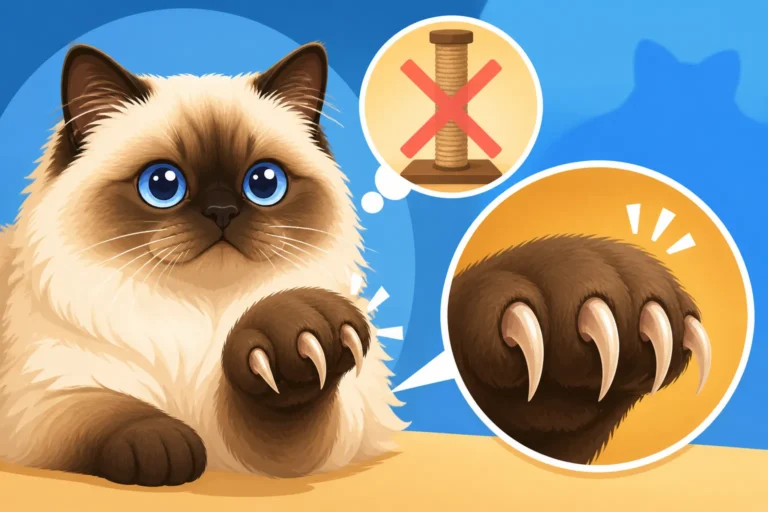
Beyond daily combing, there are a few strategic trims and hygiene practices that can significantly reduce matting. For instance, the fur around your Himalayan's sanitary areas and on their 'britches' can become a magnet for litter and fecal matter. A regular, careful trim with blunt-nosed scissors in these areas can prevent serious hygiene issues and matting. Similarly, the long fur on their paws can trap debris, so keeping this trimmed can help.
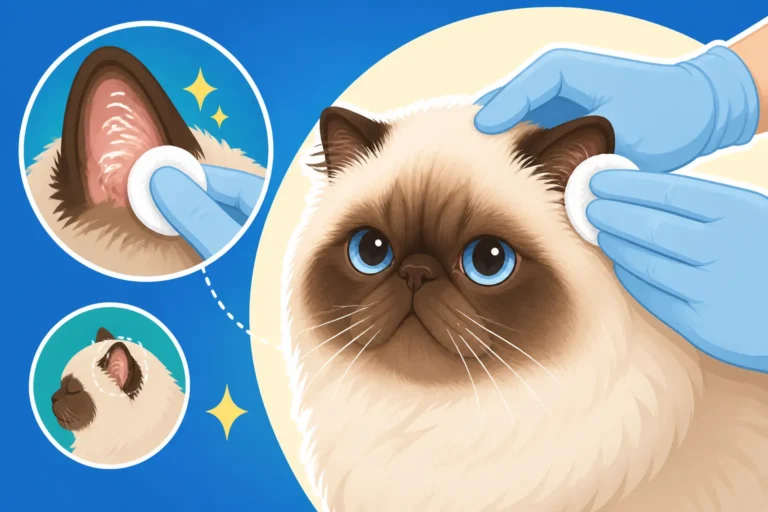
The fur around their face also requires special attention. Himalayans often have pronounced tear staining due to their flat faces, and this damp fur can quickly mat if not cleaned daily. Use a damp cloth or specialized pet wipes (again, easily found on Amazon or Chewy) to gently clean the area around their eyes and nose fold every morning. Drying the area thoroughly is just as important as cleaning it. Damp fur promotes matting and can lead to skin irritation.
Consider also their diet. A healthy coat starts from within. Feeding your Himalayan a high-quality diet rich in omega fatty acids can contribute to healthier skin and a silkier coat that is less prone to matting. Talk to your vet about the best dietary choices for your individual cat's coat health.
When Mats Happen: Gentle Removal and Professional Help
Despite your best efforts, sometimes mats just happen. Maybe you missed a day, or your Himmy had an extra vigorous play session, or perhaps a new mat formed in a hard-to-reach spot. It's crucial to address them promptly and correctly to avoid causing pain or injury to your cat.
Tackling Small Tangles Safely at Home
For small, loose tangles that haven't yet tightened into a full-blown mat, your metal comb is your best friend. The trick is patience and gentleness. Start by gently teasing apart the edges of the tangle with your fingers. Once it's loosened a bit, use the wide-toothed side of your comb, working from the outer edge of the tangle, gently pulling individual strands free. Never just yank the comb through a tangle, as this will hurt your cat and make them fearful of grooming.
You can also use a mat splitter or a dematting tool, which are specifically designed with sharp, curved blades to cut through mats without pulling excessively on the surrounding fur. However, extreme caution is needed with these tools, as it's easy to cut your cat's skin if you're not careful. Always try to get a finger between the mat and the skin before using any cutting tool. If the mat is close to the skin, it's safer to use a comb. For particularly stubborn but small tangles, a tiny sprinkle of cornstarch can sometimes help to dry out the fur and make it less slippery, allowing the comb to grip and work through it more effectively. Remember that Working a Mat Out From Under a Himalayan's Points requires a delicate touch.
When to Call in the Professionals
There are times when a mat is simply too large, too tight, or too close to the skin to be safely removed at home. This is not a failure on your part; it's recognizing when your cat needs professional help. Attempting to cut out a severe mat with scissors can easily result in a trip to the emergency vet, as cat skin is incredibly thin and loose, making it prone to accidental nicks and deep cuts.
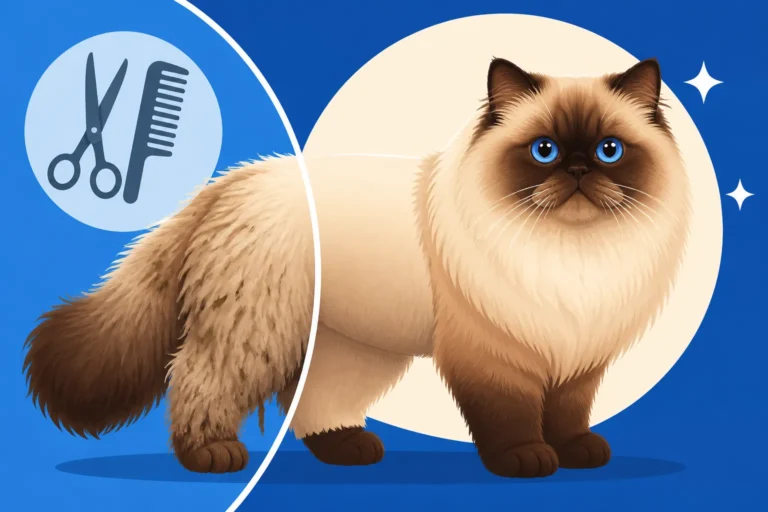
A professional groomer or your veterinarian is equipped with specialized tools and experience to safely remove severe matting, often using clippers under careful supervision. Sometimes, if the matting is extensive and severe, especially around sensitive areas or if it's causing skin irritation or sores, your cat may need to be sedated for a full "lion cut" shave-down. While it might be a temporary shock to see your fluffy Himmy with a short coat, it's often the kindest and safest option to alleviate discomfort and allow the skin underneath to breathe and heal. This is Why a Matted Himalayan Becomes a Medical Case rather than just a cosmetic one. Don't ever hesitate to seek this professional help, as it demonstrates responsible pet ownership and prioritizes your cat's health above all else. What a Groomer Charges for a Himalayan Lion Cut varies, but it's an investment in your cat's comfort.
Disclaimer
This article is for general informational purposes only and does not constitute professional advice. Laws, prices and regulations vary by location and change over time. Consult a qualified professional for guidance on your specific situation.