Why a Flatter Face Shows More on a Pale Himalayan
The distinct, often breathtaking beauty of a Himalayan cat's flat face and lustrous, pale coat is undeniable, but it also brings a unique set of care considerations. Owners often find themselves facing highly visible challenges, from stubborn tear stains to subtle breathing quirks, that might go unnoticed on a cat with a different facial structure or darker fur. This comprehensive guide is here to walk you through exactly why a flatter face, especially when paired with that exquisite pale body coat, makes certain health and grooming needs more apparent, helping you provide the best possible care for your cherished companion.
Understanding the Himalayan's Unique Facial Structure
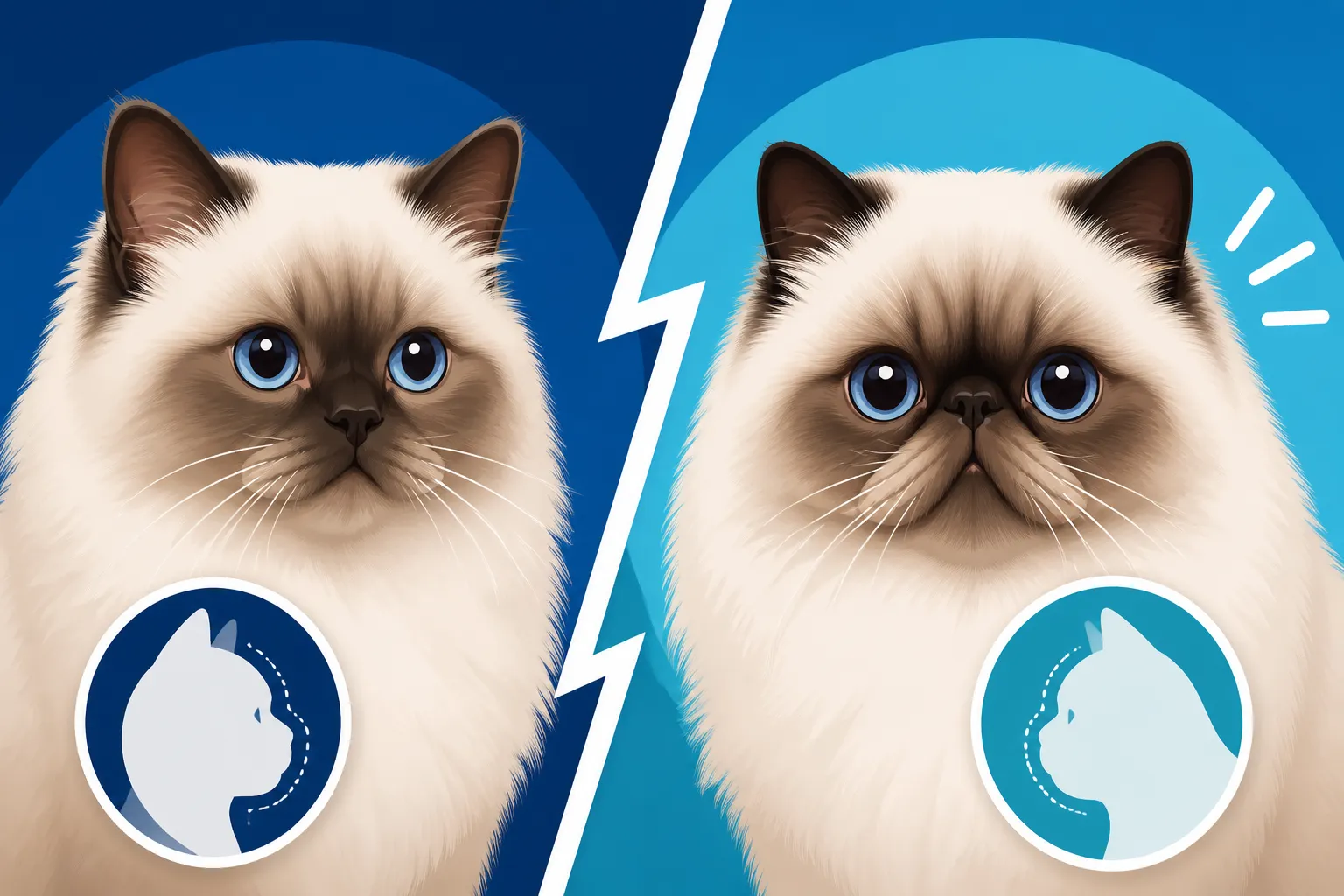
The Himalayan cat, a stunning blend of Persian grace and Siamese point coloring, inherited the distinctive brachycephalic (flat-faced) skull from its Persian lineage. This isn't just a cosmetic trait; it significantly influences their health and daily care. When we talk about a "flatter face," we're referring to a shortened muzzle, often with a recessed nose and large, round eyes that contribute to their sweet, doll-like expression.
The Spectrum of Flatness: Doll Face vs. Peke Face
The degree of facial flatness in Himalayans can vary quite a bit, leading to terms like "Doll Face" and "Peke Face." A Doll Face Himalayan generally has a more traditional, slightly longer nose that still aligns with the Persian standard, offering a bit more breathing room and fewer extreme facial folds. It’s often considered a less exaggerated look, reminiscent of earlier Persian types. On the other hand, a Peke Face Himalayan embodies the extreme end of the brachycephalic spectrum, featuring a much flatter, often indented nose, and sometimes even a slight undershot jaw. This ultra-flat profile is what some breeders strive for in show lines, but it undeniably comes with increased health considerations. The choice between these profiles is often a significant decision for a buyer, as explored in articles like Doll Face or Peke Face Is the Himalayan Buyer's Real Decision.
This distinction isn't just about aesthetics; it has real-world implications for your cat's well-being. A Peke Face, while striking, often means more pronounced skin folds around the nose and eyes, and a more constricted airway. Owners of Peke Face Himalayans will tell you that even basic tasks like eating and breathing require more careful attention and daily maintenance. The flatter the face, the more critical it becomes to understand these nuances.
Anatomical Impact of a Shortened Muzzle
A Himalayan's shortened muzzle directly impacts several key anatomical features. The nasal passages are compressed, the tear ducts can be kinked or blocked, and the teeth are often crowded into a smaller jaw. Imagine trying to breathe through a very narrow straw all day, or having your tear ducts constantly overflowing – that's a glimpse into some of the daily realities for a severely flat-faced Himalayan. These anatomical variations are perfectly normal for the breed but require vigilance from their human caregivers.
The eyes, in particular, tend to be very large and prominent, making them more exposed to irritants and injury. The eyelids might even roll inward, a condition known as entropion, which causes eyelashes to rub against the cornea. This kind of detail is something your vet will be looking at closely, especially during those crucial early check-ups. It’s not about finding fault with the breed, but about being fully aware of the traits that define it and what extra care they demand.
The Pale Canvas: Why Coat Color Matters
Himalayans are famous for their luxurious, long coats and distinct "points" – darker coloration on their ears, face mask, paws, and tail, contrasted with a lighter body. This light body coat, ranging from stark white to creamy beige, acts like a magnifying glass for any signs of trouble, making it a double-edged sword for owners. While beautiful, it means that every little stain, smudge, or discoloration becomes immediately obvious.
Highlighting Imperfections: Tear Stains and Discoloration
One of the most common and frustrating issues for Himalayan owners is tear staining. These reddish-brown streaks under the eyes are caused by porphyrins, iron-containing molecules excreted in tears, which oxidize upon exposure to air. On a pale Himalayan, these stains don't just exist; they shout. What might be a barely noticeable dampness on a darker-furred cat becomes a vivid, rust-colored track down a pale Himalayan’s face, as articles like How Tear Staining Marks a Himalayan's Pale Body Coat elaborate.
The pale body coat acts as an unforgiving canvas, revealing every nuance. Even subtle environmental factors, like dust, pollen, or certain minerals in water, can cause a faint discoloration that would be invisible on a solid black or brown cat. Owners often feel a constant pressure to keep their Himalayan pristine, leading to a diligent daily routine of wiping and cleaning. It’s not just about aesthetics; persistent dampness from tears can lead to skin irritation and infections, which are also much easier to spot against light fur.
Early Detection of Skin and Coat Issues
Beyond tear stains, a pale coat can also reveal other skin and coat issues much earlier than a darker coat might. A slight redness from an allergy, a small rash, or even early signs of parasites like fleas (their droppings, often called "flea dirt," are highly visible against light fur) become undeniable indicators. This can be a blessing in disguise, as early detection often leads to more effective and less invasive treatment.
Imagine a tiny patch of dry, flaky skin developing. On a darker cat, you might not notice it until it becomes itchy or inflamed. On a pale Himalayan, that subtle change in texture and color against the pristine background immediately catches your eye. This increased visibility, while sometimes making owners feel overly meticulous, ultimately supports proactive health management.
Tear Staining: A Common Challenge Exacerbated by Flat Faces
If you own a Himalayan, especially one with a flatter face, you're likely intimately familiar with tear stains. It's one of the most visible and persistent grooming challenges, directly linked to their unique anatomy and highlighted by their pale fur.
Why Flat Faces Lead to More Visible Tear Stains
The root cause of excessive tearing, or epiphora, in flat-faced Himalayans lies in their facial structure. Their large, round eyes are often shallow-set, and the shortened skull can lead to narrowed or kinked tear ducts. Instead of draining properly into the nasal cavity, tears overflow onto the fur. The combination of this anatomical predisposition and the pale fur is a perfect storm for prominent tear staining. It's a frustration many owners share; you wipe and clean, only for the stains to reappear, sometimes seemingly minutes later. This constant dampness isn't just unsightly; it creates a breeding ground for yeast and bacteria, which can worsen the discoloration and lead to skin irritation.
Veterinarians often describe this as a functional issue rather than a defect. The plumbing system, so to speak, just isn't designed for optimal drainage in such a compacted facial structure. This is why you might notice your Himalayan's eyes watering all day, sometimes with no obvious irritant present. It's simply the way their unique anatomy works. Regular wiping with a soft, damp cloth or specialized wipes is essential to manage this, as detailed in our guide on Why a Himalayan's Eyes Water All Day.
The Role of Porphyrins and Yeast in Stain Color
The actual reddish-brown color of tear stains isn't just dirt. As mentioned, porphyrins, naturally occurring iron-containing compounds in tears, are largely responsible. When exposed to light and air, these porphyrins oxidize, resulting in that distinct rust color. Beyond porphyrins, yeast (specifically Malassezia) and bacteria can also colonize the damp fur, contributing to the reddish or brownish hue and sometimes an unpleasant odor.
This is why simply cleaning with water often isn't enough to remove established stains. Specialized tear stain removers or gentle cleansers designed for pet eyes can help break down the porphyrins and reduce yeast/bacterial growth. However, it’s crucial to use products specifically formulated for cats and to avoid anything that could irritate their sensitive eyes. For a cream-bodied Himalayan, these stains are particularly pronounced, making the daily routine even more critical to maintain their pristine appearance, as explained in Why Tear Stains Are Worse on a Cream Bodied Himalayan. If you notice any signs of discomfort, redness, or swelling around the eyes, it's always best to consult your vet to rule out an infection or an underlying issue like entropion, which can be particularly nasty for their blue eyes.
Skin Folds and Irritation: Hidden Issues Brought to Light
The adorable, wrinkled appearance of a Himalayan's flat face often comes with skin folds around the nose and sometimes under the eyes. While they add to their charm, these folds can become troublesome if not managed correctly, and on a pale cat, any resulting irritation or infection is immediately apparent.
The Challenge of Nasal Folds
The deep nasal fold, or "nose rope," is a hallmark of the Peke Face Himalayan. This fold can trap moisture, food particles, and debris, creating a warm, damp environment that is perfect for bacterial and yeast growth. This often leads to a condition called fold dermatitis, which manifests as redness, inflammation, and sometimes a foul odor. Because the surrounding fur is pale, the redness of the irritated skin becomes intensely visible, often looking much worse than it might feel to the cat (though it can certainly be painful if severe).
Owners often describe a constant battle to keep this area clean and dry. A daily routine of gently cleaning the fold with a soft, damp cloth or a pet-safe wipe, followed by thorough drying, is crucial. If left unchecked, the dermatitis can become chronic and require veterinary intervention, including medicated wipes or creams. It’s a classic example of how a distinctive breed feature demands specific, consistent care, and a pale coat makes it impossible to ignore even the earliest signs of trouble. You can learn more about managing this in Cleaning the Fold Beside a Himalayan's Flattened Nose.
Exposing Dermatitis and Allergies
Beyond the nose fold, a Himalayan's pale coat can also make other skin conditions, such as allergies or general dermatitis, much more visible. Red, itchy patches that might be obscured by a denser, darker coat on another cat are painfully obvious on a light-colored Himalayan. This provides an advantage in early detection, allowing owners to address issues before they escalate into more severe infections or widespread discomfort.
For example, if your Himalayan develops a food allergy or an environmental sensitivity, the first signs might be subtle redness or small bumps on their skin. On a pale coat, these changes are immediately noticeable, prompting a quicker visit to the vet. This visibility can be a double-edged sword: it means you'll always see the minor irritations, but it also means you can often intervene early, potentially preventing more serious problems down the line. It's like having an early warning system built right into their beautiful fur.
| Facial Feature/Issue | Visibility on Pale, Flatter Face | Visibility on Darker, Less Flat Face | Potential Health Implication |
|---|---|---|---|
| Tear Stains | Highly visible (rust-colored streaks) | Less visible, may appear as dampness | Skin irritation, yeast/bacterial infection |
| Nasal Fold Dermatitis | Clear redness, inflammation, odor | May be hidden by fur, detected by odor/swelling late | Pain, chronic infection, scarring |
| Panting/Breathing Difficulty | Often accompanied by more obvious facial distress (flared nostrils, open mouth) | Less overtly visible, requires close observation | Heatstroke risk, airway obstruction |
| Food Residue | Easily seen on chin/ruff | Can blend in with darker fur | Skin irritation, bacterial growth |
| Allergic Reactions | Redness, rashes, bumps stand out | Can be masked, detected later by itching | Discomfort, secondary skin infections |
| Hair Mats | Can show up as dark clumps against pale fur | Less visually distinct from surrounding fur | Skin lesions, pain, grooming difficulty |
Breathing Concerns: Visual Cues on a Flat, Pale Face
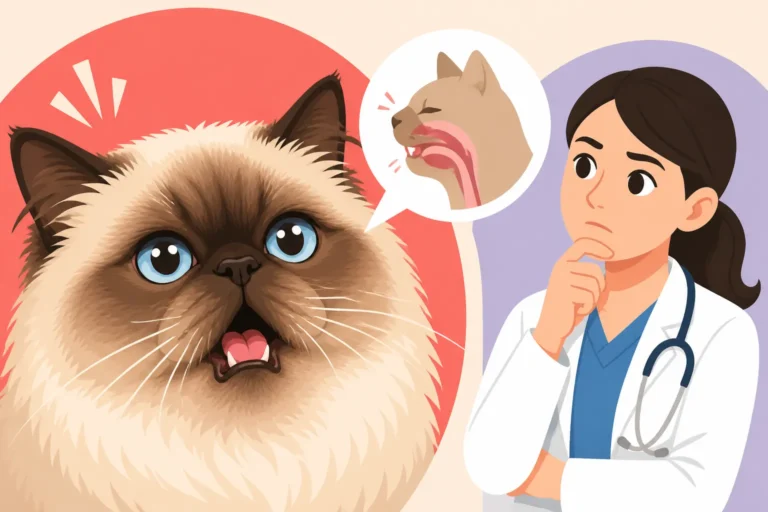
The flattened face that gives Himalayans their distinctive charm is also a primary contributor to brachycephalic airway syndrome (BAS), a collection of anatomical abnormalities that can obstruct breathing. On a pale-coated Himalayan, the visual cues of respiratory distress or discomfort become even more apparent, offering owners crucial early warning signs.
Observing Labored Breathing
A Himalayan's shortened muzzle means their soft palate might be elongated, their nostrils can be stenotic (narrow), and their trachea (windpipe) might be smaller in diameter. These factors combine to make breathing an effort, especially during activity, excitement, or in warm weather. On a pale cat, signs of labored breathing, such as open-mouth breathing or excessive panting, are often more dramatically visible. The contrast between their delicate, pale fur and the vigorous, distressed movements of their chest and face can be quite stark.
You might notice their nostrils flaring more than usual, or the corners of their mouth pulling back with each breath. These subtle cues, which might be harder to discern on a cat with darker, denser fur, become undeniable indicators that your Himalayan is struggling. Knowing how a vet grades a Himalayan's nostrils can provide valuable insight into the severity of potential breathing obstructions. This heightened visibility helps owners react quickly, especially when considering preventive measures or seeking veterinary advice. If your Himalayan is panting after just five minutes of play, it’s a clear signal that they’re overheating or struggling, as discussed in How Soon a Himalayan Starts Panting During Play.
Exaggerated Snoring and Heat Sensitivity
Himalayans are notorious for snoring, a trait they inherited from their Persian side. While a gentle snore can be charming, an exceptionally loud, raspy, or gurgling snore, especially when combined with open-mouth breathing, is a clear visual and auditory cue of airway obstruction. On a pale cat, the subtle facial tension that often accompanies these sounds can be more noticeable. When your beautiful, pale cat is making sounds that resemble a small piggy, it’s a strong indicator of potential issues within their upper airway. You might even find your Himalayan sleeping with its neck stretched out to try and open its airway, a coping mechanism that also becomes more obvious against their light coat. This is why a Himalayan snores louder than its Siamese ancestors.
Furthermore, these cats are highly susceptible to overheating, and a pale coat can visually emphasize the discomfort. As they heat up, their delicate facial capillaries might become more visible, and their overall appearance can seem flushed or distressed. The contrast with their cool, pale fur makes any signs of heat stress, such as bright red gums or rapid, shallow breathing, stand out. This visual prominence underscores the importance of keeping your Himalayan cool and comfortable, especially in warmer climates, as they overheat twice as fast as a Siamese. Early recognition of these signs can prevent life-threatening heatstroke.
Grooming Demands: When Every Stain and Snag is Visible
The Himalayan's long, flowing coat is undeniably gorgeous, but it's also incredibly demanding to maintain. When combined with a pale body color and a flat face, the daily grooming routine becomes not just a necessity, but a highly visible battle against mats, stains, and general untidiness. Every missed spot, every stray bit of litter, and every tear stain stands out in stark relief.
The Unforgiving Nature of a Pale, Long Coat
A Himalayan's coat is a marvel of fluffy undercoat and silky guard hairs, designed for warmth and beauty. However, this dense, voluminous fur is a magnet for debris, and its pale color ensures that nothing goes unnoticed. Dust, lint, dander, and even tiny bits of kibble can easily become entangled, creating visible specks and smudges. What might disappear into a darker coat on another cat will stick out like a sore thumb on your pristine Himalayan.
This means that maintaining that "show-ready" appearance requires diligent, daily effort. A quick once-over isn't enough; you need to work through their coat systematically to prevent mats, which are also often more noticeable as darker, compacted clumps against the pale backdrop. Owners often feel like they're in a perpetual grooming cycle, and the pale coat means there's no hiding any shortcuts. This makes the daily comb a Himalayan cannot skip, even if it feels repetitive.
Managing Tear Stains and Facial Grime
The flat face and pale fur create a perfect storm for visible facial grime. Tear stains, as we've discussed, are an ever-present concern, but food residue is another big one. Because of their shortened jaws and flat faces, Himalayans can be messy eaters, often pushing food out of the bowl or getting it caught in their facial fur and ruff. On a pale cat, every fleck of wet food or smudge of kibble becomes immediately apparent, especially around the mouth and chin. This is why a Himalayan often drops food onto its ruff.
This necessitates a dedicated "face routine" every morning and often after meals. Wiping the face with a damp cloth, especially around the eyes and nose fold, is crucial not only for cleanliness but also for preventing skin irritation and infections. The constant visibility of these issues means owners are continually reminded of their grooming responsibilities. It's a small price to pay for such beauty, but it does require a significant time commitment. Understanding the precise routine your feline friend needs, as detailed in the morning face routine every Himalayan needs, is paramount.
Dental Health: Early Indicators on a Distinctive Jaw
The adorable, flattened face of a Himalayan, a defining characteristic of the breed, also presents significant challenges to their dental health. Their shortened upper and lower jaws mean that all 30 adult teeth are often crowded into a space far too small for them. This anatomical quirk leads to a host of problems, many of which become visually apparent on a pale-faced cat.
Overcrowding and Misalignment
Imagine trying to fit a dozen full-sized books onto a shelf designed for eight. That’s essentially what happens with a Himalayan’s teeth. The severe overcrowding leads to malocclusion, or misalignment, where teeth might grow at odd angles, rub against each other, or even protrude from the mouth, making a cat's lower canines show prominently. This crowding creates crevices and tight spaces where food particles and bacteria can easily get trapped, leading to accelerated plaque and tartar buildup.
On a pale Himalayan, the yellow or brown discoloration of tartar against their light fur and pink gums can be quite noticeable, serving as an early visual warning sign of impending dental trouble. The redness and inflammation of gingivitis, an early stage of periodontal disease, will also stand out more starkly against pale gums. This makes regular oral inspections crucial, as the visual cues are often the first indication that professional intervention is needed. Our guide on how crowded a Himalayan's lower jaw gets offers more insights into this common issue.
Gum Disease and Resorption
The chronic issues caused by overcrowding don't stop at tartar. The constant pressure and misalignment can lead to severe gum disease, with inflammation, pain, and eventual tooth loss. A pale-faced Himalayan makes it easier to spot these issues: you might see bleeding gums, swollen areas, or even receding gum lines where the tooth roots become exposed. These are stark visual indicators that the cat is in pain and requires immediate veterinary attention.
Furthermore, the crowded Persian jaw can lead to a phenomenon known as tooth resorption, where the tooth structure is gradually eroded. While this often requires X-rays to confirm, sometimes the effects, like a sensitive spot on the gum or a visibly dissolving tooth, might be noticed by a vigilant owner, particularly if their cat is reluctant to eat or paws at its mouth. Because of these predispositions, Himalayans need dentals earlier than a Siamese, and it's something every owner should budget for, potentially using insurance plans like those offered by Healthy Paws to mitigate costs. Regular veterinary check-ups and preventative dental care are not just recommended, but essential for these unique cats.
Monitoring Overall Health: Subtleties on a Pale, Flat-Faced Cat
Beyond the obvious facial and coat-related issues, a Himalayan's pale, flat-faced characteristics can subtly impact how we monitor their overall health, often making slight changes more noticeable to the attentive owner. From hydration to energy levels, these visual cues are critical for proactive care.
Hydration and Appetite Cues
A well-hydrated cat generally has plump, elastic skin and bright, moist gums. On a pale-faced Himalayan, subtle signs of dehydration might be more apparent. The gums, being a lighter shade, can appear drier or take on a slightly different hue if the cat isn't drinking enough. Excessive thirst, an important indicator of underlying health issues like kidney problems, also often points at its Persian half. While skin turgor (the elasticity of the skin) is the main test, the visible condition of their mouth and nose leather (which should be moist and cool) can offer early hints.
Similarly, changes in appetite or eating habits can be more noticeable. Because Himalayans often have difficulties with deep bowls due to their flat faces, and their pale fur can show food residue, any sudden aversion to food or changes in how they eat become highly visible. If your once enthusiastic eater is suddenly picking at their food, or if more food is ending up on their ruff, it's a clear signal to investigate. This could point to dental pain, an upset stomach, or something more serious. Monitoring a Himalayan's food intake and consumption patterns is paramount.
Detecting Lethargy and Changes in Behavior
Himalayans are generally calm and sedate cats, but a healthy one still has periods of playfulness and engagement. Because their temperament often leans towards being quite placid, any noticeable increase in lethargy, or a decrease in their usual, albeit gentle, activity levels, can be a crucial sign of illness. On a pale-coated cat, an unwell appearance – such as dull eyes, a messy coat from lack of grooming, or a general lack of sparkle – might be more visually pronounced. They often hide illness behind an expressionless face, making owners rely on subtle cues.
For example, if your Himalayan, who usually claims one specific chair, suddenly starts spending all their time in an unusual spot, it could indicate discomfort. Or if their routine, which they are deeply devoted to, is suddenly broken, it can be a sign of distress. While all cats are masters at hiding illness, the starkness of a pale coat can sometimes make subtle shifts in their appearance more apparent, prompting owners to investigate sooner. For instance, an old Himalayan losing weight needs its thyroid read, and the visual change in body condition, even under that fluffy coat, can be a vital clue. Regular check-ups, especially after the age of eight, should include blood work to track their kidney history and other vital health markers, which can be supported by proactive insurance coverage from providers like Healthy Paws.
Grooming for Life: A Lifelong Commitment
Caring for a Himalayan’s exquisite coat and distinctive face is a lifelong commitment. The pale color and the flattened facial structure mean that regular, meticulous grooming isn't just for aesthetics; it's fundamental to their health and comfort. Every interaction becomes an opportunity to inspect, clean, and bond.
The Daily Ritual of Combing
The Himalayan inherited its long, dense coat from the Persian, a coat that is prone to matting faster than many other long-haired breeds. On a pale Himalayan, these mats aren't just uncomfortable; they often stand out as unsightly, compacted clumps against the lighter fur. This necessitates a daily combing ritual. Skipping even one day can lead to tangles, especially in high-friction areas like the armpits, behind the ears, and in the "britches" – the long fur on their hind legs. If neglected, these mats can pull at the skin, causing pain, skin infections, and potentially requiring a stressful veterinary visit for sedation and shaving. Our guide on the daily comb a Himalayan cannot skip offers invaluable advice.
A good quality steel comb with both wide and narrow teeth is essential. The process should be gentle, thorough, and ideally, started when they are kittens to get them accustomed to it. This daily interaction also serves as a full-body health check. As you comb, you can feel for any lumps, bumps, skin irritations, or changes in body condition that might otherwise go unnoticed. This regular, hands-on attention is a vital part of proactive health care, especially when you factor in the financial safety net of a pet insurance policy like Healthy Paws for any unexpected health issues discovered during these sessions.
Perpetual Facial Care
The grooming demands don't end with the coat. The flat face requires perpetual, daily care to prevent tear staining, fold dermatitis, and food accumulation. Every morning should start with a gentle wipe of their face, paying special attention to the inner corners of the eyes and the nasal folds. Using soft, lint-free wipes or cotton balls dampened with pet-safe eye cleaner or warm water helps to remove fresh tears and debris before they can set into stubborn stains. This is the morning face routine every Himalayan needs.
Drying the nasal fold thoroughly is just as important as cleaning it, as dampness encourages yeast and bacterial growth. For Himalayans with a very pronounced nose fold, some owners use a tiny bit of cornstarch or a veterinary-prescribed drying powder to keep the area dry and prevent irritation. This constant vigilance is crucial, as any neglect will quickly become visible on their pale fur, leading to discomfort for the cat and more work for the owner to rectify. This commitment to daily facial hygiene is non-negotiable for a healthy and happy Himalayan.
Disclaimer
This article is intended for informational purposes only and does not constitute veterinary advice. Always consult with a qualified veterinarian for any health concerns or before making any decisions about your pet's medical care.