Which Brush Head Fits a Himalayan’s Shortened Jaw
One of the most common, and frankly, frustrating challenges for us Himalayan parents is navigating their unique facial structure, especially when it comes to something as basic as oral hygiene. That adorable flat face and those lovely big blue eyes come with a trade-off: a significantly shortened jaw that often means crowded, misaligned teeth. Trying to fit a standard cat toothbrush into that small mouth can feel like an impossible task, leading to skipped brushings and mounting anxiety about future dental problems. This guide is here to walk you through exactly which brush heads are best suited for your Himalayan's delicate dental needs and how to make the process as stress-free as possible.
Understanding Your Himalayan's Unique Oral Anatomy
Before we even talk about brushes, it's crucial to understand why dental care for a Himalayan is different, and often more challenging, than for other cat breeds. Their characteristic brachycephalic (flat-faced) head isn't just a cosmetic trait; it profoundly impacts their entire oral structure.
The Shortened Jaw and Crowded Teeth Conundrum
Think about it: the Himalayan was bred from the Persian, and over generations, that distinctive "peke face" or "doll face" profile became more pronounced. While undeniably cute, this shortening of the skull means that the upper and lower jaws are compressed. The problem is, your Himalayan still has the same number of teeth as any other cat – usually 30 adult teeth. When you try to fit those 30 teeth into a much smaller space, they simply don't have enough room to grow in properly.
This often leads to crowded teeth, rotated teeth, and teeth that may even overlap or erupt at odd angles. You might notice their lower canines protrude a bit, or that some molars look like they're trying to hide behind their neighbors. This crowding creates all sorts of nooks and crannies where food particles and plaque can easily get trapped. It’s like trying to sweep a floor that’s full of furniture – you just can’t get into every corner with a big, unwieldy broom. This is why addressing How Crowded a Himalayan's Lower Jaw Gets is so important, as it directly impacts how easily plaque and tartar accumulate. These unique challenges mean that Himalayans are often prone to dental disease much earlier in life than breeds with more conventionally structured jaws, making regular home care paramount.
Sensitive Gums and Mouth
Beyond the crowding, the gums in a Himalayan's mouth can also be more sensitive. The constant pressure from misaligned teeth can sometimes irritate the gum line, making them more prone to inflammation or gingivitis. When you're trying to brush, you need tools that are incredibly gentle yet effective. A brush that's too stiff or too large isn't just uncomfortable; it can actually cause pain, leading your sweet Himalayan to resist future attempts at brushing. We want to clean, not traumatize! It’s an empathetic approach to ensure their comfort during what can already be an unfamiliar process for them.
The Flat Face Challenge: Accessing Those Tricky Spots
Let's face it (pun intended!), the very feature we adore – that charmingly flat face – can make manual brushing a dexterity challenge for us humans. Trying to maneuver a toothbrush around their prominent cheeks and into the back corners of their mouth, especially when they might not be thrilled about the process, requires patience and the right tools. Standard cat toothbrushes are often designed for breeds with longer muzzles, meaning their brush heads are simply too bulky to get past the initial front teeth and reach the all-important molars and premolars where a lot of the decay and plaque buildup tends to occur. You might feel like you're doing a great job on the front, but missing the critical areas further back.
Choosing the Right Brush Head for Your Himalayan
This is where the rubber meets the road! Finding the perfect brush head is the first and most critical step in establishing a successful dental routine for your Himalayan. Forget the notion of a one-size-fits-all cat toothbrush; your flat-faced friend needs something specialized.
Small Head, Soft Bristles: The Golden Rule
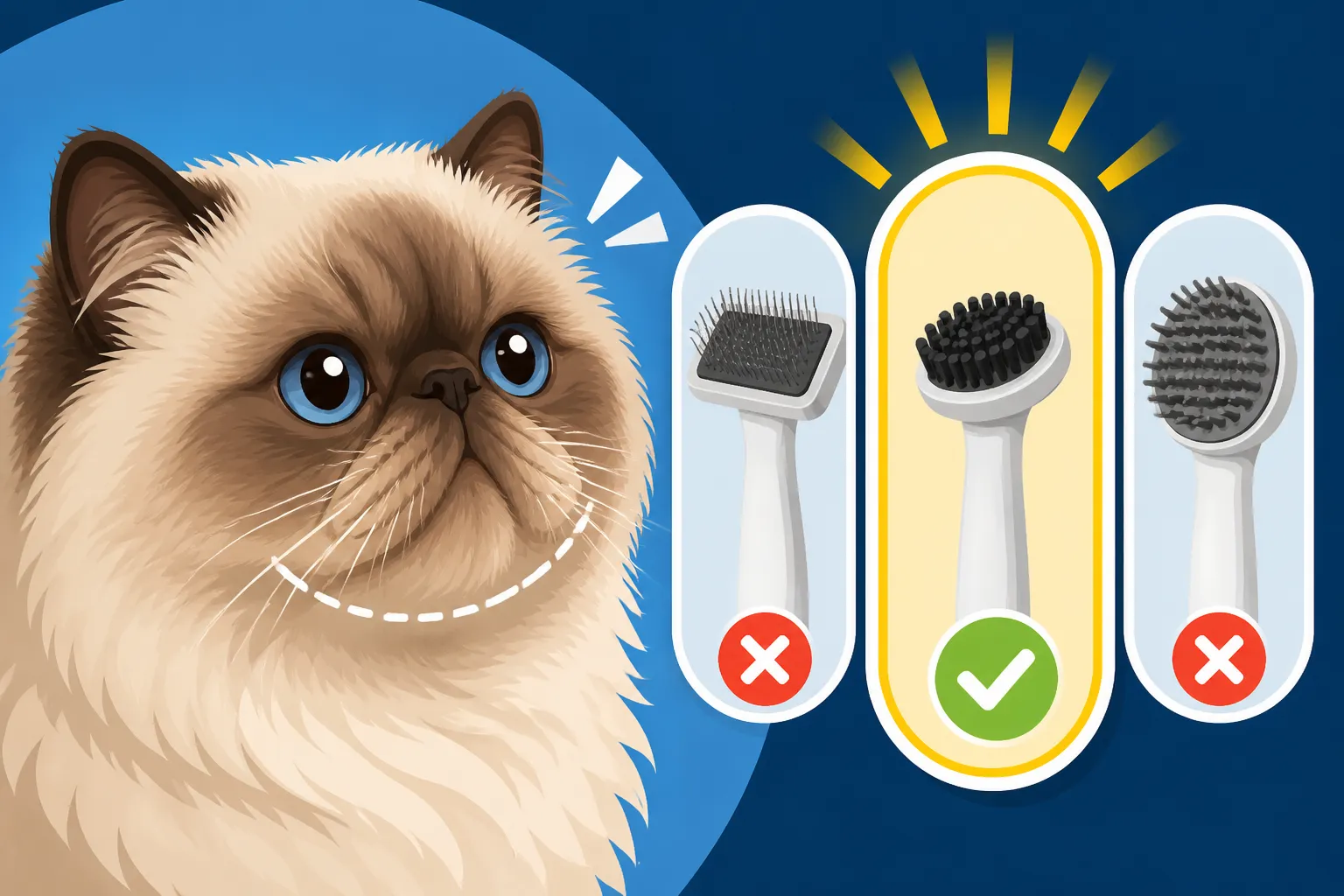
For a Himalayan, the absolute non-negotiable features of any toothbrush are a small head and extra-soft bristles. Let's break down why these are so vital:
- Small Head: This allows you to actually get the brush into their mouth, past the front teeth, and into those cramped spaces where the molars and premolars reside. A larger head will just bump up against their cheeks or be too wide to fit comfortably between their lips and teeth, making it impossible to reach the areas that need cleaning most. Imagine trying to scrub a teacup with a dish brush – it just doesn't work! The goal is precision, not brute force. You need to be able to target individual teeth or small groups of teeth rather than attempting a broad sweep.
- Extra-Soft Bristles: This is paramount for your Himalayan's comfort and gum health. Those crowded teeth often mean the gums are already under a bit of stress. Stiff bristles can easily cause irritation, bleeding, and discomfort, turning a necessary routine into a dreaded ordeal. Soft bristles, on the other hand, can gently massage the gum line while still effectively removing plaque without causing harm. Look for brushes explicitly labeled "soft" or "extra-soft."
Finger Brushes vs. Handle Brushes: Which is Best?
When you venture into the world of cat dental care, you'll primarily encounter two types of brushes: those you slip over your finger and those with a handle. Both have their merits and drawbacks for a Himalayan.
-
Finger Brushes: These are soft, rubber or silicone thimbles with tiny bristles or nubs that fit over your pointer finger.
- Pros for Himalayans: The biggest advantage is the direct tactile feel you get. Your finger can often navigate the tight spaces of a Himalayan's mouth more intuitively than a rigid handle. You can feel exactly where the teeth are and apply just the right amount of gentle pressure. This can be great for cats who are hesitant about a foreign object in their mouth, as your finger is somewhat familiar. Many pet supply stores, including large online retailers like Chewy, offer various finger brush options that might work well for the initial stages of training or for particularly sensitive cats.
- Cons for Himalayans: While flexible, even a finger brush might struggle to reach all the way to the back molars if your Himalayan's mouth opening is very small. The bristles on some finger brushes can also be quite short, limiting their plaque-removing power compared to traditional brush bristles. Plus, some cats might still find a finger in their mouth intrusive.
-
Handle Brushes (Small-Headed): These look like miniature human toothbrushes, sometimes with an angled head.
- Pros for Himalayans: If you can find one with a truly tiny head and soft bristles, these can be incredibly effective. The longer handle allows you to reach further back into the mouth more easily without having to contort your hand. The bristles are typically more effective at dislodging plaque.
- Cons for Himalayans: The rigidity of the handle can be a disadvantage in a small, crowded mouth, making it harder to maneuver around obstacles. Many "cat toothbrushes" are still too large for a Himalayan's specific anatomy. It's a real hunt to find the right size.
Specialized Cat Brushes vs. Human Infant Toothbrushes
While some brands specifically market "cat toothbrushes," you might find better success looking outside the pet aisle for your Himalayan.
- Specialized Cat Brushes: Some pet brands are starting to recognize the needs of brachycephalic breeds, but they are still not as common as they should be. If you find one, ensure it meets the "small head, soft bristles" criteria. Look for brands that specifically mention suitability for small breeds or kittens.
- Human Infant Toothbrushes: This is often the unsung hero for Himalayan dental care!
- Why they work: Human infant toothbrushes are designed for tiny mouths and incredibly delicate gums. They almost always feature extremely small heads and ultra-soft bristles, making them a perfect fit for a Himalayan. You can often find multi-packs of these at your local pharmacy or grocery store, or on online marketplaces like Amazon, making them quite accessible. They are typically inexpensive, allowing you to try a few different shapes and see what works best for your cat without a huge investment.
- What to look for: Just make sure it's a baby toothbrush, not a toddler one, as toddler brushes can start getting larger. Look for ones designed for newborns or infants who are just getting their first teeth.
Here's a quick comparison of popular brush types for your Himalayan:
| Brush Type | Pros for Himalayan | Cons for Himalayan | Ideal Use |
|---|---|---|---|
| Finger Brush | Excellent tactile feedback, very gentle, less intimidating | May not reach back molars effectively, bristles can be short | Training, very sensitive cats, focusing on front teeth |
| Small-Headed Pet Brush | Good bristle action, longer reach with right size | Many are still too large, rigid handle can be tricky | Once comfortable with brushing, for more thorough cleaning |
| Human Infant Toothbrush | Tiny head, ultra-soft bristles, widely available, inexpensive | Can be mistaken for larger toddler brushes, may require multiple purchases to find right fit | Ideal for most Himalayans, especially for initial training and regular maintenance |
The Importance of Cat-Specific Toothpaste
Regardless of the brush you choose, always use cat-specific toothpaste. Human toothpaste contains ingredients (like fluoride and xylitol) that are toxic to cats if swallowed. Cat toothpaste comes in flavors they often enjoy, like poultry or seafood, making the experience more palatable. You can find these at almost any pet store or online, including through Chewy's pet supplies section.
Techniques for Effective Brushing
Okay, you've got the right brush and the right toothpaste. Now, how do you actually get that brush into your Himalayan's mouth and do some good? Patience and positive reinforcement are your best friends here.
Starting Slow and Gentle: The Training Phase
Never just shove a brush into your cat's mouth. This is a recipe for disaster and will make future attempts impossible. The key is to introduce it gradually, making it a positive experience.
- Introduce the Toothpaste: Let your Himalayan sniff and then taste a tiny bit of cat toothpaste off your finger. Many cats love the flavor! Do this for a few days, just getting them used to the taste.
- Introduce the Brush (No Paste Yet): Once they're happy with the toothpaste, let them sniff and lick the brush. Don't worry about brushing yet. Just let them associate the brush with the yummy taste.
- The First Touch: Dip the brush in toothpaste and gently touch their lips and then lift a lip to gently touch a tooth or two. Keep it super short, just a few seconds, then praise and offer a small treat. Repeat this several times a day for a few days.
- Short Brushing Sessions: Gradually increase the time and the number of teeth you brush. Aim for very short sessions, maybe 10-20 seconds at first, focusing on the outer surfaces of the teeth. As your Himalayan gets more comfortable, you can work your way up to 30-60 seconds, or even a couple of minutes, targeting all accessible surfaces. Remember, consistency is more important than perfection in the beginning.
Positioning Your Himalayan for Success
Finding a comfortable position for both of you is crucial. Many Himalayans are naturally docile lap cats, which can work in your favor.
- Lap Position: Sit with your Himalayan on your lap, facing away from you, with their head gently cradled in your non-brushing hand. This allows you to support their head and lift their lips with your thumb and forefinger, while your other hand maneuvers the brush.
- Table Position: Some cats prefer to be on a table, which can put them at a more accessible height for you. Place them on a non-slip mat and gently hold them close to your body.
- Gentle Restraint: You might need a soft towel to gently wrap around their body, leaving their head free, especially if they are squirmy. This isn't about force, but about making them feel secure and limiting sudden movements. Think of it as a comforting hug, not a straitjacket.
Focusing on Key Areas
With their crowded jaws, certain areas of your Himalayan's mouth are more prone to plaque and tartar buildup.
- The Outer Surfaces: Start with the outer surfaces of the teeth, especially the upper canines and molars. These are often the easiest to access.
- The Gum Line: Focus on the area where the tooth meets the gum. Use small, circular motions, gently angling the bristles toward the gum line.
- Back Molars: These are crucial. Gently lift the cheek and try to slide the small brush head back to reach these teeth. This is where a truly tiny brush head really proves its worth.
- Inner Surfaces: These are notoriously difficult to reach in any cat, and especially in a Himalayan. Do your best, but don't stress if you can't get every single inner surface. The outer surfaces are the priority.
Aim to brush at least every other day, ideally daily. Consistency prevents plaque from hardening into tartar, which can only be removed by a vet. This daily attention is paramount for a breed that needs Why a Himalayan Needs Dentals Earlier Than a Siamese.
Beyond the Brush: Comprehensive Dental Care
While brushing is the gold standard, it's just one part of a holistic dental care strategy for your Himalayan. Given their predispositions, a multi-faceted approach is always best.
Dental Wipes and Gels
For those days when brushing feels impossible, or as an adjunct to brushing, dental wipes and gels can offer some benefit.
- Dental Wipes: These are usually small, textured pads that you wrap around your finger and rub against your cat's teeth. They can help remove some plaque from the outer surfaces and freshen breath. They are generally easier to use than a brush for cats who are very resistant, but they don't offer the same mechanical cleaning power. They are a good "something is better than nothing" option.
- Dental Gels: These typically contain enzymes that help break down plaque. You apply a small amount directly to the gum line or teeth, and your cat's tongue action helps spread it around. These are often well-tolerated and can be useful, but again, they don't replace the physical scrubbing action of a brush. Always look for VOHC (Veterinary Oral Health Council) approved products for the best efficacy.
Dental Diets and Treats
You might see various dental-specific foods and treats advertised, and while they can play a supportive role, it's important to have realistic expectations.
- Dental Diets: Some specialized cat foods are formulated with larger kibble sizes or unique textures designed to "scrub" the teeth as your cat chews. This mechanical action can help reduce plaque buildup on the surfaces they come into contact with. Brands like Hill's Prescription Diet t/d or Royal Canin Dental are often recommended by vets. You can find these through your vet or on pet supply sites like Chewy and Amazon.
- Dental Treats: Similar to diets, these treats are designed to have a specific texture or contain additives that help reduce plaque. While they can be a tasty supplement, they rarely provide comprehensive dental cleaning, especially for crowded areas. Think of them as a nice bonus, not a replacement for brushing. For a cat whose jaw is already crowded, ensuring they can even comfortably chew these items is important. Brands like Greenies are popular and widely available. Other products may also offer dental chews or toppers, but always ensure they are suitable for your cat's specific dental needs.
It's crucial to remember that these diets and treats primarily address the surfaces they contact during chewing. They often struggle to reach the crowded, overlapping teeth or deep gum pockets where plaque thrives in a Himalayan's mouth.
Regular Vet Check-ups and Professional Cleanings
Even with diligent home care, professional dental cleanings under anesthesia are often necessary for Himalayans. Their unique anatomy means plaque and tartar can accumulate in inaccessible areas, leading to more serious issues like Why a Crowded Persian Jaw Resorbs a Himalayan's Teeth.
- Annual Dental Exams: Your vet will perform a visual inspection of your Himalayan's mouth during their yearly check-up. They'll look for signs of gingivitis, tartar, broken teeth, or other concerns. This is a good opportunity to discuss your home care routine and any challenges you're facing. This visit should include attention to How Often a Himalayan's Crowded Mouth Needs Cleaning.
- Professional Cleanings: These involve a thorough examination of each tooth, scaling (removing plaque and tartar) above and below the gum line, polishing the teeth, and often dental X-rays to check for problems hidden beneath the gum line. This procedure is done under anesthesia to ensure your cat's comfort and allow for a comprehensive cleaning. Your vet will advise you on how often this might be needed for your individual Himalayan, but for those with significant crowding, it might be more frequent than for other breeds.
Recognizing Dental Problems
As a vigilant Himalayan parent, knowing the signs of dental issues can help you catch problems early. Keep an eye out for:
- Bad Breath (Halitosis): While "cat breath" isn't always minty, a sudden or unusually foul odor can indicate infection or severe plaque buildup. This is a clear warning sign, especially considering Why Bad Breath in a Crowded Himalayan Jaw Means Trouble.
- Difficulty Eating: Dropping food, chewing only on one side, or reluctance to eat hard kibble can all signal oral pain.
- Pawing at the Mouth: Your cat might rub their face or paw at their mouth if they're experiencing discomfort.
- Red, Swollen, or Bleeding Gums: These are classic signs of gingivitis.
- Visible Tartar: Brown or yellow buildup on the tooth surface, especially near the gum line.
- Changes in Behavior: A cat in pain might become withdrawn, irritable, or less active.
If you notice any of these signs, don't delay – schedule a vet visit. Early intervention can prevent more severe, painful, and costly dental problems down the line. Caring for your Himalayan's precious, albeit challenging, smile is a lifelong commitment, but with the right tools and knowledge, it's a manageable one.
Disclaimer
This article is for general informational purposes only and does not constitute professional advice. Laws, prices and regulations vary by location and change over time. Consult a qualified professional for guidance on your specific situation.