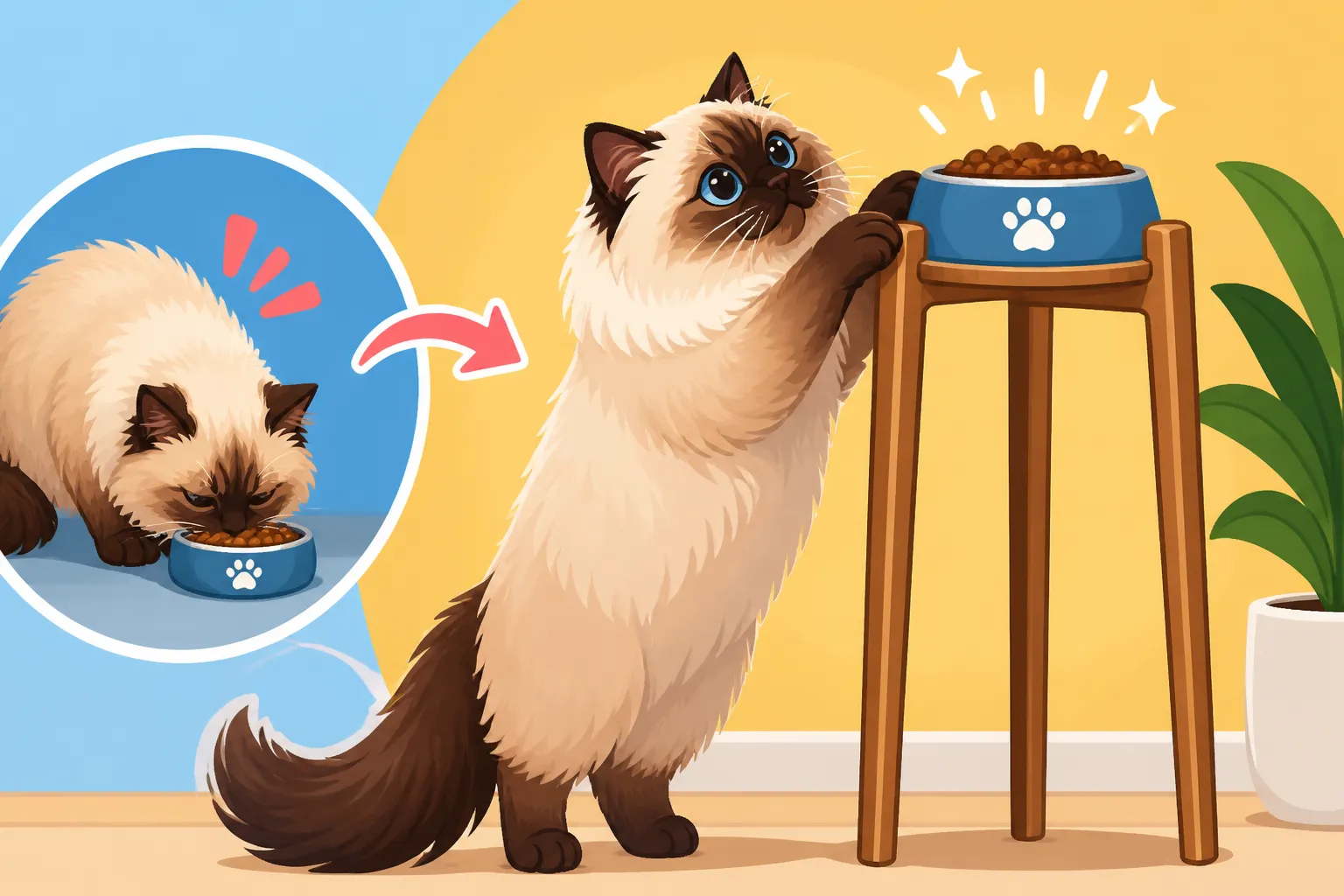
Why a Standing Bowl Is Never Out of a Himalayan’s Reach
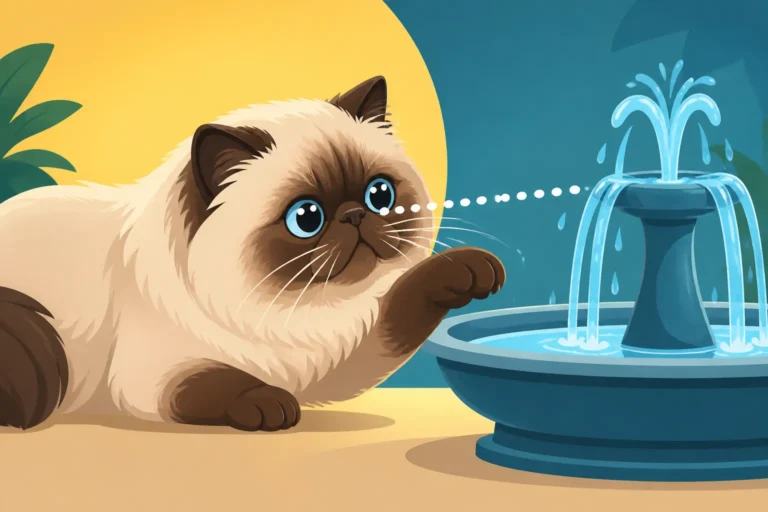
If you're a Himalayan cat owner, you know their exquisite beauty comes with a few unique quirks, especially around mealtime. Many of us have noticed our flat-faced feline friends struggling to comfortably eat from a traditional bowl on the floor, often hunching in an awkward position that leaves food on their majestic ruffs and, frankly, looks uncomfortable. This guide is all about understanding why a simple standing bowl isn't just a fancy accessory but a practical necessity for your Himalayan's comfort and health, and why they’re never truly out of reach for a standing feeder.
The Unique Physical Challenges Himalayans Face at Mealtime
Our beloved Himalayans are a truly special breed, inheriting their magnificent long coats and distinctive facial structure from their Persian ancestors, combined with the striking blue eyes and color points of the Siamese. This beautiful combination, however, comes with a specific set of physical characteristics, particularly their brachycephalic, or "flat," face, that profoundly impacts how they eat and drink.
The Impact of a Flattened Muzzle and Shortened Jaw
The most defining characteristic of a Himalayan's face is its flattened muzzle. While undeniably charming, this feature means their nasal passages are often shorter and their breathing can be less efficient than cats with longer muzzles. When they bend their heads down to a floor-level bowl, this already compacted airway can be further constricted. Imagine trying to eat a meal with your nose pressed against the table and struggling to breathe – that's often what it's like for them. They have to work harder just to get air in while also trying to scoop up food, which can lead to rapid, noisy breathing or even panting. You might even find yourself wondering How a Vet Grades a Himalayan's Nostrils just to understand their breathing better.
Beyond the breathing aspect, the shortened jaw also presents a significant challenge. Himalayans often have what's known as a "crowded mouth," where their teeth, designed for a longer jaw, are packed into a much smaller space. This can lead to dental issues, but it also makes the mechanics of picking up food incredibly difficult. They can't easily scoop kibble or lap up wet food cleanly. Instead, they often push food around with their tongue and nose, making a mess and getting food stuck on their fur. We’ve all seen our gorgeous cats look like they’ve had a food fight with their dinner! This crowded oral structure also makes them prone to dropping food, sometimes leading to observations like Why a Himalayan Drops Food Onto Its Ruff.
Neck Strain and Gastrointestinal Discomfort
Think about bending over repeatedly to pick something off the floor. Now imagine doing that for an entire meal, every single day. For a Himalayan, continually stooping down to a floor-level bowl can cause significant strain on their neck and spine. Their cobby, heavily built bodies, combined with those shorter legs, aren't designed for prolonged bending. This awkward posture isn't just about physical discomfort in the moment; over time, it can contribute to chronic neck and back issues, especially as they age.
Furthermore, eating with their head bent down can hinder proper digestion. When a cat eats with its head below its stomach, gravity isn't helping the food move down; in fact, it can sometimes work against it. This can lead to them swallowing more air, which manifests as gas, burping, or even regurgitation. We want our cats to enjoy their meals and digest them comfortably, not struggle through every bite. Better posture during eating, often facilitated by a standing bowl, can improve the alignment of their esophagus and stomach, allowing food to pass more smoothly and reducing the chance of discomfort after a meal. This is particularly important for cats that might be prone to digestive sensitivities.
How Elevated Bowls Transform Mealtime Comfort
The simple act of raising your Himalayan's food and water bowls can utterly transform their mealtime experience, addressing many of the unique challenges their beautiful physiology presents. It’s not just about aesthetics; it’s about practical comfort and promoting better health.
Improving Breathing and Reducing Strain
One of the most immediate benefits of an elevated feeder is how it impacts your Himalayan's breathing. When their bowls are at a more natural height, they can eat with their head and neck in a more neutral, upright position. This takes the pressure off their brachycephalic airway, allowing them to breathe more freely and easily while they eat. You'll likely notice less noisy breathing, less snorting, and a generally calmer demeanor during meals. This improved airflow can also reduce the risk of them inadvertently inhaling food particles, a common concern for flat-faced breeds.
Beyond breathing, an elevated bowl significantly reduces the strain on their neck and back. No more awkward hunching or craning to reach their food. They can approach their meal comfortably, allowing their sturdy, cobby bodies to remain in a more natural, relaxed posture. This is especially beneficial for older Himalayans who may already be experiencing How Arthritis Shows in a Himalayan That Never Jumped or other age-related joint stiffness. By minimizing this daily physical stress, you're not only enhancing their immediate comfort but also potentially contributing to their long-term orthopedic health.
Cleaner Eating Habits and Enhanced Digestion
We all adore the flowing, luxurious ruff of a Himalayan, but it can be a magnet for crumbs and wet food when they eat from floor-level bowls. Elevated feeders help keep their magnificent coats out of their food and water. When the bowl is raised, there's less chance for their long fur to dip into the food, preventing it from becoming messy, matted, and potentially stained. This means less cleanup for you and a cleaner, more comfortable cat. Less food stuck in their ruff also means fewer skin irritations under that dense coat, a common problem for long-haired breeds. You might even find you're doing less of Why a Himalayan's Face Must Be Wiped Every Day because less food is getting stuck there in the first place.
From a digestive standpoint, elevated bowls support a more natural and efficient eating process. When your Himalayan eats in an upright position, gravity assists the movement of food down the esophagus into the stomach. This can lead to less swallowed air, reducing instances of gas, bloating, and regurgitation. For some cats, this improved posture can even make a subtle but positive difference in nutrient absorption. Furthermore, for a breed known for its quiet, often serene nature, a comfortable eating experience contributes to their overall well-being and contentment. Observing How a Flat Faced Himalayan Eats After Extractions can also offer insights into why a standing bowl is so crucial, as their altered bite may make it even harder to eat from a flat surface.
Choosing the Perfect Standing Bowl for Your Flat-Faced Friend
With so many options on the market, selecting the ideal standing bowl for your Himalayan can feel a little overwhelming. But a few key considerations will help you find the perfect fit to enhance their mealtime experience. Remember, the goal is comfort, cleanliness, and promoting good health.
Optimal Height and Bowl Dimensions
The height of the standing bowl is paramount. The ideal height should allow your Himalayan to eat with their neck in a neutral, slightly downward-sloping position, without having to bend their front legs or crane their neck upwards. Generally, this means the rim of the bowl should be roughly level with their chest, or perhaps a little lower, so they can comfortably reach the food without significant strain. What works for a smaller female might not be ideal for a larger male, so observe your cat’s posture when eating to fine-tune the height. Some elevated feeders offer adjustable heights, which can be fantastic for finding that perfect sweet spot or accommodating growth in a younger cat. You'll find a wide range of adjustable options when browsing platforms like Chewy or Amazon.
Beyond height, the bowl itself needs to be suitable for a flat-faced cat. Look for shallow, wide bowls rather than deep, narrow ones. A shallow design prevents their whiskers from constantly bumping against the sides, which can be uncomfortable and cause "whisker fatigue." The wider opening also makes it much easier for their flattened muzzle to access food without having to push it around excessively. Think about it: a deep bowl might as well be a tunnel for them! This directly addresses observations like Why a Himalayan Pushes Food Out of a Round Bowl.
Material, Stability, and Ease of Cleaning
The material of the bowls themselves matters for hygiene and durability. Stainless steel is often a top choice because it's non-porous, easy to clean, highly durable, and resistant to bacteria buildup. Ceramic bowls are also popular, offering a bit more weight to prevent tipping, but they can chip or break. Plastic, while affordable, can scratch easily, harboring bacteria, and some cats can develop an allergic reaction (acne) from plastic bowls. Whatever material you choose, ensure it's food-grade and free from harmful chemicals.
Stability is crucial. An elevated feeder that wobbles or tips over easily will only frustrate your cat and create a mess. Look for a sturdy base with non-slip feet to keep it firmly in place during mealtime. Some feeders are heavier in design, while others incorporate suction cups or rubber grips. Ease of cleaning is also a big one for us busy cat parents! Removable bowls that are dishwasher-safe are a huge plus. You want to be able to keep their eating area sparkling clean with minimal effort, especially if you're managing any tear staining around their delicate faces.
Smart Features and Brands to Consider
Modern elevated feeders come with various features designed to improve the feeding experience. Some units include slow-feeder inserts, which can be beneficial if your Himalayan eats too quickly, though with their already challenging facial structure, this might be more of a hindrance than a help. Automatic feeders with elevated bowls are also available, ensuring your cat gets their meals on a consistent schedule even when you're not home, which can be helpful for maintaining their routine. For a fresh food diet, having easy-to-clean bowls is even more essential.
When you're shopping, you'll find numerous brands and styles available through major pet supply retailers. Don't be afraid to read reviews from other flat-faced cat owners – their insights can be invaluable. Many pet parents praise brands that specifically cater to brachycephalic breeds, often highlighting features like angled bowls or very stable bases.
| Feature / Type | Benefits for Himalayans | Considerations |
|---|---|---|
| Adjustable Height | Customizes to your cat's exact needs; grows with kittens | Can sometimes be less stable if poorly designed |
| Fixed Height (Single) | Very sturdy, often more aesthetically pleasing | Must be the perfect height for your individual cat |
| Shallow, Wide Bowls | Reduces whisker fatigue; easier access for flat faces | May need more frequent refills if your cat eats a lot |
| Stainless Steel | Hygienic, durable, dishwasher safe, non-porous | Can be noisy; some cats dislike the reflection |
| Ceramic | Heavy (less tipping), attractive, non-porous | Can chip or break; heavier to lift for cleaning |
| Non-Slip Base | Prevents sliding and spills, reduces frustration | Check material quality; rubber feet can degrade over time |
| Dishwasher Safe | Ensures optimal hygiene and ease of cleaning | Not all components (e.g., base) may be dishwasher safe |
Making the Switch: Introducing Your Himalayan to an Elevated Feeder
Introducing any change to a cat's routine, especially involving their food, can sometimes be met with skepticism. Cats are creatures of habit, and Himalayans are no exception, often preferring the predictable. However, with a little patience and understanding, you can smoothly transition your beloved feline to their new, more comfortable standing bowl.
Gradual Introduction and Positive Reinforcement
The key to a successful transition is gradual introduction. Don't just swap out their old bowl for the new elevated one and expect immediate acceptance. Start by placing the new standing bowl near their old one, perhaps without food at first, just to let them investigate it. Let them sniff it, rub against it, and get used to its presence in their environment.
Once they seem comfortable with its proximity, try putting a small amount of their favorite treat in the new bowl. This associates the elevated feeder with something positive and delicious. As they start to investigate the new bowl for treats, you can then try placing a portion of their regular meal in the standing bowl while keeping a smaller amount in their old bowl. Over a few days, gradually increase the food in the new bowl and decrease it in the old. If your Himalayan is particularly wary, you can even initially place the new elevated feeder on a low setting or on a stack of books that mimics the eventual height, and then slowly raise it over time. Remember, patience is a virtue here, and a calm, reassuring approach will go a long way.
Observing and Troubleshooting Common Hesitations
Pay close attention to your Himalayan's behavior during this transition. Are they sniffing the new bowl but refusing to eat from it? Are they looking confused or stressed? Some cats might be put off by the new height, the material, or even the scent of a new item.
If they're hesitant, try these troubleshooting tips:
- Scent Familiarity: Rub a clean cloth from their bedding on the new bowl to transfer a familiar scent.
- Location, Location, Location: Ensure the new bowl is in the same quiet, safe spot where they usually eat. Cats are sensitive to changes in their territory.
- Warm it Up: Sometimes, warming wet food slightly can make it more aromatic and enticing.
- Engage with Play: Try a short play session before mealtime to stimulate their appetite, then gently guide them to the new bowl.
- Your Presence: Stay near them during initial feedings to offer reassurance. Gentle strokes and soft words can encourage them.
- Consider Bowl Material: If they seem particularly averse, the material of the bowls might be an issue. Some cats have preferences.
Remember that Why a Himalayan Sleeps With Its Neck Stretched Out can sometimes be a sign of discomfort, and mealtime should be relaxing. Your goal is to make the elevated feeder a natural and comfortable part of their daily routine. Once they realize how much easier and more pleasant eating can be from an elevated position, they'll often adapt remarkably well. This small change can lead to a happier, healthier, and certainly cleaner Himalayan, enjoying every bite without unnecessary strain or mess.
Disclaimer
This article is for general informational purposes only and does not constitute professional advice. Laws, prices and regulations vary by location and change over time. Consult a qualified professional for guidance on your specific situation.