Why an Old Himalayan’s Coat Goes Sparse
One of the most heart-wrenching things to witness as your beloved Himalayan ages is the subtle, and sometimes not-so-subtle, changes in their once magnificent coat. That luxurious, dense fur, a hallmark of the breed, can start to look thinner, a bit duller, and just not quite as full as it once was. It's a common worry for many of us who adore these fluffy companions, and it often points to a combination of natural aging, underlying health shifts, and sometimes, simply needing a little tweak in their care routine. This guide will walk you through the reasons behind an older Himalayan's sparse coat and how you can help them maintain comfort and dignity as they gracefully enter their golden years.
The Natural Process of Aging and Coat Changes
Just like us, cats experience a gradual decline in various bodily functions as they get older, and their skin and coat are no exception. It’s not just about a few stray hairs; it's a systemic shift that impacts the very structure and growth cycle of their fur. Understanding these natural changes can help us differentiate between what’s normal and what might warrant a vet visit.
Reduced Skin Elasticity and Oil Production
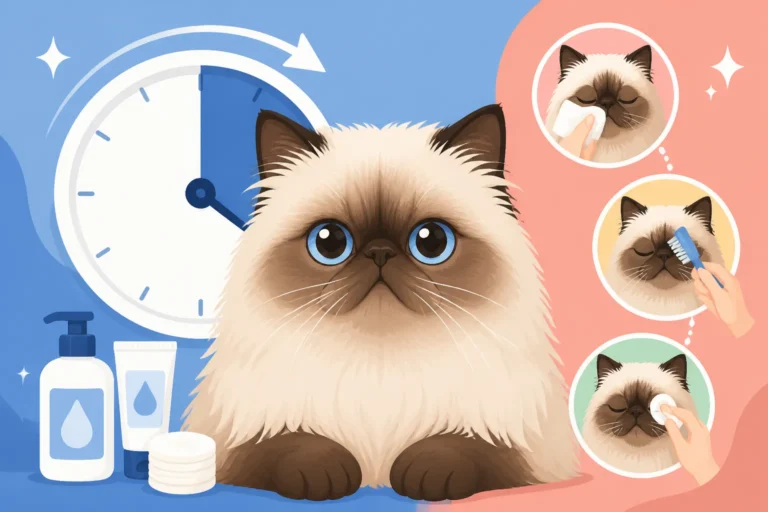
As your Himalayan cat gets older, their skin naturally loses some of its youthful elasticity. This isn't just a cosmetic issue; it directly impacts the health of their fur. Younger skin is supple and rich with natural oils, which provide a fantastic environment for hair follicles to thrive. Think of it like a garden where the soil is rich and moist – plants grow strong and vibrant. As skin ages, it becomes drier and less elastic.
This reduced elasticity means the skin is less efficient at holding moisture and producing the natural oils that keep the coat conditioned and healthy. These oils, known as sebum, are crucial for coating each hair strand, giving it that characteristic sheen and protecting it from breakage. With less sebum, the individual hairs can become brittle, leading to more breakage and a thinner appearance. You might notice the fur feels coarser, or that your once silky companion now has a slightly rougher texture to their coat. This isn't a reflection of your care, but simply a part of the aging process.
Slower Hair Follicle Activity
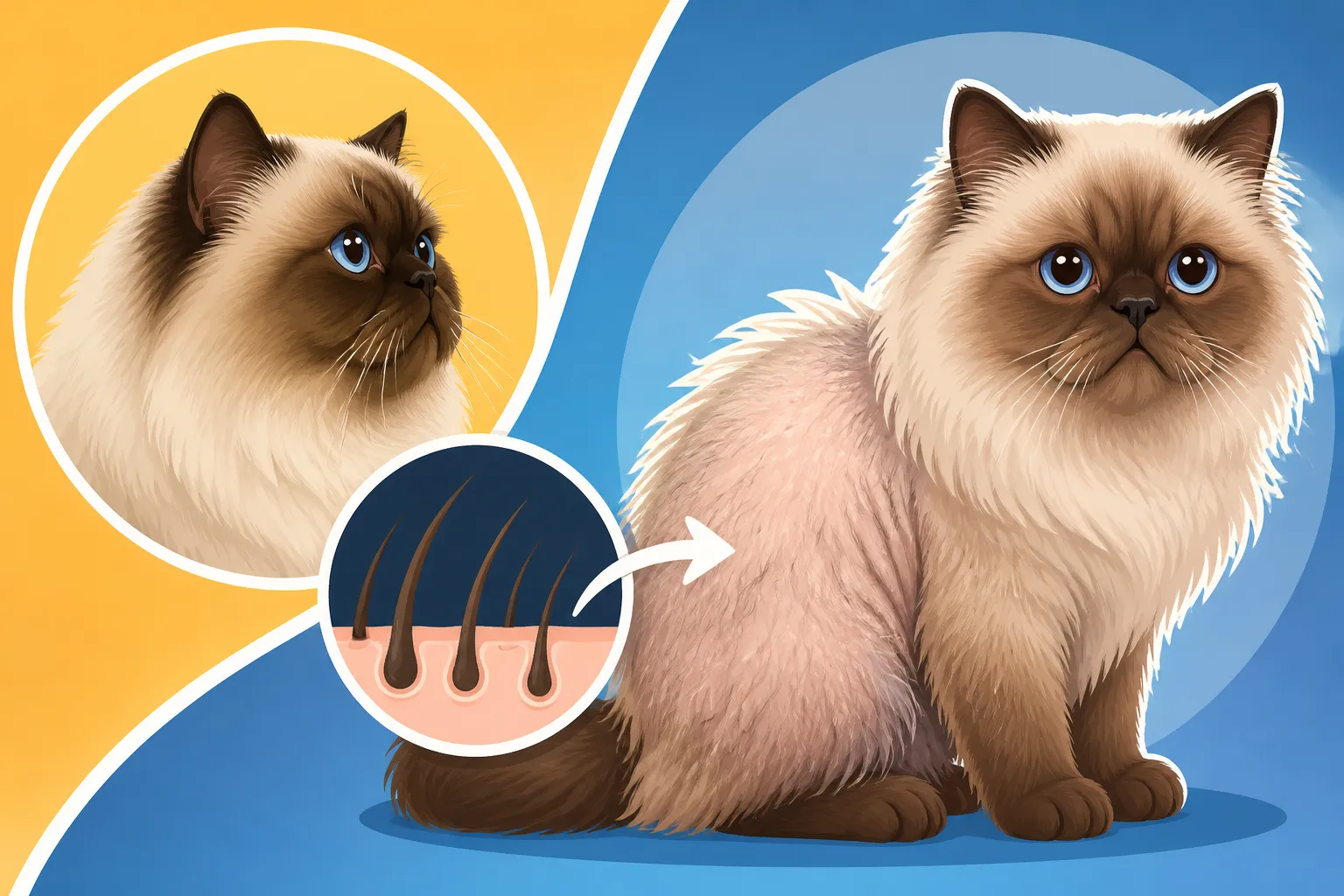
Hair follicles are like tiny factories that produce individual strands of fur. In an older Himalayan, these factories tend to slow down production. The growth cycle of each hair shortens, meaning hairs don't grow as long or as thick as they once did. Furthermore, the resting phase, where follicles are dormant, tends to lengthen. This combination results in fewer hairs being produced overall, and those that are produced might be finer and more fragile.
This slower activity isn't just about the density; it also affects the quality. The hair shafts themselves might become weaker, more prone to splitting, and less resilient to everyday wear and tear. You might find more fur left behind after a gentle stroke, or notice that patches that once seemed incredibly thick now look a bit sparse. This natural slowdown contributes significantly to the overall thinning appearance of an older Himalayan's coat, especially noticeable in areas like their flanks, tummy, or even the luxuriant ruff. It’s a completely normal part of their journey into their senior years.
Hormonal Shifts with Age
Hormones play a massive role in maintaining healthy skin and coat, and as Himalayans age, their hormonal balance can shift. For instance, a decline in thyroid hormone (hypothyroidism) can lead to a dull, dry, and thinning coat. While less common in cats than dogs, it's certainly a possibility worth exploring if other symptoms are present. Similarly, adrenal gland function can change, impacting hormones like cortisol, which, in excess, can also contribute to coat loss and fragile skin.
These subtle or sometimes significant hormonal shifts directly influence the metabolic processes involved in hair growth. They can disrupt the normal hair cycle, leading to follicles entering the resting phase prematurely or staying dormant for longer periods. The result is a coat that loses its former luster and density. It's not always an obvious, sudden change, but rather a gradual thinning that, when combined with reduced oil production and slower follicle activity, contributes to a noticeably sparser coat.
Health Conditions That Can Mimic or Worsen Coat Thinning
While some coat thinning is a natural part of aging, it’s crucial to understand that many underlying health issues can either cause or exacerbate hair loss and poor coat quality in older Himalayans. Ignoring these signs can lead to more serious problems, so paying close attention to any changes is paramount.
Kidney Disease and Liver Issues
One of the most common and concerning health issues in older cats, including Himalayans, is kidney disease. As kidneys begin to fail, they struggle to filter toxins from the blood efficiently. This buildup of toxins can manifest in various ways, and a dull, thinning, or even greasy coat is often one of the early indicators. Cats with kidney issues may also become dehydrated more easily, which severely impacts skin and hair health. You might notice your cat drinking more water, or having accidents outside the litter box. Why extra thirst in a Himalayan points at its Persian half is a really important read here, as kidney concerns are often inherited from their Persian lineage.
Similarly, liver disease can impact the body's ability to process nutrients and eliminate waste, directly affecting coat health. The liver is vital for synthesizing proteins and fats essential for hair growth, and when it's compromised, these processes suffer. A cat with liver issues might also show signs like jaundice (yellowing of the skin or eyes), lethargy, or a decreased appetite, alongside a noticeably unhealthy coat. Because older Himalayans, especially those from untested lines, can be prone to such issues, regular vet check-ups are non-negotiable. What a Himalayan's Yearly Bloods Should Cover After Eight can help you understand the diagnostics your vet might recommend.
Diabetes and Thyroid Imbalance
Diabetes Mellitus, a condition where the body can't properly regulate blood sugar, is another common ailment in older cats. Uncontrolled diabetes leads to poor circulation and nutrient delivery throughout the body, including to the skin and hair follicles. This can result in a dry, brittle, and thinning coat. Diabetic cats often show increased thirst, frequent urination, and unexplained weight loss despite a good appetite, so if you notice these alongside coat changes, it's time for a vet visit.
Thyroid problems, particularly hyperthyroidism (an overactive thyroid), are also prevalent in senior cats. While hypothyroidism (underactive thyroid) is rare in cats and can cause hair loss, hyperthyroidism can paradoxically also lead to a poor coat. With hyperthyroidism, cats often groom excessively due to anxiety, or their fast metabolism leads to nutrient depletion that affects hair quality. You might see a Himalayan with hyperthyroidism appearing thin, restless, and having a messy, unkempt coat despite their efforts. Why an Old Himalayan Losing Weight Needs Its Thyroid Read is a crucial topic to discuss with your veterinarian.
Arthritis and Pain-Related Grooming Issues
Arthritis is an unfortunate reality for many aging cats, and it can indirectly lead to a sparse or matted coat. When a Himalayan has painful joints, especially in their back, hips, or shoulders, the simple act of stretching and twisting to groom themselves becomes excruciating. They might avoid reaching certain areas, leading to mats forming in hard-to-reach spots like their back, hindquarters, or under their arms. Over time, these matted areas can pull at the skin, causing discomfort and even further hair loss if the mats become severe or are roughly removed.
It’s heartbreaking to see a cat, especially one known for its fastidious grooming, neglect their coat because of pain. You might notice they stop washing their britches or struggle to turn their head enough to reach their flanks. This isn't laziness; it's a sign of discomfort. How Arthritis Shows in a Himalayan That Never Jumped sheds light on how even inactive cats can develop this condition. Regular gentle grooming from you becomes even more vital to prevent mats and keep them comfortable. It's a way of helping them maintain their dignity when they can no longer do it themselves.
Parasites and Skin Infections
Even indoor Himalayans can pick up parasites like fleas, mites, or ringworm, which can cause intense itching, irritation, and subsequent hair loss. An older cat's immune system might not be as robust as a younger cat's, making them more susceptible to these invaders. Flea allergies, in particular, can cause severe reactions from just a single bite, leading to widespread scratching and areas of thinning fur. Mites can cause scaly, crusty skin and patchy hair loss, often around the ears, face, and legs.
Skin infections, both bacterial and fungal, can also arise from constant scratching, dampness in skin folds (especially common in brachycephalic Himalayans), or a weakened immune system. These infections can lead to inflamed skin, redness, scabs, and significant hair loss. If you notice any scabs, red patches, excessive scratching, or a sour smell alongside the thinning coat, it's imperative to get your cat to the vet. These aren't just cosmetic issues; they can be very uncomfortable and painful for your senior companion.
Environmental and Nutritional Factors Affecting an Older Himalayan's Coat
Beyond the internal changes of aging and potential health issues, the external environment and what goes into your Himalayan's food bowl play an immense role in the condition of their coat. As they age, their needs shift, and adapting their care can make a significant difference in mitigating coat sparsity.
Inadequate Grooming and Matting
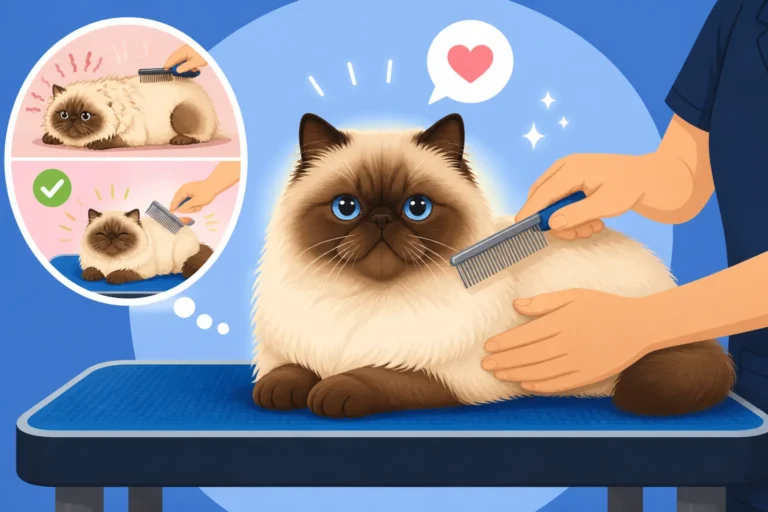
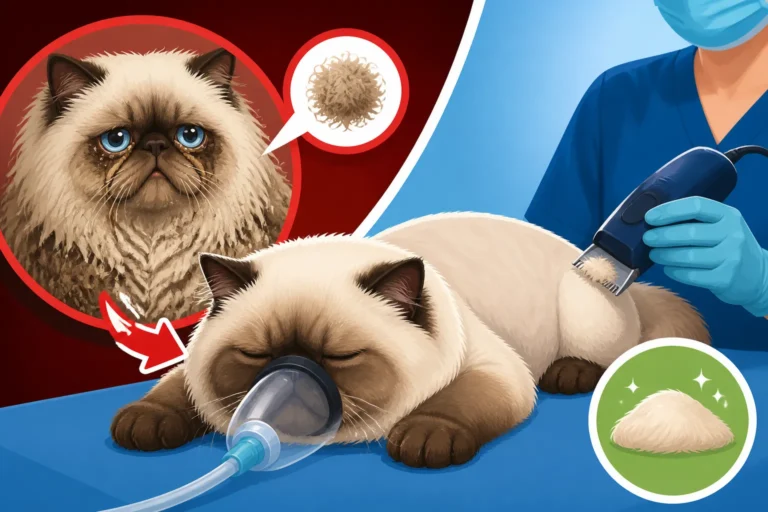
This is perhaps the most visible and frustrating factor. As Himalayans age, their flexibility decreases due to conditions like arthritis, and their energy levels drop. This often means they simply cannot groom themselves as effectively as they once did. That luxurious, long double coat that makes them so iconic becomes a challenge. Areas like the back, hindquarters, and under the armpits become difficult to reach, leading to mats forming. Combing the Points an Old Himalayan No Longer Reaches is a stark reminder of this reality.
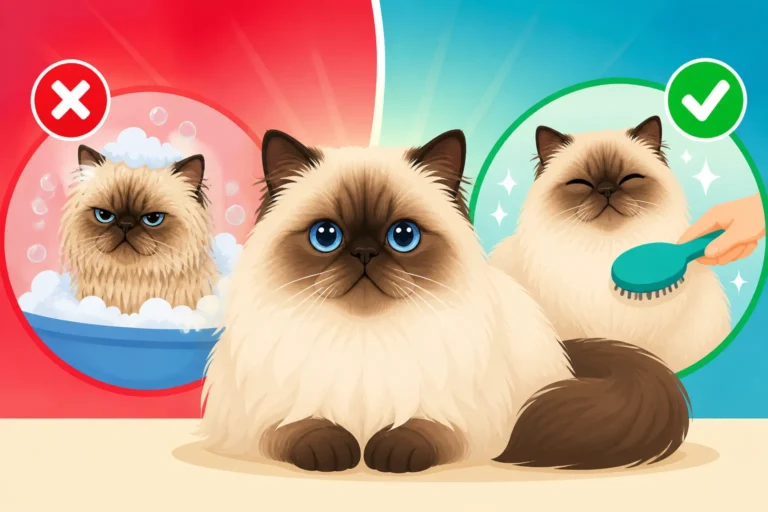
Mats are not just unsightly; they pull at the skin, causing pain and irritation. They can restrict blood flow, hide skin infections, and even lead to local hair loss as the skin beneath them suffers. What starts as a small tangle can quickly become a large, painful mat. Regular, gentle grooming sessions from you become absolutely critical. This isn't just about aesthetics; it's about comfort and preventing serious skin issues. Missing even a day can quickly lead to problems; Why a Missed Day Costs a Himalayan a Mat highlights how quickly these beautiful coats can tangle. You might need to use a high-quality steel comb, readily available on platforms like Amazon or Chewy, to work through their fur gently and consistently.
Nutritional Deficiencies
A balanced diet is the cornerstone of a healthy coat at any age, but it becomes even more critical for older Himalayans. Their bodies might not absorb nutrients as efficiently, or they might have specific dietary needs due to conditions like kidney disease or diabetes. A diet lacking in essential fatty acids (Omega-3 and Omega-6), high-quality proteins, and key vitamins and minerals can directly contribute to a dull, dry, and sparse coat.
High-quality animal protein is essential for hair growth, as fur is primarily made of protein. If their diet is deficient, new hair growth will be weak and sparse. Similarly, fatty acids are vital for skin barrier health and natural oil production. Without them, the skin can become dry and flaky, leading to brittle hair. Consider discussing a senior-specific or therapeutic diet with your vet. Human-grade or high-quality prescription diets might be options to ensure they're getting optimal nutrition. How Many Calories an Adult Himalayan Burns a Day can also help you understand their changing metabolic needs.
Environmental Stress and Temperature
Himalayans, with their thick coats, are particularly sensitive to heat. Older Himalayans are even more so, as their ability to regulate body temperature can decline, and they may struggle with breathing if they have a very flat face. Overheating can lead to stress, which in turn can impact coat health. A stressed cat might shed more or have a duller coat. Conversely, a consistently very cold environment might also impact their comfort, though their thick fur generally protects them more from cold than heat.
Beyond temperature, general environmental stress, such as changes in routine, new pets, or loud noises, can manifest in physical symptoms, including excessive shedding or poor coat condition. Older cats thrive on routine and stability. A calm, predictable home environment, coupled with comfortable resting spots, can reduce stress and contribute to overall well-being, which reflects in their coat. Ensuring they have access to cool, quiet areas in the house is especially important.
When to Consult Your Vet About Coat Changes
It's tempting to think that coat sparsity is just "part of getting old," and while natural aging does play a role, it's never wise to simply assume. The truth is, changes in your senior Himalayan's coat are often a vital signal that something more serious might be going on beneath the surface. Knowing when to pick up the phone and call your veterinarian is crucial for their health and comfort.
Sudden or Rapid Hair Loss
While gradual thinning is often expected with age, a sudden or rapid onset of hair loss is a red flag. If you wake up one morning and notice significant bald patches, or if your cat is shedding far more than usual in a short period, don't wait. This isn't typically just aging. Rapid hair loss can be indicative of acute infections, severe allergic reactions, hormonal imbalances that have reached a critical point, or even a systemic illness progressing quickly.
Pay close attention to where the hair loss is occurring. Is it symmetrical, or are there distinct patches? Is the skin beneath red, inflamed, or scaly? Any accompanying itchiness or discomfort also points away from simple aging. A vet can run diagnostics, like skin scrapes or blood tests, to pinpoint the underlying cause quickly. Early intervention can make a huge difference in managing the condition and bringing your beloved cat relief.
Accompanying Symptoms
Beyond the coat itself, look for any other changes in your Himalayan's behavior or physical condition. These accompanying symptoms are often the keys that unlock the mystery of what's causing the coat issues. If you notice any of these alongside hair thinning, it's time for a vet visit:
- Increased thirst or urination: Could point to kidney disease or diabetes.
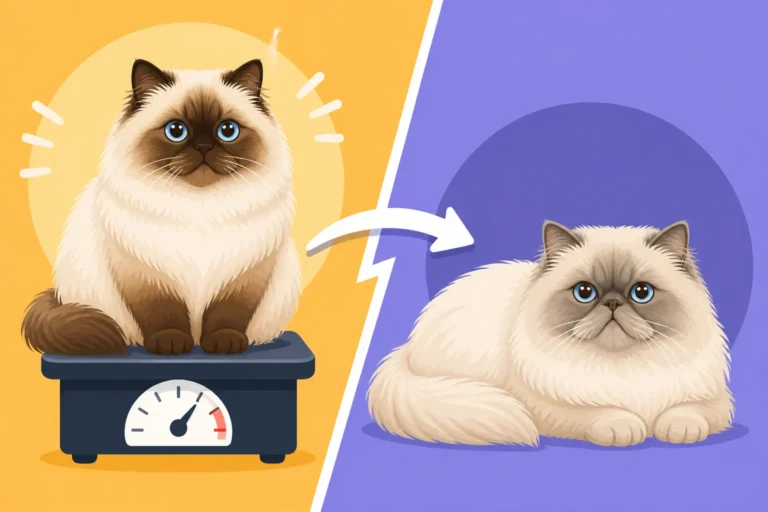
- Weight loss or gain: Unexplained changes in weight can signal metabolic issues, thyroid problems, or other chronic diseases.
- Changes in appetite: A sudden decrease or increase in eating habits is always a concern.
- Lethargy or decreased activity: If your normally playful (even if senior-paced) cat seems unusually tired or uninterested, it's a sign.
- Vomiting or diarrhea: Digestive upset can indicate a range of issues affecting overall health and nutrient absorption.
- Excessive grooming or scratching: This suggests itchiness, possibly from parasites or allergies.
- Pain or discomfort: Reluctance to be touched, limping, or difficulty jumping can all be signs of underlying pain, such as arthritis, which affects self-grooming. How Arthritis Shows in a Himalayan That Never Jumped is relevant here.
- Skin lesions, redness, or scabs: Clear signs of infection or irritation that require medical attention.
Deterioration of Overall Coat Quality
Even if hair loss isn't dramatic, a significant decline in the overall quality of your Himalayan's coat warrants a professional look. This means a coat that feels excessively dry, brittle, greasy, or constantly matted despite your best grooming efforts. If the fur is dull, lacks luster, or has a strange texture, it indicates that the underlying skin and hair follicles are not healthy.
Sometimes, despite diligent daily combing and a good diet, you find that What an Old Himalayan Needs Once Its Coat Starts Matting is becoming a recurring battle. If their coat consistently looks unkempt, matted, or simply "unhealthy," even after you've been consistent with their care, it suggests an internal problem that external remedies alone can't fix. This could be anything from nutrient malabsorption to a slow-developing chronic illness. Your vet can perform a thorough physical exam, often including blood work and urinalysis, to get a comprehensive picture of your cat's health. Taking proactive steps ensures your senior Himalayan lives their golden years in the best possible health and comfort.
| Symptom Category | Signs to Watch For | Potential Underlying Issues |
|---|---|---|
| Coat Appearance | Sudden bald spots, excessive shedding, dull/brittle fur, greasy feel, severe matting, unusual texture. | Kidney disease, liver disease, thyroid issues, diabetes, parasites, skin infections, nutrient deficiencies. |
| Skin Condition | Redness, inflammation, scabs, flakes, crusts, unpleasant odor, excessive licking. | Allergies, parasites, bacterial/fungal infections, hormonal disorders. |
| General Behavior | Increased thirst/urination, weight changes, appetite changes, lethargy, restlessness, excessive grooming, hiding. | Kidney disease, diabetes, hyperthyroidism, pain (arthritis), stress, dental issues. |
| Grooming Habits | Inability to reach certain areas, neglected patches, increased matting despite assistance, painful reactions to combing. | Arthritis, joint pain, dental problems, general weakness. |
Disclaimer
This article is for general informational purposes only and does not constitute professional advice. Laws, prices and regulations vary by location and change over time. Consult a qualified professional for guidance on your specific situation.