Why an Old Himalayan With Few Teeth Needs Wet Food
It's heartbreaking to watch our beloved Himalayan cats slow down as they age, especially when we notice them struggling with something as fundamental as eating. Many older Himalayans face a silent battle with their teeth, a challenge that can significantly impact their quality of life. This guide is dedicated to helping you understand why wet food isn't just a preference but often a necessity for senior Himalayans with dental issues, and how to make this crucial dietary shift for their comfort and well-being.
The Silent Struggle of an Aging Himalayan's Mouth
Our sweet, often stoic Himalayans are masters at hiding pain, and dental discomfort is no exception. Because of their unique flat-faced (brachycephalic) structure, their mouths are already prone to crowding, which can lead to dental problems earlier in life than other breeds. As they age, these issues can compound, often culminating in tooth loss, gum disease, and significant pain that goes unnoticed by even the most attentive owners.
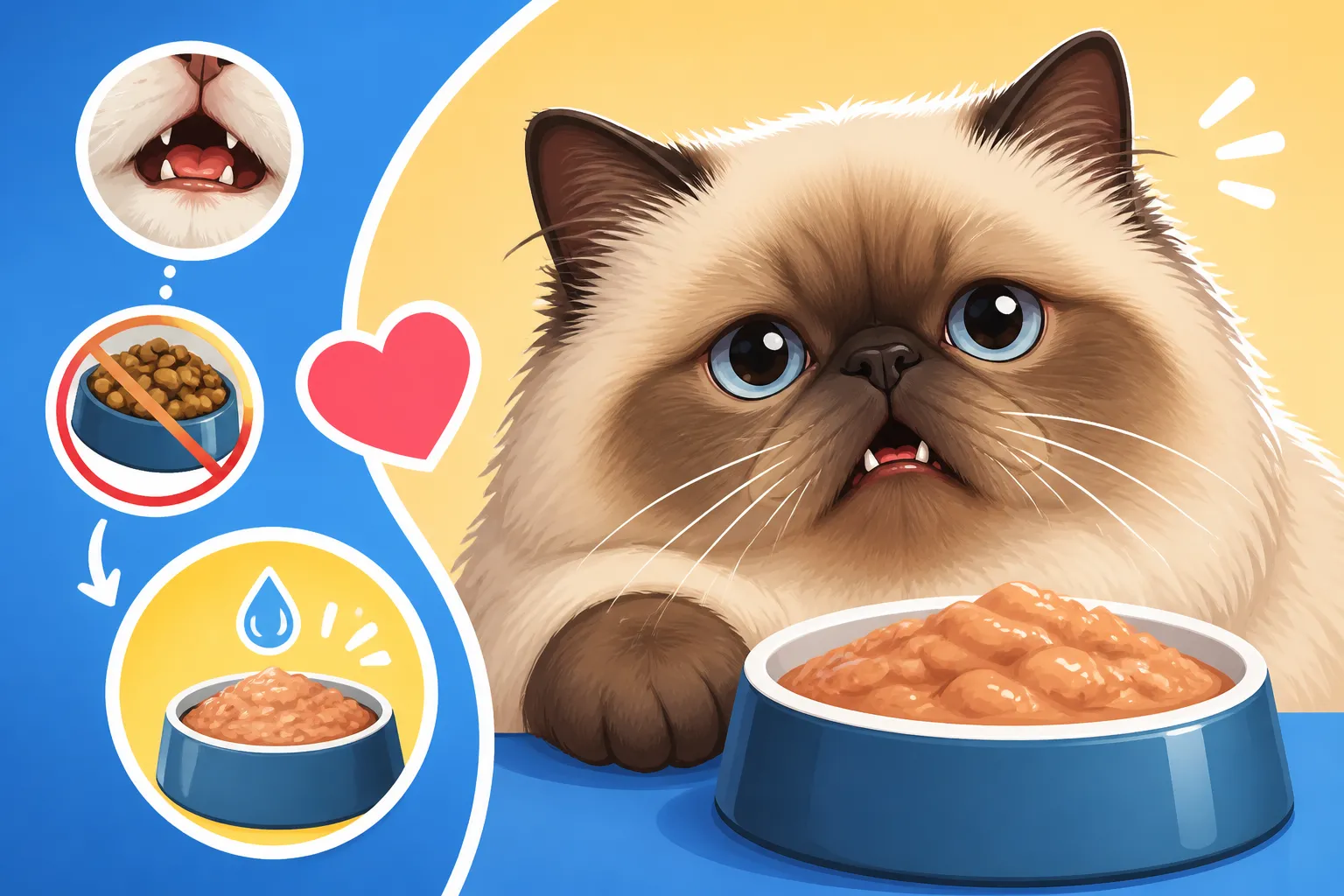
Imagine trying to crunch down on a dry kibble when your gums are sore, or a tooth is loose, or worse, completely missing. It's a painful thought, isn't it? For an older Himalayan, this isn't just a fleeting discomfort; it's a daily reality that can make mealtime a source of anxiety rather than enjoyment. Their shortened jaws, while adorable, mean that their teeth are often misaligned and crowded, setting them up for premature wear and tear. Over the years, this crowding can lead to teeth resorbing into the jawbone or becoming so loose that they eventually fall out. You might notice them dropping food, or tilting their head to one side while attempting to chew, clear signs they're struggling. It's a good idea to be aware of How Many Teeth a Himalayan Has Lost by Ten and the implications.
One of the biggest frustrations for owners is that our cats don't vocalize their toothaches like we might. Instead, they might just eat less, or approach their bowl with hesitation, or even walk away entirely. This can be easily mistaken for pickiness or a general decline in appetite due to old age, when in reality, it's often a direct result of pain. They might also become withdrawn, less playful, or even irritable if touched near their mouth. These subtle changes in behavior are their way of communicating distress.
Moreover, the anatomy of a Himalayan's mouth means that dry kibble, even if they manage to chew it, can be particularly challenging. The flat face, with its typically shorter muzzle, can make it harder for them to grasp and effectively masticate small, hard pieces of food. Kibble designed for "oral health" often relies on scraping action, which is far less effective, and sometimes even painful, when teeth are already compromised. For cats with a history of dental issues, or those who have had extractions, the idea of cleaning their teeth with hard food is often a painful misconception rather than a practical solution. The reality is, Why a Crowded Persian Jaw Resorbs a Himalayan's Teeth often necessitates a different approach.
Why Wet Food Becomes a Lifeline for Dental Comfort
When your old Himalayan is navigating life with fewer teeth and possibly sensitive gums, wet food transforms from a treat into a fundamental necessity. It's not just about softening the food; it's about making every meal a comfortable, nourishing, and hydrating experience.
The most immediate and obvious benefit of wet food is its texture. Imagine eating a steak when you have a toothache versus a bowl of mashed potatoes. Wet food, whether it's a pate, shredded, or gravy-laden, requires minimal to no chewing. This completely bypasses the source of pain for your cat, allowing them to lap up or gently gum their meal without agony. This means they are more likely to eat consistently, ensuring they get the vital nutrients they need to maintain their health as they age. For cats who have had teeth extracted, or those with very few remaining, this ease of consumption is paramount to their continued well-being. Consider How a Flat Faced Himalayan Eats After Extractions and you'll see why texture is so important.
Beyond immediate comfort, wet food is a powerhouse for hydration. Cats, by nature, don't have a strong thirst drive, often getting much of their water intake from their prey in the wild. Our domesticated Himalayans are no different. When on a purely dry kibble diet, they often live in a state of mild, chronic dehydration. This can exacerbate kidney issues, which are sadly common in aging felines, including those with a Persian heritage. Wet food typically contains around 70-80% moisture, significantly contributing to their daily water intake. This improved hydration supports kidney function, promotes a healthy urinary tract, and generally helps all their bodily systems operate more efficiently. This is especially critical for Himalayans, who may be predisposed to kidney conditions, making moisture intake vital. Remember, Why Water Matters More in a Himalayan Carrying Cysts.
Finally, the digestibility of wet food is often a huge advantage for senior cats. As cats age, their digestive systems can become less efficient at breaking down and absorbing nutrients. Wet food, often less processed and higher in meat-based proteins, is generally easier on their digestive tract. This means their bodies can more readily extract the necessary vitamins, minerals, and amino acids, helping them maintain muscle mass, energy levels, and overall vitality. When your cat is already spending precious energy trying to overcome dental pain, making digestion as effortless as possible is a huge win. If you've noticed your Himalayan dropping bits of food, or struggling to keep it in their mouth, wet food can solve the problem of Why a Himalayan Drops Food Onto Its Ruff.
| Feature | Dry Kibble (for senior cats with dental issues) | Wet Food (for senior cats with dental issues) |
|---|---|---|
| Chewing Difficulty | High, causes pain, can lead to food refusal | Minimal to none, offers comfort |
| Hydration | Low, requires active drinking | High, contributes significantly to daily intake |
| Digestibility | Can be harder on aging systems | Generally easier to digest and absorb nutrients |
| Nutrient Intake | Can be compromised due to eating less | More consistent, ensures vital nutrient delivery |
| Dental Impact | Worsens existing pain, ineffective for cleaning | Avoids pain, allows gums to heal |
| Palatability | May decrease with pain | Often higher, encourages eating |
Choosing and Transitioning to the Right Wet Food
Making the switch to wet food, or finding the right wet food, for an older Himalayan with dental challenges isn't always straightforward. Cats can be notoriously particular, and our Himalayans are no exception! But with a little patience and the right approach, you can ensure they're happily eating and thriving.
Selecting the Ideal Wet Food Texture
The first thing to consider is texture. Not all wet foods are created equal, especially for a cat with a sensitive mouth. Pâtés are often the easiest for a cat with few or no teeth to consume, as they can simply be licked. However, some cats prefer shredded or flaked varieties. If your cat struggles with these, you can always mash them gently with a fork or add a tiny bit of warm water or low-sodium chicken broth to create a smoother consistency. Avoid chunky stews with large pieces of meat that still require some chewing. Softer, fresher formulations can be ideal, but always check the specific texture descriptions. When you're browsing options, whether on Amazon or at Chewy, really zoom in on those product descriptions to understand the texture.
Look for high-quality ingredients. The first few ingredients should be identifiable meat sources, not vague "meat by-products." While protein is important, ensure the fat content is appropriate for an older, less active cat, keeping in mind How Much a Cobby Himalayan Gets in a Weighed Meal. Many senior cats benefit from higher moisture content and moderate protein levels. Avoid foods with excessive fillers, artificial colors, or preservatives.
The Gentle Art of Transition
Changing a cat's diet, especially an older one, should be a gradual process. Sudden changes can lead to digestive upset or outright refusal. Start by offering a small amount of the new wet food alongside their current dry food. Many Himalayans, being creatures of habit, might eye the new food with suspicion. Don't force it. Over several days, or even weeks, slowly increase the proportion of wet food while decreasing the dry kibble.
If your Himalayan is particularly resistant, try mixing a tiny bit of the wet food with their dry food, just enough to get the scent mixed in. You can also try warming the wet food slightly in the microwave for a few seconds (make sure it's just lukewarm, not hot!) to enhance the aroma, which can entice picky eaters. Some owners even find success by dabbing a tiny bit of wet food on their cat's nose or paw, encouraging them to lick it off and get a taste. Patience is key here; remember, you're working towards a long-term benefit for their comfort.
Bowl Selection and Feeding Environment
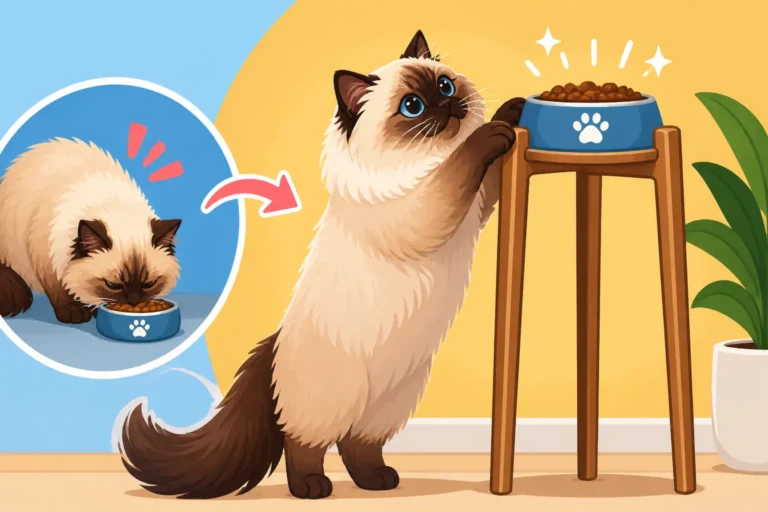
Don't underestimate the importance of the food bowl itself. For flat-faced breeds like Himalayans, deep bowls can be incredibly frustrating. They can press uncomfortably against their whiskers, making eating a messy and unpleasant experience. This is especially true when they are trying to access food with a compromised jaw.
Opt for wide, shallow bowls or even flat plates. Ceramic or stainless steel bowls are generally preferred as they are easy to clean and don't harbor bacteria like plastic can. Some raised bowls can also be beneficial, as they reduce the need for your senior cat to bend down too far, which can be difficult if they also have arthritis. Think about Which Bowl Shape a Flat Faced Himalayan Can Use. If your cat currently eats dry food from a deep bowl and struggles, you might notice they're hesitant even when you switch to wet food in the same container. A simple change of dish can make a world of difference.
Also, consider the feeding environment. Older cats, especially those in discomfort, appreciate peace and quiet during mealtime. Place their bowl in a calm, accessible spot where they feel safe and undisturbed. If you have multiple pets, ensure they have their own dedicated space to eat without competition.
Beyond the Bowl: Holistic Care for Senior Himalayans
Switching to wet food is a huge step in improving your aging Himalayan's dental comfort and overall well-being, but it's part of a larger picture of senior cat care. Their needs evolve as they get older, and addressing these holistically ensures they remain as happy and comfortable as possible in their golden years.
Regular Veterinary Check-ups and Dental Care
Even with a wet food diet, regular vet visits are non-negotiable. Your vet can perform oral examinations to assess the state of any remaining teeth and gums, and address any active infections or pain. While wet food eases eating, it doesn't solve existing dental disease. Your vet might recommend professional dental cleanings under anesthesia, or extractions if necessary, to remove sources of pain and infection. Don't let the fear of anesthesia deter you; modern veterinary medicine offers safe protocols for senior pets, and alleviating chronic pain is incredibly important. Discuss with your vet the best plan for How Often a Himalayan's Crowded Mouth Needs Cleaning. They can also help you track kidney function and other age-related changes.
Beyond the mouth, senior Himalayans can face a range of health concerns, from arthritis to thyroid issues. Regular blood work and physical examinations can catch these problems early, allowing for timely intervention. If your old Himalayan starts losing weight despite eating, for instance, it could be a sign that Why an Old Himalayan Losing Weight Needs Its Thyroid Read needs investigation.
Grooming and Comfort Considerations
An older Himalayan, particularly one with a flat face and a dense Persian coat, often struggles with self-grooming. Dental pain can make them less inclined to groom their face, and arthritis can make it difficult to reach their back and britches. This can lead to mats and uncomfortable tear staining. You might notice Why an Old Himalayan Stops Washing Its Own Face as one of the first signs of their decline.
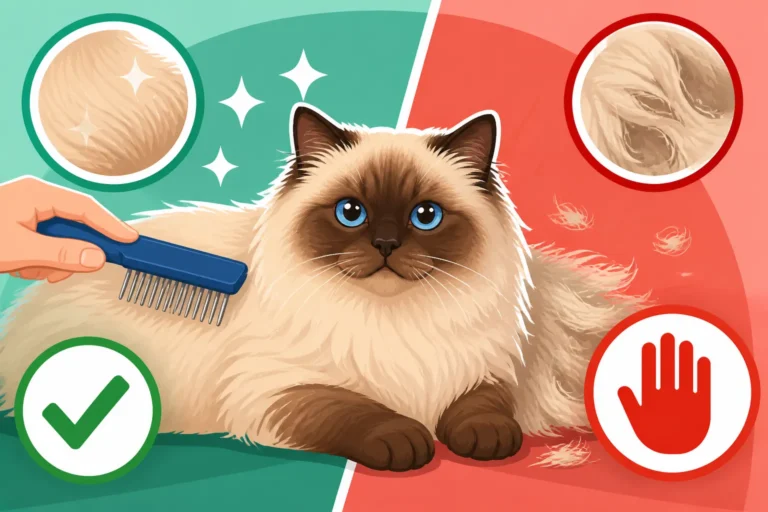
Commit to a gentle daily grooming routine. This includes not only brushing their coat to prevent matting but also wiping their face, especially around the eyes and nose fold, to prevent tear stains and skin irritation. A soft, damp cloth or pet-specific wipes can do wonders for their comfort and hygiene. This also gives you a chance to gently inspect their mouth for any obvious issues.
Ensure their living environment is comfortable and accessible. Provide soft, easy-to-access beds. If they used to jump onto furniture, consider adding pet stairs or ramps to help them reach their favorite napping spots without strain. Keep their litter box low-sided and easy to enter and exit, and close enough that they don't have to travel far, especially if they have joint pain. Remember, older Himalayans are less likely to get up for things, so making essentials easy to reach means What an Old Himalayan Will Still Get Up For will actually happen.
Ultimately, shifting to a wet food diet for an old Himalayan with few teeth is an act of profound kindness and responsible ownership. It addresses their immediate physical discomfort, supports their hydration and digestion, and allows them to enjoy their meals again. Combined with attentive veterinary care and a comfortable home environment, you're ensuring your cherished companion lives out their golden years with dignity, comfort, and plenty of purrs.
Disclaimer
This article is for general informational purposes only and does not constitute professional advice. Laws, prices and regulations vary by location and change over time. Consult a qualified professional for guidance on your specific situation.