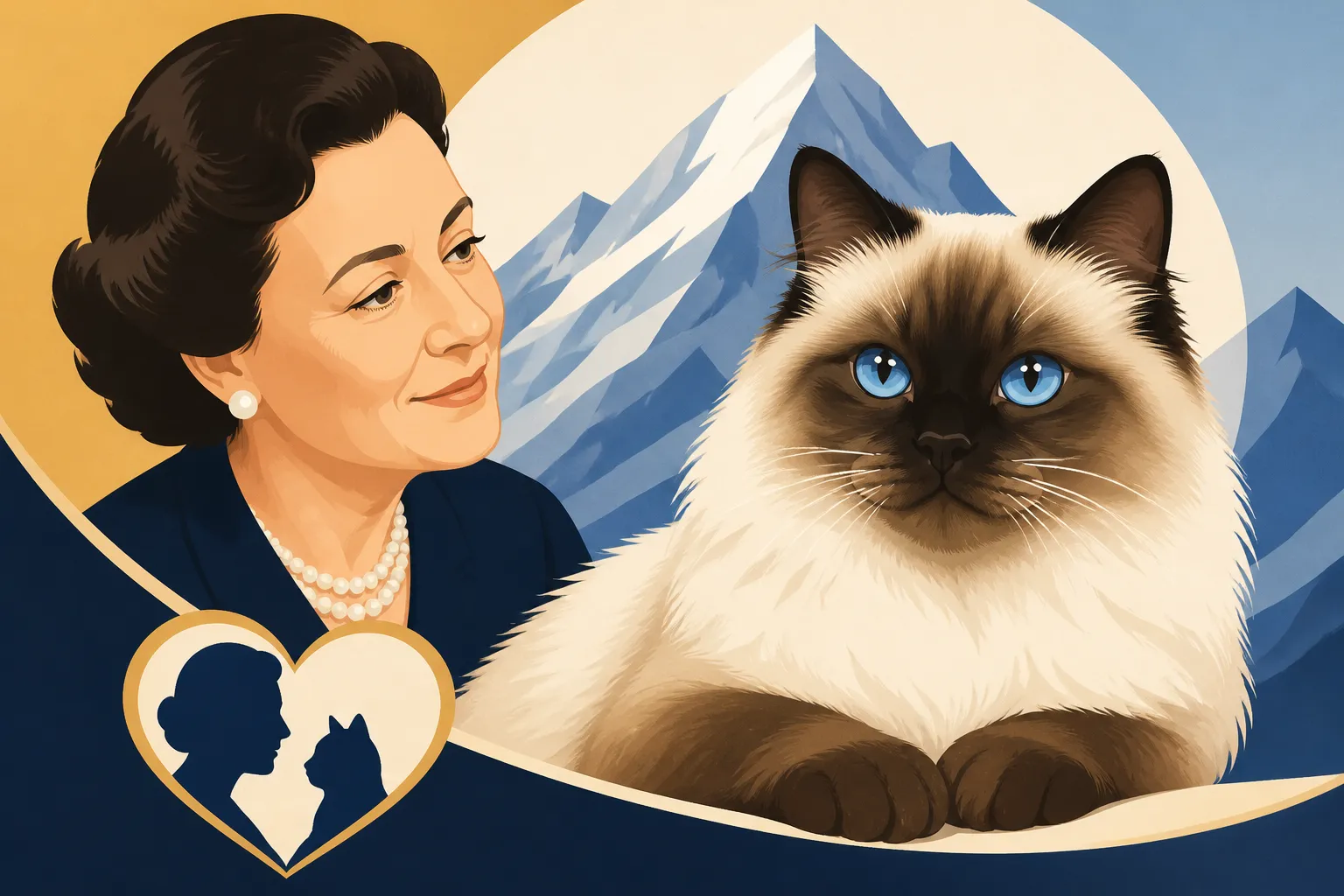
Who Marguerita Goforth Was to the Himalayan
When you look at a stunning Himalayan cat today, with its luxurious coat, captivating blue eyes, and those distinct point colors, it’s easy to admire their beauty without realizing the intricate history behind their creation. Many people wonder about the journey this breed took from an experimental cross to a beloved household companion, and often, the pivotal figures in that story get lost in time. This comprehensive guide will shine a spotlight on one such indispensable figure: Marguerita Goforth, whose tireless dedication and unwavering vision were absolutely crucial in bringing the Himalayan cat from relative obscurity into the spotlight of formal recognition and lasting popularity.
The Early Days of the Himalayan Dream: A Vision Takes Root
Before Marguerita Goforth ever stepped onto the scene, the idea of a cat with the stunning color points of a Siamese and the lush, cobby body of a Persian was merely a scientific curiosity and a dream in the minds of a few dedicated enthusiasts. It wasn't an easy concept to bring to life, and the early pioneers faced significant genetic hurdles.
The Harvard Experiments and European Crosses
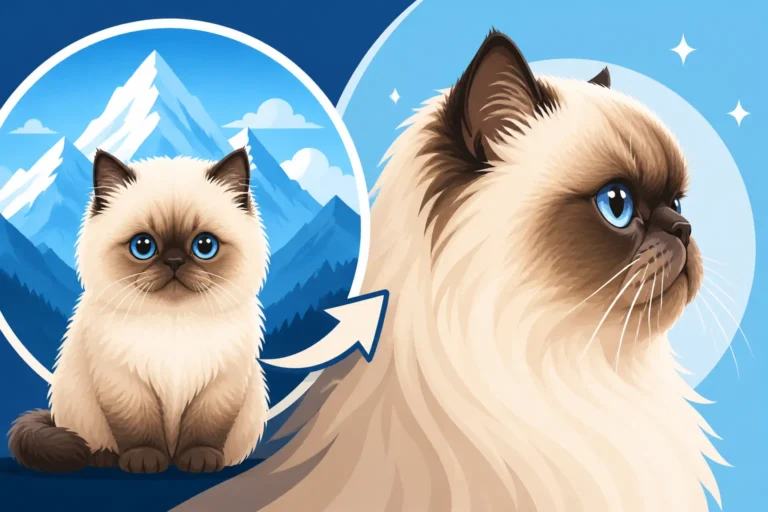
The earliest deliberate efforts to create what would eventually become the Himalayan cat began in the academic halls of Harvard University in the 1930s. Scientists like Clyde Keeler and Virginia Cobb embarked on a groundbreaking genetic experiment, crossing Siamese cats with Persians. Their primary goal wasn't necessarily to create a new pet breed, but rather to study the inheritance of coat color and other genetic traits. Imagine the dedication, charting pedigrees and observing litters over multiple generations, all in the name of scientific understanding. The initial results were fascinating, producing cats that had some of the desired traits, but they were a far cry from the stable, consistent breed we know today.
Simultaneously, across the Atlantic, European breeders were also dabbling in similar crosses, driven by their own aesthetic goals. They admired the striking contrast of the Siamese points but yearned for a cat with the impressive coat and stocky build of the Persian. These were often individual, isolated efforts, without the kind of systematic genetic tracking seen in the Harvard studies. They were passionate hobbyists, working with limited resources and knowledge compared to what we have today, but their enthusiasm was undeniable. The phrase What Siamese Persian Meant Before the Name Himalayan truly describes this period—a time when the cats were more a combination of their parent breeds than a recognized entity in their own right.
The Search for a Stable Line
The biggest challenge for these early experimenters, both scientific and hobbyist, was consistency. It's one thing to produce a single litter with interesting characteristics, but it's an entirely different beast to establish a stable line where those traits reliably appear generation after generation. When you cross two distinct breeds like the Siamese and the Persian, you're dealing with a huge genetic pool, and desired traits like the specific shade of blue eyes, the density and length of the coat, and the precise pattern of the color points could be very elusive.
Many early crosses resulted in cats that were either too much like a Siamese in body type, or too much like a Persian without the distinct point coloration. Breeders had to navigate complex inheritance patterns, often working "blind" without the genetic testing tools available to us now. It took immense patience and a keen eye to select the right cats for breeding, those that carried the genes for the desired combination. This painstaking process, often spanning many years and multiple litters, was all about refinement. It wasn't just about getting a pointed cat; it was about getting a pointed cat that consistently embodied the ideal Persian characteristics while displaying the Siamese color pattern. Without this foundational work, even with the scientific backing from institutions where The Himalayan Was Made at Harvard in the 1930s, the breed might have remained an interesting footnote rather than a global sensation.
Marguerita Goforth: A Visionary Breeder Steps In
Enter Marguerita Goforth. While the scientific community laid the groundwork and other breeders experimented, it was Goforth who truly galvanized the movement to establish the Himalayan as a recognized and cherished breed. Her arrival marked a turning point, transforming a fascinating genetic project into a tangible, beloved companion animal.
Goforth's Entry into the Cat Fancy
Marguerita Goforth was not just a casual cat owner; she was deeply embedded in the cat fancy world, a passionate and knowledgeable breeder with a genuine love for felines. When she encountered the early "Colorpoint Persians," as they were often called then, she wasn't just charmed by their appearance; she recognized their immense potential. She understood that these cats were more than just a novelty; they possessed a unique combination of traits that deserved to be cultivated and celebrated. Her entry into the cat fancy wasn't a sudden whim, but a dedicated journey that prepared her to champion a new and challenging breed. She had an eye for quality and a deep understanding of breeding principles, which would prove invaluable.
She understood the challenges inherent in blending two such distinct breeds. Persians, with their placid temperament and heavy boning, and Siamese, known for their vocal nature and svelte build, represented almost opposite ends of the feline spectrum. Yet, Goforth saw how these traits could be harmoniously combined to create something truly special. She immersed herself in the burgeoning world of these new colorpoint cats, learning from the scattered experiments and envisioning a unified future for the breed.
Recognizing the Potential
What set Goforth apart was her astute ability to look beyond the individual, sometimes inconsistent, early crosses and see the coherent breed waiting to emerge. While others might have been discouraged by the variability or the slow pace of genetic stabilization, Goforth saw the blueprint for a truly magnificent cat. She recognized that the Persian body, known for its regal presence and opulent coat, paired with the striking blue eyes and exotic points of the Siamese, created an animal of unparalleled beauty and charm.
She understood that the market, and indeed the broader cat-loving public, would be captivated by such a combination. She envisioned these cats gracing show rings, captivating judges, and enriching homes as cherished pets. This foresight was crucial. It wasn't enough to simply breed these cats; someone needed to articulate their value, define their ideal characteristics, and advocate for their place in the wider world of pedigreed felines. Goforth became that someone, pouring her energy into not just breeding, but into promoting and legitimizing the Himalayan cat. Her commitment, starting around When Marguerita Goforth Started Breeding Himalayans, was unwavering.
Championing the Breed: Goforth's Dedication to Recognition
Marguerita Goforth wasn't just a breeder; she was an advocate. Her greatest contribution was perhaps her relentless pursuit of formal recognition for the Himalayan breed within major cat registries. This was no small feat, requiring years of meticulous work, persuasive arguments, and navigating complex bureaucratic processes.
The Road to CFA Acceptance
The path to formal breed recognition is often long and arduous, and for the Himalayan, it was particularly challenging. In the mid-20th century, cat fancy organizations like the Cat Fanciers' Association (CFA) had very strict criteria for accepting new breeds. It wasn't enough to simply have unique-looking cats; breeders had to demonstrate consistency in type, temperament, and health across multiple generations, supported by robust pedigrees. Marguerita Goforth took on this monumental task with incredible resolve.
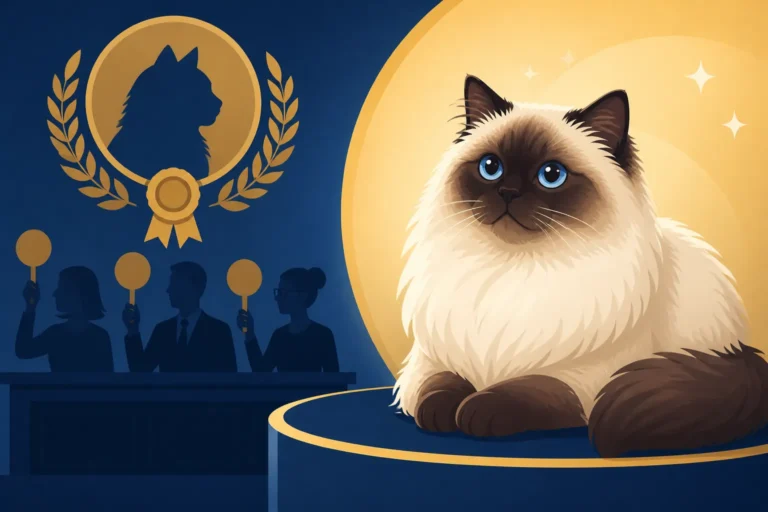
She meticulously documented her breeding lines, ensuring that her cats met the highest standards of health and conformation. She actively participated in cat shows, even if her early Himalayans weren't yet eligible for championship status, using these platforms to introduce judges and other breeders to the beauty and distinctiveness of her cats. Her efforts culminated in a historic moment when, in The Year CFA First Accepted the Himalayan, the Himalayan gained provisional recognition. This was a massive step, validating years of work by Goforth and other dedicated breeders, and signaling that the Himalayan was officially on its way to becoming a champion breed. It signified a shift from an experimental curiosity to a legitimate contender in the world of pedigreed cats.
Advocacy and Education
Goforth’s role extended far beyond her cattery. She understood that for the Himalayan to truly thrive, the entire cat fancy community needed to embrace it. This meant extensive advocacy and education. She spent countless hours speaking with other breeders, explaining the genetics behind the point coloration, and demonstrating the breed's stable temperament and unique charm. She patiently answered questions, dispelled misconceptions, and built a network of support among those who might otherwise have been skeptical of a "hybrid" breed.
She also championed the development of a coherent breed standard, a written description outlining the ideal physical characteristics of the Himalayan. This standard was essential for guiding future breeding efforts and for providing judges with clear criteria when evaluating the cats in the show ring. Her persuasive skills and deep knowledge of the breed were instrumental in shaping this standard, ensuring it accurately reflected the unique blend of Persian and Siamese traits that defined the Himalayan. Without her continuous efforts, it's doubtful that How Long the Himalayan Took to Reach Championship would have been as swift or as successful. She became the public face of the breed, a tireless champion whose dedication was impossible to ignore.
Laying the Foundation: Goforth's Breeding Program and Legacy
Marguerita Goforth’s practical contributions to the Himalayan breed were immense, rooted in her diligent breeding program. She wasn't just talking about the ideal Himalayan; she was actively creating it, shaping its genetic future through careful selection and thoughtful pairings.
Establishing Key Bloodlines
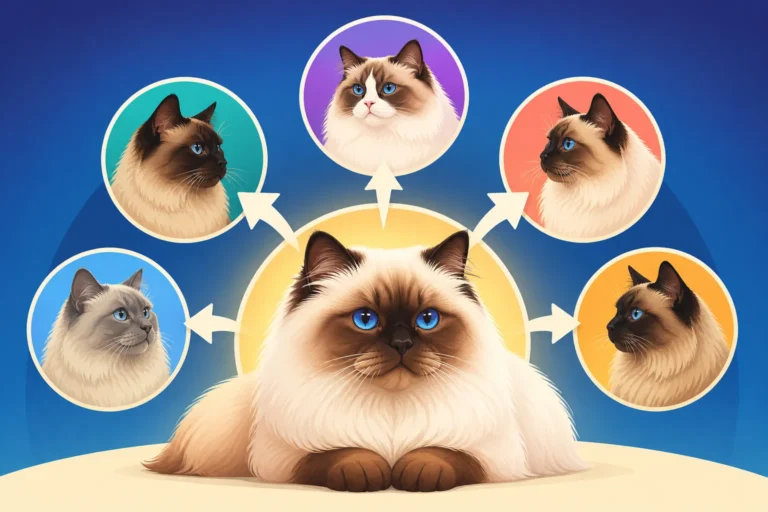
A successful breed isn't built on a single cat or even a handful. It requires a robust genetic foundation, a diverse yet consistent set of bloodlines that can perpetuate the desired traits without succumbing to genetic bottlenecks or health issues. Marguerita Goforth was a master at this. She meticulously selected breeding pairs, often tracking multiple generations to ensure that the unique combination of Persian type and Siamese coloring was consistently passed down. Her cattery became a cornerstone for the breed, producing many of the early champions and foundation cats that would go on to establish the Himalayan in homes and show halls across the country.
She understood the importance of a wide genetic pool, working with other pioneering breeders to exchange knowledge and sometimes even breeding stock. This collaborative spirit, spearheaded by her own extensive efforts, prevented the breed from becoming too inbred in its early, formative years. The cats from her cattery, known for their exceptional type and temperament, were highly sought after and contributed significantly to the gene pool of virtually every Himalayan cat alive today. She didn't just breed cats; she curated a living legacy, ensuring that the best characteristics of the nascent breed were amplified and stabilized for future generations.
Shaping the Breed Standard
Beyond producing beautiful cats, Goforth played a pivotal role in refining and solidifying the Himalayan breed standard. A breed standard is essentially the blueprint for what an ideal cat of that breed should look like, encompassing everything from head shape and eye color to coat length and body type. Her deep understanding of both Persian conformation and Siamese color genetics allowed her to advocate for a standard that truly honored the unique heritage of the Himalayan.
Her influence ensured that the standard emphasized the quintessential Persian "cobby" body and luxurious long coat, perfectly complemented by the distinct color points, which are cooler-toned areas on the face, ears, paws, and tail. She championed the requirement for brilliant blue eyes, a direct inheritance from the Siamese side, ensuring this striking feature remained a hallmark of the breed. This meticulous attention to detail in the standard not only guided her own breeding decisions but also became the guiding document for all future Himalayan breeders, ensuring that the breed developed with a consistent and recognizable appearance. The standard she helped shape defined what it meant to be a Himalayan, ensuring breeders focused on a balanced and healthy cat rather than just a pretty one. It's because of dedicated individuals like Goforth that the breed has endured, even through significant shifts like Why CFA Made the Himalayan a Persian Division in 1984.
The Himalayan's Ascent: Goforth's Lasting Impact
Marguerita Goforth's efforts transformed the Himalayan from a niche curiosity into a mainstream darling. Her vision and hard work set the stage for the breed's widespread popularity and ensured its enduring legacy in the cat world.
A Breed Transformed
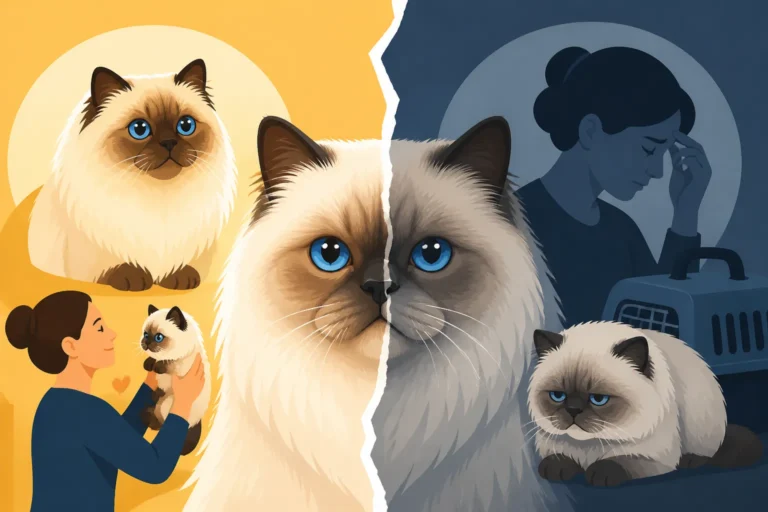
Before Goforth's focused efforts, the Himalayan was, for many, an abstract concept or an inconsistent oddity. After her advocacy and successful breeding program, it became a recognized champion, celebrated for its unique beauty and charming temperament. She literally transformed the perception of the breed, lifting it from the realm of experimental crosses to a revered position within the cat fancy. This wasn't just about winning ribbons in the show ring; it was about public perception and acceptance.
Her dedication created a demand for Himalayans, as more and more people saw their captivating appearance and learned about their gentle, affectionate nature. Breeders, inspired by her success, began to specialize in Himalayans, further solidifying the breed's presence and ensuring its continued development. From relatively few cats, How Many Himalayans Existed at Recognition grew significantly in the decades that followed, thanks to the groundwork laid by Goforth. She brought structure, purpose, and widespread appeal to a breed that might otherwise have faded into obscurity.
Enduring Influence on Modern Himalayans
Even today, the influence of Marguerita Goforth can be seen in every Himalayan cat. The foundational bloodlines she established continue to underpin many contemporary breeding programs. The breed standard, which she so diligently helped to shape, remains largely the same, a testament to her vision for the ideal Himalayan. Breeders across the globe still strive to produce cats that embody the characteristics she championed: the robust Persian body, the plush coat, the vibrant blue eyes, and the distinct point coloration.
Her legacy also lives on in the ethical breeding practices she advocated. Goforth understood the importance of health and temperament, not just aesthetics. Her emphasis on careful selection and genetic diversity helped establish a blueprint for responsible breeding that many still follow. When a modern Himalayan owner proudly watches their cat lounge on a sofa or interact gently with their family, they are, in a very real sense, witnessing the culmination of Marguerita Goforth's lifelong passion and unwavering commitment. Her work proved that a carefully planned crossbreed could not only gain acceptance but also achieve immense popularity and lasting respect, cementing the Himalayan's place as a truly unique and beloved companion. Even in today's world of readily available pet supplies from places like Chewy, the foundational care principles for Himalayans are built on ensuring their health and well-being, a commitment that Goforth championed from the very beginning.
Her foresight and dedication created a breed that continues to bring joy to countless homes. So, the next time you encounter a Himalayan, remember the remarkable woman who saw its potential and worked tirelessly to ensure its place in the world. It’s a story of passion, persistence, and profound impact, truly making her an indelible part of the Himalayan cat's rich history. While the debate over Whether the Himalayan Was Ever a Separate CFA Breed continues for some, her role in its initial establishment is undisputed. The convenience of today's pet world, where you can easily find specialized grooming tools or unique feeding bowls designed for flat-faced breeds, perhaps even on Chewy, underscores the lasting impact of ensuring these unique characteristics are understood and catered for. Her legacy even extends to guiding discussions about what defines the breed, and for decades, her work allowed breeders to flourish, shaping the genetics that are still managed today, often with the help of modern resources, perhaps even a well-stocked online store like Chewy, for all their specific needs.
Disclaimer
This article is for general informational purposes only and does not constitute professional advice. Laws, prices and regulations vary by location and change over time. Consult a qualified professional for guidance on your specific situation.