What PKD Did to Himalayan Lines Before the Gene Test
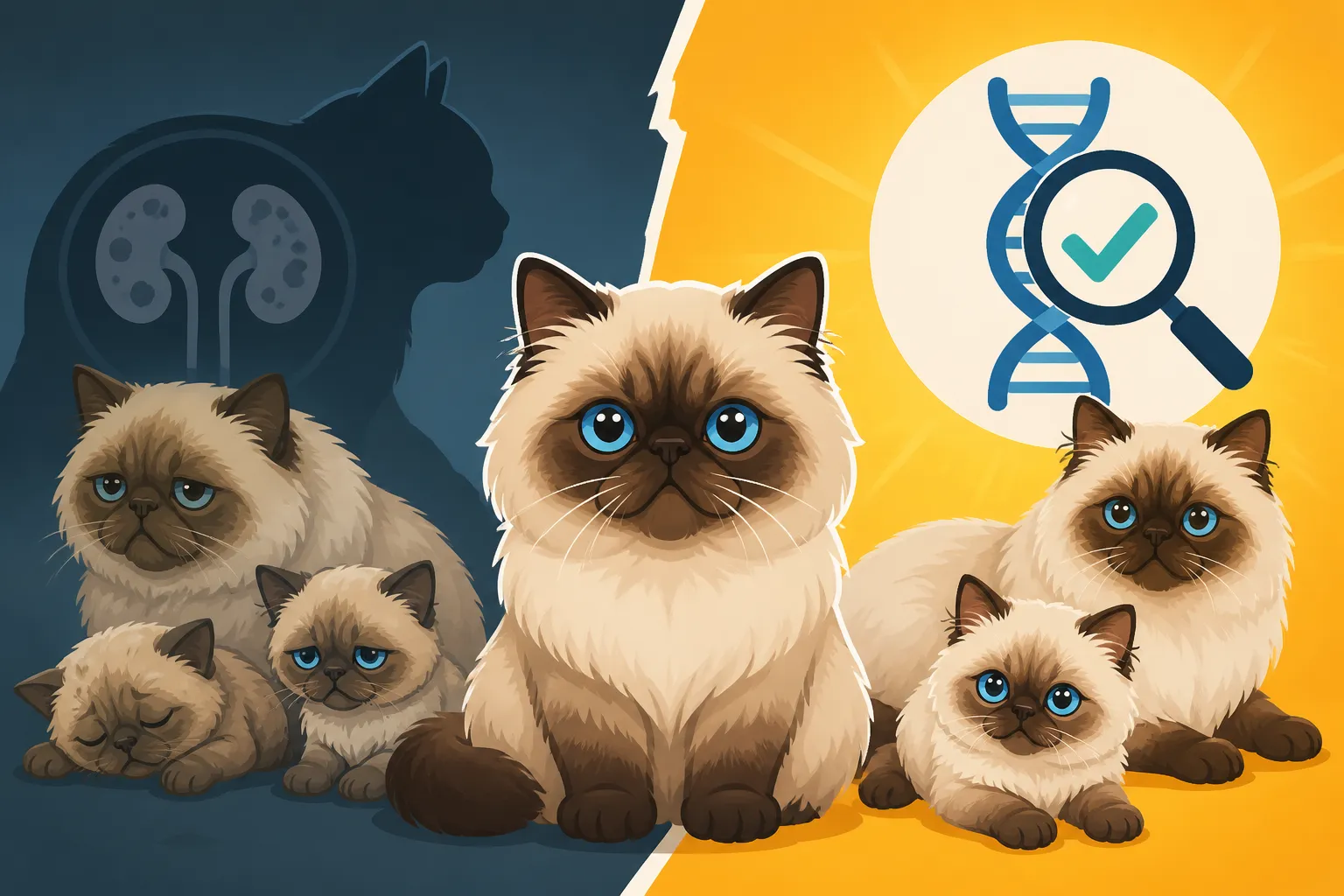
Before the revolutionary gene test for Polycystic Kidney Disease (PKD) became widely available, many Himalayan cat owners and dedicated breeders faced a devastating and often silent battle. This insidious genetic condition caused immense heartache, leaving families confused and without clear answers as their beloved cats slowly succumbed to kidney failure. This comprehensive guide will delve into the profound impact PKD had on Himalayan lines, exploring the frustrations, the heartbreaking losses, and the desperate search for solutions before modern science offered a definitive path forward.
The Hidden Threat: PKD's Silent Spread Through Himalayan Lines
Imagine bringing home a beautiful, fluffy Himalayan kitten, full of playful energy and charming purrs, only to face the agonizing reality years later that a ticking time bomb was quietly developing within its tiny kidneys. This was the crushing reality for many until fairly recently. Polycystic Kidney Disease, or PKD, wasn't just a random ailment; it was a deeply ingrained genetic issue that silently permeated breeding lines, causing widespread devastation before its true nature was fully understood or detectable. The lack of a clear diagnostic tool meant breeders and owners were largely in the dark, watching helplessly as the disease took its toll.
A Genetic Legacy from Persian Ancestors
It's no secret that the magnificent Himalayan cat owes much of its stunning appearance and serene temperament to its Persian heritage. Those long, flowing coats, the cobby bodies, and the expressive faces—they all trace back to the Persian side of the family tree. Unfortunately, with this cherished legacy also came a hidden genetic burden: PKD. The gene responsible for Polycystic Kidney Disease, specifically PKD1, is an autosomal dominant trait, which means a cat only needs to inherit one copy of the faulty gene from either parent to develop the disease. This made its spread particularly insidious. If even one parent carried the gene, there was a 50% chance their kittens would inherit it, becoming carriers themselves and eventually developing the disease. This was a critical piece of the puzzle that was largely unknown or unconfirmed for many years. Breeders, with the best intentions and often deeply committed to the health of their lines, simply didn't have the tools to identify these carriers. They might have seen seemingly healthy parents produce kittens who later developed kidney failure, leading to confusion and despair, unable to pinpoint the source of the problem.
The implications of this genetic inheritance were far-reaching. Imagine a prominent breeding queen or stud cat, highly prized for their perfect type, stunning coloration, and wonderful disposition. If this cat unknowingly carried the PKD1 gene, every single litter they produced had the potential to pass on this devastating condition. Even if a breeder meticulously screened for other common health issues, PKD remained a silent specter, undermining all their efforts. The gene was a stealthy intruder, hidden within the very DNA that made Himalayans so beautiful, and it made the task of breeding healthy cats a constant gamble. This really shows how Every Himalayan Inherits Two Disease Lists, Not One, and one of those, the PKD gene, was a significant problem coming from the Persian side.
The Insidious Nature of Polycystic Kidney Disease
What exactly is PKD, and why was it such a nightmare to contend with? At its core, PKD involves the formation and gradual enlargement of numerous fluid-filled cysts within the kidneys. These aren't just a few harmless bubbles; they grow over time, slowly displacing healthy kidney tissue until the kidneys can no longer perform their vital functions of filtering waste and regulating fluids. The truly insidious part is how slowly and quietly this process unfolds. A Himalayan cat could appear perfectly healthy, playful, and affectionate for years, with no outward signs of trouble. The cysts might be present from birth, but they are often microscopic, not causing any issues.
As the cat ages, however, these tiny cysts progressively expand. It’s like a slow leak that eventually floods the entire system. Owners would notice subtle changes: a bit more thirst, perhaps urinating a little more frequently, or a slight decrease in appetite. These symptoms are so general, so easily dismissed as minor age-related quirks or even behavioral changes, that the underlying kidney damage would often go undetected until it reached an advanced stage. By the time a cat was showing overt signs of kidney failure – severe lethargy, vomiting, significant weight loss – the damage was usually extensive and irreversible. This slow, progressive nature meant that many cats were already quite ill by the time a diagnosis was even suspected, leaving owners with very limited options and a heavy heart. The lack of early detection made it a truly heartbreaking disease to manage.
The Heartbreaking Reality: Symptoms and Diagnosis Before Testing
For years, diagnosing PKD in Himalayan cats was a process fraught with uncertainty, often coming too late to make a significant difference in a cat's prognosis. Owners and veterinarians were forced to rely on observable symptoms that were often vague and general, making it incredibly difficult to pinpoint the exact cause of a cat's declining health. It was a frustrating and emotionally taxing situation for everyone involved, highlighting the desperate need for more accurate diagnostic tools.
Vague Symptoms Masking a Serious Condition
Before the gene test, recognizing PKD was a guessing game based on clinical signs. The earliest symptoms were, to put it mildly, infuriatingly non-specific. You might notice your beloved Himalayan starting to drink a bit more water than usual, perhaps making more trips to the litter box. "Oh, maybe it's just getting older," you'd think, or "It's a warm day, it must be thirsty." They might seem a little more tired, less enthusiastic about playtime, or occasionally turn up their nose at their favorite meal. These subtle shifts are so easily attributable to a dozen other minor ailments or just normal fluctuations in a cat's behavior that it was nearly impossible to connect them definitively to a serious, underlying kidney problem.
As the disease progressed and the cysts continued to grow, destroying more and more healthy kidney tissue, the symptoms would become more pronounced. Owners might observe a persistent dullness in their cat's coat, a gradual loss of weight despite a seemingly normal appetite (or a slowly decreasing one), or intermittent vomiting. Yet, even these more serious signs could still be misinterpreted. A vet might explore dietary issues, dental problems, or other infections before kidney disease was seriously considered. The sheer ambiguity of these symptoms meant that many Himalayans were already in advanced stages of kidney failure by the time the real problem was uncovered, leaving families with precious little time to react or implement effective management strategies. It truly underscored the silent killer aspect of PKD, catching both owners and professionals off guard.
The Limitations of Early Diagnostic Methods
Once symptoms became more worrying, veterinarians would often turn to blood work and urinalysis to assess kidney function. Elevated kidney values (like BUN and creatinine) in blood tests and dilute urine would point strongly towards kidney disease. However, these tests only flag a problem once a significant amount of kidney function has already been lost – typically 60-75% damage. This meant that even with blood tests, early detection of PKD was still elusive. The primary imaging tool available was ultrasound, which allowed veterinarians to visualize the kidneys and look for the characteristic fluid-filled cysts. This was a monumental step forward, but it wasn't a perfect solution, especially in younger cats.
The problem with ultrasound was timing and size. While it could detect cysts, especially larger ones, very small cysts in young Himalayans might be missed entirely. This presented a huge dilemma for breeders. They might have a young, promising breeding cat that scanned "clear" at a year old, only for that cat to develop visible cysts and symptoms years later, having already produced several litters that could have inherited the gene. This uncertainty meant that even with regular ultrasound screenings, breeders couldn't be 100% sure a cat was truly clear of PKD, or that How Early Cysts Show on a Himalayan's Kidney Scan would be soon enough. The financial burden of repeated ultrasounds, combined with the lingering doubt, added immense stress to responsible breeding programs. Without a definitive, early test, the cycle of unknowing transmission continued, making it incredibly difficult to truly cleanse a bloodline of PKD.
The Devastation to Breeding Programs and Bloodlines
The silent nature of PKD and the limitations of early diagnostic tools had a profoundly damaging effect on Himalayan breeding programs. Dedicated breeders, striving to produce healthy, beautiful cats, were often unknowingly fighting an invisible enemy within their own catteries. This led to immense frustration, financial strain, and heartbreaking losses that impacted not just individual cats, but entire bloodlines and the reputation of the breed itself.
Unknowingly Perpetuating the Disease
Before the gene test, breeders operated largely on faith and the hope that their cats would remain healthy. They would carefully select breeding pairs based on temperament, conformation, and general health, often relying on previous generations' perceived health status. However, with PKD, a cat could carry the dominant gene and pass it on without ever showing symptoms itself, or not until much later in life, after it had already been used in breeding. This meant that even the most meticulous breeders, those who genuinely cared about the welfare of their cats, were inadvertently perpetuating the disease. A beautiful, champion-line female could produce several litters over her breeding career, passing on the PKD gene to half of her offspring in each litter, entirely unbeknownst to her human caretakers.
The tragic cycle would continue as these affected offspring, once mature, might then be bred themselves, further embedding the gene into the breed's genetic pool. There was simply no way to break the chain effectively without knowing who the carriers were. This reality was incredibly disheartening. Breeders poured their hearts, time, and resources into their catteries, striving for excellence, only to be ambushed by a genetic condition they couldn't detect or control. The helplessness must have been immense, leading to situations where even well-established lines, celebrated for their beauty and pedigree, were unknowingly harboring the PKD gene, causing a widespread and difficult-to-trace health crisis. This is why understanding Why PKD Needs Only One Copy in a Himalayan is so crucial, as it explains how easily the disease could spread.
Loss of Valuable Bloodlines and Reputations
The consequences of unknowingly breeding PKD-affected Himalayans extended beyond individual cats. Entire bloodlines, carefully cultivated over generations, could become tainted. When kittens or adult cats from a particular cattery repeatedly developed PKD, it had a devastating impact on the breeder's reputation and credibility. Buyers, understandably, became wary, and the trust that is so vital in the breeding community began to erode. Breeders who discovered their lines were affected faced an agonizing choice: continue breeding and risk perpetuating the disease, or remove valuable cats from their programs, potentially sacrificing years of selective breeding and unique genetic traits.
The financial strain was also immense. Not only were there the costs associated with repeated vet visits, diagnostics, and palliative care for affected cats, but there was also the economic loss of future litters from affected breeding animals that had to be retired. Imagine investing years into developing a particular look or temperament within your Himalayans, only to find that the foundation of your program carries a fatal genetic flaw. This often meant starting from scratch, or at least re-evaluating and rebuilding with extreme caution. The emotional toll was arguably even greater than the financial one. Breeders are deeply attached to their cats, and watching them suffer from a preventable disease, knowing you might have unwittingly played a part in its transmission, was truly heartbreaking. The collective experience of breeders across the globe grappling with PKD without a gene test led to many discussions and efforts, ultimately shaping What PKD Did to Himalayan Lines Before the Gene Test, spurring a desperate search for solutions.
Living with PKD Positive Himalayans: A Difficult Path
For those who owned Himalayans diagnosed with PKD before the gene test, the journey was often one of profound sadness and relentless effort. There was no cure, only management, and that management was reactive, responding to symptoms as they arose, rather than proactively preventing the disease. Owners became caregivers, navigating a complex and emotionally taxing path as they watched their beloved feline companions slowly succumb to this progressive illness.
Managing a Progressive, Incurable Disease
Once a Himalayan was diagnosed with PKD, particularly in its advanced stages, the focus shifted entirely to palliative care. The goal was to manage the symptoms and maintain the cat's quality of life for as long as possible, knowing that the underlying kidney damage could not be reversed. This often involved a strict regimen of dietary changes, typically low-protein, low-phosphorus diets specifically formulated for kidney support. These special foods were designed to reduce the workload on the failing kidneys and slow the progression of the disease. For owners, this meant carefully monitoring food intake, dealing with picky eaters, and often sourcing specialized and more expensive prescription diets.
Beyond diet, medical interventions became necessary. Cats would often need medications to control nausea, stimulate appetite, or bind phosphorus in their diet. Many also required subcutaneous fluid therapy, where owners would administer fluids under the skin at home, usually several times a week, to help keep their cats hydrated and flush toxins from their system. This was a huge commitment, both in terms of time and emotion, requiring owners to learn medical procedures and integrate them into their daily lives. The process was exhausting and emotionally draining, witnessing their cat's gradual decline despite their best efforts. This daily struggle truly encapsulates what it means to be Living With a Himalayan That Inherited the Persian Kidney Gene. When faced with these intense care needs and the associated costs, having a comprehensive pet insurance plan from a provider like Healthy Paws can be a real lifesaver, helping to ease the financial burden of managing a chronic condition.
The Emotional Burden on Owners and Breeders
Beyond the practical challenges, the emotional toll of living with a PKD-positive Himalayan was immense. Owners faced a constant battle of hope and despair. Every good day was a blessing, but every bad day brought the stark reality of the disease closer. The guilt could be overwhelming – wondering if they had missed early signs, if they could have done something more, or if they had unknowingly contributed to their cat's suffering by choosing a kitten from an untested line. The bond with a Himalayan is deep; they are affectionate, loyal companions, and watching them lose their vibrancy and comfort was heartbreaking.
For breeders, the emotional burden was arguably even heavier. They felt a profound sense of responsibility for the health of the animals they brought into the world. Discovering that a cat they bred, or a cat from their lines, was suffering from PKD could lead to immense distress, guilt, and even shame. They grappled with the ethics of continuing to breed animals when there was a risk of passing on such a devastating condition. The difficult decisions surrounding euthanasia, when quality of life deteriorated beyond an acceptable point, were agonizing. There was no easy answer, and often, little support beyond their immediate veterinary team. This period was truly a dark age for the breed, marked by uncertainty, sorrow, and a desperate longing for a definitive solution to stop the relentless march of PKD through their beloved Himalayans.
The Dawn of Hope: The Gene Test Changes Everything
The landscape of Himalayan breeding and ownership was forever altered by the advent of the gene test for PKD. It was a scientific breakthrough that swept away years of uncertainty, giving breeders and owners a clear, decisive tool to combat this insidious disease. The gene test wasn't just another diagnostic method; it was a beacon of hope, empowering the community to take proactive steps towards eradicating PKD from Himalayan lines.
A Simple Swab, a Definitive Answer
The introduction of a reliable DNA test for Polycystic Kidney Disease was nothing short of a revolution. Suddenly, the vague symptoms, the inconclusive ultrasounds, and the agonizing wait for signs of kidney failure became relics of the past. The gene test offered a definitive answer, and the best part? It was incredibly simple. All it required was a quick, non-invasive cheek swab from the cat. This small sample contained enough DNA to determine, with almost 100% accuracy, whether a cat was genetically clear of PKD, whether it was a carrier (meaning it had one copy of the faulty gene and would develop the disease), or whether it was genetically affected (having two copies, though this is rare given its dominant nature and usually results in severe early onset).
This simplicity and accuracy changed everything. Breeders could now test their breeding stock long before any symptoms might appear, sometimes even as kittens. This meant they could confidently identify and remove carriers from their breeding programs, ensuring that future generations would be born free of the PKD gene. The relief was palpable throughout the Himalayan community. No more guessing, no more relying on the delayed evidence of an ultrasound that might miss tiny cysts. The gene test provided a crystal-clear genetic blueprint, allowing for truly informed breeding decisions. It was a simple solution that addressed a complex problem head-on, effectively making a clear declaration that Why a Cheek Swab Clears a Himalayan for PKD was the new standard.
The Path to Eradication and Healthier Futures
With the gene test in hand, responsible Himalayan breeders finally had a powerful weapon against PKD. The strategy became straightforward: test all breeding cats. Any cat identified as a carrier or affected by the PKD gene could be responsibly spayed or neutered and enjoyed as a beloved pet, but removed from the breeding pool. By consistently breeding only PKD-negative cats, the prevalence of the disease in breeding lines could be drastically reduced, and eventually, eliminated entirely. It truly put the power back in the hands of the breeders, allowing them to make ethical and impactful choices for the long-term health of the breed. This practice highlights Why Two Clear Parents End PKD in a Himalayan Line.
This shift had a dramatic and rapid impact. Within a relatively short period, many reputable Himalayan catteries were able to declare their lines "PKD-free." Prospective kitten buyers could now, and absolutely should, ask for proof of PKD genetic testing for both parents. This transparency became a cornerstone of responsible breeding, and breeders proudly presented the necessary certificates, offering peace of mind to new owners. The gene test not only saved countless cats from a painful end but also restored faith in the integrity of Himalayan breeding. It transformed the future, paving the way for healthier, happier Himalayans who could live out their years without the looming threat of kidney failure. This commitment to testing and transparency protects both the cats and their future families, and it's why asking for Which Two Certificates a Himalayan Breeder Owes You is so important today. Additionally, pet insurance options, like those from Healthy Paws, have adapted to this era of genetic testing, offering comprehensive coverage that helps owners manage health needs from kittenhood through their senior years, recognizing the importance of proactive health management.
The Lasting Impact and Lessons Learned
The story of PKD in Himalayan cats, from its hidden prevalence to its eventual control through genetic testing, is a profound lesson in responsible breeding and the power of scientific advancement. It wasn't just about saving a breed from a devastating disease; it was about fundamentally changing the approach to feline genetics and health within the entire pedigree cat world.
A Paradigm Shift in Responsible Breeding
The success in combating PKD in Himalayans set a new benchmark for responsible breeding practices across many cat breeds, and indeed, dog breeds too. It demonstrated unequivocally the immense value of genetic health screening. No longer was it acceptable to breed simply based on appearance or perceived health; ethical breeding now demanded a thorough understanding of genetic predispositions and the use of available tests to prevent inherited diseases. This paradigm shift encouraged breeders to become more educated about genetic science, to collaborate with researchers, and to openly share health information within their communities.
The experience with PKD emphasized that a beautiful cat isn't truly beautiful if it carries the burden of a debilitating genetic illness. It pushed breeders to prioritize health as much as, if not more than, conformation and temperament. This new standard helped to raise the bar for animal welfare in the pedigree world, promoting transparency and accountability. Today, if a breeder isn't testing for relevant genetic diseases, it's a major red flag, and that standard was largely influenced by the difficult lessons learned from PKD's reign over Himalayan lines.
A Reminder of the Importance of Genetic Health
The history of Polycystic Kidney Disease in Himalayan cats serves as a powerful and enduring reminder of why genetic health should always be at the forefront of breeding decisions. It illustrates how devastating an inherited disease can be when it goes undetected and unaddressed for generations. The suffering endured by countless Himalayans and their families, the heartache experienced by dedicated breeders, all highlight the critical importance of understanding and acting upon genetic information.
This journey from uncertainty to clarity, from widespread disease to near eradication, is a testament to the dedication of scientists, veterinarians, and passionate cat lovers. It underscores that while beauty and personality are cherished traits, they must never come at the expense of a cat's inherent right to a healthy, pain-free life. The legacy of PKD in Himalayans is one of tragedy turned triumph, a compelling narrative that continues to educate and inspire the responsible care and breeding of all our beloved feline companions, ensuring that we continue to track How a Himalayan's Kidney Numbers Are Tracked From Five and other vital health markers for the duration of their lives.
Disclaimer
This article is intended for informational purposes only and does not constitute veterinary advice. Always consult with a qualified veterinarian for any health concerns or before making any decisions about your pet's care.