Why an Ultrasound Still Backs Up a Himalayan’s Gene Test
It’s a common moment of confusion for many Himalayan cat parents: you’ve gone through the trouble of getting a genetic test for Polycystic Kidney Disease (PKD), maybe even picked a kitten from tested parents, and now your vet is suggesting an ultrasound. You might be thinking, "But wait, isn't the gene test supposed to tell us everything? Why do we need another test?" This guide is here to unravel that mystery, explaining why an ultrasound isn't just a redundant extra step, but a crucial piece of the puzzle that backs up and complements your Himalayan’s gene test results, providing the most complete picture of their kidney health.
Understanding PKD in Himalayans: The Genetic Imperative
First, let's dive into what PKD is and how the genetic test works. It’s important to grasp this foundation before we explore the ultrasound's role.
The Single Gene and How it Works
Polycystic Kidney Disease, or PKD, is a truly sneaky and devastating inherited condition that’s far too common in Persian-derived breeds, including our beloved Himalayans. It's caused by a single, autosomal dominant gene, specifically referred to as PKD1. What does "autosomal dominant" mean for us as cat parents? It means that if your Himalayan inherits just one copy of this faulty gene from either parent, they will develop PKD. There's no escaping it if the gene is present. This isn't like some conditions where a cat needs two copies to be affected; one is enough to guarantee those dreaded cysts will start forming. This is a critical point that breeders now rigorously test for, given the history where What PKD Did to Himalayan Lines Before the Gene Test was a serious issue.
The Reliability of the Gene Test
The genetic test for PKD is incredibly accurate at one thing: detecting the presence or absence of the PKD1 gene itself. It's usually a simple cheek swab, making it non-invasive and easy to perform, even on tiny kittens. You send it to a specialized lab, and they analyze the cat's DNA. The results will tell you definitively if your Himalayan carries the PKD1 gene (positive) or if they do not (negative). If a cat tests negative, it's a huge sigh of relief – they will not develop PKD due to this specific gene. This is why it's such a foundational test and why breeders of Himalayans and Persians who are committed to the health of their lines will ensure their breeding cats are tested and Why Two Clear Parents End PKD in a Himalayan Line. It's a game-changer for eliminating the disease from future generations. You can learn more about this by understanding How a Himalayan Is Swabbed for the Persian Kidney Gene.
Why the Gene Test Isn't the Whole Picture: The Role of Expression
So, if the gene test is so accurate, why would a vet still recommend an ultrasound? This is where the difference between having the gene and the physical manifestation of the disease comes into play.
Cyst Development Isn't Instant
The genetic test tells you if the potential for cysts exists, but it doesn't tell you if they have actually formed yet, or how large they are. PKD is characterized by the growth of fluid-filled sacs, or cysts, within the kidneys. These cysts aren't present at birth, or at least not usually visible. They start microscopic and gradually enlarge over time, often years. A cat can test positive for the PKD1 gene but might not show any visible cysts on an ultrasound until they are a few months old, or even much older. This delay in phenotypic expression – meaning the physical appearance of the disease – is a key reason why the ultrasound remains indispensable. The gene is there, but the disease progression is a dynamic process.
Variability in Disease Progression
Another crucial factor is the sheer variability in how PKD manifests. Not all cats with the PKD1 gene will have the same experience. Some Himalayans might develop numerous, rapidly growing cysts that severely impair kidney function relatively early in life, sometimes even leading to How Young a Himalayan Can Go Into Kidney Failure. Others might only develop a few small cysts that grow very slowly and may not cause significant problems until much later in their lives, or even at all.
This variability can be influenced by other genetic modifiers, environmental factors, diet, or even just the individual cat's physiology. The gene test tells you "yes, the blueprint is there," but it doesn't give you a timeline or a severity prediction. An ultrasound, however, shows you the current reality of the kidneys. It literally gives you a snapshot of how many cysts are present, their size, and their location. This visual information is vital for managing the cat's health proactively, especially when you're dealing with conditions like How Kidney Cysts Grow on a Himalayan's Scan.
Catching Early Onset or 'Late Bloomers'
While the gene test is definitive for PKD1, there are incredibly rare instances of non-PKD1 kidney issues that could mimic some symptoms. More commonly, for a PKD1-positive cat, the ultrasound helps identify how early the cysts are appearing and growing. For breeders, this is particularly important: while a kitten's parents might have tested clear for PKD, if a rare de novo mutation occurred or another, unknown kidney issue is at play, an ultrasound can catch it.
For a pet owner, if your Himalayan is gene-positive, regular ultrasounds help establish a baseline. You can know, for example, that at two years old, your cat had only a couple of small cysts, which allows your vet to monitor for changes. If those cysts suddenly grow larger or multiply at their next annual check, it provides actionable data. This is how early intervention can make a significant difference in prolonging a good quality of life for a cat Living With a Himalayan That Inherited the Persian Kidney Gene.
The Ultrasound's Unique Contribution: Visualizing the Reality
An ultrasound is more than just a confirmation; it’s a detailed map of your cat's kidneys, providing information no gene test ever could.
Mapping the Kidneys: What an Ultrasound Reveals
When your Himalayan undergoes an ultrasound, a trained veterinary sonographer or veterinarian uses sound waves to create real-time images of the internal organs. For PKD, this means a detailed view of the kidneys. The ultrasound can pinpoint:
- Presence of Cysts: It directly shows if cysts have developed. Even tiny ones, sometimes too small to feel manually, can be identified.
- Size and Number of Cysts: This is critical. Are there one or two small cysts, or are the kidneys riddled with many large ones? This information helps determine the stage of the disease.
- Location of Cysts: Are they in one kidney or both? Are they near critical structures?
- Kidney Size and Architecture: The ultrasound can assess the overall size, shape, and internal structure of the kidneys. Are they enlarged, shrunken, or irregular? This can indicate chronic kidney changes even beyond just cysts.
- Perfusion and Blood Flow: Doppler ultrasound can even assess blood flow within the kidneys, offering insights into their function.
Think of it this way: the gene test tells you if the enemy is in the building. The ultrasound shows you where the enemy is, how many there are, and how big their weapons are. This visual evidence provides a tangible, current state of your cat's kidney health, which is vital. This is why even if you have a How to Read a Himalayan's PKD Certificate that says "negative", if your cat ever showed symptoms, an ultrasound would be the next diagnostic step.
Monitoring Progression and Size
For a Himalayan that tests positive for the PKD1 gene, regular ultrasounds become a cornerstone of their health management plan. They allow the vet to:
- Track Growth: Cysts grow. Ultrasounds provide a way to measure them over time. Is a small cyst growing rapidly, or remaining stable?
- Identify New Cysts: Sometimes new cysts can develop or become visible later. Serial ultrasounds can catch these.
- Assess Impact on Kidney Function: While blood work and urinalysis give numerical values for kidney function, the ultrasound provides the anatomical context. If blood values start to change, the ultrasound can show if it's due to growing cysts or other kidney issues. This is especially important as How Early Cysts Show on a Himalayan's Kidney Scan can vary significantly.
This ongoing monitoring helps to understand the individual progression of PKD in your particular cat, rather than relying on generalized statistics. It’s a personalized approach to a highly variable disease.
Guiding Management and Treatment
The information gleaned from an ultrasound directly impacts your vet's recommendations for managing your Himalayan's health.
- Dietary Changes: If cysts are growing and impacting function, a vet might recommend a prescription renal diet earlier. Which Renal Diet a Cyst Positive Himalayan Ends Up On is a serious consideration.
- Medication: Certain medications can help manage symptoms like high blood pressure, common in kidney disease, or phosphate binders if levels are rising.
- Fluid Therapy: In advanced cases, subcutaneous fluids might be necessary. The ultrasound helps determine the appropriate time to start such interventions.
- Lifestyle Adjustments: Ensuring access to fresh water, managing stress, and preventing dehydration become even more critical.
Without the visual evidence from an ultrasound, treatment decisions would be based on less complete information, potentially delaying crucial interventions. This is where pet insurance providers like Healthy Paws can be incredibly helpful. If your cat is gene-positive, having a plan that covers regular diagnostics and potential long-term care can make a huge difference, reducing the financial stress of managing a chronic condition.
Integrating Both Tests for Comprehensive Care
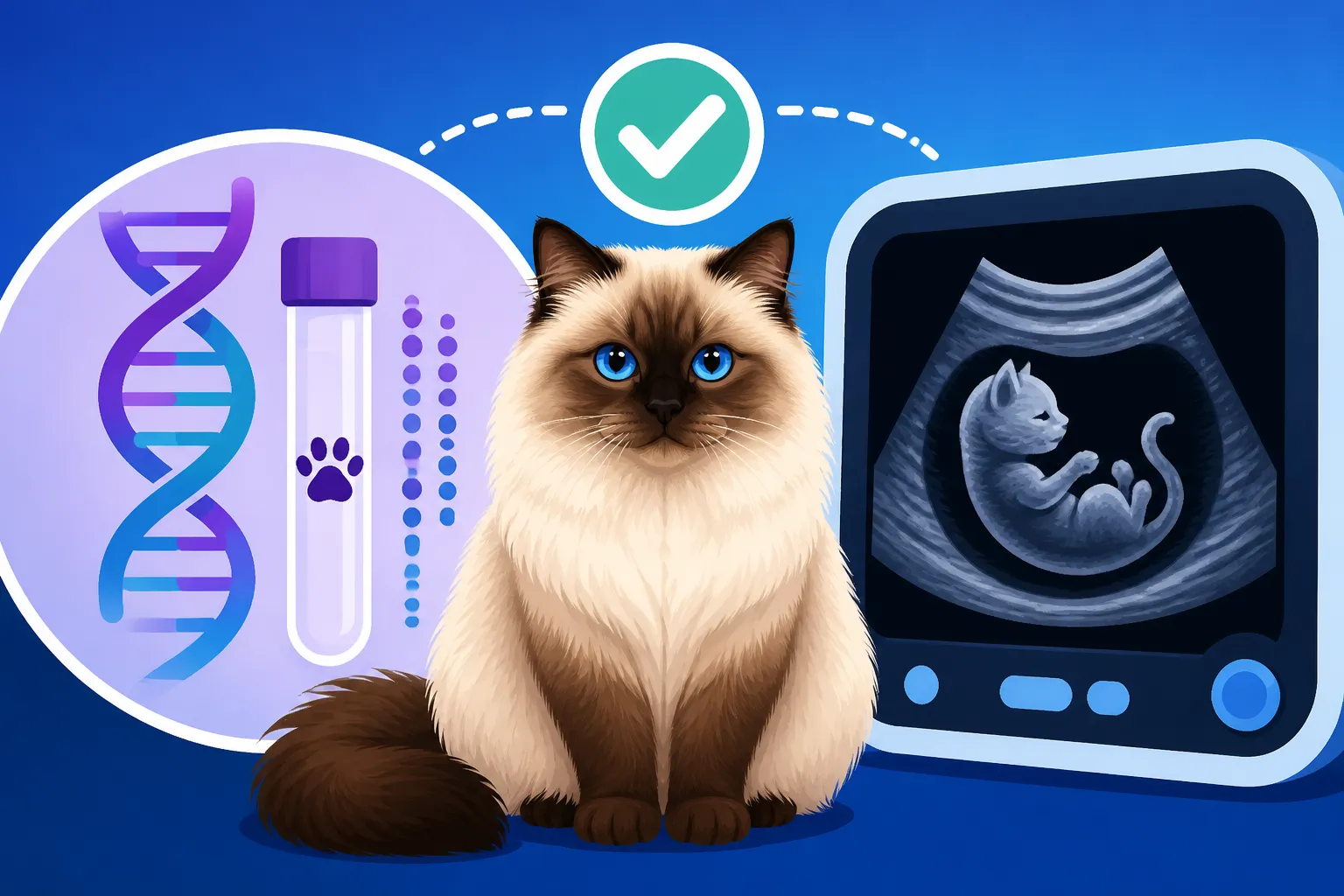
The key takeaway here is that the gene test and the ultrasound are not mutually exclusive; they are complementary tools that, when used together, provide the most comprehensive picture of your Himalayan's kidney health.
The Best Practice Approach: Gene Test for Presence, Ultrasound for Manifestation
Think of it as a two-pronged attack on a complex disease.
- The Gene Test (DNA Test): This is your definitive "Is it possible?" answer. It confirms whether your Himalayan carries the PKD1 gene. This is crucial for breeders to make informed decisions and for new owners to understand the potential genetic predisposition. What Testing a Himalayan for PKD and the Eyes Costs often includes this fundamental gene test.
- The Ultrasound: This is your "What's happening right now?" answer. It visually confirms the presence and progression of cysts in the kidneys. It tells you the physical reality of the disease in your individual cat at a specific point in time.
For a responsible pet parent, especially with a breed prone to PKD, understanding both aspects is paramount. A negative gene test is fantastic news and means you likely won't need to worry about PKD1, though regular check-ups are always good. A positive gene test means you have the genetic predisposition, and routine ultrasounds are then essential for proactive management. This comprehensive approach is particularly vital given that even Whether a PKD Positive Himalayan Should Ever Be Bred is a question that requires careful ethical consideration in the breeding community.
Establishing a Baseline and Follow-Up Schedule
So, how do you put this into practice?
- Initial Gene Test: Ideally, this is done before breeding, or for a new kitten, the breeder provides results. If not, it's a great initial step for any Himalayan owner.
- First Ultrasound (if gene-positive or unknown status): Many vets recommend an initial ultrasound around 6-12 months of age if the cat is gene-positive, or if the genetic status is unknown but there's a family history. This establishes a baseline. Even if no cysts are visible then, it's a valuable starting point.
- Regular Follow-Up Ultrasounds: For gene-positive Himalayans, typically annual or bi-annual ultrasounds are recommended. The frequency will depend on the initial findings and the vet's assessment. This allows for early detection of cyst growth and progression, ensuring timely intervention. Again, services from providers like Healthy Paws can ease the burden of these routine but vital checks.
- Integration with Bloodwork/Urinalysis: Ultrasounds should always be considered alongside routine blood tests (like BUN, creatinine, phosphorus) and urinalysis, especially as your Himalayan ages or if kidney issues are suspected. These tests provide the functional data, while the ultrasound provides the structural data. Which Blood Values a Himalayan's Kidney History Demands becomes increasingly important after five years of age.
| Test Type | What it Tells You | When it's Performed | Purpose |
|---|---|---|---|
| Gene Test | Presence/Absence of PKD1 gene | Once in a cat's lifetime (usually as a kitten or before breeding) | Confirms genetic predisposition |
| Ultrasound | Presence, size, number, and location of kidney cysts | Typically starts at 6-12 months, then annually/bi-annually | Visualizes physical manifestation and monitors progression over time |
| Bloods/Urine | Kidney function (creatinine, BUN, phosphorus, etc.) | Annually for older cats or when issues are suspected | Assesses functional capacity and metabolic impact |
This systematic approach provides the best possible care for your Himalayan, allowing for proactive rather than reactive management of their kidney health.
It's clear that while the genetic test for PKD has revolutionized breeding practices and given owners invaluable information, it doesn't replace the need for an ultrasound. The gene test tells us if the potential for PKD exists, but the ultrasound shows us the physical reality of those potential cysts. It monitors their development, tracks their growth, and guides crucial management decisions. By embracing both diagnostics, we, as Himalayan cat parents, can ensure our cherished companions receive the most comprehensive, informed, and loving care throughout their lives, helping them thrive despite the challenges this breed can face. Planning ahead for potential costs, perhaps through pet insurance like Healthy Paws, can also provide peace of mind in this journey.
Disclaimer
This article is for general informational purposes only and does not constitute professional advice. Laws, prices and regulations vary by location and change over time. Consult a qualified professional for guidance on your specific situation.