How Often a Himalayan’s Crowded Mouth Needs Cleaning
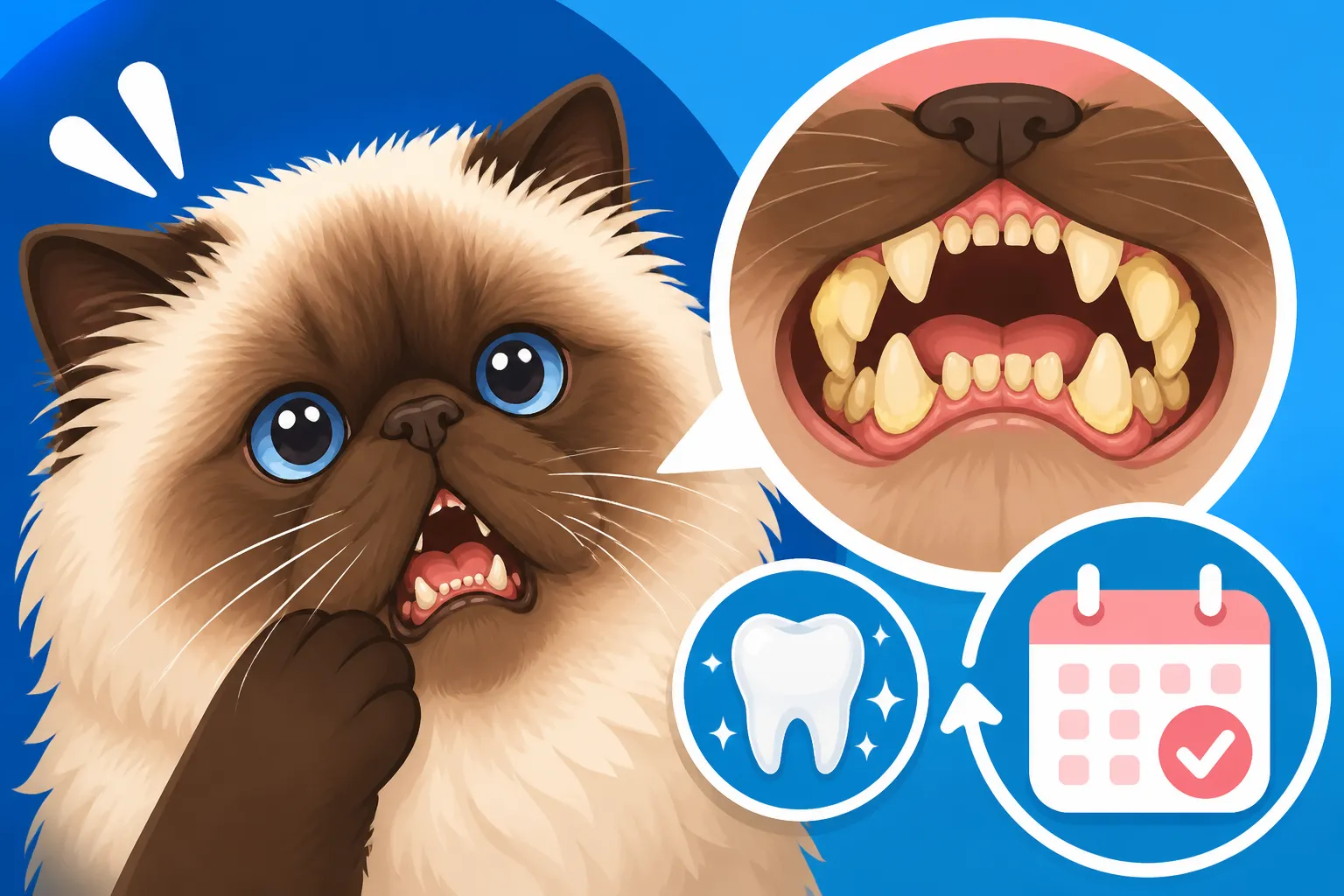
One of the most disheartening things for any Himalayan cat parent is discovering that their beloved feline friend is in pain, especially when it comes to something as fundamental as their mouth. Due to the unique structure of their flat faces, Himalayans often contend with significantly crowded teeth, making them particularly prone to dental disease. This guide is here to shed light on why their dental care is so critical, and precisely how often a Himalayan's crowded mouth needs cleaning to keep them healthy and comfortable.
Understanding the Unique Challenges of a Himalayan's Mouth
It's a common misconception that all cat mouths are created equal, but for Himalayan owners, this couldn't be further from the truth. The beautiful, distinct look of a Himalayan's face, with its charmingly flat profile, unfortunately comes with some very specific anatomical challenges, especially concerning their oral health.
The Inherited Crowding: A Persian Legacy
Our gorgeous Himalayans inherit many traits from their Persian ancestors, including that wonderfully dense coat, those captivating blue eyes, and yes, that characteristically flat face. While adorable, this brachycephalic (short-nosed, flat-faced) structure means their skull is significantly shorter than that of a domestic shorthair cat. The problem is, they still have the same number of teeth—30 adult teeth, to be exact—as any other cat. Imagine trying to fit all your furniture into a much smaller room; it's going to be a tight squeeze!
This anatomical reality directly leads to teeth that are often rotated, misaligned, or packed too closely together. If you've ever peered into your Himalayan's mouth, you might have noticed their lower canines jutting out a bit or teeth that seem to overlap. This crowding creates nooks and crannies that are perfect hiding spots for food particles and bacteria, making it incredibly difficult for your cat's natural chewing action or even diligent at-home brushing to reach and clean effectively. This is why understanding How Crowded a Himalayan's Lower Jaw Gets is so important for owners.
The Cascade of Dental Problems from Overcrowding
The inevitable consequence of a crowded mouth is a significantly increased risk of dental disease. It’s not just about a bit of bad breath; it's a progressive and often painful condition that can seriously impact your Himalayan's overall health and quality of life.
Firstly, those hard-to-reach areas quickly accumulate plaque, a sticky film of bacteria, food particles, and saliva. If not removed, plaque hardens into tartar (calculus) within days. Tartar, with its rough surface, attracts even more plaque, creating a vicious cycle. Because of the crowding, this process often happens faster and more aggressively in Himalayans compared to breeds with longer, more spacious muzzles. This is also why Why a Himalayan Needs Dentals Earlier Than a Siamese is a common concern among owners.
This build-up doesn't just sit on the tooth surface. It creeps under the gum line, leading to gingivitis – inflammation and redness of the gums. Left untreated, gingivitis progresses to periodontal disease, a destructive process that attacks the tissues and bone supporting the teeth. It's incredibly painful, causes chronic infection, and eventually leads to loose teeth and tooth loss. You might notice your cat suddenly drops food onto its ruff or is reluctant to chew. Furthermore, the bacteria from severe periodontal disease can enter the bloodstream and travel to other organs, potentially causing serious issues in the kidneys, heart, and liver. So, while it starts in the mouth, the implications of poor dental health are far-reaching for your precious Himalayan.
Establishing a Consistent Dental Care Routine
Given the inherent challenges of a Himalayan's crowded mouth, dental care isn't just a recommendation; it's a critical part of their daily and annual health regimen. Ignoring it will almost certainly lead to pain and serious health issues down the line.
Daily Home Care: Your First Line of Defense
Let's be realistic: getting a cat to willingly accept a toothbrush can feel like trying to herd… well, cats! But for Himalayans, daily home care is not just beneficial, it's absolutely essential to slow down the progression of dental disease. Think of it as brushing your own teeth – you wouldn't just go to the dentist once a year and call it good, right?
The gold standard for at-home care is daily tooth brushing. Yes, daily. This physically removes plaque before it has a chance to harden into tartar. You'll need a cat-specific toothbrush – look for one with a small head or even a finger brush that can maneuver around those crowded teeth. Remember, human toothpaste is a no-go; it contains fluoride and other ingredients harmful if swallowed. Always use a veterinary-approved, cat-safe enzymatic toothpaste.
Here’s a gentle approach to getting started:
- Start Slow and Young: Ideally, begin when your Himalayan is a kitten, making it a positive experience with treats and praise.
- Finger First: Introduce the taste of the toothpaste by letting them lick a tiny bit off your finger. Then, gently rub a small amount on their gums and teeth with your finger.
- Introduce the Brush: Once they tolerate your finger, transition to a soft-bristled cat toothbrush. Focus on the outside surfaces of the teeth, especially the upper molars and canines, as these tend to accumulate the most plaque. Don't worry too much about the inside surfaces; your cat's tongue often helps with those.
- Short and Sweet: Aim for short sessions (even 30 seconds per side is a win!) and gradually increase the duration as your cat becomes more comfortable.
- Positive Reinforcement: Always end with praise, cuddles, and their favorite treat.
I know, it sounds daunting. But consistency is key. Even if you can only manage brushing a few times a week, it's far better than nothing. For some Himalayans, brushing might always be a battle. In those cases, discuss alternatives with your vet, such as dental wipes, oral rinses, or gels that can help reduce bacteria. However, these are generally considered adjuncts to brushing, not complete replacements. They simply don't have the mechanical plaque-removing power of a brush.
Professional Dental Cleanings: A Crucial Necessity
Despite your best efforts with at-home brushing, professional dental cleanings under anesthesia will be a crucial, and unavoidable, part of your Himalayan's health regimen. Because of What a Persian Jaw Does to a Himalayan's Bite, those crowded teeth make it almost impossible to prevent tartar buildup completely.
During a professional dental cleaning, your veterinarian can thoroughly examine every tooth, scale away plaque and tartar both above and below the gum line using ultrasonic and hand instruments, and polish the tooth surfaces to make them smooth and less prone to future plaque adhesion. X-rays are also vital to assess the health of the tooth roots and jawbone, revealing issues like root resorption or hidden infections that aren't visible to the naked eye. This process often uncovers problems that require extractions, saving your cat from significant pain. It's often during these cleanings that owners find out How Many Teeth a Himalayan Has Lost by Ten due to unmanaged disease.
So, how often should your Himalayan have a professional dental cleaning?
For most Himalayans, an annual professional dental cleaning is a good starting point. However, due to their predisposition for rapid plaque and tartar accumulation, many may require cleanings every six to nine months. Factors like the severity of their crowded jaw, their diet, and your diligence with home care will all play a role. Your vet will be able to assess your individual cat's needs during their regular check-ups.
It’s important to note that any procedure involving anesthesia carries some risk. However, modern veterinary anesthesia protocols are incredibly safe, especially with proper pre-anesthetic screening. This usually includes bloodwork to ensure your cat's organs, particularly the kidneys and liver, are functioning well enough to process the anesthetic drugs. This is especially important for Himalayans, given potential breed-specific health considerations. Always discuss any concerns you have about anesthesia with your vet. Given the complexity and potential costs, many Himalayan owners find pet insurance, like Healthy Paws, invaluable for covering such necessary procedures.
Factors That Influence Your Himalayan's Dental Schedule
While we've established that Himalayans generally need more frequent dental care, the exact schedule isn't a one-size-fits-all situation. Several factors can influence how often your particular cat will need professional cleanings and how rigorous your home care needs to be.
Individual Genetics and Oral Conformation
Just as people have different dental needs, so do Himalayans. While they all share the brachycephalic trait, the degree of facial flattening and subsequent jaw crowding can vary significantly from one cat to another. Some Himalayans might have a slightly less severe facial structure, offering a bit more room in their mouths, while others exhibit extreme crowding. This is why What a Doll Face Himalayan's Profile Measures and What a Peke Face Himalayan's Profile Measures are distinct categories. A cat with more severe crowding will almost inevitably accumulate plaque and tartar faster, requiring more frequent interventions.
Additionally, individual variations in saliva chemistry can play a role. Some cats naturally produce more alkaline saliva, which can promote faster tartar formation. It's truly a complex interplay of genetics and environment that makes each cat's dental journey unique. Your veterinarian can assess your cat's specific oral conformation during a routine exam and provide tailored recommendations.
Diet and Lifestyle Choices
What your Himalayan eats and how they live can absolutely impact their dental health, though perhaps not in the ways you might expect from marketing claims.
For instance, while some dry kibbles are marketed as "dental diets" designed to scrape plaque off teeth, their effectiveness in a truly crowded Himalayan mouth can be limited. The shape of a Himalayan's jaw and the misalignment of their teeth often mean they don't chew these kibbles effectively enough to get the purported "scraping" action. Instead, they might swallow them whole or struggle to pick them up, especially if their teeth are already painful. Sometimes, wet food is easier for them to consume, and while it doesn't offer any mechanical cleaning, it can be beneficial if your cat is experiencing discomfort.
The most impactful "lifestyle" choice you can make for your Himalayan's dental health isn't a specific food, but rather the consistent implementation of daily home brushing. Cats, being fastidious groomers, are good at cleaning their coats, but they're not equipped to tackle plaque and tartar in a crowded, misaligned mouth.
Age and Pre-existing Conditions
Age is a significant factor in dental health. As Himalayans get older, their teeth naturally endure more wear and tear, and the cumulative effects of plaque and tartar become more pronounced. We often see older Himalayans with advanced periodontal disease, even if their owners have tried to be diligent. It's a sad reality that dental issues can start quite young in this breed, making early intervention critical.
If your Himalayan already has a history of severe periodontal disease, gingivitis, or a tendency to form rapid tartar, your vet will likely recommend more frequent professional cleanings. These cats often need cleanings every 6-9 months, rather than annually, to manage the progression of the disease and prevent pain. Conversely, a young Himalayan with excellent home care might be able to stretch out their professional cleanings a bit longer. However, regular monitoring, even if your cat is healthy, is key. Your vet will also be on the lookout for other age-related issues that might complicate dental procedures, such as kidney or heart conditions.
Proactive Steps for Long-Term Oral Health
Managing a Himalayan's dental health can feel like a full-time job, but with proactive steps, you can significantly reduce their risk of pain and costly complications. It’s about more than just reacting to problems; it’s about preventing them from taking hold.
Regular Veterinary Examinations Beyond Just Dentals
While professional dental cleanings are paramount, the importance of regular veterinary check-ups throughout your Himalayan's life cannot be overstated. These aren't just opportunities for vaccinations; they are crucial moments for your vet to assess your cat's overall health, including their oral cavity. During these routine visits, your vet will perform an oral examination, checking for signs of gingivitis, tartar buildup, fractured teeth, oral masses, and any indications of pain or discomfort. They might check for bad breath, which is often the first sign of underlying issues.
These exams allow for early detection of problems before they escalate into severe, painful, and more expensive conditions. Catching a small area of gingivitis or a minor accumulation of tartar early can mean the difference between a routine cleaning and needing multiple tooth extractions down the line. It's also an excellent opportunity to discuss your home care routine, get tips on technique, and ask about new products or strategies. Remember, your vet is your best partner in ensuring your Himalayan enjoys a long, healthy life, and that includes a healthy mouth.
Financial Planning and Insurance Considerations
Let's talk brass tacks: dental care for a Himalayan, especially professional cleanings under anesthesia, can be costly. What Cleaning a Himalayan's Crowded Mouth Costs can range from several hundred to over a thousand dollars, particularly if extractions or advanced procedures are needed. And if your Himalayan requires these cleanings every 6-9 months, those costs add up quickly. This is also why understanding How Often a Himalayan's Crowded Jaw Needs Anesthetic is important for budgeting.
This is where planning, and potentially pet insurance, comes into play. Many dedicated Himalayan owners find that pet insurance provides immense peace of mind. Companies like Healthy Paws offer comprehensive plans that can cover a significant portion of unexpected veterinary costs, including those associated with dental disease (often after an initial waiting period and if the condition isn't pre-existing). While routine cleanings might not always be fully covered, conditions arising from dental disease, such as extractions due to periodontal disease, often are. It's always wise to research various providers and policies, checking their specific clauses regarding dental care. Investing in a good pet insurance policy, like those offered by Healthy Paws, can transform potentially crippling vet bills into manageable co-pays, ensuring your beloved cat receives the care they need without financial strain. It's worth investigating Whether a Dental Plan Pays for a Himalayan's Crowded Jaw when looking at policy options.
Summary of Recommended Dental Care Frequency
Here's a quick overview of typical recommendations for a Himalayan's dental care, keeping in mind that these are general guidelines and your vet's personalized advice is paramount:
| Type of Care | Recommended Frequency | Key Benefits |
|---|---|---|
| At-Home Brushing | Daily (or at least 3-4 times per week) | Removes plaque, slows tartar formation, freshens breath |
| Vet Oral Exams | Annually (during routine check-up) | Early detection of dental issues, assessment of overall oral health |
| Professional Cleaning | Every 6-12 months (under anesthesia) | Removes hardened tartar, addresses subgingival disease, prevents tooth loss |
| Dental X-rays | Every professional cleaning (or as recommended by vet) | Detects hidden issues below the gum line (root resorption, bone loss, abscesses) |
| Dental Treats/Additives | Daily (as adjuncts, not replacements for brushing) | May help reduce plaque; consult vet for effective brands and products |
Remember, your Himalayan’s unique mouth requires a dedicated approach. By combining diligent home care with regular professional cleanings, you're giving your furry companion the best chance at a pain-free, healthy smile throughout their many happy years with you.
Disclaimer
The information provided in this article is for general informational purposes only and is not intended as a substitute for professional veterinary advice, diagnosis, or treatment. Always seek the advice of your veterinarian or other qualified animal health provider with any questions you may have regarding a medical condition or the health and welfare of your pet.