Why the Eye Routine Is a Standing Himalayan Expense
If you've recently welcomed a fluffy Himalayan into your home, you've probably already fallen head over heels for their stunning blue eyes and gorgeous, plush coat. But let's be real, beneath that adorable exterior lies a daily commitment, especially when it comes to their eyes. Many new Himalayan parents quickly discover that the "eye routine" isn't just an occasional chore; it's a standing, non-negotiable expense in both time and money. This comprehensive guide is here to walk you through exactly why your Himalayan's eyes demand such consistent attention and how to manage the ongoing costs and care involved.
The Unique Anatomy That Demands Daily Eye Care
Owning a Himalayan cat means falling in love with a breed whose distinct features, while beautiful, come with specific care requirements. Their charming, flattened faces and prominent eyes are trademarks of the breed, but these very characteristics predispose them to a range of eye and facial issues that necessitate a rigorous daily care routine.
The Flattened Face and Tear Ducts
Unlike cats with longer muzzles, Himalayans possess a brachycephalic, or "flattened," facial structure. While undeniably cute, this anatomical trait significantly impacts their tear drainage system. Imagine a gentle stream that suddenly hits a dam; that's often what happens with a Himalayan's tears. Their tear ducts, which are meant to efficiently drain tears away from the eye and into the nasal cavity, can become kinked, narrowed, or even entirely obstructed due to the compressed bone structure of their face. This means tears often have nowhere to go but out – overflowing onto their fur rather than draining internally as they should.
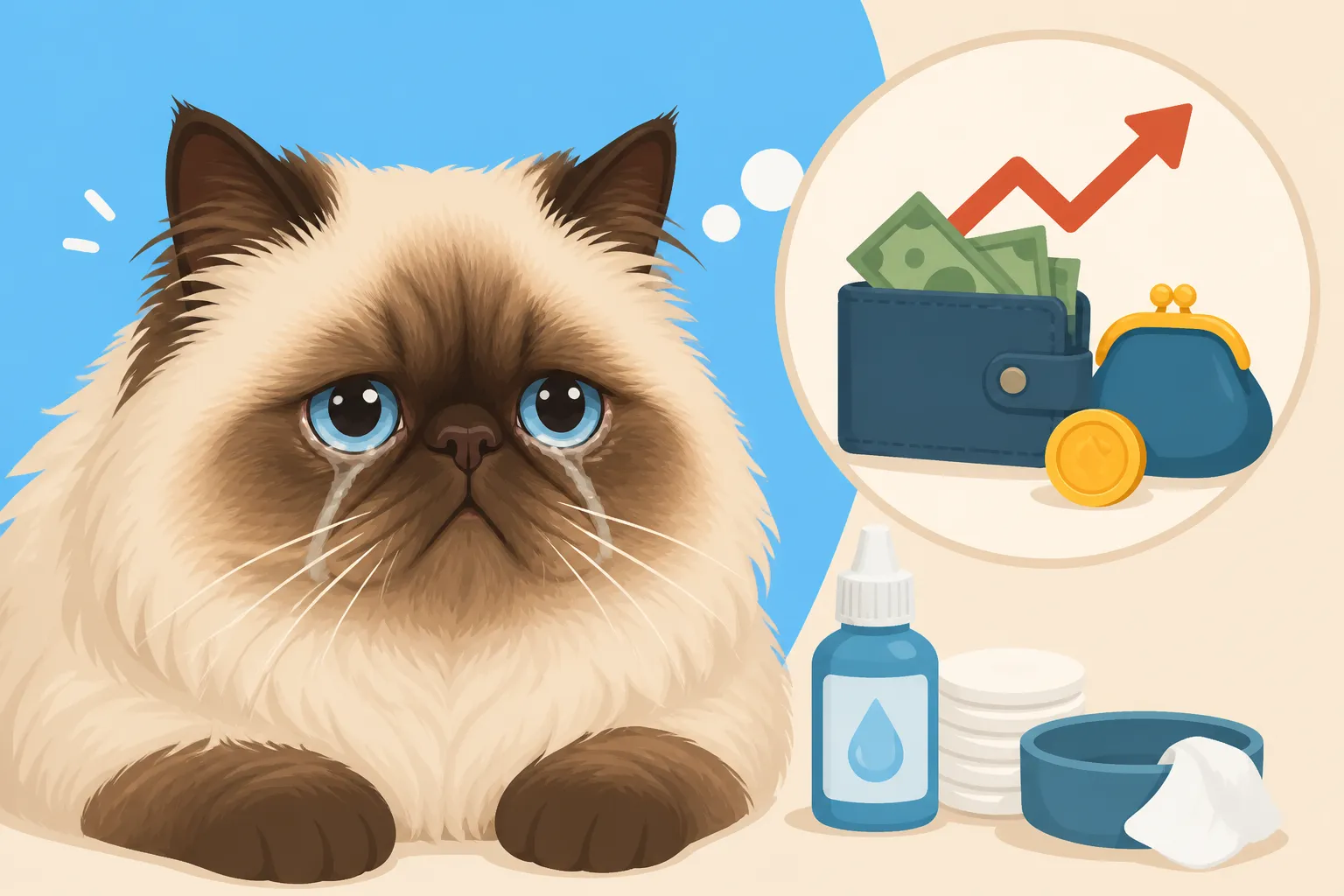
This constant overflow of tears, known as epiphora, is the primary reason why you'll see those characteristic tear tracks running down the sides of their nose. It's not usually a sign of distress, but rather a direct consequence of their unique build. Without proper drainage, these tears pool, creating a perpetually damp environment that, if left unattended, becomes a breeding ground for bacteria and yeast, leading to unsightly staining and potential skin irritation.
The Prominent, Round Blue Eyes
Himalayans are renowned for their large, round, intensely blue eyes, which are truly captivating. However, these beautiful, somewhat prominent eyes are often more exposed to environmental irritants than those of other breeds. Think of it like a window that's always slightly ajar, letting in more dust and debris. Because their eyes don't sit as deeply recessed in the socket as a cat with a more typical facial structure, they are more vulnerable to foreign particles like dust, hair, and even stray kibble bits.
This increased exposure means their eyes are more prone to irritation, which in turn can stimulate even more tear production, exacerbating the overflow problem. Furthermore, the constant dampness from tears can create a breeding ground for infections around the delicate eye area, leading to discomfort and potentially more serious conditions if not addressed. It's a delicate balance of admiring their beauty while diligently protecting their vulnerability.
The Persian Legacy of Entropion
Given that Himalayans are essentially long-haired, pointed Persians, they inherit many of the same genetic predispositions, and one significant concern is entropion. What Entropion Does to a Himalayan's Blue Eye is a condition where the eyelid, usually the lower one, rolls inward, causing the eyelashes and surrounding fur to rub against the cornea. Imagine having a tiny, irritating brush constantly sweeping across your eye; that's the discomfort your cat experiences. This rubbing causes chronic irritation, excessive tearing, redness, and can even lead to corneal ulcers, which are incredibly painful and can severely impact their vision if left untreated.
Recognizing entropion early is crucial, especially in kittens. Sometimes, the initial signs might just look like more severe tear staining or persistent squinting. If you suspect entropion, a prompt veterinary visit is essential. While daily cleaning helps manage secondary issues, entropion itself often requires surgical correction to prevent ongoing pain and potential damage to the eye. It's a serious condition that underscores why vigilance in eye care isn't just cosmetic, but fundamental to your Himalayan's health and comfort.
Understanding the Causes of Tear Staining
Tear staining is perhaps the most visible and frustrating aspect of Himalayan eye care for many owners. Those reddish-brown streaks marring their pristine pale fur can seem impossible to conquer. Understanding why these stains occur is the first step toward effectively managing them. It's not just about cleaning, it's about addressing the root causes where possible.
Normal Tear Overflow and Porphyrin Stains
As we discussed, the primary driver of tear staining in Himalayans is simply their facial anatomy. Tears consistently spill over, keeping the fur around their eyes damp. However, it's not the water in the tears that creates the color; it's something called porphyrins. Porphyrins are naturally occurring iron-containing molecules that are excreted in tears, urine, and saliva. When these porphyrins are exposed to sunlight, they oxidize, turning that distinctive reddish-brown color that adheres to the fur. This is also What Turns a Himalayan's Tear Stains Rust Colored.
Think of it like an apple slice browning when exposed to air – it's a natural chemical reaction. This means that even with perfectly healthy, clear tears, the sheer volume overflowing onto your Himalayan's face will inevitably lead to staining. The challenge isn't stopping the tears (which are essential for eye health), but meticulously cleaning the fur before the porphyrins have a chance to oxidize and set into those stubborn stains. It’s a battle against nature, really, and one that requires consistent effort.
Environmental Irritants and Allergies
Beyond anatomical issues and natural porphyrins, environmental factors can significantly aggravate tear staining. Just like humans, cats can react to dust, pollen, certain household chemicals, or even smoke. If your Himalayan spends time near open windows during allergy season, or if your home tends to be a bit dusty, you might notice an increase in tear production. Scented candles, air fresheners, or strong cleaning products can also act as irritants, causing their eyes to water more than usual.
Food allergies or sensitivities, though less common as a direct cause of excessive tearing, can sometimes contribute to overall inflammation, which might indirectly impact tear production or the quality of tears. If you notice persistent redness, itchiness, or rubbing of the eyes in conjunction with staining, it’s worth discussing potential environmental triggers or dietary considerations with your vet. Eliminating known irritants from their immediate environment can sometimes make a noticeable difference in the severity of their tear overflow.
Diet and Water Quality Impact
While often debated, many Himalayan owners swear by the impact of diet and water quality on tear staining. Some theories suggest that certain ingredients in cat food, especially those with dyes or fillers, can increase porphyrin production or trigger mild inflammatory responses that contribute to staining. While scientific evidence can be sparse, anecdotal reports are strong. Many owners find that switching to a high-quality, grain-free, or novel protein diet can sometimes lessen the severity of tear stains. The idea is that a healthier, less inflammatory diet could lead to clearer tears and less staining potential.
Similarly, the mineral content in tap water can also play a role. Water high in iron or other minerals, when consumed or even splashed onto the face during drinking, can contribute to the reddish discoloration. Many owners find that offering filtered water, distilled water, or using ceramic or stainless steel bowls instead of plastic (which can harbor bacteria) can help reduce staining. It’s a small change, but sometimes these seemingly minor adjustments can add up to a noticeable improvement in your Himalayan's appearance and overall comfort.
Essential Tools and Products for Daily Eye Maintenance
Navigating the world of Himalayan eye care means equipping yourself with the right arsenal of tools and products. It’s not just about what you use, but how you use it consistently and safely around those delicate blue eyes. Walking into a pet store or browsing online can be overwhelming, so let's break down the essentials.
Wipes, Cotton Pads, and Gentle Cleansers
The foundation of any good Himalayan eye routine is daily cleaning. For this, you'll need soft, absorbent materials and a gentle, feline-safe cleanser. Many owners prefer using specialized pre-moistened eye wipes designed for cats. These are often pH-balanced and free from harsh chemicals that could irritate sensitive eyes. Make sure to choose Which Wipes Are Safe Around a Himalayan's Blue Eyes to avoid any adverse reactions. Brands like Petkin or Angels' Eyes offer wipes that are commonly used. Alternatively, you can use plain, sterile cotton pads or lint-free gauze squares moistened with either warm, filtered water or a veterinarian-recommended saline solution or eye wash.
The key is gentleness. Never use dry cotton directly on the eye area as it can shed fibers that irritate the eye. When selecting a cleanser, avoid anything with perfumes, alcohol, or harsh detergents. Some pet-specific eye washes contain borate or colloidal silver, which can help gently break down porphyrin stains and keep the area clean. Consistency is far more important than any single product here; the goal is to physically remove the tears and porphyrins before they have a chance to dry and stain the fur.
Specialized Tear Stain Removers and Supplements
For those stubborn, set-in tear stains that seem impossible to budge, you might consider specialized tear stain removers. These often come in liquid, powder, or gel form and work by gently bleaching or oxidizing the stained fur, or by binding to the porphyrins. It’s important to use these products with extreme caution and never allow them to get into your cat's eyes. Always follow the manufacturer's instructions carefully and consult your vet if you have any concerns. Some popular options are from brands like Angels' Eyes or Eye Envy.
Beyond topical solutions, some owners explore oral supplements aimed at reducing tear staining. These supplements often contain ingredients like cranberry extract, probiotics, or natural antibiotics (like tylosin, which requires a vet prescription in some areas) that are believed to reduce the yeast or bacterial growth that contributes to the reddish-brown discoloration, or to alter the body chemistry to reduce porphyrin excretion. While results can vary greatly from cat to cat, and it's essential to discuss any supplement regimen with your vet, especially if it involves prescription ingredients, many owners report success. Remember that these are typically long-term solutions, not quick fixes, and should always complement, not replace, daily topical cleaning.
Protective Drops and Lubricants
Given their prominent eyes and potential for irritation, some Himalayans can benefit from protective eye drops or lubricants, especially if they are prone to dry eye or general environmental sensitivity. These drops, often containing artificial tears, can help keep the eye surface moist, wash away irritants, and provide a protective barrier. They're particularly useful if your cat lives in a dry climate, in a home with strong air conditioning or heating, or if they have a known history of corneal dryness. Which Drops Suit a Himalayan's Exposed Blue Eyes is a good resource to consider.
Your veterinarian can recommend specific brands and types of drops, as not all human eye drops are safe for cats. These are usually over-the-counter and can be purchased from your vet or a reputable online pet supply retailer like Chewy. They can offer a layer of comfort and protection, especially if your Himalayan's eyes are frequently watery due to irritation. Think of it as an extra layer of defense for those beautiful, vulnerable peepers.
The Daily Eye Care Routine: A Step-by-Step Guide
Consistency is truly the secret weapon in managing a Himalayan's eye care. Skipping even a day can mean a big setback, as fresh tears dry and new porphyrin stains set in. This isn't just about aesthetics; it's about preventing discomfort, irritation, and potential infections. Establishing a routine and sticking to it will make a world of difference for both you and your feline friend.
Gentle Cleaning Techniques
The core of your daily routine will be gentle cleaning. Aim to do this at least once a day, preferably in the morning, or even twice a day if your cat has particularly heavy tearing. Start by gathering your chosen supplies: a soft, sterile cotton pad or specialized eye wipe, and warm, filtered water or a vet-approved eye cleanser. Gently hold your Himalayan's head steady and approach their eyes calmly. Avoid startling them.
Using a fresh wipe or pad for each eye, carefully wipe from the inner corner of the eye (near the nose) outwards. Use a light touch; you're not scrubbing, but rather lifting away tears and debris. Be meticulous, getting into the corners and along the lash line. For any dried crusts, hold a warm, damp pad over the area for a few seconds to soften them before gently wiping them away. Never pull or tug at the fur. The goal is to clean the stained fur, not to rub the eyeball itself. This routine will help prevent Why Tear Stains Are Worse on a Cream Bodied Himalayan and keep their face fresh. After cleaning, always ensure the fur is thoroughly dry, as dampness encourages bacterial growth and staining.
Maintaining the Nose Fold
Many Himalayans, especially those with more extreme "Peke-face" profiles, have a prominent skin fold just above their nose. This fold, while adding to their unique charm, creates a warm, moist, and dark crevice – an ideal breeding ground for yeast and bacteria. If left unchecked, this can lead to an unpleasant odor, redness, irritation, and even painful skin infections, sometimes called fold dermatitis.
After you've cleaned the eyes, gently lift this nose fold to expose the skin underneath. Wipe it thoroughly with a clean, dry cotton pad or a fresh corner of your eye wipe. It’s critical to get this area completely dry. Some owners even use a tiny pinch of cornstarch (unscented) or a medicated drying powder recommended by their vet to help keep the fold dry and prevent irritation. Remember, How Fold Dermatitis Starts Beside a Himalayan's Nose and how important prevention is. This extra step takes only a few seconds but can prevent a lot of discomfort and potentially expensive vet visits down the line.
Preventing and Managing Mats Around the Eyes
The long, luxurious fur that makes Himalayans so beautiful is also their Achilles' heel when it comes to eye care. The constant dampness from tears can quickly cause the fur around their eyes and nose to mat and tangle. These mats aren't just unsightly; they can pull on the delicate skin, causing pain, further irritating the eyes, and making the cleaning process even harder. In severe cases, mats can even block vision or create a haven for parasites.
To prevent mats, regular, gentle combing of the fur around the face is essential. After cleaning and drying the eye area, use a fine-toothed metal comb (like a flea comb) to carefully comb through the fur, teasing out any tiny tangles before they become full-blown mats. Be extremely careful not to poke their eyes. If you encounter a mat, try to gently work it out with your fingers and the comb, always supporting the skin. If a mat is too tight or close to the skin, it’s safer to take your cat to a professional groomer or vet to have it carefully trimmed away, possibly under light sedation, rather than risk injuring them. Staying on top of this aspect of grooming is key to maintaining both comfort and appearance.
Veterinary Care and Advanced Solutions for Persistent Eye Issues
While daily home care is paramount, there will inevitably be times when your Himalayan's eyes require more than just a wipe and a comb. Persistent problems, sudden changes, or signs of pain should always prompt a visit to your veterinarian. Early intervention can prevent minor issues from escalating into serious health concerns.
When to Seek Professional Help
Knowing when to call the vet is crucial. If you notice any of the following symptoms, don't delay: sudden increase in tear production, a change in tear color or consistency (e.g., green or yellow discharge), persistent squinting, pawing at the eyes, redness or swelling around the eye, visible cloudiness or injury to the eyeball, or if your cat seems to be bumping into things more often. These could be signs of infection, corneal ulcers, severe allergies, or even something like retinal atrophy. Why a Himalayan's Eye Injury Cannot Wait Until Monday is a very real concern.
Even if the issue seems minor, such as prolonged tear staining despite diligent cleaning, it warrants a vet check. Sometimes, what looks like simple staining could be an underlying issue that needs medical attention, such as a blocked tear duct that needs flushing or an undiagnosed entropion. Your vet can provide an accurate diagnosis and appropriate treatment plan, ensuring your Himalayan gets the best possible care.
Diagnostic Tests and Procedures
When you visit the vet for an eye issue, they'll typically perform a thorough examination. This might include a Schirmer tear test to measure tear production, a fluorescein stain test to check for corneal abrasions or ulcers (What a Corneal Ulcer Looks Like on a Blue Eyed Himalayan), and a general ophthalmic exam using specialized lights and magnifiers to look for foreign bodies, inflammation, or structural abnormalities. They might also check for signs of infection and take a sample for bacterial culture if there's discharge.
For persistent tear duct issues, your vet might recommend a tear duct flush. Whether Flushing a Himalayan's Tear Ducts Achieves Anything can be a bit of a complex question, as sometimes it offers temporary relief but the underlying anatomical issue remains. This procedure involves gently flushing the tear ducts with saline to clear any blockages. For suspected genetic conditions like entropion or retinal atrophy, specific genetic tests or specialist ophthalmic consultations may be recommended to fully understand the scope of the issue.
Surgical Options for Severe Cases
In more severe or chronic cases, surgery might be the best, or even only, long-term solution. The most common surgical procedure for Himalayans related to their eye structure is for entropion. This involves a delicate operation to remove a small strip of skin and muscle from the eyelid, causing it to roll outward into its correct position, thus preventing the lashes from rubbing the cornea. While it sounds daunting, it's often a very effective way to relieve chronic pain and protect your cat's vision.
Another surgical option, though less common and usually considered a last resort for severe breathing issues related to their brachycephalic face, might indirectly affect eye comfort. This is nostril widening (nares staphylectomy) or soft palate surgery. While primarily for respiratory function, improving overall facial structure and airflow can sometimes contribute to better general facial health. However, these are significant surgeries, and your vet will thoroughly discuss the pros and cons, recovery, and potential costs with you before proceeding. Remember, Why a Himalayan Is a Harder Anesthetic Than a Siamese due to their brachycephalic nature, making any surgery a more considered decision.
Budgeting for Himalayan Eye Care: A Long-Term Perspective
Let's be honest, those beautiful blue eyes are a commitment, and that commitment comes with a price tag. It's not just the initial purchase of your Himalayan, but the ongoing expenses that can really add up. Being prepared for these standing costs will ensure you can provide the best care without unexpected financial strain.
Estimating Recurring Product Costs
The daily eye care routine means a constant replenishment of supplies. Your monthly budget will need a line item for eye wipes or cotton pads, gentle cleansers, and possibly specialized tear stain removers or protective eye drops. Think about it: What a Year of Himalayan Eye Wipes Costs can be significant. Depending on the brands you choose and how frequently you need to replenish, these products can range from about $10-$30 per month. If you're using specific supplements, add another $20-$50 per month.
Purchasing in bulk from online retailers like Chewy can often save you a bit in the long run, but you still need to factor these recurring expenses into your overall pet care budget. It might not seem like much for a single item, but when you combine it with food, litter, and other routine care, it adds up. Having a consistent stock of these items is vital, so running out is never an option; it sets back your hard work and can lead to immediate staining or irritation.
Factoring in Vet Visits and Potential Surgeries
Beyond the daily consumables, routine veterinary check-ups for eye health are essential. How Often a Himalayan's Eyes Should Be Examined depends on their age and any existing conditions, but at least annually is a good baseline. These visits help catch problems early and provide professional cleaning or treatment when needed. Standard eye exams might be part of a general check-up, but specialized tests or medications will incur additional costs.
If your Himalayan develops more serious issues like entropion or chronic infections that require diagnostic tests, medications, or even surgery, these costs can escalate quickly. Surgical correction for entropion, for example, can be a significant expense. These aren't just "once-in-a-lifetime" costs; sometimes, secondary issues or ongoing management are required. It's important to have an emergency fund or pet insurance to help cover these larger, unexpected expenses.
The Role of Pet Insurance (Healthy Paws)
This is where pet insurance can truly be a lifesaver. Given the Himalayan's predisposition to eye issues and other inherited health concerns, a good pet insurance policy can turn potentially devastating vet bills into manageable co-pays. Companies like Healthy Paws offer comprehensive coverage that can help with accidents, illnesses, and even some hereditary conditions, which could include the diagnosis and treatment of conditions like entropion, corneal ulcers, or severe eye infections.
When choosing a policy, read the fine print carefully, especially regarding hereditary conditions and pre-existing clauses. Ideally, you want to insure your Himalayan when they are young and healthy, before any eye issues become apparent. While pet insurance won't cover your daily wipes and cleansers, it can provide invaluable peace of mind for the bigger, more expensive interventions. Knowing you won't have to choose between your cat's health and your wallet is truly priceless. This is Why a Himalayan Budget Needs a Line for Its Blue Eyes – for both routine and emergency care.
The Hidden Costs of Neglecting Eye Care
It's easy to get overwhelmed by the daily demands of Himalayan eye care, and sometimes, life just gets in the way. But neglecting this routine, even for a few days, can lead to a cascade of problems that are not only detrimental to your cat's health and comfort but also ultimately more costly than consistent preventive care.
Skin Infections and Dermatitis
The most immediate and common consequence of neglected eye care is the development of skin infections and dermatitis around the eyes and nose fold. Constant dampness from overflowing tears creates a moist, warm environment that is a perfect breeding ground for bacteria and yeast. What starts as reddish-brown staining can quickly progress to an angry, red, irritated patch of skin. This condition, often termed fold dermatitis, can become incredibly itchy and painful for your cat. Why a Himalayan's Nose Fold Smells when infected is an obvious and unpleasant sign.
Once a skin infection takes hold, treating it requires more than just a wipe. You'll likely need a vet visit, which means consultation fees, possibly antibiotics or antifungal medications (creams or oral), and special medicated wipes or cleansers. These treatments can be expensive and often require consistent application for weeks to clear up. In severe cases, the skin can become ulcerated, leading to deeper infections and even scarring. All of this could have been avoided with a few minutes of daily cleaning and drying.
Vision Impairment and Discomfort
While tear staining itself doesn't directly cause vision impairment, the conditions that arise from neglected eye care certainly can. Chronic inflammation, untreated infections, or corneal ulcers caused by entropion can lead to significant pain and eventually permanent damage to the eye. A cat with a painful corneal ulcer will often squint, keep their eye partially closed, or paw at it, leading to further irritation. This constant discomfort impacts their quality of life, making them less playful and more withdrawn.
In severe, long-term cases, unchecked infections or repeated corneal damage can lead to scarring on the cornea, which can indeed impair vision. Entropion, if left uncorrected, continuously abrades the cornea, potentially leading to blindness in the affected eye. It's a heartbreaking scenario that's entirely preventable. Your Himalayan relies on its eyes for navigating its world, and neglecting their care puts this essential sense at risk. This is a critical aspect of What Retinal Atrophy Does Behind a Himalayan's Blue Eyes and how it progresses.
Emergency Vet Bills and Quality of Life
Ultimately, neglecting routine eye care often results in emergency vet visits, which are almost always more expensive than preventive care. A severe eye infection that causes intense pain, a deeply ulcerated cornea, or a chronic condition that has worsened to the point of acute distress will necessitate immediate professional attention. These emergency visits often come with after-hours fees, more extensive diagnostics, and aggressive treatment plans, costing hundreds, if not thousands, of dollars.
Beyond the financial toll, there's the significant impact on your Himalayan's quality of life. A cat living with chronic eye pain, itching, or impaired vision isn't a happy cat. They might become withdrawn, lose their appetite, or stop interacting with you. Your goal as a pet parent is to provide a comfortable, healthy life for your beloved companion. Investing the time and resources into a consistent eye care routine is an investment in their happiness, health, and ultimately, a more harmonious relationship with your cherished Himalayan.
| Aspect of Eye Care | Daily/Routine Costs (Estimated Monthly) | Potential Vet/Surgical Costs (Estimated Event) | Preventative Action | Consequence of Neglect |
|---|---|---|---|---|
| Wipes/Cleansers | $10 – $30 | N/A | Daily cleaning with appropriate products | Tear staining, bacterial/yeast overgrowth |
| Supplements | $20 – $50 (Optional) | N/A | Vet-approved oral supplements for tear stain reduction | Increased staining, potential for secondary issues |
| Nose Fold Care | Included with wipes | $100 – $500 (for dermatitis treatment) | Daily drying and cleaning of the fold | Fold dermatitis, odor, pain, deep skin infections |
| Mat Prevention | Included with combing | $100 – $300 (groomer/vet sedation for mats) | Gentle daily combing around eyes | Painful mats, skin irritation, blocked vision |
| Annual Eye Exam | Part of general wellness exam | Included (or $50-$100 specific ophthalmic) | Regular vet check-ups | Undiagnosed conditions (e.g., entropion, ulcers) |
| Entropion Surgery | N/A | $1000 – $3000 per eye | Early detection via vet exams | Chronic pain, corneal ulcers, vision loss |
| Infection Treatment | N/A | $150 – $800 (medication, follow-ups) | Prompt vet visit at first sign of discharge/redness | Worsening infection, corneal damage, discomfort |
| Emergency Visit | N/A | $300 – $1500+ | Consistent preventative care, knowing when to call vet | Severe pain, irreversible damage, higher costs |
Disclaimer
This article is for general informational purposes only and does not constitute professional advice. Laws, prices and regulations vary by location and change over time. Consult a qualified professional for guidance on your specific situation.