What a Himalayan From a Tested Persian Line Costs
Bringing a beautiful Himalayan cat into your life is an absolute joy, but many prospective owners get a little overwhelmed when they start digging into the true financial commitment, especially when they’re specifically looking for a kitten from a thoroughly tested Persian line. It’s not just the sticker price of the kitten itself that you need to consider; there's a whole world of ongoing expenses that come with ensuring your fluffy companion lives a long, healthy, and happy life. This comprehensive guide is here to break down the real costs involved, from the initial adoption fee to the daily care and unexpected vet visits, so you can plan wisely and provide the best for your future family member.
The Initial Investment: Breeder Costs and Health Testing
Let’s be honest, the first thing most people think about is that initial price tag, and for a Himalayan from a tested Persian line, it can feel like a significant amount. But that price isn't just plucked out of thin air; it reflects a responsible breeder's dedication and investment in the health and well-being of their cats, which ultimately benefits you, the future owner. You're not just buying a cat; you're buying peace of mind, built on generations of careful breeding and screening.
Understanding the "Tested Persian Line" Premium
When a breeder specifies that their Himalayans come from "tested Persian lines," they're signaling a commitment to ethical breeding practices that go far beyond what many backyard breeders offer. This means their breeding cats—the parents of your potential kitten—have undergone rigorous genetic and health screenings to ensure they don't pass on inheritable diseases. The most significant of these is Polycystic Kidney Disease (PKD1), a nasty genetic condition that can cause kidney failure. A responsible breeder will have proof that their breeding cats are negative for the PKD gene. You might also find breeders testing for Progressive Retinal Atrophy (PRA), another inherited eye condition that can lead to blindness.
All these tests cost money, both for the veterinarian's time and the laboratory analysis. Moreover, maintaining a cattery with high standards, providing top-notch nutrition, and ensuring a clean, enriching environment for the parent cats and kittens also adds to the operational costs. When you see a higher price for a kitten from a tested line, you’re essentially paying for the breeder’s proactive steps to minimize future heartaches and massive vet bills for you. It's an investment in your cat's future health, potentially saving you thousands down the line in treatments for preventable genetic conditions. The old adage "you get what you pay for" truly applies here, especially when you consider What Testing a Himalayan for PKD and the Eyes Costs.
What the Breeder's Price Covers
So, what exactly does that upfront cost cover when you purchase from a reputable breeder focusing on tested Persian lines? It's a lot more than just the kitten itself. Typically, it includes:
- Health Testing for Parents: As mentioned, this is huge. Proof that both parents are clear of common genetic diseases like PKD is invaluable.
- Initial Veterinary Care for Kittens: This usually means a comprehensive health check-up by a licensed veterinarian, their first set of vaccinations (and sometimes the second), and deworming treatments. Many breeders will also have the kitten microchipped before it goes home.
- High-Quality Nutrition: Kittens from responsible breeders are fed premium kitten food, ensuring they get the best start in life nutritionally. This isn't cheap when you're feeding a whole litter!
- Socialization and Early Training: Breeders spend countless hours handling, playing with, and socializing their kittens. This crucial period helps ensure they grow into well-adjusted, friendly, and confident adult cats. They also start litter training early.
- Registration Papers: For a Himalayan, this often means registration with a reputable cat association like TICA or CFA. While CFA now registers them as a division of the Persian, TICA still recognizes the Himalayan as its own breed. These papers are proof of your cat's pedigree and heritage.
- Guarantees and Support: Many breeders offer health guarantees, especially concerning genetic conditions, and are available for advice and support long after you take your kitten home. This ongoing mentorship can be priceless for new owners navigating the specific needs of a Himalayan.
- Initial Supplies: Sometimes, a breeder will send a kitten home with a small starter kit, including a familiar toy, a blanket with the scent of their mother/littermates, and a small amount of the food they've been eating to help with the transition.
When you factor in all these elements, the initial price starts to make a lot more sense. It's a reflection of the significant time, effort, and financial outlay a dedicated breeder pours into each litter to ensure happy, healthy kittens.
Ongoing Health and Veterinary Expenses
Beyond the initial purchase, the health and well-being of your Himalayan will be a continuous commitment, and rightly so. Their unique physiology, a result of their Persian heritage combined with the Siamese point coloration, means they have specific health considerations that require consistent veterinary attention. It’s vital to understand these needs upfront so you’re never caught off guard.
Lifelong Health Monitoring
Even with a kitten from extensively tested lines, lifelong health monitoring is non-negotiable for a Himalayan. Regular veterinary check-ups are paramount, typically once a year for adult cats and more frequently for kittens and seniors. During these visits, your vet will perform a thorough physical exam, discuss any concerns you might have, and recommend appropriate vaccinations and parasite control.
For Himalayans, specific attention will be paid to issues linked to their Persian ancestry. This includes ongoing monitoring for kidney health, even if the parents were PKD negative. While the gene test is highly accurate, some vets still recommend occasional kidney scans, especially as the cat ages. Regular blood work, particularly after the age of five, can help track kidney and liver function, identifying potential issues early when they are most treatable. Your vet will also keep a close eye on their heart, as hypertrophic cardiomyopathy (HCM) can be a concern in Persian lines, though it's not as prevalent as PKD. Early detection through regular check-ups can make a significant difference in managing any health challenges that arise, underscoring the importance of vigilance. You might be interested in knowing How Often a Tested Himalayan Still Needs Checking.
Proactive Care for a Flat-Faced Breed
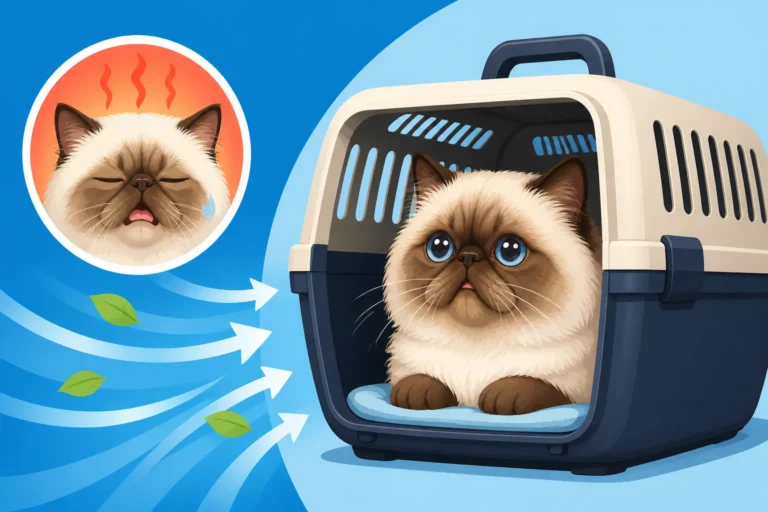
The Himalayan’s beloved flat face, or brachycephalic structure, is undeniably charming, but it also comes with a unique set of health considerations that require proactive care and can lead to specific veterinary expenses. Their shortened nasal passages can predispose them to respiratory issues, making them more susceptible to overheating and sometimes leading to noisy breathing or even open-mouth breathing when stressed or overheated. While surgery to widen nostrils or shorten a soft palate is sometimes an option, daily care often focuses on keeping them cool and avoiding strenuous activity.
Dental health is another significant concern. Their shortened jaws mean their teeth are often crowded and misaligned, leading to a higher risk of periodontal disease. Regular professional dental cleanings under anesthesia become a vital part of their health regimen, and these can be a substantial expense. It's not uncommon for Himalayans to need dentals earlier and more frequently than other breeds, as plaque and tartar build up rapidly in their crowded mouths. As your Himalayan ages, it's very common for them to lose teeth, which can impact their ability to eat dry kibble. This is why Why a Himalayan Needs Dentals Earlier Than a Siamese is a topic frequently discussed with owners of flat-faced breeds.
Beyond breathing and teeth, their prominent, round eyes, often with a slight inward roll of the eyelids (entropion) or excessive tearing (epiphora), require daily attention. This can lead to tear staining, skin irritation in the nose fold, and a higher risk of eye infections or corneal ulcers. Your vet might prescribe specific eye drops or recommend procedures if tear duct blockages are severe. All these specialized needs translate into ongoing vet visits, potential medications, and dedicated daily care routines that contribute to the overall cost of ownership.
Grooming and Maintenance Commitments
The Himalayan cat's magnificent long, luxurious coat is undoubtedly one of its most striking features, but it's also a significant commitment in terms of time, effort, and money. This isn't a wash-and-wear kind of feline; maintaining that glorious fur in pristine condition requires a daily routine that you simply cannot skip.
The Daily Grooming Routine
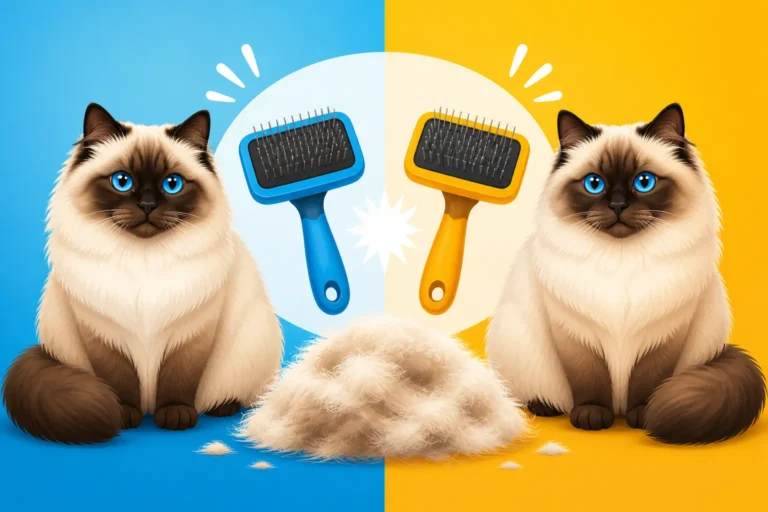
Prepare yourself: owning a Himalayan means becoming a dedicated groomer. Their dense, double coat, inherited from their Persian ancestors, is prone to matting and tangling if not meticulously maintained. A daily combing session is not just recommended; it’s absolutely essential. Skipping even a day can quickly lead to painful mats and tangles, especially in high-friction areas like the armpits, behind the ears, and in their "britches" around the hindquarters.
To properly comb a Himalayan, you'll need an arsenal of specific tools: a good quality metal comb with both wide and narrow teeth, a slicker brush for fluffing, and possibly a dematting tool for those stubborn knots that inevitably pop up. These tools, while an initial investment, will need replacing over time. Beyond the tools, consider the time investment: a thorough daily comb can take anywhere from 15 to 30 minutes, depending on the length and density of your cat's coat and how cooperative they are. This time investment, if neglected, quickly turns into a financial one as professional groomers or veterinary sedation for mat removal become necessary. Many owners find themselves booking regular appointments with professional groomers to help keep their cat's coat in check, especially for trims around the sanitary areas or if a full "lion cut" is desired in warmer months. This is often why What a Groomer Charges for a Himalayan Lion Cut is a common question.
It’s crucial to establish this routine from kittenhood, making it a positive, bonding experience. Otherwise, you'll have a much harder time, and potentially an expensive one, convincing an adult cat to tolerate daily grooming. Remember, consistency is key to avoiding discomfort for your cat and costly interventions for you. This daily attention, while a labor of love, definitely adds to What Daily Combing Costs a Himalayan Owner in Time.
Face Care and Tear Stains
The Himalayan's distinctive flat face, while adorable, means that daily facial hygiene is another critical, non-negotiable aspect of their care. Their prominent, often watery eyes and deep nasal folds make them prone to tear staining and potential skin irritation. The tears, mixed with dirt and bacteria, can collect in the fur around their eyes and in their nose fold, leading to unsightly rust-colored stains and even skin infections if not cleaned regularly.
Every single morning, you'll need to gently wipe your Himalayan's face, paying close attention to the area around their eyes and the fold above their nose. This involves using soft, damp cotton pads or specialized pet-safe eye wipes to remove any discharge and keep the area dry and clean. There are many products on the market specifically designed to help with tear staining, from gentle cleansers to supplements, and these represent an ongoing expense. Why Tear Stains Are Worse on a Cream Bodied Himalayan explains how easily visible these issues can be, making daily cleaning even more important for lighter-colored Himalayans.
If the nose fold remains damp, it can create a breeding ground for yeast and bacteria, leading to a condition called fold dermatitis, which is uncomfortable for your cat and requires veterinary treatment. In severe cases, where excessive tearing or inward-rolling eyelids are causing chronic irritation or discomfort, surgical intervention might be recommended by your vet to alleviate the problem, adding another potential expense. This daily face routine, while seemingly minor, is a crucial part of preventing more serious health issues and keeping your Himalayan comfortable and looking their best.
Nutrition and Dietary Needs
Feeding a Himalayan isn't just about pouring kibble into a bowl; it's about making thoughtful choices that cater to their unique physical characteristics and activity levels. Their flat faces, long coats, and often sedentary lifestyles mean their dietary needs are a bit different than your average house cat.
Choosing the Right Food
The brachycephalic structure of a Himalayan's face can make eating certain types of food challenging. Deep bowls can be difficult for them to reach into without bending their whiskers uncomfortably or getting food caught in their facial fur. Flat, wide bowls or elevated feeders are often recommended to make mealtime easier and cleaner. When it comes to the food itself, the shape and size of the kibble can make a big difference. Smaller, flatter kibble is often easier for a Himalayan to pick up and chew with their crowded jaws.
Beyond the physical mechanics, their long, luxurious coat thrives on a high-quality diet rich in animal protein and essential fatty acids, particularly Omega-3 and Omega-6. These nutrients contribute to skin health and coat luster, helping to reduce shedding and matting. Look for foods where meat is the first ingredient, and avoid excessive fillers or artificial additives. Given their propensity for dental issues, some owners opt for wet food or a mix of wet and dry, as wet food can be less taxing on their teeth and provides additional hydration, which is especially good for cats prone to kidney issues.
Exploring options from reputable brands that cater to specific breed needs or offer high-quality ingredients can be beneficial. Many owners find great options on platforms like Chewy, which offers a wide selection of premium cat foods that meet these specific requirements, often with convenient delivery. The cost of such high-quality food will be an ongoing expense, but it's an investment in their overall health, coat quality, and potentially fewer vet visits down the line.
Managing Weight and Overall Health
Himalayans are generally not the most active cats. They tend to prefer lounging in a comfortable spot or observing the world from a favorite perch on the sofa rather than engaging in high-energy antics. This sedentary lifestyle means they don't burn as many calories as more active breeds, making them prone to weight gain. An overweight Himalayan faces increased risks of diabetes, joint problems, and difficulties with grooming, which can exacerbate matting and skin issues.
Portion control is absolutely critical for Himalayans. Free-feeding, where food is left out all day, is generally not recommended unless you have a cat with a naturally high metabolism. Instead, measured meals fed twice a day are usually best. Your veterinarian can help you determine the appropriate caloric intake for your individual cat based on their age, weight, and activity level.
Beyond regular cat food, some owners explore fresh food options or subscriptions that offer personalized meal plans. Fresh food tailored to a cat's needs can help with weight management and optimal nutrition, though it tends to come at a higher price point. Keeping your Himalayan at a healthy weight will contribute significantly to their longevity and quality of life, potentially reducing the need for treatments related to obesity-induced ailments. It’s an ongoing commitment that requires discipline, but the benefits for your cat’s health are immense.
Insurance and Emergency Funds
Even with the best care, proper nutrition, and a kitten from extensively health-tested lines, unexpected health issues can arise. This is where preparing for the unforeseen becomes a crucial part of responsible Himalayan ownership, protecting both your cat and your wallet.
The Value of Pet Insurance
Pet insurance has become an increasingly popular way for owners to manage the potentially high costs of veterinary care, especially for emergency treatments or chronic conditions. For a Himalayan, whose breed carries specific predispositions to certain health issues (even if parents are tested), insurance can be a real lifeline. Imagine an unexpected injury or the sudden onset of a condition like bladder stones or pancreatitis – the diagnostic tests, medications, and potential surgeries can quickly run into thousands of dollars.
A good pet insurance policy can cover a significant portion of these costs, easing the financial burden during stressful times and allowing you to make medical decisions based on what’s best for your cat, rather than what you can afford out-of-pocket. Policies vary widely, covering everything from accidents and illnesses to wellness exams and dental cleanings. When choosing a policy, pay close attention to what's covered for brachycephalic breeds, as some insurers might have specific exclusions or higher premiums for conditions related to their flat faces. Look into reputable providers like Healthy Paws, who offer comprehensive coverage options that can provide invaluable peace of mind. Getting a policy in place when your Himalayan is young and healthy is often the best strategy, as pre-existing conditions are typically not covered. Consider this a monthly investment in your cat's future health security.
Building an Emergency Savings
While pet insurance is a fantastic tool, it doesn't always cover 100% of costs, and there might be deductibles or co-pays you're responsible for. Moreover, some minor issues might not meet the deductible for an insurance claim, or you might prefer not to claim for every single incident to keep your premiums down. This is where having a dedicated emergency savings fund for your cat becomes incredibly valuable.
Think of it as a financial safety net specifically for your Himalayan's health. Life happens, and whether it's an unexpected fall, an ingestion of something they shouldn't have, or a sudden illness, having readily available funds means you can act quickly without added financial stress. This fund can also cover costs not typically covered by insurance, such as specialized foods, certain grooming expenses, or behavioral therapy if needed. Starting a separate savings account and contributing a small amount each month, perhaps the equivalent of what you might spend on an insurance premium, can build up a substantial buffer over time. It offers an additional layer of security, ensuring that you’re always prepared to provide the best possible care for your beloved Himalayan, no matter what surprises life throws your way.
Cost Summary Table
To give you a clearer picture, here’s a simplified breakdown of the potential costs associated with owning a Himalayan cat from a tested Persian line. Please remember these are general estimates and can vary significantly based on your location, chosen breeder, specific vet, and your cat's individual health needs.
| Cost Category | Initial (First Year) Estimate | Annual Ongoing Estimate | Notes |
|---|---|---|---|
| Kitten Purchase | $1,000 – $3,000+ | N/A | Price for a healthy, tested kitten from a reputable breeder. |
| Initial Vet Care | $200 – $500 | N/A | First exams, vaccinations, deworming, microchipping. |
| Annual Vet Care | Included above | $200 – $500 | Annual check-ups, boosters, blood work (more for seniors). |
| Specialized Vet (Eyes/Dental) | Included above | $300 – $800+ | Dental cleanings (often annual), eye care, potential brachycephalic-related treatments. |
| Food (High-Quality) | $300 – $700 | $300 – $700 | Premium kibble, wet food, or fresh food options. Can vary significantly. |
| Grooming Supplies | $50 – $150 | $20 – $50 | Combs, brushes, shampoo, nail clippers. Initial outlay is higher. |
| Professional Grooming | N/A | $150 – $400 | If professional trims or lion cuts are used. |
| Litter & Supplies | $200 – $400 | $200 – $400 | Litter, litter boxes (low-sided for Himalayans), scoop, toys, beds. |
| Pet Insurance | $300 – $700 | $300 – $700 | Monthly premiums for comprehensive coverage (e.g., Healthy Paws). |
| Emergency Fund | Recommended Start: $500+ | Ongoing Contribution | Savings for unexpected vet bills or large deductibles. |
| Total (First Year) | $2,500 – $5,750+ | N/A | High end assumes professional grooming, higher food costs, and robust insurance. |
| Total (Annual Ongoing) | N/A | $1,200 – $3,500+ | Varies heavily based on health, specific needs, and whether professional grooming/insurance is used. |
This table helps illustrate that the commitment extends well beyond the initial purchase. While the numbers can seem daunting, they represent the investment in a companion who will bring immense joy and affection into your home for many years.
Conclusion: An Investment in a Lifetime of Love
Bringing a Himalayan cat from a tested Persian line into your home is undoubtedly a significant financial commitment, from the initial purchase price to the ongoing costs of specialized care, nutrition, and potential veterinary needs. However, viewing these expenses as simply "costs" misses the true picture. Instead, consider them an investment – an investment in the health, happiness, and longevity of a cherished family member.
A responsible breeder who invests in health testing, proper socialization, and excellent early care provides you with the best possible foundation for a healthy kitten. Your ongoing commitment to daily grooming, specialized facial care, appropriate nutrition, and regular vet check-ups will ensure your Himalayan thrives. Understanding and budgeting for these expenses from the outset means you can provide a stable, loving environment without financial stress.
The unique charm, gentle demeanor, and devoted companionship of a Himalayan are truly priceless. They are lap cats that answer back, bringing a calm, loving presence to any home. By being prepared for the financial realities, you're setting both yourself and your beautiful feline friend up for a wonderful, long life together. The joy they bring far outweighs the careful planning and expenses involved, making every penny and every moment spent a truly worthwhile investment in a lifetime of love.
Disclaimer
This article is for general informational purposes only and does not constitute professional advice. Laws, prices and regulations vary by location and change over time. Consult a qualified professional for guidance on your specific situation.