Whether a Himalayan Guarantee Covers the Kidneys
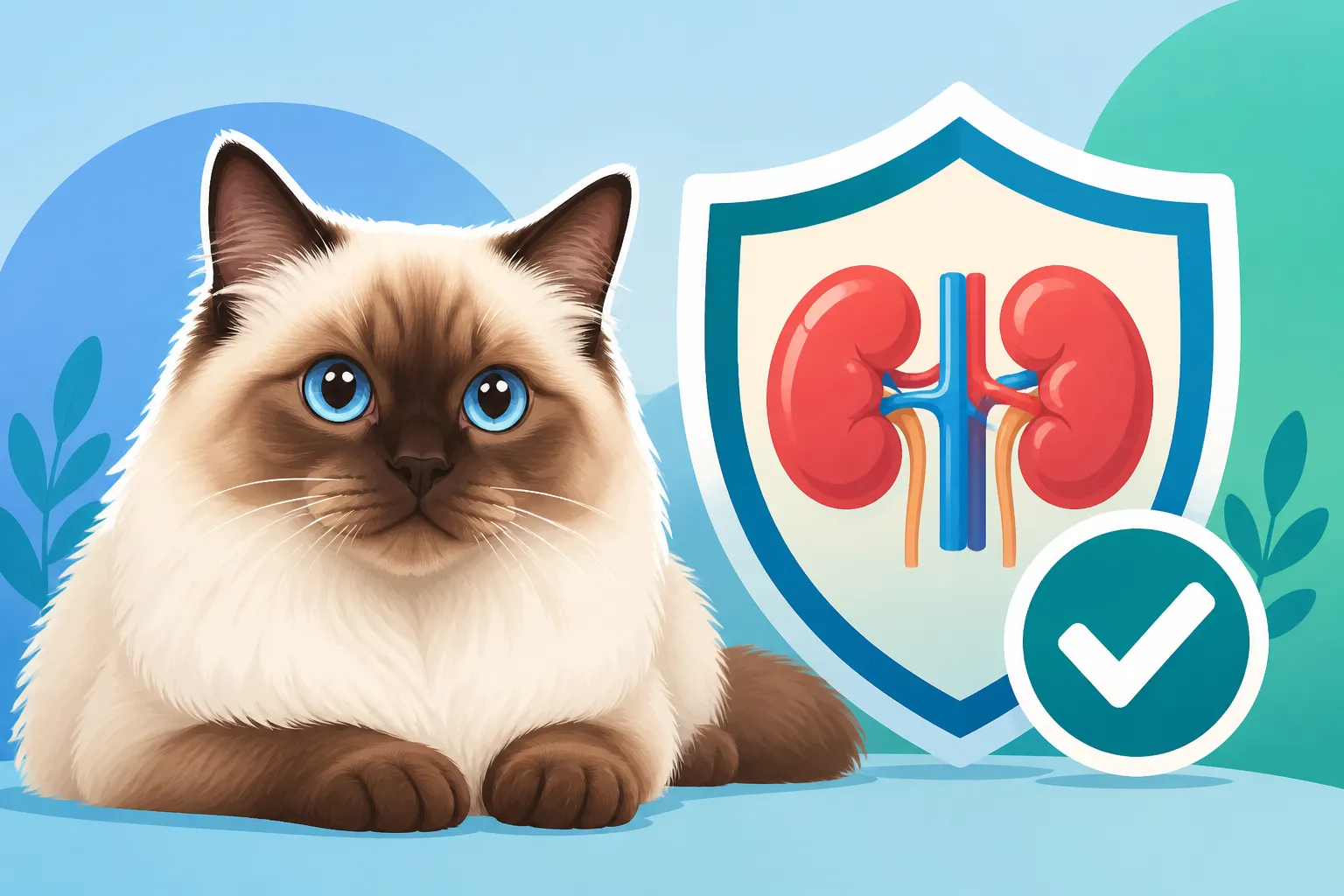
Bringing a new Himalayan kitten into your home is a joyous occasion, filled with fluffy cuddles and sweet purrs. But for many prospective owners, there's a nagging anxiety beneath the excitement: the fear of inherited health problems, especially those impacting the kidneys. It's a valid concern, considering the breed's lineage. This comprehensive guide aims to thoroughly explore the complexities of breeder health guarantees, specifically focusing on whether and how these guarantees truly protect you against the devastating reality of kidney disease in your cherished Himalayan. We'll delve into what to look for, what red flags to watch out for, and the crucial steps you can take to safeguard your kitten's future.
The Shadow of PKD: Why Kidney Health is Paramount for Himalayans
The Himalayan breed, with its majestic Persian coat and striking Siamese points, inherits a wonderful blend of traits from its parent breeds. Unfortunately, it also inherits a susceptibility to certain genetic conditions, and Polycystic Kidney Disease (PKD) is arguably one of the most significant concerns when it comes to long-term health. Understanding this disease is the first step in advocating for your cat and deciphering any breeder guarantee.
Understanding Polycystic Kidney Disease (PKD) in Himalayans
Polycystic Kidney Disease (PKD) is a progressive, inherited kidney disease that leads to the formation of fluid-filled cysts within the kidneys. These cysts are present from birth, but they start out microscopic. Over time, these tiny cysts grow larger and multiply, gradually taking over healthy kidney tissue. As more and more functional kidney tissue is replaced by these non-functional cysts, the kidneys lose their ability to filter waste products from the blood, eventually leading to kidney failure. It's a slow, insidious process, and many cats show no outward signs until the disease has significantly progressed, often into middle or even senior age. This silent progression is precisely what makes early detection and prevention so critical.
The genetic root of PKD in Himalayans traces directly back to their Persian ancestry. While the Siamese side gave the Himalayan its distinctive color points, it's the Persian half that brought along the gene for PKD. For a deeper dive into its origins, you might want to read our article on PKD1 Came Down the Persian Side of a Himalayan. The inheritance pattern is autosomal dominant, which means a kitten only needs to inherit one copy of the faulty gene from either parent to develop the disease. This is a crucial point because it means that even if only one parent carries the gene, every kitten in the litter has a 50% chance of inheriting it.
The Importance of Genetic Testing and Clear Lines
Given the autosomal dominant nature of PKD, responsible breeding practices hinge entirely on genetic testing. A simple DNA test, often done via a cheek swab, can definitively tell a breeder whether a cat carries the PKD gene or is "PKD clear." Breeders of integrity will ensure that both parents of a litter have been tested and certified PKD clear. This isn't just a suggestion; it's a non-negotiable standard for ethical breeding. If both parents are clear, then 100% of their kittens will also be clear and will never develop PKD, nor will they pass the gene on.
The impact of genetic testing on the Himalayan breed has been profound. Before the gene test became widely available, PKD was a much more common and heartbreaking issue. Breeders had no way of knowing which cats carried the gene until their offspring, or even the breeding cats themselves, started showing signs of kidney failure. Today, thanks to diligent testing, it is entirely possible to find a Himalayan kitten from lines that are completely free of the PKD gene, offering immense peace of mind. Our article, Why Two Clear Parents End PKD in a Himalayan Line, explains this genetic certainty in more detail. Insisting on documented proof of clear parentage is your strongest defense against PKD.
Decoding Breeder Guarantees: What to Look For (and What Not To)
When you receive a contract or guarantee from a Himalayan breeder, it can feel like reading legal jargon. Many clauses might seem standard, but when it comes to serious health conditions like PKD, the devil is truly in the details. It's vital to know exactly what is (and isn't) covered.
The Standard Health Guarantee Landscape
Most reputable breeders provide some form of health guarantee, typically covering congenital or genetic conditions for a specific period after you take your kitten home. These guarantees vary wildly from one breeder to another, which is part of the challenge. Some might offer a broad "general health" clause, while others meticulously list specific diseases they cover. You might see terms like a "one-year genetic health guarantee" or a "lifetime guarantee against fatal congenital defects." It's tempting to skim these, but for a Himalayan, that fine print regarding kidney health is where your focus needs to be.
A standard guarantee usually stipulates conditions under which you can make a claim. This often involves a diagnosis from a licensed veterinarian, sometimes requiring a second opinion, and specific notification periods. It might outline reimbursement for veterinary costs up to the purchase price of the kitten, or offer a replacement kitten if certain conditions are met. Always remember that the quality of a guarantee is directly tied to the breeder's commitment to the health of their lines. A breeder who is confident in their health testing will usually offer a more robust guarantee.
Specifics of Kidney Disease Coverage
This is the absolute core of your inquiry. Does the breeder's guarantee explicitly mention Polycystic Kidney Disease? If not, that's an immediate red flag. A generic "genetic health" clause might imply coverage, but without specific mention, it leaves too much open to interpretation and potential dispute down the line. Look for wording that clearly states a guarantee against PKD. This is typically tied to the cat being diagnosed with PKD by a veterinarian, usually through an ultrasound showing multiple cysts on both kidneys.
Beyond mere mention, scrutinize the duration of the PKD coverage. Does it cover the kitten for one year, two years, or a "lifetime"? Given that PKD can progress slowly and cysts might not be definitively visible until a cat is older, a guarantee that only lasts a year or two might be insufficient. We'll delve deeper into this limitation shortly. Also, pay close attention to the remedies offered. Is it a full refund, a partial refund for vet costs, or a replacement kitten? The conditions for claiming, such as the requirement for a specific diagnostic test (like an ultrasound) and a veterinary report, should also be clearly stated. Knowing How to Check a Himalayan's Kidney Certificate Is Real from the parents is a great start, but the guarantee on your specific kitten is the next layer of protection.
Reading Between the Lines: Common Exclusions and Limitations
While a breeder's guarantee might seem comforting on paper, many common clauses can severely limit its usefulness, especially when it comes to conditions like PKD, which manifest gradually. Understanding these limitations is key to managing your expectations and making informed decisions.
Timeframes and Age Restrictions
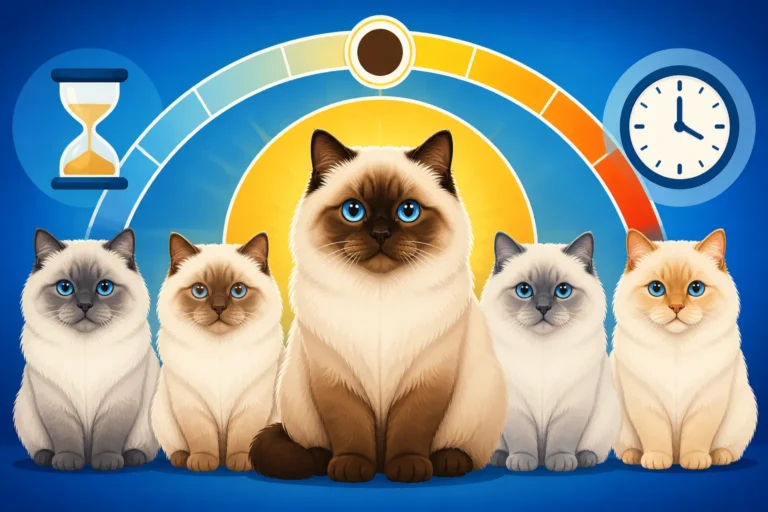
One of the most significant pitfalls in many breeder guarantees for PKD is the timeframe. It's not uncommon to see guarantees that only cover genetic conditions for the first year or two of a kitten's life. This is where the slow progression of PKD becomes a critical issue. While tiny cysts are present from birth, they often don't grow large enough to be definitively detected by ultrasound until the cat is at least 6 months to a year old, and sometimes even later. In some cases, a mild form of the disease might not cause noticeable issues or large cysts until the cat is several years old.
Imagine the heartbreak: you bring home a beautiful Himalayan, the guarantee expires at two years old, and then at five or six, your vet definitively diagnoses PKD after noticing symptoms. At that point, your guarantee is long gone, and you're left facing costly treatments alone. A truly comprehensive guarantee for PKD should extend much further, ideally for several years, recognizing the insidious nature of the disease. Our article, At What Age a Himalayan's Cysts Become Visible, provides more insight into the diagnostic timeline.
Environmental vs. Genetic Factors
Another common tactic in less robust guarantees is to create ambiguity between genetic conditions and those potentially caused by environmental factors, diet, or general care. While this distinction is valid for some ailments, it's largely a smokescreen when it comes to PKD. Polycystic Kidney Disease in Himalayans is unequivocally a genetic disease. It is caused by inheriting the specific PKD1 gene mutation. There's no environmental trigger for it. If a cat carries the gene, it will develop cysts.
However, a breeder might try to argue that other kidney issues (like kidney stones or infections) are not covered, which is fair. But if your cat is diagnosed with PKD, there should be no debate about its genetic origin. Beware of guarantees that are vaguely worded or try to shift blame to your care or diet for a condition that is genetically predetermined. The crucial point is confirming the specific PKD diagnosis.
The "Return Policy" Clause
Many guarantees include a clause requiring the return of the affected cat in order to receive a replacement kitten or a refund. For any loving pet owner, this is often an emotionally impossible demand. By the time a serious genetic condition like PKD is diagnosed, often years after adoption, your cat is a beloved family member. The thought of returning them, especially when they may be ill, is unbearable. This clause effectively renders many guarantees useless for the owner, even if the condition is genuinely covered.
Some breeders, recognizing this emotional bond, might offer a partial refund of veterinary expenses up to the purchase price of the kitten, or a discount on a future kitten, without requiring the return of the original cat. These are far more humane and realistic options. Always clarify this aspect of the guarantee. If the only remedy is to return your precious companion, consider the practical value of such a guarantee against the emotional toll it would take.
Beyond the Guarantee: Proactive Steps for Kidney Health
While a good breeder guarantee offers a layer of protection, your proactive involvement is the most powerful tool in ensuring your Himalayan's kidney health. This starts long before you even bring your kitten home and continues throughout their life.
Insisting on Parentage Testing Documentation
This cannot be stressed enough: the single most important step you can take to prevent PKD is to insist on seeing the genetic test results for both parents of your prospective kitten. A reputable breeder will have these readily available and will be proud to share them. Do not accept a breeder's verbal assurance or a general statement like "our lines are clear." You need to see actual certificates from a recognized veterinary laboratory. These certificates should clearly state the name of the cat, its microchip or tattoo number, and the test result (e.g., "PKD1 N/N Clear" or "Negative").
Understanding these documents is crucial. If both parents are "N/N Clear" (meaning they don't carry the gene), then your kitten is genetically guaranteed to be PKD-free. If one parent is a carrier (N/P or heterozygous), they should not be bred with another carrier, and certainly not without full transparency and a clear understanding of the risks. Any hesitation from a breeder to provide these documents should be a serious warning sign. Our article on Which Two Certificates a Himalayan Breeder Owes You details what specific paperwork to request.
Early Veterinary Scans and Monitoring
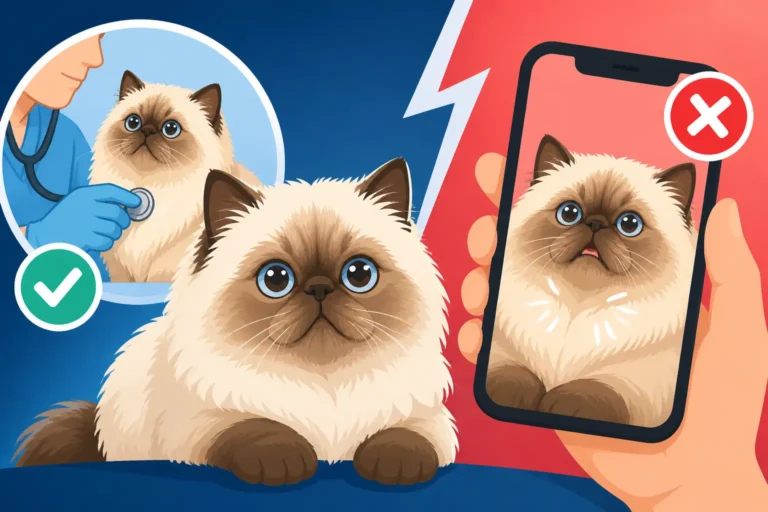
Even if both parents are certified PKD clear, some owners choose to have a baseline renal ultrasound for their kitten between 6-12 months of age. While technically unnecessary for a kitten from tested clear parents, it can offer an additional layer of absolute certainty and establish a baseline for kidney structure. For Himalayans whose parentage testing status is unknown, or if there's any doubt, an early ultrasound is absolutely critical. This is because How Early Cysts Show on a Himalayan's Kidney Scan can vary, but by 6-12 months, if cysts are present due to PKD, they are usually detectable.
Beyond initial screening, regular veterinary check-ups are paramount throughout your Himalayan's life. As they age, your vet will monitor kidney function through blood and urine tests, especially from around five to seven years old, as part of routine senior screening. Early detection of any kidney issues, whether PKD-related or otherwise, allows for proactive management to slow progression and maintain quality of life. Even if your cat inherited the Persian kidney gene, managing its health from an early stage can make a difference. We have a detailed post on Living With a Himalayan That Inherited the Persian Kidney Gene that offers practical advice.
Lifestyle and Dietary Support for Kidney Health
While diet and lifestyle cannot prevent genetic PKD, they play a crucial role in overall kidney health and can support cats that do develop kidney issues. Hydration is key. Ensure your Himalayan always has access to fresh, clean water in multiple locations. Many Himalayans prefer wide, shallow bowls that don't bend their sensitive whiskers, or even a pet fountain to encourage drinking. Products and resources from retailers like Chewy can be invaluable for finding the right type of water bowls or specialized kidney-supportive diets prescribed by your vet.
A high-quality diet, rich in easily digestible protein and appropriate for a cat's carnivorous needs, supports all organ systems, including the kidneys. While it's not a cure for PKD, feeding a balanced, nutritious diet can contribute to your cat's overall well-being and potentially slow the progression of kidney disease by reducing the workload on their kidneys. Always consult with your veterinarian before making significant dietary changes, especially if your cat has a known kidney condition.
Financial Safety Nets: Insurance and Savings
Even with the best breeder guarantees and proactive measures, unexpected health issues can arise. Having a financial plan in place for potential veterinary costs is a responsible part of pet ownership, especially for a breed like the Himalayan with known predispositions.
Pet Insurance Considerations for Himalayans
Pet insurance can be a lifesaver, but it's crucial to understand how it works, especially concerning genetic conditions. The golden rule with pet insurance is to enroll your cat before any symptoms or diagnoses appear. Pet insurance policies almost universally exclude "pre-existing conditions." This means if your Himalayan is diagnosed with PKD before you get insurance, or during the waiting period of your policy, the insurance will not cover treatment for that condition. This is why our article Why to Insure a Himalayan Before Its First Kidney Scan emphasizes early enrollment.
When choosing a policy, read the fine print regarding genetic conditions. Reputable providers like Healthy Paws often cover genetic conditions as long as they are not pre-existing. However, if a breeder's guarantee is weak and you have any concerns about PKD, getting insurance early is your strongest financial defense. It can help cover the costs of diagnostics, medications, and ongoing treatments for kidney disease, which can be substantial over a cat's lifespan. Remember, your cat’s health costs from kitten to fifteen can be significant, so plan ahead.
The "Kidney Fund" Approach
An alternative or complementary approach to pet insurance is to create a dedicated savings account specifically for your cat's potential future veterinary needs – a "kidney fund," so to speak. This involves setting aside a certain amount of money each month, similar to paying an insurance premium. The advantage is that you have direct access to the funds when needed, and there are no exclusions for pre-existing conditions or claim denials.
The downside is that a sudden, major illness early in your cat's life might hit before you've had a chance to save a substantial amount. However, for ongoing management of conditions like PKD, which can involve regular check-ups, specialized diets, and medications, a savings fund can be a very practical way to manage costs. For many owners, a combination of a robust emergency fund and pet insurance provides the most comprehensive financial security.
Making an Informed Decision: Questions to Ask Your Breeder
Navigating the world of cat breeders can be daunting, but asking the right questions about health guarantees and specifically PKD is paramount. Don't be shy; a good breeder welcomes informed buyers.
Probing PKD Testing and Guarantee Details
When you speak with a breeder, move beyond general questions and get specific about PKD. Ask for written copies of their health guarantee before you commit to a kitten. Don't just rely on what's online or what they say over the phone.
Here are some pointed questions to consider:
- "Can I see the PKD DNA test certificates for both the dam (mother) and sire (father) of this litter? What laboratory performed the tests?"
- "Does your health guarantee specifically mention Polycystic Kidney Disease? What is the duration of this coverage?"
- "If my kitten is diagnosed with PKD, what are the exact terms of the guarantee? Does it require the return of the cat, or are there financial compensation options?"
- "What diagnostic evidence is required to make a claim under the PKD guarantee? (e.g., specific vet reports, ultrasound results)"
- "Have there been any instances of PKD in your breeding lines in the past, and how have you addressed them?"
Understanding the Breeder's Responsibility
A truly responsible breeder views their guarantee not just as a legal document, but as a reflection of their commitment to the health and well-being of the cats they produce. They will be transparent about potential health concerns in the breed and the steps they take to mitigate them. If a breeder is evasive, deflects questions, or downplays the importance of PKD testing, it's a significant red flag.
Remember, a breeder's responsibility extends beyond the sale. They should be a resource for you as your cat grows, offering advice and support. Their guarantee should offer genuine peace of mind, not just legal loopholes. By doing your homework, insisting on proper documentation, and understanding the nuances of health guarantees, you empower yourself to make the best choice for a healthy, happy Himalayan companion.
Navigating a PKD Diagnosis: What Next?
Even with the best intentions and most thorough vetting, sometimes life throws us curveballs. If, despite all precautions, your beloved Himalayan receives a PKD diagnosis, it's natural to feel overwhelmed and heartbroken. However, a diagnosis is not the end; it's the beginning of a new phase of care focused on managing the condition and maximizing your cat's comfort and lifespan.
Working with Your Veterinarian
Upon diagnosis, your veterinarian will be your most important ally. They will confirm the diagnosis, often through an ultrasound, which is the most definitive way to visualize kidney cysts. Our article, How Early Cysts Show on a Himalayan's Kidney Scan, delves into what vets look for. Your vet will assess the stage of the disease and develop a personalized management plan. This plan typically involves regular monitoring of kidney function through blood and urine tests, which are crucial for tracking progression and adjusting treatment.
Treatment for PKD is primarily supportive, focusing on slowing the progression of kidney disease and managing symptoms. This often includes dietary changes to a kidney-specific prescription diet, which is designed to reduce the workload on the kidneys and manage waste product buildup. Your vet might also recommend medications to control blood pressure, manage nausea, or supplement electrolytes. The goal is to maintain your cat's quality of life for as long as possible.
Managing a Himalayan with PKD Long-Term
Living with a Himalayan that has PKD requires dedication and attention to detail. Consistent adherence to dietary recommendations is vital. Kidney diets are formulated with controlled protein, phosphorus, and sodium levels. You may find specific kidney-friendly foods available at large pet supply retailers like Chewy or through veterinary clinics. Ensuring adequate hydration remains critical; consider wet food, adding water to food, or using a pet fountain.
Regular veterinary check-ups, typically every 3-6 months depending on the stage of the disease, are essential to monitor kidney values and make necessary adjustments to the treatment plan. It's about proactive management, not reactive crisis intervention. While challenging, many cats with PKD can live full and comfortable lives for years with proper care. It's about cherishing every moment and providing the best possible support for your unique companion.
Conclusion: Prioritizing Health and Peace of Mind
Bringing a Himalayan into your home is a long-term commitment, and their health is a primary concern. While breeder guarantees offer a layer of protection, especially regarding specific genetic conditions like Polycystic Kidney Disease, it's clear that these guarantees can vary widely in their scope, duration, and practicality. The most effective defense against PKD remains your diligent research and proactive engagement.
By insisting on clear genetic testing documentation for the parents, carefully scrutinizing the specifics of any health guarantee, and understanding its limitations, you equip yourself with the knowledge to make an informed decision. Furthermore, a commitment to ongoing veterinary care, appropriate diet, and financial planning through insurance or savings provides the most comprehensive safeguard for your beloved feline companion. Choose wisely, nurture deeply, and enjoy the unique charm of your Himalayan for many healthy years to come.
Disclaimer
This article is for general informational purposes only and does not constitute professional advice. Laws, prices and regulations vary by location and change over time. Consult a qualified professional for guidance on your specific situation.