Which Grooming Tools a Himalayan Owner Cannot Skip
Anyone who has welcomed a beautiful Himalayan cat into their home quickly learns that their luxurious, flowing coat and charming flat face are truly a labor of love. It’s not just about looking good; it's about comfort, health, and a daily commitment that can feel overwhelming if you don't have the right equipment. This guide is here to walk you through the essential grooming tools you simply cannot skip, ensuring your Himalayan stays happy, healthy, and tangle-free.
The Essential Daily Combing Kit for a Himalayan's Coat
Let’s be honest: a Himalayan's coat is magnificent, but it's also a magnet for mats. Those long, silky hairs, especially the dense undercoat, will intertwine into stubborn knots faster than you can say "furball" if left unattended. This isn't just an aesthetic problem; mats can pull on the skin, causing pain, skin irritation, and even infections. Your daily comb-out isn't a luxury; it's a necessity, and having the right tools makes all the difference in keeping your cat comfortable and preventing serious issues down the line.
The Mighty Steel Comb: Your First Line of Defense
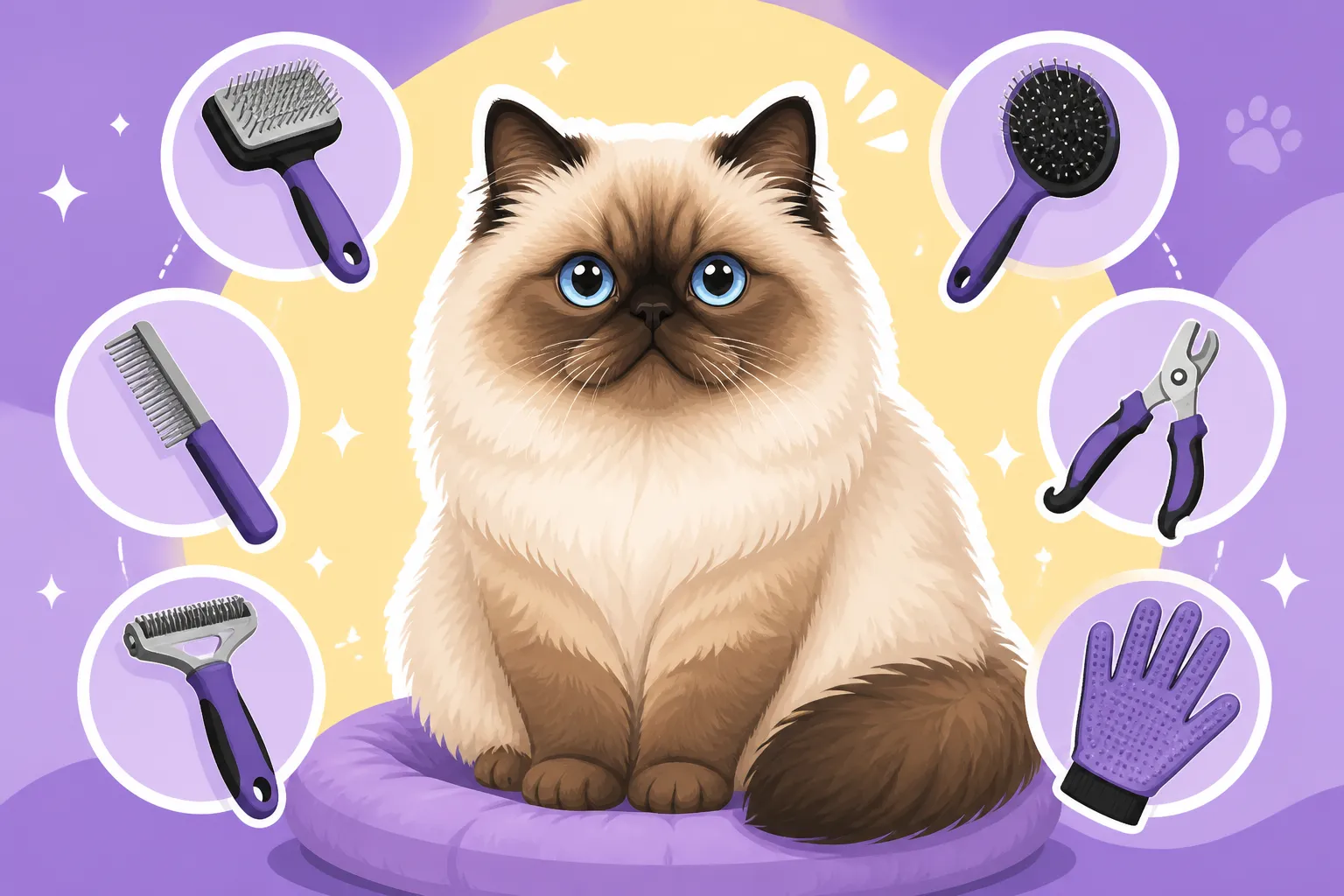
When it comes to maintaining that glorious Himalayan coat, a high-quality, sturdy steel comb is your absolute best friend. Forget those flimsy plastic combs or brushes with soft bristles that just glide over the surface. What you need is a comb with teeth long enough to penetrate deep into that dense undercoat, reaching all the way down to the skin.
Think about it: your Himalayan has a double coat. The outer guard hairs are long and silky, while underneath lies a thick, soft undercoat that loves to felt together. A comb with alternating wide and fine teeth is often ideal. The wider teeth can work through the larger, looser tangles and help you feel for any budding mats, while the finer teeth are excellent for tidying up the topcoat and ensuring every strand is smooth. You’ll want one that feels solid in your hand, with rounded, smooth tips on the teeth so you don't scratch your cat’s delicate skin. A good metal comb won’t bend or break, even when encountering a bit of resistance, and it’s surprisingly easy to clean. Many seasoned Himalayan owners swear by a 7.5-inch greyhound comb for its balance and efficacy, knowing it’s built to last through years of daily grooming sessions. Without this daily ritual, you'll find yourself battling mats that only grow worse, eventually requiring a trip to the groomer for a shave-down, which no one wants. This daily comb is truly The Daily Comb a Himalayan Cannot Skip.
Dematting Tools for When Things Go Awry
Despite your best efforts, sometimes a mat just happens. Perhaps you missed a day, or your cat decided to have an enthusiastic roll under the sofa. When you encounter a stubborn mat, reaching for scissors out of frustration is almost always a bad idea – it’s incredibly easy to accidentally cut your cat’s skin, especially with how thin and loose it can be under a dense mat. This is where specialized dematting tools come in.
A good dematting comb, often called a mat rake or a mat splitter, is designed with sharp, curved blades on the underside of the teeth. These blades are crafted to gently slice through mats without pulling excessively on the surrounding fur or damaging the healthy coat. The key is to use them carefully, working with small sections of the mat at a time, always pulling away from the skin. It’s a slow and patient process, but far safer than scissors. Another invaluable tool for loosening smaller tangles before they become full-blown mats is a de-tangling spray. A spritz of a good quality, cat-safe detangler can lubricate the hair, making it easier for your steel comb to glide through the snags. While these tools are fantastic for damage control, remember they are not a substitute for daily combing. Preventing mats is always easier and less stressful for your Himalayan than removing them. Ignoring these early signs of tangles can quickly escalate, becoming a painful situation where Why a Missed Day Costs a Himalayan a Mat becomes a stark reality.
Dealing with Shedding: The Deshedding Tool Debate
Himalayans, with their luxurious double coats, do shed. Not as much as some breeds, perhaps, but enough to warrant attention, especially during seasonal changes. While your daily steel comb will remove a good amount of loose hair, some owners consider a deshedding tool to help manage the volume.
Tools like the Furminator, which is a popular brand, are designed with a fine-toothed blade that works to pull out loose undercoat without cutting the guard hairs. For some Himalayans, especially those with particularly dense undercoats, these tools can be quite effective in reducing the amount of hair floating around your home and ingested by your cat. However, it’s a tool that needs to be used with extreme caution and moderation. Overuse, or using too much pressure, can irritate your cat's skin, remove too much healthy undercoat, or even damage the outer guard hairs. The key is short, gentle strokes, and only using it when there's a significant amount of loose undercoat to be removed. Some Himalayans tolerate it well, while others find it too harsh. Always observe your cat's reaction. If they show signs of discomfort or irritation, stick to your trusty steel comb. A good alternative for general shedding management that is gentler is a pin brush with widely spaced, rounded pins. This can help lift loose hair and stimulate the skin without the aggressive action of a deshedding blade.
Facial Care Fundamentals: Tools for Those Expressive Eyes and Nose
The Himalayan’s distinctive flat face, while undeniably charming, comes with its own set of grooming challenges. Their large, round, expressive blue eyes and sometimes recessed nose folds require daily attention to prevent tear staining, skin irritation, and even infection. Neglecting this routine can lead to discomfort for your cat and unsightly marks that are difficult to remove once they've set in.
Soft Wipes and Cotton Pads: Daily Necessities
Daily facial cleaning is non-negotiable for a Himalayan. Those beautiful, wide-set blue eyes tend to tear up more than most breeds due to their facial structure. This moisture, if left to dry on the fur, can quickly become a breeding ground for yeast and bacteria, leading to those reddish-brown tear stains that mar their otherwise pristine pale coats. Your first line of defense is simple: soft, lint-free wipes or plain cotton pads and warm water.
Every morning, make it a habit to gently wipe the area around your Himalayan’s eyes, starting from the inner corner and moving outwards. Use a fresh pad for each eye to avoid spreading any potential irritation. It's not just about cleaning the visible tears; it's about keeping the skin and fur dry. For persistent wetness, a dry cotton pad or a soft cloth specifically designated for facial drying can follow the wet wipe. Some owners even use a tiny dab of petroleum jelly below the tear line (never in the eye itself) to create a barrier against moisture on the fur. Consistency is key here. By tackling the moisture daily, you prevent the stains from setting and keep your cat's delicate skin healthy. This routine is part of The Morning Face Routine Every Himalayan Needs. For particularly sensitive skin, you might find some pet-specific wipes on platforms like Chewy that are formulated to be gentle around the eyes and free from harsh chemicals, making the daily ritual a little easier.
Specialty Cleaners for Tear Stains
While daily wiping with water is crucial for prevention, sometimes established tear stains need a little extra help. Over time, the porphyrins in your cat's tears, combined with yeast or bacterial growth, can create stubborn rust-colored marks that seem impossible to shift. This is where specialty tear stain removers come into play.
These products often come in liquid or powder form and contain gentle cleansing agents designed to break down and lift the discoloration. It's vital to choose products specifically formulated for cats and, more importantly, those that are safe for use around the eyes. Always read labels carefully and avoid anything containing harsh chemicals, bleach, or antibiotics unless prescribed by your vet. When using a liquid cleanser, apply it to a fresh cotton pad and gently wipe the stained areas, being careful to avoid direct contact with the eye itself. For powders, these are typically applied to dry fur after cleaning, creating a barrier that helps absorb moisture and prevent new stains. While these can be effective, they are not a quick fix. Consistent application over several weeks is usually required to see significant improvement, alongside your daily water wiping routine. Remember, if the tearing is excessive, accompanied by redness, swelling, or discharge, it’s time for a vet visit, as there might be an underlying medical issue like entropion or a blocked tear duct, which What Entropion Does to a Himalayan's Blue Eye covers in more detail.
Keeping the Nose Fold Clean and Dry
Another unique feature of the Himalayan’s flat face is the potential for a prominent nose fold or "chin wrinkle." This lovely crease can easily trap moisture, food particles, and debris, becoming a warm, damp environment perfect for yeast and bacterial infections, leading to an unpleasant odor and skin irritation known as fold dermatitis.
Cleaning this area requires diligence. After wiping the eyes, gently lift the fold and use a clean, dry cotton swab or a corner of a soft cloth to thoroughly dry the skin within the crease. If there's any visible gunk, a slightly damp wipe with plain water or a very mild, cat-safe antiseptic wipe (again, consult your vet for recommendations) can be used first, followed immediately by thorough drying. The key is to ensure the area is completely dry afterward. Some owners even apply a thin layer of cornstarch or a pet-safe soothing powder to help keep the area dry, but always ensure it's free of perfume and won't clump. Pay close attention to any redness, soreness, or a foul smell, as these are signs of infection that require veterinary attention. This often overlooked spot is critical for your Himalayan’s comfort and health. Taking the time to master Cleaning the Fold Beside a Himalayan's Flattened Nose will prevent a lot of discomfort and vet visits.
Beyond the Basics: Nail Trimming and Dental Health
While the coat and face demand the most frequent attention, neglecting other aspects of your Himalayan's grooming can lead to discomfort, health problems, and costly vet bills. Regular nail trims and dental care, though perhaps less glamorous, are equally vital for their overall well-being.
The Right Clippers for Himalayan Claws
Unlike outdoor cats who naturally wear down their claws, indoor Himalayans need regular nail trims. Their short, cobby legs and generally less active nature mean their claws don't get much natural filing. Overgrown claws can curl back into the paw pads, causing pain, infection, and making it difficult for your cat to walk comfortably.
You'll need a good quality pair of cat-specific nail clippers. There are two main types: scissor-style and guillotine-style. Many owners find the scissor-style easier to use, especially for cats with thick claws, as it offers more control and a clearer view of the quick (the pink part inside the nail that contains nerves and blood vessels). Regardless of the style, ensure the blades are sharp to provide a clean cut and prevent splitting the nail. Getting your Himalayan used to nail trims from a young age is beneficial. Start slowly, trim just one or two nails at a time, and always reward them with praise and a tasty treat. Aim for a trim every 2-4 weeks. If you’re nervous about cutting too far, ask your vet or a professional groomer to show you the ropes. They can quickly demonstrate Which Clippers Suit a Himalayan's Heavy Persian Claw and ensure you're confident. Skipping this simple task can lead to painful ingrown claws and mobility issues.
Brushing Up on Dental Care for Crowded Jaws
Himalayans, due to their brachycephalic (flat-faced) skull structure inherited from their Persian lineage, often have crowded jaws. This means their teeth can be misaligned, overlap, or be packed too closely together, creating perfect little nooks and crannies for plaque and tartar to accumulate. This predisposition makes dental care especially critical.
Regular tooth brushing is the gold standard for preventing dental disease. You'll need a cat-specific toothbrush (often a small brush that fits over your finger or a tiny brush with an angled head) and cat toothpaste – never use human toothpaste, as it contains ingredients toxic to cats. Start slowly, letting your cat taste the toothpaste first, then gently introduce the brush. Focus on the outside surfaces of the teeth, as this is where plaque tends to build up most. Even a few times a week can make a significant difference. If brushing isn't feasible, dental rinses, water additives, or specialized dental treats can offer some benefit, but they are not as effective as brushing. Ignoring dental hygiene can lead to painful gum disease, tooth resorption, and even systemic health problems. Your vet will recommend regular dental check-ups and potentially professional cleanings under anesthesia, especially since Why a Himalayan Needs Dentals Earlier Than a Siamese. Proactive home care can help extend the time between these more involved procedures.
Ear Care Essentials for Small, Low-Set Ears
A Himalayan's ears are typically small and set low, tucked away beneath their glorious ruff. While generally less prone to infection than some breeds, they still need occasional checks and gentle cleaning to prevent wax buildup or irritation.
During your regular grooming sessions, take a moment to gently fold back your Himalayan’s ear flap and inspect the inside. The inner ear should look clean, pale pink, and free from excessive wax, redness, or odor. If you see a small amount of light brown wax, this is normal. To clean, use a cotton ball or a soft cloth slightly dampened with a vet-approved ear cleaning solution designed for cats. Gently wipe the visible parts of the outer ear and the crevices of the inner ear flap. Never insert cotton swabs or anything else deep into the ear canal, as this can push debris further in or damage delicate structures. If you notice a foul odor, dark brown or black discharge, excessive scratching, head shaking, or any signs of pain, it's time for a vet visit. These can be indicators of ear mites, infection, or allergies. A healthy ear is a quiet ear, and a quick, gentle check once a week is usually all that's needed to catch any issues early.
Creating a Stress-Free Grooming Environment
Grooming isn't just about the tools; it's about the experience. For a Himalayan, who appreciates routine and calm, creating a positive, stress-free grooming environment is crucial for building trust and ensuring cooperation. A relaxed cat is a cooperative cat, making the whole process much smoother for both of you.
The Importance of a Dedicated Grooming Surface
Where you groom your Himalayan can significantly impact their comfort and your effectiveness. Trying to comb a long-haired cat on the floor or a squishy bed often results in an uncooperative struggle, poor visibility, and backaches for you. A dedicated grooming surface provides stability, height, and a clear workspace.
Many Himalayan owners find a sturdy, non-slip table or even a designated counter space works best. The surface should be at a comfortable height for you, allowing you to easily reach all parts of your cat without stooping too much. Placing a non-slip mat or a towel on the surface will give your cat better traction and make them feel more secure. This stability helps them relax and stand or lie still more comfortably. Imagine trying to detangle a mat when your cat is constantly shifting and sliding; it's nearly impossible. A consistent grooming spot also signals to your cat that it's "grooming time," helping them anticipate the routine. Over time, they'll associate this space with gentle handling and positive reinforcement, making the process less intimidating.
Treats and Rewards: Making Grooming a Positive Experience
Positive reinforcement is your most powerful tool in the grooming kit. Himalayans, like most cats, respond incredibly well to rewards and praise. Turning grooming into a pleasant experience, rather than a chore, will pay dividends for years to come.
Start by introducing grooming tools gradually, letting your cat sniff them and offering a treat. During actual grooming sessions, keep them short, especially when first starting out. As you comb a section of fur or wipe an eye, offer gentle praise and a small, highly palatable treat. High-value treats, like a little bit of cooked chicken, salmon, or a soft, chewy treat, work wonderfully. The goal is to associate the grooming process with positive outcomes. If your cat tolerates a longer session, fantastic! If they start to get antsy, end the session on a positive note, even if you haven't finished everything, and try again later. Never force your cat or make grooming a punishment. This will only build resentment and make future sessions more difficult. A calm demeanor from you, paired with consistent rewards, will transform grooming from a battle into a bonding experience, teaching your cat that good things happen when they cooperate.
Handling a Himalayan for Successful Grooming
Proper handling is fundamental to successful grooming. Himalayans are generally docile and affectionate, but they also appreciate feeling secure and respected. Knowing how to hold and position your cat correctly will not only make grooming easier but also safer for both of you.
When combing or wiping their face, support their body gently but firmly. For the coat, start by petting them, then slowly introduce the comb, working in sections. Many Himalayans prefer to be combed while lying on their side or back, allowing you easier access to their tummy and britches, which are common areas for mats. Always approach their face and eyes gently, talking to them in a soothing voice. For their paws and nails, hold the paw firmly but without squeezing, gently extending each toe to expose the nail. If your cat becomes agitated, take a break. A quick cuddle and a moment of calm can often reset the situation. Learning how to properly lift and secure your cobby Himalayan without straining their back or making them feel vulnerable is a skill that comes with practice. The goal is to make them feel safe and comfortable in your hands, knowing that you are working with them, not against them. Over time, your cat will come to trust your touch during grooming, understanding that your gentle handling means you’re taking care of them. Handling a Himalayan So It Will Let You Comb It is a skill worth developing early.
| Grooming Tool | Primary Use | Key Features | Frequency of Use | Important Considerations |
|---|---|---|---|---|
| Steel Comb | Daily coat maintenance, detangling | Alternating wide/fine teeth, sturdy metal, rounded tips | Daily | Must penetrate to skin; gentle but thorough strokes. |
| Dematting Comb/Rake | Removing stubborn mats and tangles | Sharp, curved blades (underside), ergonomic handle | As needed | Use with extreme caution; avoid pulling; never use scissors near skin. |
| Deshedding Tool | Removing loose undercoat (e.g., Furminator) | Fine-toothed blade | Weekly/Bi-weekly | Use sparingly and gently; can irritate skin or damage coat if overused. |
| Soft Wipes/Cotton Pads | Daily eye and nose fold cleaning | Lint-free, soft, pre-moistened or with warm water | Daily | Use fresh pad for each eye; ensure thorough drying of nose fold. |
| Tear Stain Remover | Addressing established rust-colored tear stains | Cat-safe formula, liquid or powder | As per product | Always check ingredients for safety; consistency is key for results. |
| Nail Clippers | Trimming claws | Scissor-style or guillotine-style, sharp blades | Every 2-4 weeks | Avoid the quick; use positive reinforcement; get professional guidance if unsure. |
| Cat Toothbrush | Brushing teeth | Small head, soft bristles, finger brush option | Daily to a few times/wk | Use cat-specific toothpaste only; focus on outer surfaces; important for crowded jaws. |
| Ear Cleaner | Gentle ear cleaning | Vet-approved solution | As needed (monthly check) | Never insert deep into ear canal; consult vet for signs of infection. |
Disclaimer
This article is for general informational purposes only and does not constitute professional advice. Laws, prices and regulations vary by location and change over time. Consult a qualified professional for guidance on your specific situation.