Why a Himalayan’s Vet Year Is Eyes, Teeth and Kidneys
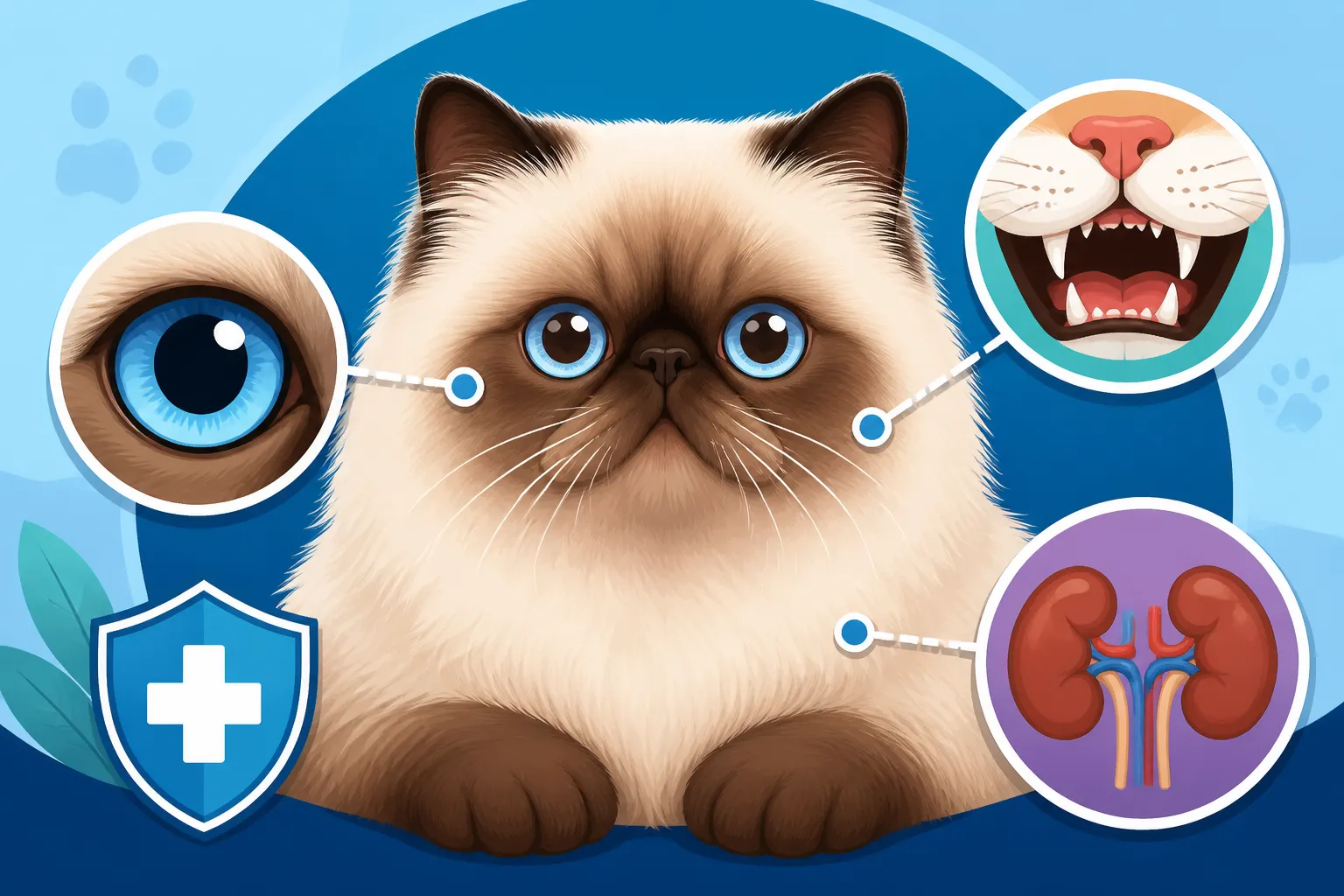
Bringing a beautiful Himalayan cat into your life is an absolute joy, but it’s also a commitment to their unique health needs. Many new owners, captivated by their stunning coats and sweet personalities, don't fully anticipate that a significant portion of their annual veterinary budget will often revolve around three key areas: their eyes, their teeth, and their kidneys. This guide aims to shed light on why these specific concerns are so prevalent in Himalayans and how to proactively manage them for a long, happy life together.
The Unique Veterinary Needs of the Himalayan Cat
It's easy to fall in love with a Himalayan's serene expression and luxurious coat, but underneath that fluffy exterior lies a genetic blueprint that requires particular attention. These cats are a stunning blend of the robust Siamese and the elegant Persian, and while they inherited the best of both worlds in terms of looks and temperament, they also picked up some predispositions to certain health challenges. Understanding this heritage is the first step in providing the best preventative care and knowing what to expect when you visit the vet.
The Persian Legacy: Inherited Health Concerns
The most striking features of a Himalayan, from its cobby body to its dense coat and that characteristic flat face, come directly from its Persian lineage. While these traits are undeniably adorable, they bring with them a set of inherited health considerations that demand vigilant care. The flattened facial structure, a hallmark of many show-type Himalayans (often referred to as "Peke-face" types), can lead to brachycephalic airway syndrome, affecting their breathing and making them more susceptible to overheating. Beyond the respiratory challenges, this facial structure also contributes to eye and dental issues. Their deep-set eyes often have trouble draining tears properly, leading to tear staining and potential skin irritation.
But perhaps the most significant health concern inherited from the Persian side is Polycystic Kidney Disease (PKD). This is a genetic condition where cysts form in the kidneys, gradually growing and eventually impairing kidney function. It's a progressive disease, meaning it worsens over time, and sadly, it was once incredibly common in Persian lines, and by extension, in Himalayans. Reputable breeders today rigorously test for PKD to ensure they are not passing it on, but it remains a crucial consideration for any Himalayan owner. PKD1 Came Down the Persian Side of a Himalayan and understanding its genetic pathway is vital.
The Siamese Influence: Unexpected Vulnerabilities
While the Persian side contributes to many of the physical challenges, the Siamese influence also plays a subtle role in a Himalayan's health profile. Beyond their distinct point coloration and vocal tendencies, the Siamese bloodline carries its own set of genetic predispositions. For instance, while not as common or universally recognized as PKD, certain forms of progressive retinal atrophy (PRA) can be found in some Siamese lines, which theoretically could transfer to Himalayans. This condition causes the degeneration of the retina, eventually leading to blindness. It's less discussed than PKD, but equally important, as any cat losing its sight deserves compassionate care.
Furthermore, the general health and vitality of the Siamese genes, while largely positive, don't completely offset the physical challenges brought by the extreme Persian features. For example, while Siamese cats are generally lithe and athletic, a Himalayan's cobby build and shortened respiratory system mean they cannot maintain the same level of activity. This lower activity level, combined with a luxurious coat that can easily mat, requires a careful balance of diet and grooming to prevent obesity and skin issues. The blend of these two distinct genetic lines creates a cat that is uniquely beautiful but requires a unique approach to veterinary care.
Understanding and Managing Polycystic Kidney Disease (PKD)
Polycystic Kidney Disease (PKD) is undeniably one of the most significant health concerns for Himalayan cats, given their strong Persian heritage. It's a condition that can cast a long shadow over an owner's peace of mind, but with modern advancements in veterinary medicine and responsible breeding practices, its impact can often be managed, or even avoided entirely.
Early Detection and Genetic Testing for PKD
The good news about PKD is that it's an inherited condition with a known genetic marker. This means that reputable breeders can (and should) test their breeding cats to ensure they are free of the gene. If both parents are clear, their kittens will also be clear of PKD. As a prospective owner, always ask for proof of PKD testing for the kitten’s parents; this is paramount. How to Read a Himalayan's PKD Certificate will give you confidence in understanding these crucial documents.
For cats whose genetic history isn't fully known, or as a secondary confirmation, an ultrasound can detect cysts on the kidneys. These cysts are present from birth but are tiny, gradually growing larger over time. Early detection, whether through genetic testing or an ultrasound as they mature, allows for proactive management. While a definitive genetic test can clear a Himalayan for PKD, an ultrasound still backs up a Himalayan’s gene test by visually confirming the absence of significant cysts. This dual approach provides the most comprehensive picture of your cat's kidney health.
Living with a PKD-Positive Himalayan
If your Himalayan tests positive for PKD or develops cysts, it's certainly upsetting, but it’s not an immediate death sentence. Many cats with PKD can live full, comfortable lives for many years, especially with attentive veterinary care and management. The key is to monitor their kidney function regularly. This usually involves routine blood tests to check kidney values (like BUN and creatinine) and urine specific gravity. Your vet might recommend starting these checks around five years of age or even earlier if cysts are observed. Living With a Himalayan That Inherited the Persian Kidney Gene means focusing on supportive care to slow the progression of the disease.
Managing a PKD-positive Himalayan often involves staying proactive rather than reactive. This means keeping them well-hydrated, encouraging water intake with multiple water bowls, filtered fountains, or adding water to their food. Any signs of increased thirst, changes in urination, or lethargy should prompt a vet visit, as these can be indicators of worsening kidney function.
Dietary Management and Renal Support
Diet plays a crucial role in supporting a Himalayan with PKD. Once kidney function begins to decline, your vet will likely recommend a specialized renal diet. These diets are carefully formulated to be lower in protein, phosphorus, and sodium, which helps to reduce the workload on the kidneys and slow the progression of the disease. They also often contain higher levels of omega-3 fatty acids to help reduce inflammation.
Transitioning to a new diet can be challenging, especially for picky eaters, but it's a vital step. Brands like Chewy offer a wide variety of prescription renal diets, often with home delivery, which can make the process easier. Some owners even explore fresh food options that can be customized to meet specific dietary restrictions, always under veterinary guidance. Finding a food that your cat will readily eat is key, as consistent nutrition is essential. Your vet will guide you on Which Renal Diet a Cyst Positive Himalayan Ends Up On based on the stage of their kidney disease.
Table 1: Common Himalayan Health Concerns & Management
| Health Concern | Primary Cause | Common Signs | Management Strategies | Preventative Measures |
|---|---|---|---|---|
| Polycystic Kidney Disease (PKD) | Genetic (Persian) | Increased thirst/urination, lethargy, weight loss | Renal diet, hydration, regular vet checks | Genetic testing of breeding cats, ultrasound screening |
| Brachycephalic Airway Syndrome | Flat face (Persian) | Snoring, heavy breathing, panting, overheating | Weight management, avoiding heat, surgical correction | Careful breeding for less extreme profiles, vet assessment |
| Tear Staining / Eye Issues | Flat face (Persian) | Reddish-brown stains, eye irritation, discharge | Daily cleaning, specific eye drops, vet intervention | Regular grooming, monitoring |
| Dental Disease | Crowded jaw (Persian) | Bad breath, difficulty eating, gum inflammation | Professional dental cleanings, at-home brushing | Early dental care, dental treats, appropriate diet |
| Progressive Retinal Atrophy (PRA) | Genetic (Siamese/Persian) | Night blindness, bumping into objects, dilated pupils | Supportive environment, maintaining routine | Genetic testing of breeding cats |
Navigating Eye Health for Your Blue-Eyed Beauty
One of the most captivating features of a Himalayan is their stunning, deep blue eyes. However, these beautiful eyes, particularly when paired with their unique facial structure, often require extra attention and care to prevent common issues that can lead to discomfort or more serious problems.
The Flat Face and Chronic Tear Staining
The Himalayan's distinctive flattened face, a trait celebrated in the breed standard, can unfortunately lead to chronic tear staining. Their tear ducts often don't drain tears efficiently, causing them to overflow onto the surrounding fur. This constant moisture creates a breeding ground for yeast and bacteria, leading to unsightly reddish-brown stains, especially noticeable on lighter-colored Himalayans. More than just a cosmetic issue, this dampness can irritate the delicate skin around their eyes, potentially leading to dermatitis.
A daily routine of gently wiping their face with a soft, damp cloth or veterinary-approved eye wipes is crucial. It’s a small habit that makes a huge difference in preventing irritation and keeping those beautiful eyes sparkling. For particularly stubborn stains, your vet might recommend specific solutions, but always consult them before using any product. Maintaining cleanliness around the eyes is key, as Why Tear Stains Are Worse on a Cream Bodied Himalayan can be seen quite clearly.
Recognising and Preventing Corneal Issues
Because of their prominent, often round eyes and the potential for inward-rolling eyelids (entropion) due to their facial structure, Himalayans can be more prone to corneal issues. The cornea is the clear outer layer of the eye, and it can be easily scratched or irritated. Entropion causes the eyelashes to rub against the cornea, leading to constant irritation, watering, and potential ulcers. What Entropion Does to a Himalayan's Blue Eye can be painful and lead to significant vision problems if left untreated.
Symptoms of corneal problems include excessive tearing, squinting, redness, sensitivity to light, or a cloudy appearance in the eye. Any of these signs warrant an immediate veterinary visit, as corneal ulcers can progress rapidly and even lead to vision loss. Regular check-ups with your vet, who can assess your cat's eyelids and overall eye health, are invaluable for early detection and intervention.
Monitoring for Retinal Atrophy
While PKD often takes center stage in discussions of Himalayan health, progressive retinal atrophy (PRA) is another genetic eye condition to be aware of. Though less common than PKD, PRA leads to the degeneration of the retina, the light-sensitive tissue at the back of the eye, eventually resulting in blindness. What Retinal Atrophy Does Behind a Himalayan's Blue Eyes is a slow and irreversible process.
Symptoms usually start with night blindness, as the rods (light-sensitive cells) are affected first, making your cat hesitant to move in dimly lit areas. As the disease progresses, day vision also deteriorates. While there's no cure for PRA, understanding the condition allows owners to create a safe and stable environment for their cat, minimizing changes to furniture layout and providing consistent routines. Reputable breeders should ideally screen for this condition too, providing another layer of assurance for responsible ownership. Why a Himalayan Breeder Should Test Eyes as Well as Kidneys is a question worth asking.
Addressing Dental Challenges in the Himalayan's Brachycephalic Jaw
Beyond their stunning eyes and plush coats, a Himalayan's flattened face also impacts their oral health in significant ways. The brachycephalic (short-nosed) structure means that while their skull is shortened, they still have the same number of teeth as any other cat. This leads to a crowded mouth, which can cause a cascade of dental problems.
Crowded Teeth and Periodontal Disease
Imagine fitting a full set of teeth into a jaw that's just a bit too small – that's the reality for many Himalayans. Their teeth are often misaligned, rotated, or overlap, creating tight spaces where food particles and bacteria can easily get trapped. This crowded environment is a perfect breeding ground for plaque and tartar accumulation, which are the precursors to periodontal disease. Periodontal disease, if left untreated, can lead to painful gum inflammation (gingivitis), infections, loose teeth, and even systemic health issues as bacteria from the mouth enter the bloodstream.
It's not uncommon for a Himalayan's lower canines to even show outside their mouth, or for them to have difficulty picking up certain kibble shapes. This crowding can make eating uncomfortable and grooming their own teeth effectively nearly impossible. This is why Why a Himalayan Needs Dentals Earlier Than a Siamese is a critical point for owners to understand; their needs are different.
The Importance of Regular Professional Cleanings
Given the predisposition to dental issues, regular professional dental cleanings under anesthesia are not just recommended, but often crucial for Himalayans. During these cleanings, your vet can thoroughly scale away tartar, polish the teeth, and examine each tooth and gum line for any signs of disease, such as pockets, resorptive lesions, or infections. X-rays are often taken to assess the health of the tooth roots and underlying jawbone, which are vital as much of the dental disease happens below the gum line.
Your vet will recommend a cleaning schedule based on your individual cat’s needs, but it's not uncommon for Himalayans to require cleanings more frequently than other breeds. Between professional cleanings, at-home dental care can help. This includes brushing with cat-specific toothpaste (if your cat tolerates it), dental rinses, or dental treats. Even if your cat won't allow brushing, using products designed to reduce plaque buildup can make a difference. Early intervention is key; don't wait until your cat shows obvious signs of pain or bad breath to address their dental health.
Proactive Care and Long-Term Wellness Strategies
Owning a Himalayan is a journey, and a fulfilling one at that. To ensure your beloved companion enjoys the longest, healthiest life possible, a proactive approach to their care is absolutely essential. This means looking beyond daily cuddles and delicious meals to embrace a comprehensive wellness strategy that considers their unique breed characteristics.
Regular Vet Check-ups and Preventative Screenings
For Himalayans, routine veterinary visits are more than just a quick glance and a few vaccinations. They are crucial opportunities for preventative screenings that can catch potential issues before they become serious. After all, cats are masters at hiding illness, and a Himalayan's often stoic expression can mask discomfort for days. Annual check-ups, and more frequent visits as they age, allow your vet to monitor their weight, assess their breathing, check their eyes for any early signs of issues, and evaluate their dental health.
Beyond the physical exam, your vet will likely recommend regular blood and urine tests, especially as your Himalayan gets older, to track kidney function and other organ health. This is particularly important for detecting the subtle shifts that can indicate the progression of conditions like PKD or other age-related ailments. Having a strong relationship with a vet who understands the breed-specific needs of Himalayans is invaluable. How Many Years a Himalayan From Tested Lines Lives is significantly influenced by this kind of consistent, preventative care.
The Role of Nutrition in Overall Health
Nutrition is the bedrock of health for any cat, but for Himalayans, it holds extra importance due to their specific needs. Their cobby build and often less active lifestyle mean they can gain weight easily. Obesity exacerbates breathing difficulties related to their flat faces, puts extra strain on their joints, and can worsen conditions like diabetes. A high-quality, protein-rich diet, precisely portioned to their activity level, is crucial.
For cats with conditions like PKD, a veterinary-prescribed renal diet becomes essential, as discussed earlier. For all Himalayans, ensuring they have access to fresh water at all times is vital, especially with their long coats and potential for overheating. Low-sided bowls are often easier for them to eat and drink from comfortably, preventing whisker fatigue and allowing their flat faces easy access. Brands like Chewy offer specialized bowls designed for brachycephalic breeds, making mealtime more comfortable and reducing mess. If you're considering fresh food, always consult your vet to ensure it meets all nutritional requirements, especially if dealing with specific health concerns.
Insurance Considerations for Specialized Care
The reality of specialized veterinary care, particularly for chronic or genetic conditions, is that it can be expensive. From regular dental cleanings under anesthesia to ongoing management of kidney disease or specialized eye treatments, these costs can add up quickly. This is where pet insurance can be a true lifesaver for Himalayan owners.
Investing in a good pet insurance policy early in your cat’s life can provide significant peace of mind. Look for policies that cover hereditary and chronic conditions, not just accidents. Companies like Healthy Paws are known for their comprehensive coverage, which can be invaluable if your Himalayan develops a condition like PKD or requires multiple dental procedures over their lifetime. Research different providers, compare coverage limits, deductibles, and reimbursement percentages. It's a financial decision that could make the difference between providing the best possible care and having to make difficult choices down the line. What a Himalayan Costs From Kitten to Fifteen includes a significant component of lifelong vet care.
Budgeting for Specialized Himalayan Veterinary Care
Let's be realistic: owning a Himalayan cat, while incredibly rewarding, does come with a financial commitment, especially when it comes to their healthcare. The specific predispositions for eye, dental, and kidney issues mean that your annual vet bill might look a little different compared to an owner of a less genetically predisposed breed. Being prepared for these costs is part of being a responsible and loving pet parent.
Estimating Annual Vet Costs
When budgeting for your Himalayan, it's wise to allocate a dedicated fund for routine and unexpected veterinary expenses. A general annual check-up, including vaccinations and basic blood work, is a baseline. However, for Himalayans, you'll likely need to factor in additional specific screenings.
For example, yearly dental check-ups, often requiring anesthesia for proper cleaning and examination, can be a significant cost. Depending on the severity of crowding and tartar buildup, these might be needed more frequently. Eye exams might involve specialized drops or diagnostic tests if issues like entropion or corneal ulcers are suspected. And for kidney monitoring, regular blood panels and potentially urine tests or even follow-up ultrasounds to track cyst growth will become part of the routine as your cat ages, typically starting around middle age. While I can't give you exact figures, understand that these specialized services will naturally carry a higher price tag than a standard vaccination visit. It's a good idea to speak to your local vet about their typical costs for these procedures to get a realistic estimate for your area.
The Value of Early Intervention
It might sound counterintuitive to spend money on tests when your cat seems perfectly healthy, but with conditions like PKD and severe dental disease, early intervention is truly invaluable. Catching kidney issues in their initial stages, for instance, allows for dietary changes and medical management that can significantly slow the progression of the disease and extend your cat’s quality of life. Delaying diagnosis often means the disease is more advanced, requiring more intensive, and thus more expensive, treatments down the line.
Similarly, addressing dental plaque and tartar early through professional cleanings can prevent painful extractions, costly gum surgeries, and the spread of infection. Allowing dental disease to advance can lead to chronic pain and necessitate more complex, and often lengthier, anesthetic procedures. Remember, Why a Himalayan Is a Harder Anesthetic Than a Siamese due to their brachycephalic traits, making it even more important to minimize the need for extensive procedures. Proactive care might seem like a higher upfront investment, but it almost always saves money and prevents suffering in the long run. It’s an investment in your Himalayan’s comfort and longevity.
Disclaimer
This article is for general informational purposes only and does not constitute professional advice. Laws, prices and regulations vary by location and change over time. Consult a qualified professional for guidance on your specific situation.