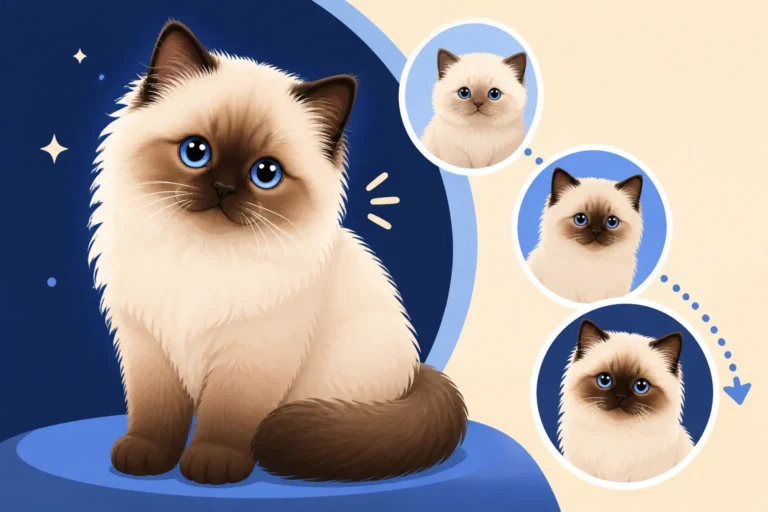
Why a Himalayan Costs More Than the Persian It Registers As
Bringing a gorgeous Himalayan cat into your life is an absolute joy, but many prospective owners are surprised when the price tag on a registered Himalayan often exceeds that of some purebred Persians, even when the paperwork technically lists them as Persians. It's a common point of confusion and a real financial consideration that often isn't clear upfront. This guide will walk you through the unique factors that contribute to the higher cost of a Himalayan, from their distinct physical traits and specialized care requirements to the significant investments made by responsible breeders, explaining why your beautiful "Colorpoint Persian" costs what it does.
Understanding the Himalayan's Unique Identity Beyond the Papers
It might seem contradictory: you're looking at a distinct breed, the Himalayan, yet many major registries, like the CFA (Cat Fanciers' Association), will actually register them as a "Colorpoint Persian." This administrative detail, a legacy of breeding history, often leaves new owners scratching their heads. If it's just a Persian with different coloring, why the fuss, and why the potential price difference? The answer lies in their unique genetic makeup, specific care needs, and the very standards that define them.
The Historical Merger and Its Impact on Value
The Himalayan's journey to recognition is fascinating, blending the sturdy Persian with the distinctive color points and talkative nature of the Siamese. This cross was originally designed to bring the Siamese's point coloration to the long-haired Persian, creating a cat that was truly the best of both worlds. While some registries, such as TICA (The International Cat Association), recognize the Himalayan as its own distinct breed, the CFA officially merged them into the Persian breed in 1984 as a "Colorpoint Persian" division. This decision, though made decades ago, still influences how breeders operate and how cats are valued. A breeder dedicated to the specific Himalayan look and temperament invests heavily in maintaining those traits, regardless of what the registration papers might primarily say.
You might encounter discussions about Why CFA Merged the Himalayan With the Persian and it's essential to understand that this was largely a structural decision within the cat fancy world, not a statement about the cats themselves being identical. The distinct characteristics of a Himalayan—their specific point colors, their blue eyes, and often a slightly more vocal personality than a typical solid Persian—are what breeders work tirelessly to preserve. While A CFA Himalayan Is a Persian on Its Own Paperwork, the market often distinguishes these cats based on their unique traits, and breeders price accordingly for the effort involved in producing them.
Defining Features That Command a Premium
Beyond the paperwork, what makes a Himalayan distinct in the eyes of a breeder and a buyer? It boils down to a few key features that are both genetically specific and require careful breeding practices. The most obvious is their colorpoint pattern: a pale body with darker "points" on the face (mask), ears, paws, and tail. This pattern, controlled by a specific temperature-sensitive gene, also dictates their stunning blue eyes, a hallmark of the breed. Achieving clear, well-defined points with good contrast against a pale body coat is a skill, and kittens with excellent point coloration and conformation are often highly sought after.
Then there's the facial structure. While both Himalayans and Persians can have either the traditional "doll face" or the more extreme "peke face," the demand for a particular facial type can influence price. For instance, many people prefer the classic, more open-faced "doll face" Himalayan, which breeders work to achieve through careful selection. Why a Doll Face Himalayan Commands a Premium is often due to this preference, combined with the perception that they may have fewer breathing or tear-staining issues. The breeders investing in lines that consistently produce these desirable traits are putting in significant effort, which naturally reflects in the kitten's price.
The Specialized Care Driving Up Himalayan Ownership Costs
Beyond the initial purchase price, a Himalayan's distinct physical characteristics necessitate a level of care that can be more intensive and costly than some other cat breeds, including certain types of Persians. This isn't just about pampering; it's about addressing specific needs to ensure their health and comfort.
Grooming Regimens and Their Expenses
The Himalayan inherits its magnificent long, dense coat from its Persian lineage, which means daily grooming is non-negotiable. This isn't just a quick brush; it's a thorough session to prevent mats and tangles that can quickly become painful and even lead to skin infections. The Daily Comb a Himalayan Cannot Skip means investing in high-quality grooming tools like steel combs and slicker brushes. These tools, while an upfront cost, are just the beginning.
Consider the time commitment: 15-30 minutes daily, sometimes more, especially during shedding seasons or if a mat starts to form. If you're unable to commit this time, professional grooming becomes a regular, recurring expense, with lion cuts or dematting sessions costing a pretty penny. Specialized shampoos and conditioners to maintain the coat's health and prevent discoloration, particularly on their pale bodies, also add up. Even simple things like finding the right litter that doesn't cling to their long fur, potentially tracked into their britches, can lead to trying different, often more expensive, brands from places like Chewy.
Managing Face and Eye Care
Perhaps the most unique and demanding aspect of Himalayan care is their face. Their brachycephalic (flat-faced) structure, particularly in the peke-face variety, often leads to excessive tearing and tear staining. This isn't merely cosmetic; the constant dampness can lead to skin irritation, bacterial growth, and even infections in the folds around their nose.
Why the Eye Routine Is a Standing Himalayan Expense stems from the need for daily cleaning. This means a regular supply of pet-safe eye wipes, cotton pads, and saline solutions to keep the area dry and clean. Some owners might also opt for tear stain removers, which can be expensive and often require consistent application. Furthermore, the shape of their eyes can make them more prone to conditions like entropion (inward-rolling eyelids) or corneal ulcers, which may require veterinary intervention or even surgery. These potential health issues contribute to higher vet bills over the cat's lifetime, making pet insurance from providers like Healthy Paws a wise consideration.
Specialized Nutritional and Environmental Needs
A Himalayan's unique facial structure also impacts how they eat and drink. Many flat-faced cats struggle with deep bowls, pushing food out or getting their faces dirty. This means investing in specialized shallow, wide bowls or elevated feeders. The type of food can also matter; some Himalayans do better with wet food or smaller kibble that's easier for their crowded jaws to manage. Premium cat foods might be preferred to ensure they get proper nutrition without struggle, potentially adding to the monthly budget.
Their dense coats also make them more susceptible to overheating. This means ensuring a cool environment, especially in warmer climates, which could translate to higher air conditioning costs or the purchase of cooling mats. An indoor-only lifestyle is critical for their safety and coat maintenance. Providing a comfortable, cool, and stimulating indoor environment requires thoughtful planning and investment.
Breeder Investment: Why a Tested Himalayan Demands a Premium
The initial cost of a Himalayan kitten reflects not just the kitten itself, but the extensive work, dedication, and financial investment made by a responsible breeder. When a Himalayan registers as a Persian, it doesn't diminish the specific efforts put into breeding Himalayans, and often, these efforts are even more rigorous to ensure the health and integrity of their distinct traits.
Health Testing and Genetic Screening
One of the most significant factors driving up the price of a well-bred Himalayan is comprehensive health testing. Himalayans, due to their Persian ancestry, are predisposed to certain genetic health conditions, most notably Polycystic Kidney Disease (PKD) and Progressive Retinal Atrophy (PRA). Responsible breeders commit to DNA testing their breeding cats for these conditions. This isn't a cheap process.
Which Two Tests Belong on Every Himalayan Pedigree are typically for PKD and PRA. A breeder will incur costs for genetic testing kits, vet visits for blood draws or cheek swabs, and registration of results. Only breeding clear-tested cats ensures that kittens are free from these debilitating inherited diseases. What Testing a Himalayan for PKD and the Eyes Costs adds a direct financial burden to the breeder, but it's an ethical necessity. When you buy a kitten from a breeder who skips these tests, the initial price might be lower, but you risk significant heartache and astronomical vet bills down the line. How to Spot a Himalayan Breeder Who Skips the PKD Test often involves a lack of transparency or documentation regarding parent health.
Quality Care, Conformation, and Socialization
Beyond health testing, ethical breeders invest heavily in the overall well-being of their cats and kittens. This includes:
- Superior nutrition: High-quality food for queens, studs, and kittens to ensure optimal development.
- Excellent veterinary care: Regular check-ups, vaccinations, deworming, and any necessary medical interventions for their breeding cats and litters. Why a Himalayan's Anesthetic Needs a Longer Recovery makes any surgical procedure, even a spay/neuter, a more delicate and costly affair for breeders and owners alike.
- Optimal living conditions: Clean, spacious, and enriching environments for their cats, which often involves specialized grooming areas and climate control.
- Conformation to breed standards: Breeders work to produce kittens that exemplify the ideal Himalayan traits—correct point coloration, dense coat, round blue eyes, and the desired facial structure. This requires careful selection of breeding pairs and in-depth knowledge of genetics.
- Early socialization: Kittens raised in a loving home environment are well-adjusted, friendly, and used to human interaction and handling, which is crucial for a breed requiring extensive grooming. This early exposure helps them accept daily combing and face wiping routines more readily, making them better pets in the long run.
All these elements, from genetic screening to diligent kitten care, accumulate into the initial purchase price, reflecting the breeder's commitment to producing healthy, well-adjusted, and type-correct Himalayans.
Long-Term Financial Commitments for Your Himalayan Companion
The upfront cost of a Himalayan kitten is just the beginning of your financial journey with this beautiful breed. Their specific needs mean that certain expenses will be higher throughout their lifespan compared to many other cats. Understanding these long-term commitments is crucial for responsible ownership.
Ongoing Grooming and Hygiene Supplies
Even with daily home grooming, you'll find yourself regularly purchasing specialized tools and products. Expect to replenish your supply of quality steel combs, undercoat rakes, de-shedding tools, and perhaps even blunt-nosed scissors for trimming those tricky areas like their britches and around their paws.
Beyond the comb, the daily face-wiping routine requires a steady stock of gentle, pet-safe eye wipes or cotton pads and saline solution. Some owners opt for specific cleaning solutions designed to reduce tear staining. All these consumables add up over the years. You might also find yourself needing to visit a professional groomer a few times a year for a "lion cut" to manage the coat, especially if you fall behind or during warmer months. These services can be quite costly, often more so for a long-haired, flat-faced breed that requires extra care and patience.
Veterinary Care: Proactive and Reactive
Himalayans, given their Persian heritage and unique physical traits, often require more proactive veterinary care. Regular dental check-ups are paramount, as their crowded jaws can lead to periodontal disease. Why a Himalayan Needs Dentals Earlier Than a Siamese is a key point; these dental cleanings, which require anesthesia, are a significant expense.
As they age, monitoring their kidney health is essential, especially if their lineage isn't fully clear on PKD testing. Regular bloodwork, typically starting around age five or eight, and occasional ultrasounds may be recommended. What a Himalayan's Yearly Bloods Should Cover After Eight will often include kidney values, thyroid, and other senior screenings. These preventative measures, while an investment, can help catch issues early and potentially prolong their life.
Beyond proactive care, their brachycephalic features mean you must be vigilant for respiratory issues, eye problems, or skin fold dermatitis. These can lead to emergency vet visits or ongoing treatments. Therefore, having a robust pet insurance plan, like those offered by Healthy Paws, can be an absolute lifesaver. It helps manage the financial impact of unexpected illnesses or injuries, allowing you to focus on your cat's health rather than the bill. What a Himalayan Costs From Kitten to Fifteen really puts the importance of budgeting for vet care into perspective.
Food and Lifestyle Adaptations
Your Himalayan's dietary needs might also influence long-term costs. If your cat struggles with dry kibble due to its flat face, you might opt for wet food, which can be more expensive. Ensuring they receive adequate nutrition tailored to their specific needs is crucial for their coat health, energy levels, and overall well-being.
Creating a safe, comfortable indoor environment is another ongoing cost. This might include investing in sturdy, low-level cat trees or steps to help them access their favorite perching spots without strenuous jumping, or climate control solutions to keep them cool in summer. While these aren't daily expenses, they are part of providing a high quality of life for your Himalayan.
Table: Comparing Himalayan and General Persian Ownership Considerations
| Feature | Himalayan Specific Considerations | General Persian (Non-Himalayan) Considerations | Cost Impact (Himalayan vs. General Persian) |
|---|---|---|---|
| Registration | Often registered as "Colorpoint Persian" (CFA) or separate breed (TICA) | Typically registered as "Persian" (CFA, TICA) | Minor (but influences breeder investment) |
| Breeding Focus | Specific point colors, blue eyes, desired facial type (doll or peke) | Wide range of solid colors, eye colors, various facial types | Higher (for specific traits) |
| Health Testing | PKD and PRA crucial due to Persian ancestry. | PKD crucial. PRA less common if no Siamese lineage. | Higher (for PRA screening) |
| Grooming Needs | Daily combing, frequent face wiping for tear stains/folds. | Daily combing. Face wiping less frequent for non-brachycephalic Persians. | Higher (daily face care) |
| Vet Visits | Increased likelihood of eye issues, breathing concerns, dental crowding. | Dental crowding is common. Eye/breathing less common in doll-face Persians. | Potentially Higher (specialized care) |
| Dietary Needs | Shallow bowls, wet food, or small kibble often preferred due to flat face. | Varied bowl types, wider range of food options typically suitable. | Potentially Higher (specialized feeders/food) |
| Environmental | Sensitive to heat due to dense coat and brachycephaly. Needs cool indoor environment. | Dense coat means heat sensitivity. Brachycephaly in some lines. | Similar (climate control) |
| Initial Purchase | Often higher due to specialized breeding, health testing, specific demand for point colors/face. | Varies widely based on breeder, lineage, and specific traits. | Potentially Higher |
The Importance of a Budget for Your Himalayan
Owning a Himalayan is a profound and rewarding experience, but it’s one that comes with a distinct financial footprint. Creating a realistic budget that accounts for these specialized needs from the outset will prevent surprises and ensure you can provide the best possible care for your feline companion. While the initial cost may seem steep, it's often an investment in a healthy, well-bred kitten whose long-term care needs have been considered and mitigated by a responsible breeder. You're not just buying a cat; you're adopting a lifetime of unique beauty, gentle companionship, and a few extra cotton pads for those bright blue eyes.
Disclaimer
This article is for general informational purposes only and does not constitute professional advice. Laws, prices and regulations vary by location and change over time. Consult a qualified professional for guidance on your specific situation.