Why a Rare Point Color Raises a Himalayan’s Price
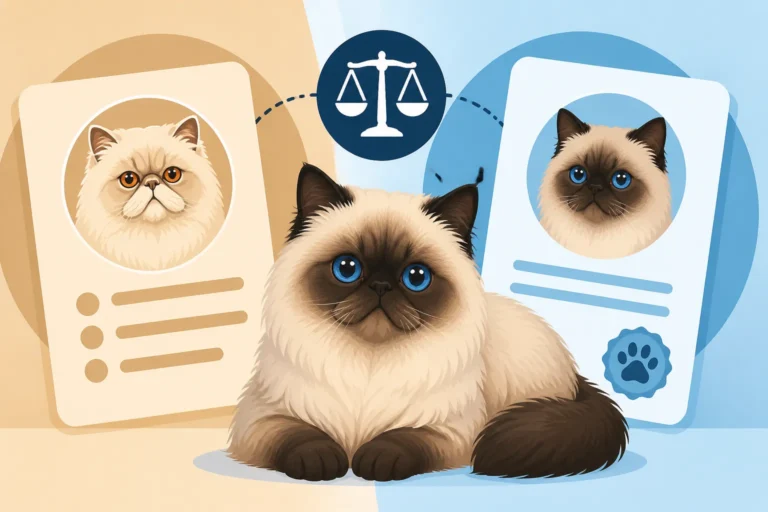
You're looking to bring a beautiful Himalayan cat into your home, and as you browse through breeder websites and online listings, you might notice something peculiar: the price tags seem to fluctuate wildly, often with rare point colors commanding a significant premium. It can be incredibly frustrating to understand why one stunning kitten costs so much more than another, seemingly identical one, all because of its subtle coloring. This guide is here to unravel that mystery, explaining the intricate genetics and breeder investments that drive up the price of those sought-after, rare Himalayan point colors.
The Science Behind Himalayan Point Colors and Rarity
Himalayan cats are famous for their stunning "point" coloration – darker fur on their extremities like ears, face mask, paws, and tail, contrasted with a lighter body. This isn't just a random pattern; it's a fascinating genetic marvel influenced by temperature. Understanding this science is key to grasping why some colors are simply harder to achieve than others.
How Temperature Influences Point Development
The classic Himalayan coloration comes from a specific gene, often referred to as the "colorpoint gene." This gene carries a temperature-sensitive enzyme that produces pigment. Essentially, the enzyme works best in cooler temperatures. That's why the coolest parts of a Himalayan's body – the ears, nose, paws, and tail – develop darker pigment, while the warmer core body remains light.
This temperature sensitivity explains why every single Himalayan kitten is born almost entirely white. Inside the warm environment of their mother's womb, the enzyme can't activate, so no pigment is produced. It's only after birth, when exposed to cooler room temperatures, that their points slowly start to develop, gradually darkening over the first few weeks and months of their lives. The degree of contrast, the vividness of their points, and even how quickly they darken can depend on environmental factors like the ambient temperature of their first home. Some kittens will show clear points faster than others, but it usually takes How Many Years a Himalayan's Points Take to Finish for their full adult coloration to completely settle.
The Genetics of Point Color
Beyond the basic colorpoint gene, the specific color of a Himalayan's points comes down to a combination of other genetic factors. Think of it like a base coat color, which is then modified by other genes.
The two primary base coat colors in cats are black and red (also known as orange or ginger).
- Black-based colors: If a cat inherits genes for black pigment, its points can be seal (a rich, dark brown, appearing almost black), blue (a dilute version of black, appearing grey-blue), chocolate (a recessive version of black, appearing warmer brown), or lilac (a dilute version of chocolate, appearing pale grey-pink).
- Red-based colors: If a cat inherits genes for red pigment, its points will be flame (a vibrant orange-red).
Then there are dilution genes. A dilution gene basically "waters down" the primary pigment. For example, a black cat with a dilution gene becomes blue. A chocolate cat with a dilution gene becomes lilac. For a Himalayan to display its points, it needs two copies of the colorpoint gene – one from each parent. Why a Himalayan Needs Two Copies of the Point Gene However, to get a specific rare point color, a breeder needs to carefully select parents who carry the right combination of these underlying base color and dilution genes, which can be a complex and lengthy process.
Decoding "Rare" Himalayan Point Colors
When we talk about "rare" point colors in Himalayans, we're really discussing how frequently these genetic combinations occur and the challenges associated with consistently reproducing them. It's not just about aesthetics; it's about the effort and scientific understanding required from a dedicated breeder.
Understanding Common vs. Less Common Points
Some Himalayan point colors are much more frequently seen than others, making them more "common," while others require very specific genetic matches and are thus considered "less common" or "rare."
- Common Points:
- Seal Point: These are arguably the most classic and widely recognized Himalayan points. They feature a deep, rich dark brown, almost black, coloration on the extremities. The genetics for seal points are robust, originating from the foundational black pigment gene.
- Blue Point: Blue points are a dilute form of the seal point, presenting as a soft, slate grey-blue. The dilution gene for blue is also relatively common in the breed's genetic pool, making them a popular and fairly accessible color. Both seal and blue points are often the result of simpler genetic pairings.
- Less Common/Rare Points:
- Chocolate Point: Achieving true chocolate points requires a specific recessive gene for chocolate pigment. This means both parents must carry a copy of the chocolate gene, even if they don't visually express it themselves (they could be seal points carrying chocolate). Breeding for chocolate points often involves careful lineage tracking and sometimes requires specific test matings to ensure the desired genetic combination. This is Why a Chocolate Point Himalayan Is Hard to Breed.
- Lilac Point: Lilac points are the dilute version of chocolate points. This makes them doubly rare, as a kitten needs both the recessive chocolate gene and the dilution gene to express lilac points. The color itself is a delicate, frosty grey with a pinkish undertone, often described as a 'pinkish dove grey'. Due to the need for both recessive genes from both parents, they are significantly less common, and Why a Lilac Point Himalayan Is the Palest of All points.
- Flame Point (Red Point): Flame points, also known as red points, are derived from the red pigment gene. The genetics for red coloration in cats are linked to sex (X chromosome), which adds another layer of complexity. While not as rare as some might think in the broader cat world, consistently breeding Himalayans with vibrant, well-defined flame points without undesirable rufousing (reddish tinge) on the body coat can be a challenge.
- Tortie Point and Lynx Point: These are not single colors but rather patterns that can appear on different point colors.
- Tortie Point: This pattern occurs almost exclusively in females and involves patches of red/cream mixed with black/chocolate/blue/lilac on the points. For example, a Seal Tortie Point will have patches of seal and red on her ears, mask, and paws. The genetic combination for tortie is complex due to the X-linked nature of red, making breeding for specific tortie patterns quite intricate.
- Lynx Point: A Lynx Point (or Tabby Point) has distinct tabby stripes on its points, particularly visible on the mask and legs. This pattern can overlay any of the point colors (e.g., Seal Lynx Point, Blue Lynx Point, Flame Lynx Point). While the tabby gene is common, combining it elegantly with the Himalayan's specific "doll face" or "peke face" characteristics and distinct points requires careful breeding.
The Breeder's Investment in Rare Colors
The journey to consistently produce rare point colors is not for the faint of heart, nor is it inexpensive. Breeders dedicated to these specific, less common colors make substantial investments.
First, there's the increased knowledge and genetic testing required. Breeders must have an in-depth understanding of feline genetics, specifically how color genes are inherited. They often need to trace pedigrees back many generations, studying the genetic potential of each cat. Advanced genetic testing is employed to identify carrier cats – those who don't show a recessive trait but carry the gene for it. For example, a breeder might use DNA tests to confirm if a seal point cat carries the chocolate gene, which is essential if they want to produce chocolate or lilac kittens. This adds a significant cost per cat, but it's crucial for responsible breeding. Whether a Himalayan Is Scanned Before It Is Bred is an important question to ask a breeder about overall health, and similar scrutiny applies to color genes.
Second, there are longer waiting times for litters to show specific rare points. If a breeder is aiming for a specific rare color, they might have to wait through several litters, or even several years, to achieve the desired result. The genetic odds for some combinations are simply lower. This means more time, more resources, and potentially fewer kittens available in the desired color, tying up their breeding queens and studs for extended periods without immediate "return" in terms of kittens to sell. Why a Himalayan Waitlist Depends on Point Color because there are simply fewer kittens available in those highly sought-after shades.
Finally, the smaller litter sizes or lower success rates in achieving desired rare colors can significantly impact a breeder's operations. Not every mating will produce the desired rare color, even with careful planning. Some litters might not have any kittens of the specific rare shade the breeder was aiming for. This reduces the overall number of rare-colored kittens available, naturally increasing their individual value.
Why Rarity Translates to a Higher Price Tag
It's a straightforward principle of economics: when something is scarce and desirable, its value goes up. This holds true in the world of Himalayan cats, where the challenges and investments associated with breeding rare point colors are directly reflected in their price.
Supply and Demand Dynamics
The core reason rare point colors command a higher price is the fundamental law of supply and demand. Simply put, there are fewer kittens of a specific rare color available, but the demand for them remains strong, if not stronger, than for more common colors.
Imagine a breeder only produces one or two lilac point kittens in a year, perhaps even over several years, while consistently producing several seal and blue points in each litter. Those lilac point kittens immediately become highly coveted. Serious buyers, those who have fallen in love with a specific rare shade, are often willing to pay a premium to acquire that unique color. They understand that such a kitten isn't readily available and might require a lengthy wait. This dynamic means that breeders can, and often must, price these rare kittens higher to reflect the actual effort, time, and genetic expertise invested in bringing them into the world. It’s part of what makes Which Point Colors Carry a Himalayan Premium.
The Cost of Ethical Breeding and Genetic Health
A truly reputable breeder isn't just focused on color; they're deeply committed to the health and well-being of their cats. This commitment adds significant costs that are inherently tied to producing healthy kittens, especially those with rarer genetic traits.
One major expense is comprehensive genetic testing for inheritable diseases. For Himalayans, this primarily includes Polycystic Kidney Disease (PKD1) and Progressive Retinal Atrophy (PRA). Ethical breeders ensure their breeding cats are screened and clear of these conditions to prevent passing them on to kittens. This means genetic tests for PKD (often a simple cheek swab) and ophthalmic examinations for PRA. Which Two Tests Belong on Every Himalayan Pedigree is vital, and these tests are not free. What a PKD Test Costs a Himalayan Breeder adds up, especially across multiple breeding cats and over many years. When breeding for rare colors, the pool of potential breeding cats might be smaller, making it even more critical to ensure that those cats are genetically sound across the board. The time spent studying pedigrees, consulting with other breeders, and ensuring genetic compatibility also represents an invisible but very real investment of expertise and time. This table illustrates the general cost considerations:
| Factor | Common Point Color Breeding | Rare Point Color Breeding | Impact on Kitten Price |
|---|---|---|---|
| Genetic Research/Testing | Standard PKD/PRA screening | Extensive gene tracking for color + PKD/PRA | Moderate to High |
| Breeding Pair Selection | Wider pool of suitable cats | Limited pool, specific carriers needed | High |
| Litter Frequency/Success | Higher likelihood of desired color | Lower success rate, fewer desired kittens | High |
| Waiting List/Demand | Shorter waits, steady demand | Longer waits, intense demand for specific colors | High |
| Expertise & Time Investment | Significant | Very significant | High |
Show Potential and Desirability
Beyond simply being unique, certain rare point colors can also carry enhanced desirability within the show ring, which further influences their price. While beauty is in the eye of the beholder, the cat fancy often values distinct, well-defined colors and patterns that adhere to breed standards.
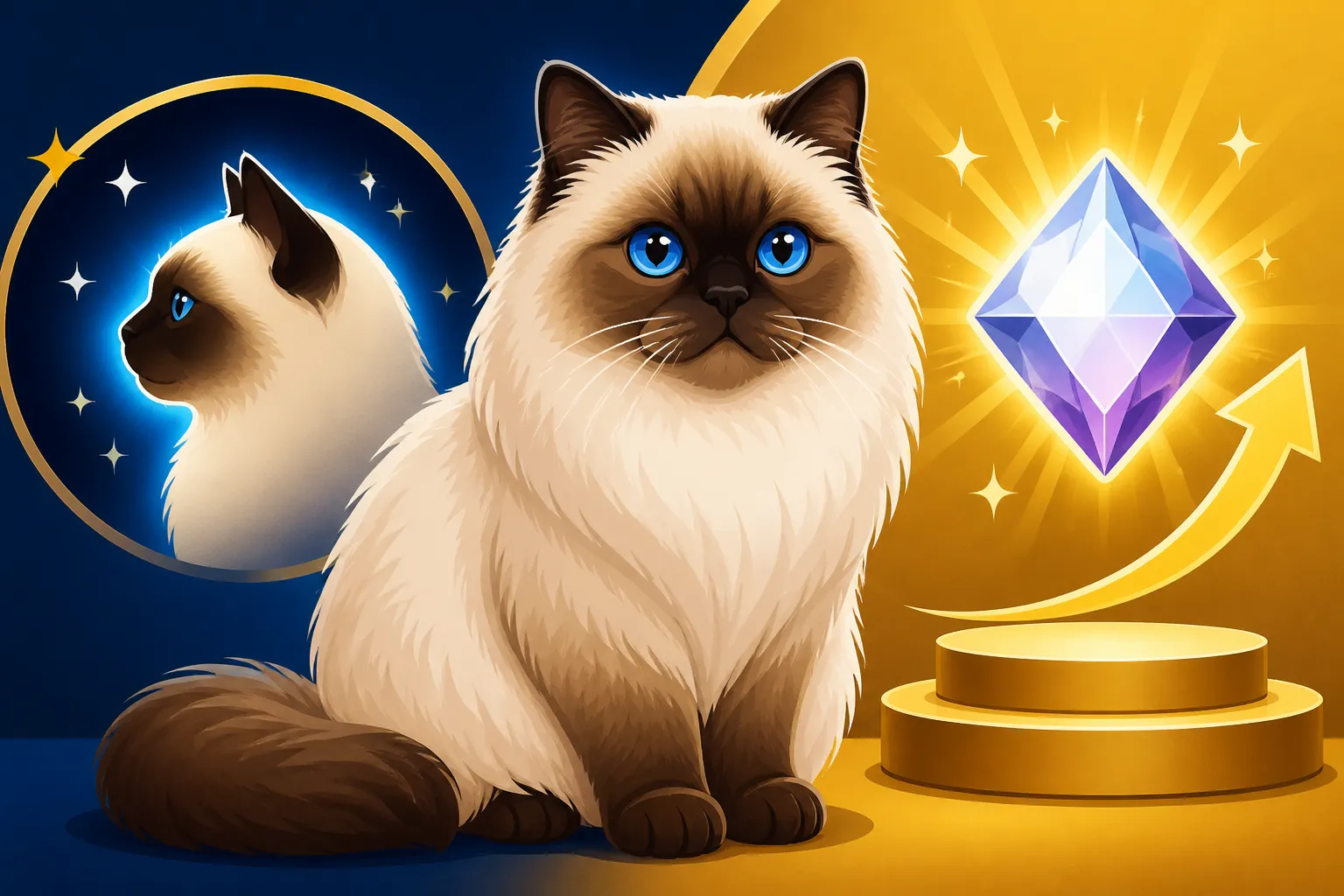
A Himalayan with a striking, perfectly contrasted lilac or chocolate point, for instance, might stand out among a sea of more common seal or blue points. This isn't to say common colors can't win; they absolutely do! However, the rarity itself can sometimes be a captivating element for judges and enthusiasts alike. A kitten from a line known for producing exceptional examples of a rare color might be priced higher due to its potential to excel in shows or contribute to a distinguished breeding program focused on that specific hue.
Navigating the Market for a Rare Point Himalayan
If you've set your heart on a Himalayan with a rare point color, understanding the market and how to navigate it responsibly is crucial. The initial purchase price, while a significant factor, is just the beginning of your journey with a long-haired, flat-faced companion.
Finding a Reputable Breeder
This is perhaps the most important step in acquiring any purebred cat, but especially a Himalayan with a rare point color. A reputable breeder is transparent, knowledgeable, and prioritizes health and temperament above all else.
- Ask for Genetic Test Results and Pedigrees: Never hesitate to ask for proof that the breeding parents have been tested clear for common Himalayan genetic conditions like PKD and PRA. A good breeder will readily provide certificates. This is part of Which Two Certificates a Himalayan Breeder Owes You. They should also be able to discuss the lineage of their cats and how they've worked to achieve specific rare colors while maintaining health.
- Observe the Cattery Environment: While you might not visit in person for every breeder, look for clear signs of a clean, well-maintained cattery. Cats should appear healthy, well-socialized, and the breeder should be able to answer all your questions thoroughly, showing genuine care for their animals.
- Be Prepared for a Waitlist: Because rare point colors are, by their very nature, less common, don't expect to find one immediately available. Reputable breeders often have waiting lists, especially for specific colors, as discussed with Why a Himalayan Waitlist Depends on Point Color. This wait is a good sign; it means they are breeding thoughtfully and not simply churning out kittens.
- Beware of "Bargains": An unusually low price for a rare point Himalayan should raise a red flag. As we've explored, the investment in time, genetics, and health testing is substantial. A price that seems too good to be true often indicates skipped health screenings, poor breeding practices, or a misrepresentation of the kitten's true lineage or color.
Considering the Long-Term Costs
The sticker price of a Himalayan kitten, whether common or rare, is only a fraction of what you'll spend over its lifetime. What a Himalayan Costs From Kitten to Fifteen years is a significant commitment that goes far beyond the initial adoption fee.
- Daily Care and Grooming: Himalayans have luxurious, long coats that require daily combing to prevent painful mats and tangles. You'll need quality steel combs and potentially regular trips to a professional groomer. Their flattened faces also necessitate daily wiping to manage tear stains and keep their nose folds clean and healthy. Why a Himalayan Needs Its Britches Trimmed is another grooming consideration.
- Veterinary Care: Regular vet check-ups, vaccinations, and potential dental cleanings for their crowded mouths are essential. For flat-faced breeds like the Himalayan, there can sometimes be breed-specific health considerations that require additional vet attention. It's smart to consider pet insurance from providers like Healthy Paws to help manage unexpected veterinary expenses. Policies can help cover accidents, illnesses, and sometimes even hereditary conditions, providing peace of mind.
- Nutrition and Supplies: A high-quality diet is paramount for a Himalayan's health and coat. Brands found on platforms like Chewy offer a wide range of premium cat foods suitable for Himalayans. Don't forget the ongoing costs of litter, toys, and other enrichment items.
Choosing a Himalayan, especially one with a rare and exquisite point color, is a decision that requires thoughtful consideration. By understanding the intricate genetics, the dedicated efforts of ethical breeders, and the ongoing commitment to care, you're better prepared to welcome one of these magnificent felines into your life.
Disclaimer
This article is for general informational purposes only and does not constitute professional advice. Laws, prices and regulations vary by location and change over time. Consult a qualified professional for guidance on your specific situation.