What a PKD Test Costs a Himalayan Breeder
It's an unfortunate truth that when you're deeply invested in the health and future of a beloved breed like the Himalayan, you face a lot of upfront costs and responsibilities that casual pet owners might never even consider. One of the most critical, and often misunderstood, financial commitments for a Himalayan breeder is the cost associated with testing for Polycystic Kidney Disease, or PKD. This isn't just about a single fee; it's an investment in a healthy future for your lines and, ultimately, for the families who will welcome your kittens into their homes. This guide will walk you through what goes into the cost of PKD testing, why it's absolutely essential, and how it protects not only your cats but your reputation as a responsible breeder.
Understanding the Necessity of PKD Testing for Himalayans
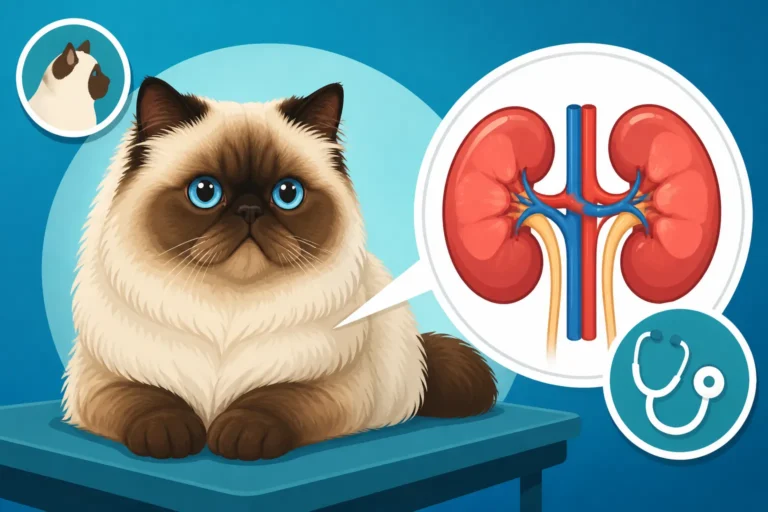
For Himalayan breeders, PKD isn't just a scary acronym; it's a very real genetic condition that can devastate a cat's health and shorten its lifespan dramatically. This disease is particularly prevalent in Persian lines, and since the Himalayan cat is essentially a Persian with colorpoint markings, our beautiful Himalayans inherited this predisposition directly from their Persian ancestors. Cysts form on the kidneys, growing over time and eventually leading to kidney failure, often by the time a cat reaches mid-life. Imagine the heartbreak for a family who has bonded with a kitten, only to face such a severe diagnosis years later.
The Genetic Link to Persians
It's vital to remember that the Himalayan shares a deep genetic pool with the Persian. In many registries, in fact, Himalayans are simply considered a colorpoint division of the Persian breed, underscoring this direct link. This means that any genetic health issue common in Persians is also a serious concern for Himalayans. PKD is one of the most prominent examples, being an autosomal dominant trait. What does that mean for you as a breeder? It means that a cat only needs to inherit one copy of the faulty gene from either parent to develop the disease. If you breed two carriers, or a carrier and an affected cat, you're rolling the dice on health outcomes for an entire litter. Without testing, you simply don't know what you're passing on. For more on this, you can look at PKD1 Came Down the Persian Side of a Himalayan.
Ethical Breeding and Owner Responsibility
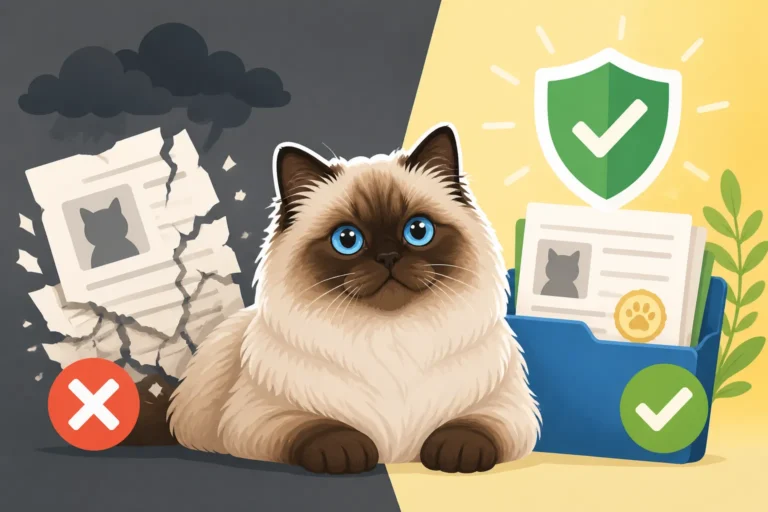
The ethical imperative for a breeder to test for PKD cannot be overstated. It’s not just about compliance with breed standards, though many reputable associations strongly recommend or even require it. It's about protecting the animals you bring into the world. Prospective owners are becoming increasingly aware of genetic health issues, and they rightfully expect a responsible breeder to have done their due diligence. Failing to test can lead to significant emotional distress for new owners, substantial veterinary bills, and ultimately, a damaged reputation for your cattery. Imagine having to tell a heartbroken family that their beloved cat, purchased from you, is suffering from a preventable genetic disease. It's a situation no ethical breeder wants to face.
The Different Facets of PKD Testing Costs
When we talk about the cost of a PKD test for a Himalayan breeder, we're actually talking about a few different potential approaches, each with its own price tag and level of certainty. Primarily, there are two main methods: genetic DNA testing and ultrasound scanning. Responsible breeders often consider both, especially in the early stages of establishing a line or when acquiring new breeding stock, to ensure the most comprehensive health screening possible.
Genetic DNA Testing
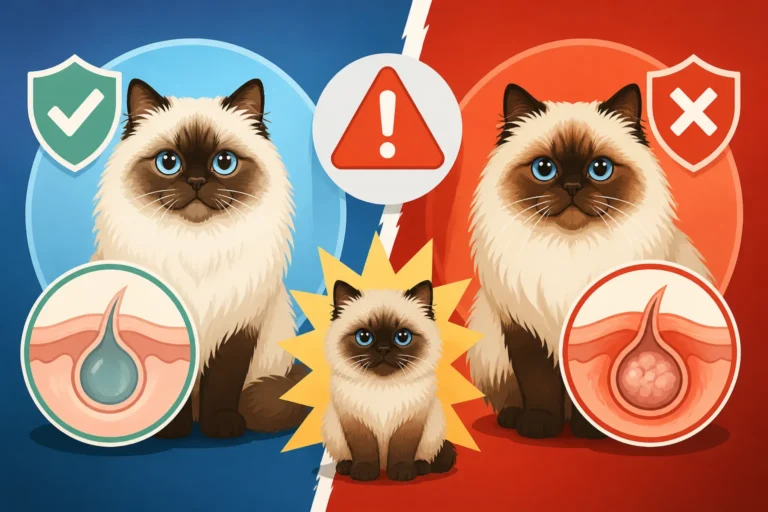
The DNA test is the gold standard for PKD. It’s a simple cheek swab, easily collected by the breeder or a vet, and sent to a specialized laboratory. This test directly identifies the presence of the PKD1 gene mutation, which is the specific genetic marker for the disease. It’s definitive: a cat is either "clear" (does not carry the gene), "carrier" (carries one copy but usually doesn't develop severe disease, though can pass it on), or "affected" (carries two copies and will develop the disease).
The cost for a single DNA test typically falls within a range that makes it a highly accessible and cost-effective screening tool. Keep in mind that specific prices vary depending on the laboratory you choose and if you're bundling tests for other genetic conditions (which many reputable labs offer). Some labs might offer discounts for multiple cats from the same cattery or for breeders who submit samples regularly. The beauty of this test is that it only needs to be done once in a cat's lifetime, as their genetic makeup doesn't change. It provides absolute certainty about a cat's PKD status, allowing breeders to make informed decisions about breeding pairs. For insights into reading these results, consider How to Read a Himalayan's PKD Certificate.
Ultrasound Screening
Before the advent of widespread genetic testing, ultrasound was the primary method for diagnosing PKD. It involves a veterinary professional performing an abdominal ultrasound to visualize the kidneys and check for the presence of cysts. While incredibly valuable for diagnosing existing cysts, it has limitations as a screening tool for breeders.
Firstly, cysts can be very small in young cats and may not be detectable until the cat is older, sometimes past breeding age. This means a young cat could scan clear, but still carry the gene and develop cysts later, or worse, pass the gene on to its offspring. Secondly, the accuracy of an ultrasound depends heavily on the skill and experience of the sonographer. A vet who isn't regularly performing kidney ultrasounds on cats might miss small cysts. The cost of an ultrasound is generally higher than a DNA test per cat, and it's something that may need to be repeated annually, especially if a cat comes from unknown parentage or if there's any suspicion. While valuable for tracking disease progression in an affected cat, or for confirming kidney health in an older cat, the genetic test is superior for breeding decisions because it identifies the gene regardless of cyst visibility. For more on the early signs, see How Early Cysts Show on a Himalayan's Kidney Scan.
The True Cost of Skipping PKD Testing
It's tempting for some breeders, especially new ones, to cut corners and skip what might seem like an extra expense. However, the decision to forego PKD testing, while seemingly saving a few dollars upfront, almost invariably leads to far greater financial and ethical costs down the line. This is a classic "penny wise, pound foolish" scenario, and for Himalayan cats, the consequences are severe.
Financial Repercussions for Breeders
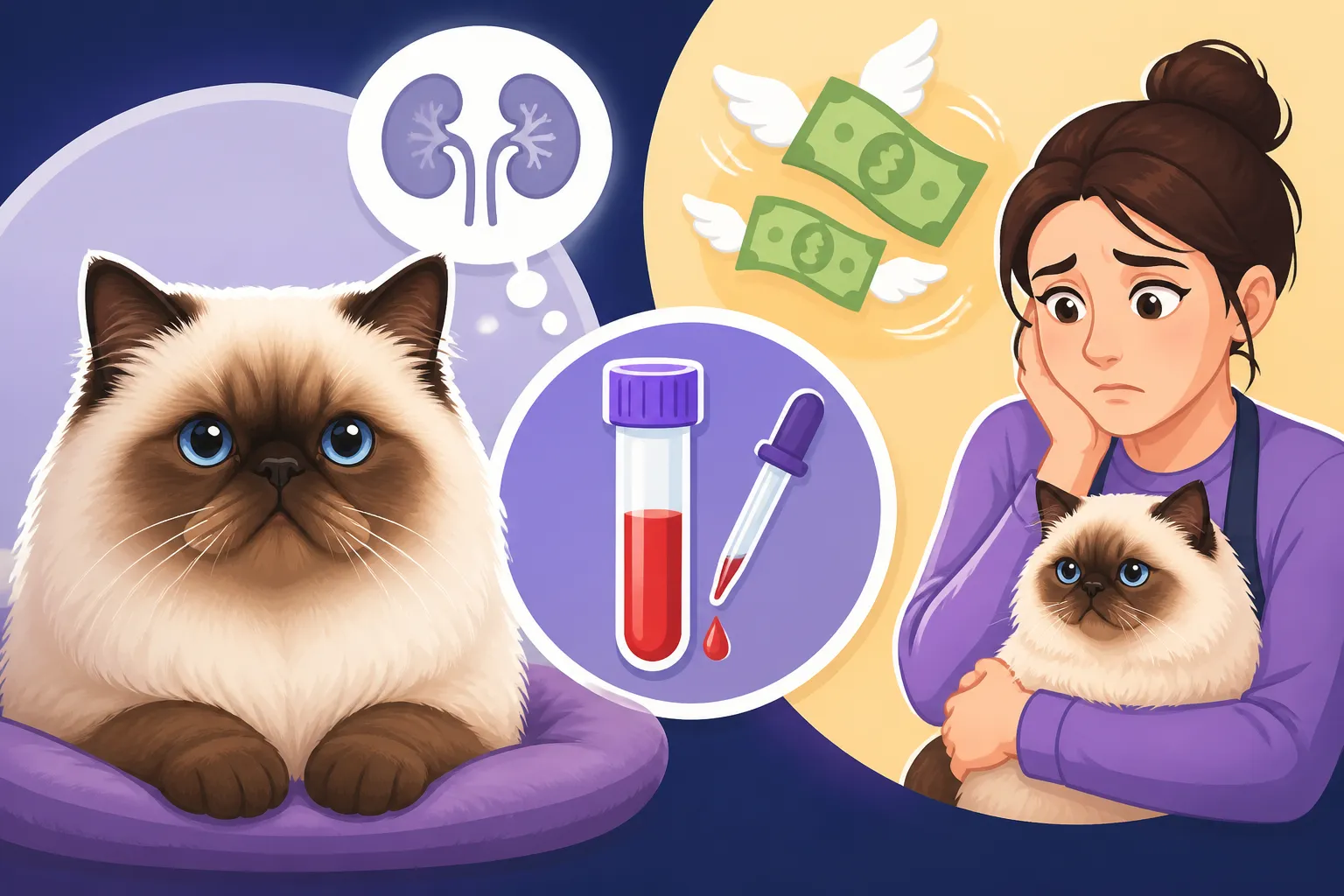
First, consider the direct financial hit. If you breed an untested cat that happens to carry the PKD gene, you risk producing kittens that also carry the gene, or worse, develop the disease. If a kitten sold by your cattery is later diagnosed with PKD, you could face legal action or, at the very least, be expected to offer a refund or compensation for veterinary care. Imagine having to pay for diagnostic tests, special diets, medications, and potentially even euthanasia costs for a cat you sold, all because a relatively inexpensive test was skipped. These costs can quickly dwarf the price of initial genetic screening for your breeding pair.
Beyond direct costs, there's the long-term impact on your breeding program. If a significant number of your offspring start showing signs of PKD, your entire cattery's reputation will be damaged. Word travels fast within the close-knit cat fancy community and among pet owners. Negative reviews and word-of-mouth can make it impossible to sell future litters, essentially ending your breeding career. An investment in testing is an investment in the long-term viability and integrity of your cattery.
Emotional and Ethical Burdens
The financial costs are often just the tip of the iceberg. The emotional toll of dealing with sick kittens and unhappy owners is immense. As a breeder, you dedicate countless hours and pour your heart into raising these tiny creatures. To know that a preventable disease is causing suffering to a cat you brought into the world, and to the family who loves it, can be incredibly painful. Responsible breeding is about more than just producing pretty cats; it's about ensuring their health and well-being.
Furthermore, ignoring genetic diseases goes against the core principles of ethical animal husbandry. We have the tools and knowledge to prevent a great deal of suffering, and to choose not to use them is a profound ethical failing. Organizations like Healthy Paws, which provide pet insurance, often have clauses regarding pre-existing conditions. If a kitten develops PKD, and it could have been detected or prevented through parental testing, a new owner might find their insurance claim denied, adding to their financial burden and their frustration. This cycle of preventable suffering can be avoided with a simple, one-time test.
Finding and Utilizing PKD Testing Services
Now that we understand the importance and the potential costs involved, let's talk about the practical side of getting your Himalayan cats tested. It's easier than you might think, and there are many reputable services available to guide you through the process. The key is to seek out certified laboratories and discuss your needs as a breeder.
Reputable Testing Laboratories
When choosing a laboratory for genetic testing, always prioritize those that are well-established, specialize in feline genetics, and ideally, are recommended by your breed club or experienced mentors. These labs often work closely with veterinary schools and geneticists, ensuring their tests are accurate and reliable. You'll want to check their accreditation and ensure they provide clear, easy-to-understand results.
Many labs offer online portals where you can order test kits, submit samples, and track results. The cost will generally be listed upfront on their websites. Some popular options for genetic testing include specialized veterinary diagnostic labs that focus on genetic screening for specific breeds. Don't be afraid to call their customer service lines to ask questions, especially if you're a first-time user or if you plan to submit multiple samples. They can often advise on pricing structures, turnaround times, and how to properly collect and submit your cat's cheek swab. Remember, a single cheek swab is all it takes for What Testing a Himalayan for PKD and the Eyes Costs.
Incorporating Testing into Your Breeding Program Budget
Think of PKD testing not as an optional expense, but as a fixed part of your breeding budget, just like quality food or veterinary check-ups. When you factor in the cost per kitten, it’s a tiny fraction of the overall value and responsibility. If you're using a company like Chewy for your regular cat food and supplies, think of adding a DNA test kit to your order for your breeding cats. It’s a proactive step that protects your cats and your reputation.
Consider a budget breakdown:
| Item | Cost Implication (Relative) | Notes |
|---|---|---|
| Genetic DNA Test | Low (one-time) | Definitive, lifelong result for breeding suitability. Essential. |
| Ultrasound Scan | Moderate (recurring) | Useful for monitoring, less definitive for early breeding screening. Requires skilled vet. |
| Food | Moderate (ongoing) | Quality nutrition is essential for overall health, including kidney health. |
| Vet Check-ups | Moderate (annual) | Routine health checks can catch early signs of any issues. |
| Unforeseen PKD Bills | Very High (catastrophic) | Includes diagnostics, specialized diets, medications, potential euthanasia. |
When budgeting, assume every breeding cat needs to be tested for PKD. This small, upfront cost is a robust shield against massive financial and emotional burdens later on. It’s the responsible thing to do, and it ensures you’re contributing positively to the health and longevity of the magnificent Himalayan breed. By making this standard practice, you not only avoid potential heartbreak for future owners but also demonstrate your unwavering commitment to ethical breeding.
Disclaimer
This article is for general informational purposes only and does not constitute professional advice. Laws, prices and regulations vary by location and change over time. Consult a qualified professional for guidance on your specific situation.