What to Do If a Himalayan Breeder Hides Test Results
It’s a truly heartbreaking situation when you’ve fallen in love with the adorable photos of a Himalayan kitten, perhaps even visited and held the little furball, only to hit a brick wall when you ask the breeder about health testing results. That dream of bringing home a healthy, happy companion can quickly turn into a nightmare of uncertainty and suspicion. This guide is here to help you navigate those tricky waters, offering clear steps on what to do if a Himalayan breeder seems reluctant or outright refuses to provide essential health clearances, and why these documents are absolutely non-negotiable for your peace of mind and your future cat's well-being.
Understanding Why Health Testing Matters for Himalayans
When you're looking for a Himalayan, you're not just looking for a cute face and a fluffy coat; you're inviting a family member into your home for potentially a decade or more. The peace of mind that comes from knowing your kitten has the best possible genetic start is invaluable. Unfortunately, some breeders prioritize quick sales over the long-term health of their lines, and that's where the critical importance of health testing comes in.
The Shadow of Polycystic Kidney Disease PKD
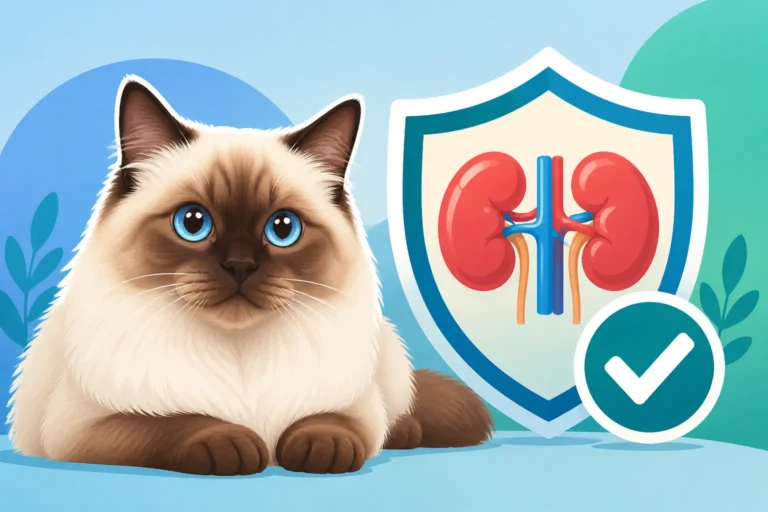
Polycystic Kidney Disease, or PKD, is a truly insidious inherited condition that plagues many Persian lines, and by extension, Himalayans. It's not something you can spot in a cute, fluffy kitten. Tiny cysts start forming in the kidneys, growing slowly over time, eventually compromising kidney function and leading to kidney failure, often by middle age. Imagine dedicating years of love and care to a cat, only for it to suffer from a preventable genetic illness because a breeder cut corners. It’s a devastating prospect, and it’s entirely avoidable with proper testing. PKD1 Came Down the Persian Side of a Himalayan is a stark reminder of this genetic inheritance.
Reputable breeders understand this grave risk. They actively test their breeding cats to ensure they are clear of the PKD gene. This isn't just about the individual cat; it's about the integrity of the entire breed line. A simple cheek swab can confirm a cat's PKD status, and responsible breeders are proud to show you those results. If a breeder doesn't mention it, or worse, dodges your questions, it should set off blaring alarm bells.
The Threat of Progressive Retinal Atrophy PRA
Another significant genetic concern that Himalayans inherit from their Persian lineage is Progressive Retinal Atrophy (PRA). This is a cruel disease that leads to gradual blindness. While Himalayans are known for their stunning blue eyes – a required trait that actually carries no penalty in terms of vision initially, Why a Himalayan's Required Blue Eyes Carry No Penalty – PRA can steal that sight away prematurely. It's heartbreaking to imagine your beloved cat losing its vision, bumping into furniture, and navigating its familiar world in darkness, especially when a genetic test exists to prevent passing this on.
Just like with PKD, there are DNA tests available for PRA that can identify carriers or affected cats before they're bred. A transparent breeder will have documentation proving their breeding cats are clear of the genes associated with PRA. They want to ensure that the beautiful blue eyes of their kittens remain healthy throughout their lives. When a breeder is vague about eye health or claims "they just have good eyes," without offering documented proof, it's a huge red flag that they might be hiding something, or simply ignorant of vital health protocols.
Recognizing the Red Flags of a Reluctant Breeder
Spotting a breeder who isn't being upfront about health testing isn't always obvious at first glance. They might have beautiful websites, charming personalities, and seemingly well-kept facilities. However, their evasiveness around specific questions about genetic health can quickly expose their true colors.
The Evasive Answers and Dodgy Explanations
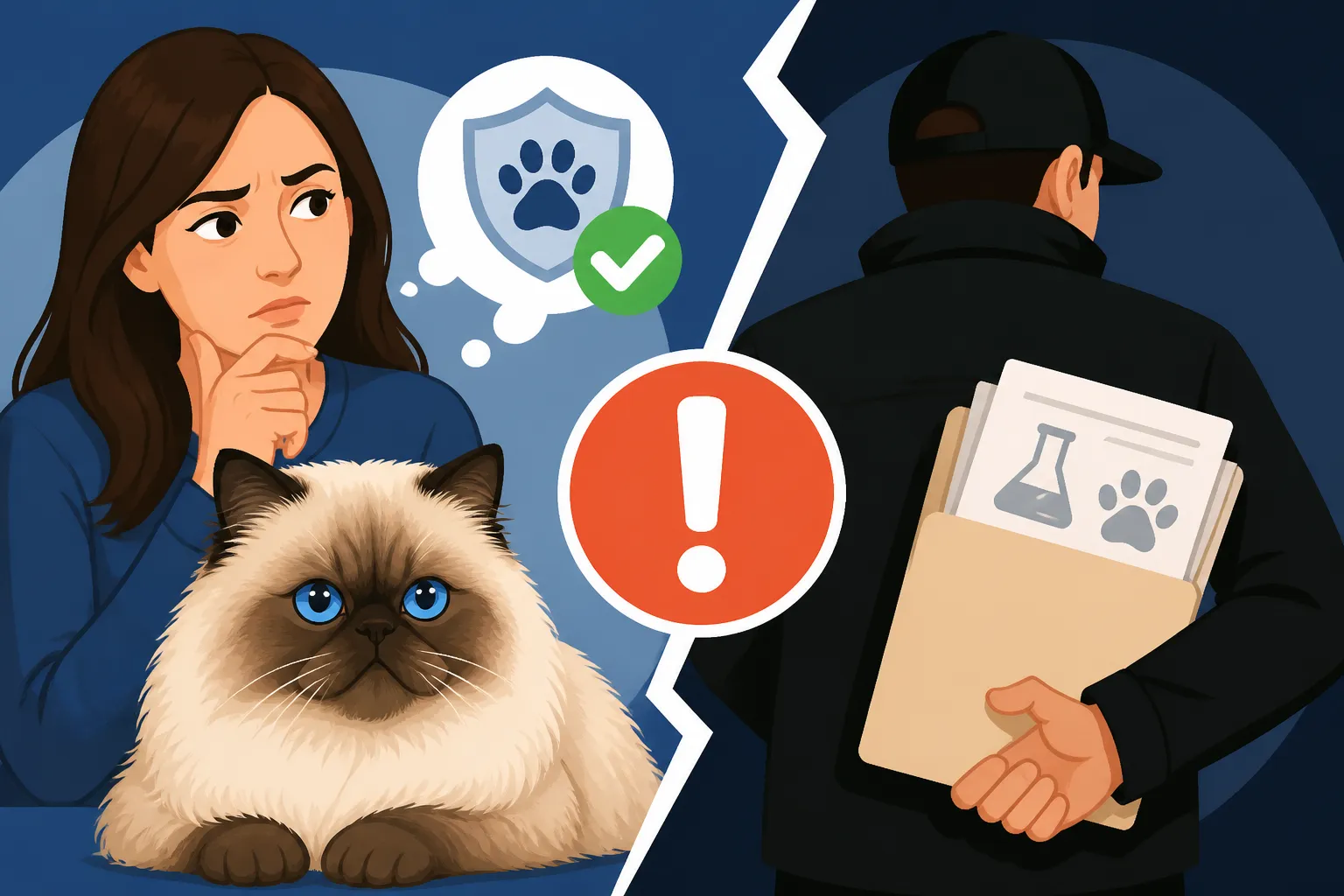
You ask a direct question: "Can I see the PKD and PRA test results for the parents of this litter?" A responsible breeder will instantly say yes and usually have copies ready or be able to email them to you. A breeder with something to hide, however, might respond with a flurry of excuses or generalities. They might say, "Oh, all my cats are healthy, I don't need those fancy tests," or "My vet says they look fine." Perhaps they'll claim "those tests are too expensive," or even "I don't believe in all that genetic testing hype." These are not acceptable answers when you're making a significant commitment to a living creature.
Another common tactic is to provide vague assurances like, "They come from championship lines, they're perfectly healthy." While a strong pedigree can be a good sign of responsible breeding in some aspects, it absolutely does not negate the need for specific genetic health tests. Many championship lines historically carried these genes before tests became widely available. Without that paperwork, their word means very little when it comes to inherited diseases. It's about data, not just reputation.
The Missing Paperwork and Unverifiable Claims
Beyond verbal evasion, the absence of tangible proof is the most significant red flag. You should be looking for official documentation from a reputable veterinary lab, clearly stating the parent cats' names, their microchip or registration numbers, and the results for PKD and PRA. Sometimes, a breeder might show you an ultrasound report for PKD, which can be useful, but a DNA test is definitive for confirming genetic status. Why an Ultrasound Still Backs Up a Himalayan's Gene Test even if a DNA test is available.
Be wary if a breeder only offers "parent health certificates" that seem generic or don't explicitly mention genetic disease testing. Some might even try to pass off a general vet check-up as a "health clearance." While routine vet checks are crucial, they don't test for inherited genetic conditions that manifest later in life. You need to see specific lab reports. If they claim the cats were tested, but "the papers got lost" or "my printer is broken," it's highly suspect. This is a business transaction involving a living being; professional breeders treat their paperwork with the utmost care.
Here’s a quick comparison of what to look for:
| Feature | Reputable Breeder | Questionable Breeder |
|---|---|---|
| Response to Testing Qs | Enthusiastic, provides immediate documentation | Evasive, dismissive, offers vague assurances |
| Documentation | Official lab reports (PKD DNA, PRA DNA) for parents | No specific reports, general vet notes, "lost papers" |
| Understanding of Risk | Explains genetic diseases, why testing is crucial | Downplays risks, claims tests are unnecessary |
| Transparency | Open about their lines, offers references | Guarded, focuses on kitten cuteness, avoids specifics |
| Contract | Clear health guarantee for genetic conditions | Vague or no health guarantee, "as-is" sale |
Taking Action When a Breeder Won't Share
It’s tempting to push harder, to demand the information, especially when you’ve already connected with a kitten. But you need to approach this strategically and be prepared to walk away. Your power lies in your ability to choose a responsible breeder.
Insisting on Verification and Professional Standards
First and foremost, politely but firmly reiterate your need for the specific genetic test results. Explain that you understand the prevalence of PKD and PRA in the breed and that these tests are standard practice for ethical breeders. Ask for copies of the official lab reports, not just verbal assurances. A breeder should be able to provide the exact titles of their cats, often including their registered names and numbers, which you could then potentially cross-reference with relevant breed registries or health databases if they maintain public records for tested animals. Which Two Certificates a Himalayan Breeder Owes You covers the essential paperwork.
If they continue to balk, offer to cover the cost of the tests yourself before committing to a purchase. While this isn't ideal – reputable breeders absorb these costs as part of their business – it can sometimes expose whether their reluctance is due to genuine oversight or an active attempt to conceal. However, be wary: if they accept and then "provide results" quickly, ensure they are verifiable and not falsified. Always prioritize the health of the cat above all else. What Testing a Himalayan for PKD and the Eyes Costs details typical expenses.
Walking Away and Finding a Responsible Source
This is often the hardest part, but it's the most crucial. If a breeder consistently refuses to provide verifiable health clearances, or if their explanations feel like a string of excuses, you must be prepared to walk away. It’s incredibly difficult to resist that adorable face, but bringing home a kitten from an untested line is a gamble with incredibly high stakes – not just financially, but emotionally. Imagine the heartache of caring for a cat with chronic kidney disease or early blindness.
Instead, seek out breeders who are transparent and proactive about health testing. Look for catteries that openly discuss their health protocols, proudly display their test results, and are actively involved in breed clubs that promote health and responsible breeding. Don't be afraid to ask for references from other vets or past buyers. A little extra patience in finding the right breeder is a small price to pay for years of companionship with a healthy cat. You might also consider rescues specializing in Persians and Himalayans, as they often have a strong commitment to health screening before adoption.
The Long-Term Risks of Untested Himalayans
Deciding to bring home a Himalayan without documented health clearances is, unfortunately, often a decision born of emotion and a desire to save money upfront. However, the long-term consequences can be incredibly costly, both in terms of your finances and, more importantly, the emotional toll on you and your beloved cat.
Financial Burdens and Emotional Toll
The reality of an untested cat developing a genetic condition like PKD or PRA can hit hard. Managing progressive kidney disease, for instance, involves frequent vet visits, specialized prescription diets, medications, and potentially even subcutaneous fluids at home as the disease progresses. These costs can quickly escalate into thousands of dollars over the cat’s lifetime. While pet insurance companies like Healthy Paws can certainly help mitigate some of these expenses, many policies have waiting periods or may not cover pre-existing conditions if the cat showed signs before enrollment. It’s always best to start with a cat from tested lines to minimize the risk in the first place.
Beyond the financial strain, there's the profound emotional burden. Watching your cat slowly decline or lose its sight is devastating. The guilt of knowing that this suffering could have been prevented with responsible breeding practices can be overwhelming. Cats hide illness incredibly well, but living with a chronic condition impacts their quality of life. The joy of companionship can be overshadowed by constant worry and the demands of extensive medical care. How Young a Himalayan Can Go Into Kidney Failure and How Retinal Atrophy Blinds a Himalayan by Five paint a grim picture of these conditions.
The Cycle of Irresponsible Breeding
When buyers support breeders who don't perform health testing, it inadvertently perpetuates the cycle of irresponsible breeding. Each time an untested kitten is sold, it signals to that breeder that there's a market for their practices. This means more kittens are born carrying preventable genetic diseases, destined to potentially suffer later in life, and passing those genes onto future generations if they are ever bred themselves.
By insisting on seeing verifiable health test results, you're not just protecting your own future cat; you're contributing to the broader welfare of the Himalayan breed. You're sending a clear message that buyers prioritize health and ethical breeding. If you do end up with a cat that develops kidney issues, specialized diets can become essential, but the best approach is always prevention. Ultimately, the choice to support responsible breeders is a powerful one, shaping the future health and happiness of Himalayans everywhere.
Disclaimer
This article is for general informational purposes only and does not constitute professional advice. Laws, prices and regulations vary by location and change over time. Consult a qualified professional for guidance on your specific situation.