Why Himalayan Premiums Sit Above a Ragdoll’s
Oh, the joy of bringing home a beautiful Himalayan! Those stunning blue eyes, that luxurious coat, and that wonderfully docile nature. But then comes the moment you start looking into pet insurance, and a little bit of sticker shock sets in, especially when you compare quotes for your beloved Himmie to, say, a Ragdoll. It can feel unfair, even a little disheartening, to see those numbers climb higher for a breed you adore. This guide is here to shed some light on why Himalayan premiums tend to sit a bit above those for a Ragdoll, breaking down the health considerations and care needs that influence these figures.
Understanding the Himalayan's Unique Health Landscape
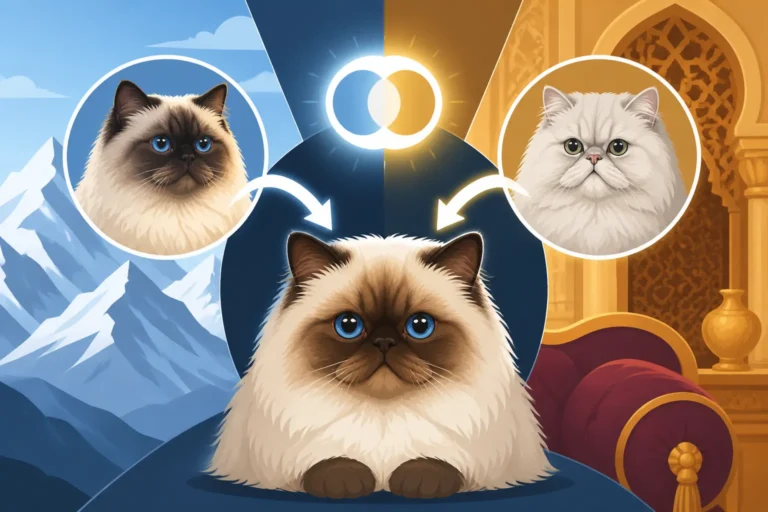
It's no secret that our beautiful Himalayans have a very distinct look, one that comes with both charm and a unique set of care considerations. Much of this stems from their lineage, a delightful blend of the regal Persian and the vocal Siamese. While they inherited the best of both worlds in terms of personality and appearance, they also picked up some genetic predispositions that influence their overall health profile, and consequently, how insurance companies view their risk.
The Persian Legacy: Flat Faces and Brachycephalic Concerns
The most prominent feature influencing a Himalayan's health, and often their insurance premium, is their brachycephalic, or "flat-faced," conformation. This short, broad head with a compressed muzzle is a hallmark of the Persian side of their family tree and, while undeniably cute, can lead to a host of respiratory and other issues.
Think about it: that sweet, pushed-in nose means shorter airways. This can make breathing less efficient, especially during exertion or in warm weather. You might notice your Himalayan is a bit of a snorer, or pants more readily after a short play session than a cat with a longer nose. In more severe cases, this can lead to Brachycephalic Airway Obstructive Syndrome (BAOS), which can require significant veterinary intervention, potentially including surgery to widen nostrils or shorten an elongated soft palate. Insurance companies are very aware of these potential issues, and they factor into their risk calculations. It’s why understanding How a Vet Grades a Himalayan's Nostrils is so important even for prospective owners. Beyond breathing, the flat face can also contribute to tear duct issues, leading to chronic tear staining and potential skin irritation in the folds around the nose. Our lovely Himmies often need daily face wiping to keep these areas clean and dry, preventing infections. And then there are their beautiful, prominent eyes, which can be more susceptible to conditions like entropion, where the eyelid rolls inward, causing eyelashes to rub against the cornea. This requires careful monitoring and sometimes surgical correction, adding another layer of potential expense.
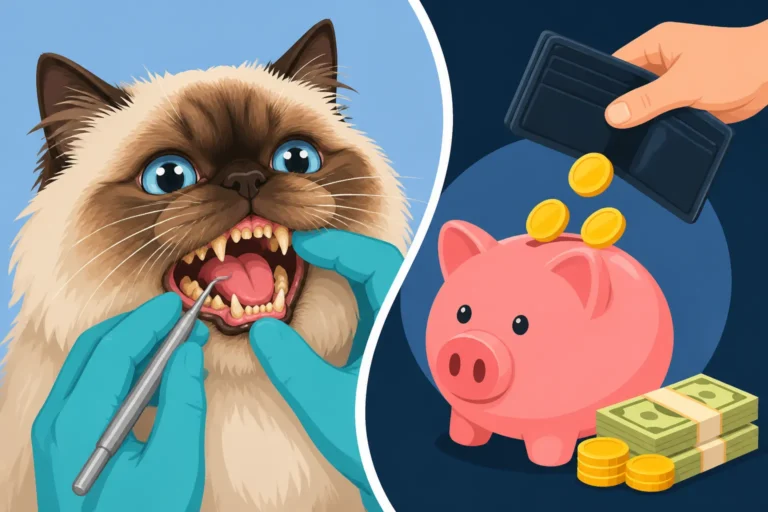
The shortened jaw also crowds their teeth, making them prone to dental disease much earlier than many other breeds. Regular dental cleanings under anesthesia become a more frequent and necessary part of their care, and extractions are not uncommon as they age. This constant vigilance and the potential for costly procedures directly impact insurance risk. It's truly a testament to how their unique appearance shapes their health journey.
Inherited Conditions from Both Sides of the Family Tree
Beyond the brachycephalic traits, Himalayans can inherit specific genetic conditions that further influence their insurance profile. It’s like drawing from two distinct health encyclopedias – one Persian, one Siamese.
From their Persian ancestry, Polycystic Kidney Disease (PKD1) is probably the most well-known. This condition causes cysts to form and grow on the kidneys over time, eventually leading to kidney failure. While reputable breeders now test their breeding cats rigorously for PKD, and we've seen a significant reduction in affected lines, the breed's historical prevalence means it’s still on insurers' radar. The gene test for PKD is straightforward and highly effective, allowing breeders to ensure their kittens are free from this devastating disease. However, the potential for it, especially if a cat's lineage isn't fully transparent, remains a factor. You can learn more about how PKD1 Came Down the Persian Side of a Himalayan to appreciate its significance.
Another notable inherited condition from the Persian side is Progressive Retinal Atrophy (PRA), which can lead to blindness. Again, responsible breeders conduct eye examinations and genetic testing to minimize this risk, but the breed's predisposition means it's a known concern. Retinal Atrophy Reached the Himalayan From the Persian Too is a good read on this topic. While the Siamese side contributed their stunning point coloration and conversational nature, thankfully, many of the more common Siamese genetic predispositions are less prevalent in Himalayans compared to the Persian ones, or have been bred out. However, heart conditions like Hypertrophic Cardiomyopathy (HCM) can affect many breeds, and while not as dominant a concern as PKD in Himalayans, it's something many owners monitor, especially as their cats age. Essentially, Every Himalayan Inherits Two Disease Lists, Not One, and the cumulative risk from these inherited and conformational issues means insurers see a higher likelihood of future claims, which naturally elevates premiums.
Comparing Himalayan and Ragdoll Health Profiles
When we talk about why Himalayan premiums might be higher, it’s not to say Ragdolls are completely without health concerns. Every breed has its predispositions. The difference often lies in the type of conditions and their prevalence and severity, particularly those linked to physical conformation.
The Ragdoll's General Health and Breed Standards
Ragdolls are renowned for their docile temperament and beautiful, plush coats. From a health perspective, they are generally considered a robust breed. They typically possess a more traditional, moderate head shape – meaning no brachycephalic issues like flattened faces. This immediately reduces the risk of respiratory problems, severe dental crowding, and eye conditions directly related to facial structure that Himalayans often face. You’ll find that Ragdolls rarely snore with the same gusto as a Himalayan, simply because their airways are more open.
Ragdolls do have their own genetic predispositions, primarily Hypertrophic Cardiomyopathy (HCM), a form of heart disease, and sometimes Polycystic Kidney Disease (PKD), though the latter is less common than in some Persian-derived breeds and responsible breeders test for both. They are also known for potential joint issues in some lines, like hip dysplasia. However, these conditions, while serious, don't carry the same breadth of daily management and potential for chronic, expensive interventions that the brachycephalic syndrome presents for Himalayans. A Ragdoll’s conformation generally allows for easier breathing and fewer anatomical challenges that require frequent veterinary attention or specialized daily care. Their calm demeanor also might statistically lead to fewer energetic mishaps or injuries that could result in emergency vet visits.
The Actuarial Equation: Risk Assessment by Insurers
So, why the premium difference? It all boils down to risk. Insurance companies are masters of statistics, using vast amounts of data to predict the likelihood and cost of future claims for different breeds. This isn't personal; it's purely actuarial.
When an insurer looks at a Himalayan, they see a breed with a higher baseline risk for:
- Brachycephalic Airway Obstructive Syndrome (BAOS): Leading to potential surgery, lifelong management of breathing issues, and increased risk under anesthesia.
- Dental Disease: Due to crowded jaws, requiring more frequent professional cleanings and extractions.
- Eye Conditions: Such as entropion or excessive tearing leading to dermatitis, often requiring medication or surgery.
- Polycystic Kidney Disease (PKD1): Even with robust testing, the breed's history means it's a known, and potentially costly, chronic condition.
Compare this to the Ragdoll, whose list of breed-specific concerns, while important, often doesn't include the same breadth of structural issues that necessitate ongoing medical management or a higher probability of surgical intervention related to their very anatomy. The potential cost of treating these conditions over a Himalayan's lifetime is simply higher on average. Insurance providers analyze veterinary claims data extensively. If a particular breed consistently generates more claims for expensive treatments or chronic conditions, that breed's premiums will reflect that statistical reality.
It's also worth noting that some insurance policies might even have specific exclusions or higher deductibles for certain breed-related conditions. It's crucial to read the fine print, as Which Conditions Insurers Write Out of a Himalayan Policy can vary greatly. Even with the best breeders conducting all recommended health tests, the inherent physical traits of a Himalayan mean a higher statistical likelihood of needing specialized care at some point. This isn't about blaming the breed or the owner; it's simply the nature of risk assessment in the insurance world.
Daily Care and Lifetime Costs for a Himalayan
Beyond the potential for major medical interventions, the routine, day-to-day care of a Himalayan also contributes to their overall cost profile, which subtly impacts how insurers perceive their overall "riskiness" or maintenance needs. A breed that requires more intensive daily care often implies a higher chance of issues if that care isn't consistently provided.
The Grooming and Eye Care Commitment
Let's be honest, that magnificent long coat is a big part of the Himalayan's appeal, but it's also a serious commitment. That dense, flowing Persian coat is a mat magnet, and mats, if left unchecked, aren't just unsightly; they're painful and can lead to skin infections and other serious health problems. This means daily combing is non-negotiable for most Himalayans. The Daily Comb a Himalayan Cannot Skip is not an exaggeration – even one missed day can mean tangles, and a few missed days can mean a trip to the groomer for a shave-down, often under sedation if the mats are severe. These grooming costs, both in time and potential professional services, add up.
Then there's the face. Those beautiful, large, blue eyes and the often-present nose fold mean a daily ritual of cleaning and drying. Excessive tearing is common in flat-faced breeds, and if not meticulously managed, those tears can stain the light fur and create a damp environment ripe for bacterial or yeast infections, known as fold dermatitis. You'll find yourself needing specific wipes, gentle cleansers, and soft cloths every single morning. The Morning Face Routine Every Himalayan Needs is another daily ritual that can't be skipped. While these aren't directly "insurance claims," the need for such diligent preventative care highlights the breed's vulnerability to certain issues if care falters. An insurer might implicitly factor that a breed requiring this much maintenance might also present a higher risk of care-related claims if an owner isn't fully prepared for the commitment.
Specialized Needs for a Flat-Faced Feline
The flat face affects more than just breathing and eyes; it impacts how a Himalayan interacts with their world, even down to eating and drinking. Standard, deep food bowls can be challenging for a Himalayan to use comfortably. Their short muzzle and crowded jaw mean they often struggle to reach food at the bottom, or they push it out with their face, leading to mess and potential difficulty eating. Many owners find Which Bowl Shape a Flat Faced Himalayan Can Use is a crucial consideration, opting for shallow, wide, or even elevated bowls.
Their magnificent coats and shortened airways also make them particularly susceptible to overheating. Unlike other cats who might seek a sunny spot, a Himalayan often gravitates towards the coolest tile in the house, even in moderate temperatures. Managing their environment during warmer months, ensuring they have access to cool spots, and avoiding strenuous play that can lead to panting and distress is vital. How to Cool a Long Coated Himalayan in Summer isn't just a comfort tip; it's a health necessity.
All these specialized needs, from grooming tools to feeding dishes to temperature control, contribute to a higher overall cost of ownership and a more complex care regimen. While insurance covers medical events, the underlying reasons for higher premiums often stem from these breed-specific needs and predispositions.
Mitigating Costs and Choosing the Right Insurance
While the reality of higher premiums for your Himalayan can be a tough pill to swallow, there are definitely steps you can take to manage costs and ensure your beloved feline receives the best possible care throughout their life. It all starts with being an informed and proactive owner.
The Importance of Breeder Selection and Health Testing
The single most impactful decision you can make, long before you even consider insurance, is choosing a reputable breeder. A responsible Himalayan breeder will be transparent about their cats' lineage, health testing protocols, and any known issues in their lines. They should provide clear documentation of genetic testing for conditions like Polycystic Kidney Disease (PKD) and Progressive Retinal Atrophy (PRA). Don't hesitate to ask for copies of parent certificates and to understand How to Read a Himalayan's PKD Certificate.
Insist on seeing Which Two Certificates a Himalayan Breeder Owes You – usually proof of PKD DNA testing for both parents, and ideally, current eye health certifications. While these tests don't guarantee your cat will never have any health issues, they drastically reduce the risk of debilitating and expensive inherited conditions. A cat from fully health-tested parents still inherits the breed's predispositions, which influences premiums, but their individual risk of developing certain diseases is significantly lowered. This proactive approach by the breeder, and by extension, you as the owner, is the first line of defense against high veterinary bills. It’s about stacking the deck in favor of a healthier, happier life for your Himmie.
Navigating Pet Insurance Options
Once you have your healthy kitten, finding the right pet insurance policy becomes paramount. Don't just grab the first quote; take the time to compare different providers and policy structures. Some of the most well-known providers include Healthy Paws, which is often praised for its comprehensive accident and illness coverage.
Here's what to look for:
- Policy Types: Do you want accident-only, or a more robust accident & illness plan? Wellness plans, which cover routine care like vaccinations and annual exams, might also be an option, but often don't impact the core premium related to breed risk.
- Deductibles: This is the amount you pay out-of-pocket before your insurance kicks in. A higher deductible will typically mean a lower monthly premium, but be prepared to cover more in an emergency.
- Reimbursement Percentage: This determines how much of the covered vet bill the insurance company will pay (e.g., 70%, 80%, 90%).
- Annual Limits: Some policies have a maximum amount they will pay out in a year. Ensure this limit is sufficient for potential major medical events.
- Breed-Specific Exclusions/Waiting Periods: As mentioned, some policies might have specific clauses for brachycephalic breeds or for conditions like PKD if not proven clear by testing. Always clarify these points before signing up.
Remember, the goal is to find a balance between a manageable monthly premium and adequate coverage for your Himalayan's unique needs. Providers like Chewy also offer various insurance plans through partnerships, making it convenient to compare options while you're stocking up on specialized food or grooming tools. Maintaining a high-quality diet is a foundational aspect of preventative care that can contribute to overall health and potentially fewer vet visits over time, even if it doesn't directly reduce your insurance premium for breed-specific risks.
Here's a quick overview of factors that typically influence pet insurance premiums:
| Factor | Impact on Premium (Generally) | Notes |
|---|---|---|
| Breed Predisposition | Higher for breeds with known health issues (e.g., Himalayans) | Reflects statistical likelihood of claims for breed-specific conditions. |
| Age of Pet | Increases with age | Older pets are more likely to develop health issues. |
| Location | Varies by zip code | Reflects average veterinary costs in your area. |
| Deductible Chosen | Higher deductible = lower premium | Amount you pay before insurance covers costs. |
| Reimbursement Level | Lower reimbursement (e.g., 70%) = lower premium | Percentage of vet bill insurance pays after deductible. |
| Annual Limit | Higher annual limit = higher premium | Maximum amount insurance will pay in a policy year. |
| Wellness Add-ons | Increases premium | Covers routine care (vaccines, exams); separate from accident/illness. |
Ultimately, while Himalayan premiums might feel a bit higher than those for a Ragdoll, it's a reflection of their distinct genetic and physical makeup. With diligent research into breeders, a commitment to daily preventative care, and a well-chosen insurance policy, you can ensure your beautiful Himalayan enjoys a long, healthy, and happy life by your side, without breaking the bank unexpectedly.
Disclaimer
This article is for general informational purposes only and does not constitute professional advice. Laws, prices and regulations vary by location and change over time. Consult a qualified professional for guidance on your specific situation.