Why to Insure a Himalayan Before Its First Kidney Scan
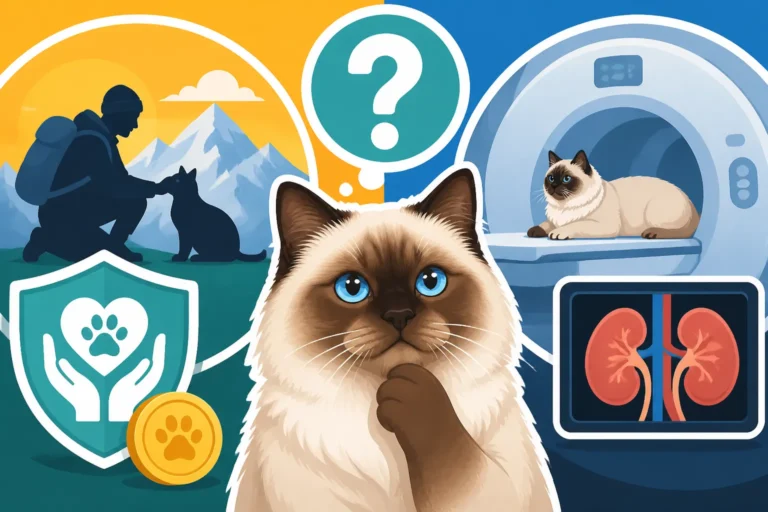
There’s a unique anxiety that comes with owning a Himalayan cat, especially when you know their lineage carries certain predispositions. You adore that fluffy face and those sapphire eyes, but a quiet fear often lingers in the back of your mind: what if something serious develops, and what will it cost? This guide is going to walk you through precisely why getting pet insurance before your precious Himalayan ever has their first kidney scan is one of the smartest, most financially protective decisions you can make for them and for your peace of mind.
The Hidden Risks in a Himalayan's Genes: Why Early Scans Matter
It's a tough pill to swallow, but our beloved Himalayans, with all their charm and gentle natures, inherit a genetic legacy that includes some serious health considerations. Knowing about these potential issues isn't about dwelling on the negative; it's about being prepared and proactive, especially when it comes to safeguarding their health and your wallet.
Understanding Polycystic Kidney Disease (PKD)
One of the most significant health concerns for Himalayans, directly inherited from their Persian ancestors, is Polycystic Kidney Disease, or PKD. This isn't just some vague risk; it's a condition where fluid-filled cysts gradually form and enlarge in the kidneys, ultimately leading to kidney failure over time. What makes PKD particularly insidious is its silent nature. A kitten might inherit the gene, appear perfectly healthy for years, and show no outward symptoms while these cysts are slowly, imperceptibly growing. It's a progressive disease, meaning those tiny cysts present at birth will keep getting bigger, silently compromising kidney function. Owners often don't see any signs until the disease is quite advanced, which is a truly heartbreaking situation to be in. PKD1 Came Down the Persian Side of a Himalayan delves deeper into this genetic inheritance.
The Silent Threat of Cysts on the Kidneys
Imagine a tiny, perfectly healthy-looking kitten, full of playful energy. You wouldn't know by looking at them that their kidneys might already be harboring microscopic cysts. These aren't like a single, large growth you can easily spot; they start incredibly small, often undetectable without specialized imaging. Over months and years, these small cysts multiply and grow larger, slowly replacing healthy kidney tissue. This gradual encroachment means the kidneys have to work harder and harder to perform their vital filtering functions. By the time your Himalayan starts showing symptoms like increased thirst, weight loss, or changes in appetite, a significant portion of their kidney function might already be lost. Early detection through ultrasound or genetic testing is crucial, not just for knowing what you're up against, but for planning proactive care and making informed decisions about their future health management. How Early Cysts Show on a Himalayan's Kidney Scan explains the diagnostic process.
Why a Himalayan's Breed History Impacts Insurance
The very genetic blueprint that gives your Himalayan its stunning appearance—that luxurious coat, those striking blue eyes, and even its characteristic flat face—also links it directly to certain breed-specific health challenges. The Persian heritage, while contributing to their beauty, also brings a predisposition to conditions like PKD. When it comes to pet insurance, companies are well aware of these breed-specific risks. They classify conditions based on whether they're hereditary or congenital. Because PKD is a known hereditary condition within the Persian and Himalayan lines, it's something insurers pay close attention to. If your cat has already had a kidney scan that revealed cysts, or if a genetic test confirms they carry the PKD gene before you get insurance, that condition will almost certainly be classified as "pre-existing." This classification is the biggest hurdle to getting coverage for future PKD-related treatments, and it's why timing your insurance enrollment is paramount.
The Catch-22 of Pet Insurance: Pre-Existing Conditions
Navigating the world of pet insurance can feel like trying to untangle a particularly stubborn mat in your Himalayan's ruff. It’s full of terms and conditions that can make your head spin, and none is more critical than "pre-existing conditions." This one phrase can make or break your ability to get financial support for your cat's most serious health issues.
Defining a Pre-Existing Condition in the Context of PKD
Here’s the rub: almost every pet insurance policy defines a pre-existing condition as any illness, injury, or symptom that was observed or diagnosed before your coverage began, or before the end of your policy’s waiting period. For a Himalayan with PKD, this definition is a huge deal. Even if your cat seems perfectly healthy and isn't showing any signs of illness, if a vet performs an ultrasound and sees those tell-tale cysts, or if a genetic test reveals the PKD gene, that condition immediately becomes pre-existing. This means that if you then try to get insurance, any future treatments, medications, or specialized diets related to PKD will likely be excluded from coverage. It doesn't matter if you just found out; if it was present or diagnosed before the policy was active, it counts. This is why the timing of that first kidney scan relative to your insurance enrollment is so critical.
The Costly Reality of Uninsured Kidney Disease
Let's be brutally honest: managing a chronic condition like Polycystic Kidney Disease is expensive, and it's a long-term commitment. Without insurance, you're looking at a significant financial burden. First, there are the diagnostic costs: blood tests to monitor kidney function, regular ultrasounds to track cyst progression, and possibly genetic testing for other family members. Then, once symptoms arise or progression is noted, there's a whole host of treatments and supportive care. This can include prescription renal diets (which aren't cheap and need consistent feeding), medications to control blood pressure or nausea, fluid therapy, and ongoing veterinary check-ups. Which Renal Diet a Cyst Positive Himalayan Ends Up On provides insight into these dietary needs. The cumulative cost over years can easily run into thousands, or even tens of thousands, of dollars. Thinking about these figures can feel overwhelming, but it's the realistic scenario many owners face. Having to choose between your cat's quality of life and your financial stability is a heartbreaking position no pet parent should be in. How Long a Himalayan Lives Once Its Kidneys Fail illustrates the long-term nature of managing this condition.
The Advantage of Enrolling Before a Diagnosis
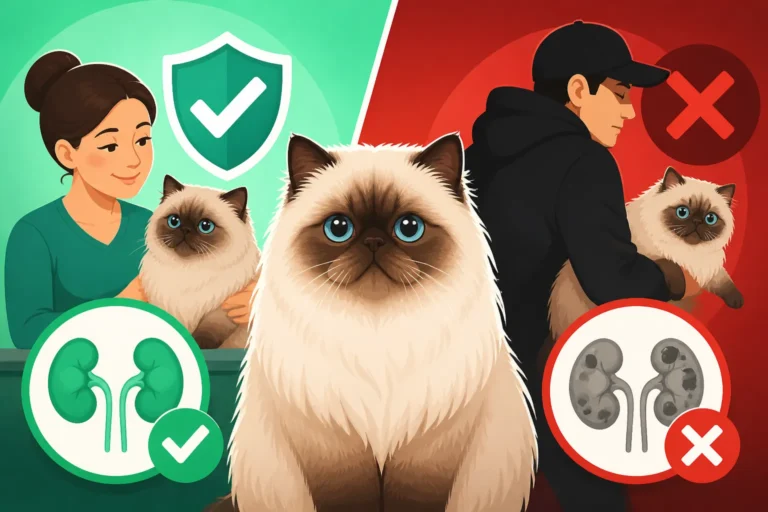
This is the core takeaway: securing pet insurance before your Himalayan has their first official kidney scan or genetic test for PKD offers a monumental advantage. If there is no documented evidence of PKD on their veterinary record prior to your policy effective date and the waiting periods have passed, then any future diagnosis of PKD will be covered according to your policy terms. This means that all those expensive treatments—the specialized food, the medications, the frequent vet visits, even potential advanced therapies—would be covered, significantly reducing your out-of-pocket expenses. It transforms a potentially devastating financial blow into a manageable monthly premium and deductible. It’s an investment in your Himalayan's future health and your financial security. Don't wait until a problem is suspected; by then, it might already be too late to get coverage for that specific condition.
Navigating Pet Insurance Options for Your Himalayan
Once you're convinced that pet insurance is the way to go (and honestly, for a Himalayan, it really is), the next step is finding the right policy. It's not just about picking the first name you see; it's about understanding what makes a policy truly valuable for a breed with specific needs like ours.
What to Look For in a Himalayan-Friendly Policy
When you’re sifting through insurance plans, keep your Himalayan's unique profile in mind. First and foremost, look for policies that explicitly cover hereditary and congenital conditions. This is non-negotiable for a breed like the Himalayan, given their predisposition to PKD and other issues stemming from their Persian lineage. Some policies might have limits or exclusions, so read the fine print carefully. You'll also want to understand the reimbursement percentage (e.g., 70%, 80%, 90% of eligible vet bills) and the annual limit on payouts. A higher reimbursement percentage and a generous annual limit will give you more breathing room when big bills hit.
Consider if they offer wellness add-ons for routine care. While these typically don't cover unexpected illnesses, they can help with the cost of preventative care, which is vital for long-term health. Be wary of policies that have specific breed exclusions or higher premiums for "flat-faced" breeds, though major concerns like breathing issues are often separate from PKD. For instance, while some policies might have clauses around brachycephalic airway syndrome, the kidney coverage is usually distinct. Comparing different providers is key, and reputable companies like Healthy Paws are often lauded for their comprehensive coverage, but always check their specific terms for your breed.
The Right Timing for Enrollment
As we've stressed, the "before first scan" rule is golden. The ideal time to enroll your Himalayan kitten in a pet insurance policy is as soon as you bring them home, ideally before their first routine vet check-up that might involve any diagnostics. Most policies have waiting periods (usually 14-30 days for illnesses and sometimes longer for orthopedic conditions), so getting them enrolled early means these waiting periods can pass while your kitten is still young and healthy. If you adopt an older Himalayan, it's still worth getting insurance, but you'll need to be aware that any conditions noted in their previous vet records could be deemed pre-existing. However, even if they have one pre-existing condition, insurance can still cover all other new illnesses or accidents that might occur throughout their life. It's about getting the broadest possible safety net in place when your cat is at their healthiest.
Beyond PKD: Other Health Concerns to Consider
While PKD is a major hereditary concern, Himalayans can face other health challenges that pet insurance can help cover. Their distinctive flat faces, inherited from the Persian side, can sometimes lead to breathing difficulties (brachycephalic airway syndrome). This can range from snoring (which is common) to more severe issues requiring surgery. Why a Himalayan Snores Louder Than Its Siamese Ancestors explains some of these sounds. Their beautiful, large, round eyes can also be prone to issues like entropion (inward-rolling eyelids) or excessive tear staining, which can sometimes lead to skin irritation or infection. The crowded nature of their shortened jaws means they're also highly susceptible to dental disease, often requiring more frequent and complex dental care under anesthesia than other breeds. Why a Himalayan Needs Dentals Earlier Than a Siamese highlights this. A good pet insurance policy will offer coverage for many of these conditions, ensuring you can provide the best care without financial strain when these issues inevitably arise. Even accidents, like a fall from a chair or an unexpected injury, can lead to costly vet visits, and that’s where comprehensive accident and illness coverage truly shines.
| Common Himalayan Health Concern | Description | Typical Vet Costs (Uninsured) | Insurance Benefit |
|---|---|---|---|
| Polycystic Kidney Disease (PKD) | Progressive kidney failure due to cysts (hereditary) | Diagnostics, specialized diet, medications, ongoing monitoring | Covers diagnosis, treatment, medications, and prescription food (if part of plan) |
| Brachycephalic Airway Syndrome | Breathing difficulties due to flattened face | Diagnostics, medications, potential corrective surgery | Covers diagnosis, medications, and surgery (if not pre-existing) |
| Dental Disease | Overcrowded teeth leading to gum disease, extractions (breed predisposition) | Regular cleanings under anesthesia, extractions, antibiotics | Covers cleanings and extractions (after waiting periods, if not pre-existing) |
| Entropion | Eyelids rolling inward, irritating the eye (hereditary) | Ophthalmologist visits, corrective surgery, eye drops | Covers diagnosis, medication, and surgery |
| Skin Infections (e.g., facial folds) | Damp folds around the nose or eyes leading to dermatitis | Vet visits, topical treatments, oral antibiotics | Covers diagnosis and treatment of infections |
| Accidents / Injuries | Fractures, sprains, ingested foreign objects, etc. | Emergency vet visits, X-rays, surgery, hospitalization | Covers emergency care, diagnostics, surgery, and recovery |
Practical Steps to Insure Your Himalayan Cat
Alright, you’re ready to take the plunge and protect your furry family member. That’s fantastic! Now let's talk about the nitty-gritty of getting your Himalayan insured, from finding the right policy to understanding how to use it.
Researching and Comparing Providers
This isn't a "one size fits all" situation, so take your time to shop around. Start by getting quotes from several reputable pet insurance providers. Look at well-known names in the industry, and compare their offerings side-by-side. Don't just look at the monthly premium; dig into the details of their plans. What's the deductible? How much do they reimburse? Are there annual or per-incident limits? Do they cover examination fees or just the treatments? Read reviews, but also pay close attention to the actual policy documents, as these contain the definitive terms. For example, a provider like Healthy Paws is frequently mentioned for its comprehensive coverage and unlimited annual payouts, which can be a huge benefit for chronic conditions. However, every company has its own nuances, so gather a few quotes and compare the specifics for your cat.
The Enrollment Process
Enrolling your Himalayan is usually a straightforward process once you've chosen a provider. You'll typically need to provide your cat's basic information (name, breed, age) and your contact details. The insurer will often request your cat's veterinary records from the past year or two. This is where the "before first kidney scan" strategy comes into play. If your records are clear of any PKD diagnosis or suspected symptoms, you’re in a strong position. Once you enroll, there will be a waiting period before your coverage for illnesses or accidents begins. This is standard practice and can vary from a few days for accidents to a couple of weeks or even a month for illnesses. Make sure you understand these waiting periods so you're not caught off guard if something happens shortly after enrollment. It’s a bit like buying health insurance for yourself; you can't typically get coverage for a pre-existing condition or expect it to kick in immediately for every ailment.
Maximizing Your Insurance Benefits
Once your Himalayan is insured, the key is to understand how to use your policy effectively. First, keep meticulous records of all your vet visits, diagnoses, and treatments. This includes invoices, receipts, and any medical reports. When it comes time to submit a claim, you'll typically fill out a claim form, attach your vet's invoice, and send it to your insurance provider. Many providers now offer online portals or apps to make this process easier. How Often a Tested Himalayan Still Needs Checking will show you the importance of routine vet visits, which are crucial for early detection and for showing your insurer you're proactive about your cat's health.
Remember that insurance is there for the unexpected and the chronic conditions. For day-to-day items like specialized foods or certain supplements, you might explore other avenues. For instance, online retailers like Chewy often have auto-ship options for prescription diets and can be more cost-effective than buying directly from your vet. Similarly, if your vet recommends a fresh food diet for kidney support, tailored meal plans can be beneficial. Always discuss any dietary changes with your vet, especially if your Himalayan has a health condition. The peace of mind that comes from knowing you can afford the best possible care for your beloved Himalayan is truly priceless.
Disclaimer
This article is for general informational purposes only and does not constitute professional advice. Laws, prices and regulations vary by location and change over time. Consult a qualified professional for guidance on your specific situation.