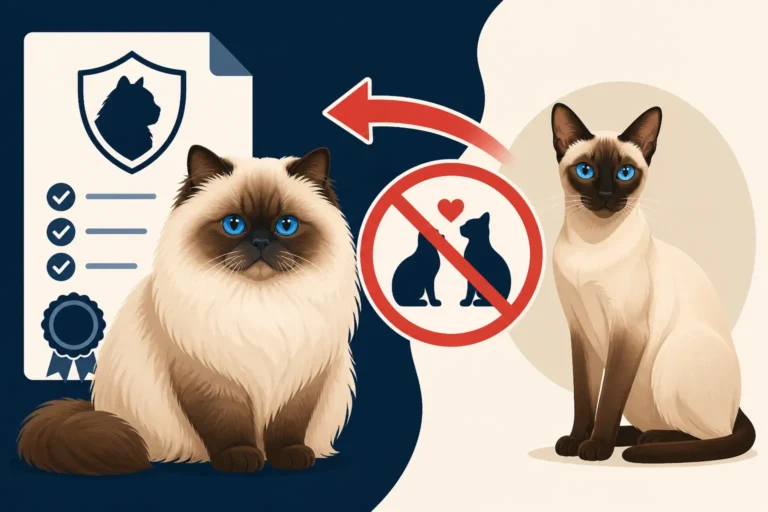
What Registering a Himalayan Under Both Names Costs
It’s incredibly confusing when you first delve into the world of Himalayan cats and their official pedigrees. Many new owners, and even some experienced ones, grapple with the question of exactly what their cat is on paper, and the idea of registering "under both names" can seem like a bureaucratic nightmare. This guide is here to untangle that knot, explaining why this dual nomenclature exists, what it means for you and your furry companion, and the implications for registration costs and effort.
The Historical Divide in Himalayan Cat Registration
The perplexing situation of registering a Himalayan "under both names" stems from a significant historical decision made by one of the largest cat registries. For decades, breeders and enthusiasts have navigated this split, which has a direct impact on how your cat is officially recognized and what that recognition entails.
CFA's Decision: Colorpoint Persian
The Cat Fanciers' Association (CFA), a prominent cat registry in North America, made a pivotal decision in 1984. They opted to fold the Himalayan into the Persian breed, categorizing it as a "Colorpoint Persian" division. This meant that while the Himalayan's distinct pointed pattern (darker extremities like ears, face, paws, and tail) remained, it was no longer considered a separate breed by the CFA. From that point forward, for CFA purposes, a Himalayan is a Persian, just one with specific colorpoint genetics.
This move aimed to consolidate breeds and simplify their structure, but for many Himalayan enthusiasts, it blurred the lines of their beloved cat's identity. If you're going to show your Himalayan under CFA rules, it will be judged against the Persian standard, with its unique color pattern being a recognized variation within that framework. The paperwork you receive from a CFA-registered breeder will often reflect this, listing your cat as a "Persian – Himalayan Division" or "Colorpoint Persian." Understanding Why CFA Merged the Himalayan With the Persian is key to grasping this fundamental difference.
TICA's Stance: Himalayan as a Distinct Breed
In contrast, The International Cat Association (TICA), another major global registry, chose a different path. TICA continues to recognize the Himalayan as a distinct breed in its own right. This means that if your Himalayan is registered with TICA, its papers will explicitly state "Himalayan," reflecting its unique heritage and characteristics, separate from the broader Persian category.
This difference offers breeders and owners more flexibility, allowing them to participate in shows where Himalayans are judged on their own breed standard, rather than as a division of another. For those who feel strongly about the Himalayan's unique identity, TICA's approach often resonates more deeply. Many breeders will choose to register their cats with TICA precisely for this reason, ensuring their cats' lineage is recorded under the name they feel most accurately represents them. You can delve deeper into How TICA Registers a Himalayan Today to understand their specific procedures.
Understanding the Costs of Registration
When we talk about "the cost of registering a Himalayan under both names," it's not a single, combined fee. Instead, it refers to the aggregate expenses involved in registering your cat with multiple recognized cat associations, each of which has its own fee structure. This can be a bit like joining two different clubs – each requires its own membership and participation fees.
Initial Registration Fees Per Registry
The first cost you'll encounter is typically the initial registration fee for your individual cat or, for breeders, for an entire litter. Each registry, whether it's CFA, TICA, or another organization, will have its own set of charges for this. These fees usually cover the administrative work of processing your cat's pedigree, adding it to their official records, and issuing the necessary certificates.
For instance, if your cat comes from a breeder who is registered with both CFA and TICA, they might have paid a litter registration fee to each body, or they might offer to register your individual kitten with one or both. The cost for registering an individual cat is typically a modest sum, but it's important to remember that this fee is paid per registry. So, if you want your Himalayan to be officially recognized by both CFA and TICA, you would incur two separate individual registration fees. These fees are subject to change and vary between organizations, so it's always best to check the current rates directly on their websites. This is one of the important details your breeder should clarify, along with Which Papers a Himalayan Buyer Should Insist On.
Membership and Breeder Fees
Beyond the one-time registration of an individual cat, there are other costs that contribute to the overall picture, especially for breeders. Most cat registries require breeders to maintain an annual membership. This membership grants them the ability to register litters, participate in shows, and access breed-specific resources. These annual membership fees are a recurring cost for breeders, and they often choose to be members of multiple organizations to maximize their cats' recognition and potential show opportunities.
While a pet owner might not need to pay these annual membership fees themselves, they indirectly contribute to the overall cost of a well-bred cat. Responsible breeders factor these operational costs into their kitten prices. Furthermore, if you, as an owner, decide you want to delve into showing your Himalayan or even consider breeding in the future, you would then need to pay these membership fees yourself for each association you wish to join. For a serious breeder, maintaining memberships and registering their breeding cats and litters is a significant part of their operation.
| Type of Fee | Description | Applies To | Frequency |
|---|---|---|---|
| Litter Registration | Fee paid by breeder to register an entire litter with a registry. | Breeder | Per litter |
| Individual Cat Registration | Fee to register a single cat, usually from a registered litter. | Breeder or New Owner | Per cat |
| Annual Membership | Recurring fee for breeders/exhibitors to participate in registry activities. | Breeder/Exhibitor | Annually |
| Pedigree Certificates | Cost for copies of multi-generation pedigree documentation. | Breeder or New Owner | Per request |
| Show Entry Fees | Fees to enter a cat into a sanctioned cat show. | Exhibitor | Per show/cat |
The Practicalities and Benefits of Dual Registration
So, why would anyone go through the extra effort and expense of dual registration? The primary reasons revolve around versatility, recognition, and future options, particularly for those involved in breeding or showing. While it adds a layer of administrative complexity, it can open up a wider world for your Himalayan.
Expanding Show Opportunities
For serious exhibitors, registering a Himalayan with both CFA and TICA (or other regional organizations) vastly expands the opportunities to compete. A cat registered with TICA can participate in TICA-sanctioned shows, where it will be judged specifically as a Himalayan. The very same cat, if also registered with CFA, can then enter CFA shows as a Colorpoint Persian, competing under a different set of standards and against a different pool of cats.
This dual eligibility means a wider circuit of shows, more chances for titles, and greater exposure for the cat and its lines. Imagine you have a stunning Himalayan. Being able to showcase its beauty and conformation in both a TICA Himalayan ring and a CFA Persian ring is a huge advantage. It demonstrates the cat's quality across different judging criteria and allows the owner to engage with diverse communities of cat fanciers. The pursuit of titles and recognition in the cat show world is a passion for many, and dual registration is a strategic move to achieve those goals.
Maintaining Breeding Versatility and Lineage
For breeders, dual registration offers significant versatility in managing their breeding programs. By having their breeding cats registered with multiple associations, they can potentially:
- Access wider gene pools: While cross-registration doesn't always mean a cat can be bred to any registered cat from another registry, it can simplify the process of verifying lineage and titles for potential breeding partners.
- Future-proof their lines: If one registry changes its rules or becomes less popular, having registration with another ensures the continuity and recognized lineage of their cats.
- Cater to diverse buyer preferences: Some buyers might have a strong preference for a CFA-registered cat, while others might prefer TICA. Offering both options (or at least having the breeding stock recognized by both) can broaden a breeder's appeal.
It's about ensuring that the valuable genetic heritage of their Himalayans, including traits like the distinct color points, is recognized and celebrated across the cat fancy. A responsible breeder will have meticulous records, and understanding How to Read the Breed Line on a Himalayan Pedigree is essential for both them and you as a potential owner. For those deeply invested in the health and future of their cattery, services like Healthy Paws, which offers comprehensive pet insurance, might be considered a necessary investment to safeguard their valuable breeding stock.
Navigating the Paperwork and Breeder Responsibilities
Understanding registration can be overwhelming, but a reputable breeder will be your best guide. They carry the primary responsibility for navigating these complexities and ensuring your kitten comes with proper documentation.
What Your Breeder Should Provide
When you acquire a Himalayan kitten, especially one intended for show or breeding, your breeder should be transparent about its registration status. Typically, this means providing you with a blue slip or registration application for your individual kitten from the primary registry they use. They should also be able to explain whether their cattery and breeding cats are registered with multiple organizations.
For example, if a breeder says their kittens are "CFA-registered," they should provide the necessary documentation for you to register your specific kitten with CFA. If they also mention TICA, they should either offer a similar application for TICA, or explain their process for dual registration. It’s crucial to understand Which Two Certificates a Himalayan Breeder Owes You – usually, this includes proof of registration eligibility and health testing results for the parents. Don't be shy about asking questions about the specifics of their registration practices; a good breeder will be happy to educate you. They often deal with a lot of paperwork and might even suggest reliable online services or pet stores like Chewy that offer pet-related document management tools or quality supplies to support a healthy lifestyle for your new cat, regardless of its registration.
The Cost Versus Value of Comprehensive Registration
While the monetary cost of registering with two organizations might not be exorbitant in terms of individual cat fees, the value it represents can be significant. For a pet owner, having a fully registered cat means knowing its lineage is officially recognized and documented. It’s a testament to the breeder's commitment to preserving the breed's standards and health. For a breeder, it's an investment in their reputation and the future of their breeding program.
Consider the time and effort a breeder puts into ensuring healthy lines, including genetic testing for conditions like PKD1 Came Down the Persian Side of a Himalayan or Retinal Atrophy Reached the Himalayan From the Persian Too. These efforts contribute to the overall value of the kitten, and proper registration is a part of that package. The cost of “both names” registration, therefore, becomes a small component of the larger picture of responsible cat ownership and breeding. It signifies that your cat meets the specific standards of both a Himalayan and a Colorpoint Persian, offering a deeper understanding of its unique heritage. This attention to detail reflects a commitment to the cat's well-being and pedigree, much like choosing premium, fresh cat food to ensure optimal nutrition.
Making the Decision: Is Dual Registration Right for You?
For the average pet owner who simply wants a beloved companion, dual registration might not be a top priority. A single registration from a reputable registry, ensuring your cat’s pedigree and a paper trail back to health-tested parents, is usually sufficient. The primary value lies in verifying the cat's lineage and the breeder's ethical practices.
However, if you have aspirations of showing your Himalayan, even just for fun, or if you ever consider getting involved in breeding yourself, then discussing dual registration with your breeder is a wise step. It preserves options and maximizes your cat's potential recognition within the cat fancy world. Remember, the decision is ultimately yours, but being informed about the options and their implications will help you make the best choice for you and your cherished Himalayan. What What a Himalayan Buyer Should Ask About Registration covers goes well beyond just the fees, touching on all aspects of a responsible purchase.
Disclaimer
This article is for general informational purposes only and does not constitute professional advice. Laws, prices and regulations vary by location and change over time. Consult a qualified professional for guidance on your specific situation.