Why a Himalayan Settles Against the Warmest Animal
If you've ever found your fluffy Himalayan nestled deep into the side of your Labrador, or draped over the back of another, equally plush cat, you're not alone. It's a charming sight, but it also makes you wonder: why this particular obsession with being the warmest thing in the room, especially when that warmth is coming from another living being? This guide will dive into the fascinating reasons behind your Himalayan's natural inclination to seek out and snuggle against the warmest animals in your home, exploring everything from their unique physiology to their inherited personality traits.
The Himalayan's Innate Drive for Warmth
Our beloved Himalayans, with their magnificent long coats and often serene disposition, have a very specific set of physiological needs that make them natural heat-seekers. It's not just a cute quirk; it's deeply ingrained in their very being, driven by their ancestry and physical characteristics.
Their Luxurious, Yet Challenging, Persian Coat
Let's face it, a Himalayan's coat is truly a thing of beauty – thick, dense, and wonderfully soft. But this stunning feature, inherited directly from their Persian lineage, comes with a trade-off: it's not the most efficient for regulating body temperature, particularly when it comes to cooling down. Think about how we bundle up in layers in winter; that's essentially what a Himalayan is wearing all the time. Their luxurious undercoat, especially, acts like a built-in down comforter, perfect for insulating against cold but a real challenge in warmer environments.
Because their bodies are so adept at retaining heat, they don't always generate enough of their own to feel perfectly comfortable, especially if they're not actively moving. You'll often notice your Himalayan finding the sunniest spot on the floor or gravitating towards a warm vent. Another living creature, with its consistent body heat, becomes an ideal, portable radiator. This is why you'll rarely see a Himalayan willingly sprawl out on a cold, hard floor for long unless they are actively trying to cool off after an intense play session or in very hot weather. They are always on the hunt for that just-right, cozy temperature. This dense coat also means they are prone to overheating, which makes their constant search for comfortable warmth even more interesting, as they need to balance warmth with not getting too hot. Why a Himalayan Overheats Twice as Fast as a Siamese delves deeper into these challenges.
The Impact of a Brachycephalic Face on Breathing and Cooling
Beyond the coat, many Himalayans possess a brachycephalic, or "flat," face, a characteristic inherited from their Persian ancestors. While undeniably charming, this facial structure impacts their respiratory system. Cats, much like dogs, cool themselves partly by panting, which allows moisture to evaporate from their mouths and airways, dissipating heat. However, a Himalayan with a significantly flattened face has a shortened nasal passage and sometimes an elongated soft palate, making this process less efficient. Their airways are simply not as open and clear as those of a cat with a longer muzzle.
This reduced capacity for evaporative cooling means they can't shed excess heat as readily as, say, a Siamese or a domestic shorthair. They might also snore more loudly than their Siamese ancestors due to these anatomical differences. Why a Himalayan Snores Louder Than Its Siamese Ancestors explores this further. When they are comfortable and settled, especially in a slightly cooler room, they appreciate supplemental warmth to maintain their core body temperature without having to expend extra energy. Snuggling against a warm body, whether it's yours or another pet's, helps them achieve this thermal equilibrium with minimal effort. It's a comfort thing, yes, but it's also a deeply practical solution for their unique physiology.
The Inherited Tendency to Cuddle
It's not just about physics and body heat; there's a strong behavioral component to why Himalayans are such master snugglers. Their personality is a delightful blend of their two foundational breeds, the Persian and the Siamese, resulting in a cat that truly craves connection and comfort.
The Siamese Influence: A Need for Companionship
One half of the Himalayan's genetic makeup comes from the Siamese cat, a breed renowned for its vocal nature and intense desire for companionship. Siamese cats are known to form strong bonds with their human family members and often seek out physical closeness, whether it's sitting on laps, shoulders, or even under the covers. While the Himalayan may have "lost the volume" of the Siamese voice, as we often joke, they certainly kept the underlying need for connection. The Himalayan Kept the Siamese Voice and Lost the Volume discusses this fascinating inheritance.
This inherited need translates into a Himalayan who genuinely enjoys being near their chosen companions, be they human or animal. They aren't content to simply share a room; they want to share a sofa, a bed, or a sunbeam. When a human isn't readily available for a cuddle, or perhaps isn't warm enough to meet their specific criteria, another pet becomes the next best option. It's a testament to their social nature and their quiet, persistent way of expressing affection. They might not be yowling for attention like a purebred Siamese, but they'll certainly use their body language to indicate they want to be close.
The Persian Half: The "Couch Potato" Tendency
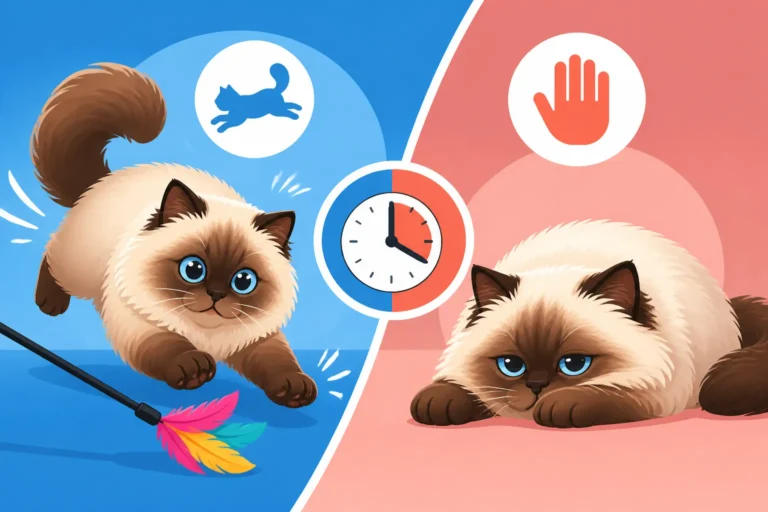
Then we have the Persian influence, which brings a calm, serene, and often quite sedentary nature to the Himalayan. Persians are famous for being laid-back "couch potatoes" who prefer a luxurious nap over an energetic romp. This calm demeanor contributes to the Himalayan's preference for soft, comfortable, and, yes, warm spots. They aren't typically a breed that's constantly on the go, climbing to the highest shelves or dashing around the house like a blur. Instead, they enjoy their comfort zones and prefer to stay put once they've found them. Why a Himalayan Stays on the Floor and the Sofa delves into this characteristic in more detail.
When you combine the Siamese's desire for closeness with the Persian's love of leisure, you get a cat that is perfectly content to spend hours curled up against a warm, breathing body. It's the ultimate comfort package: warmth, security, and companionship, all in one furry bundle. This isn't laziness; it's simply a profound appreciation for coziness and the unwavering belief that the best spot in the house is almost always next to someone else.
The Social Dynamics of Snuggling
In a multi-pet household, the act of seeking out the warmest animal isn't just about personal comfort; it also speaks to the intricate social dynamics and hierarchies within your furry family.
Finding Security and Comfort in the Group
Cats, even solitary hunters by nature, can form strong social bonds within a domestic setting. Huddling together, particularly when resting or sleeping, is an ancient instinct rooted in both warmth and safety. While your Himalayan might be perfectly safe in your home, that instinct for communal comfort still plays a role. Snuggling against another animal offers a sense of security, a feeling of being part of a warm, living pile that can deter perceived threats.
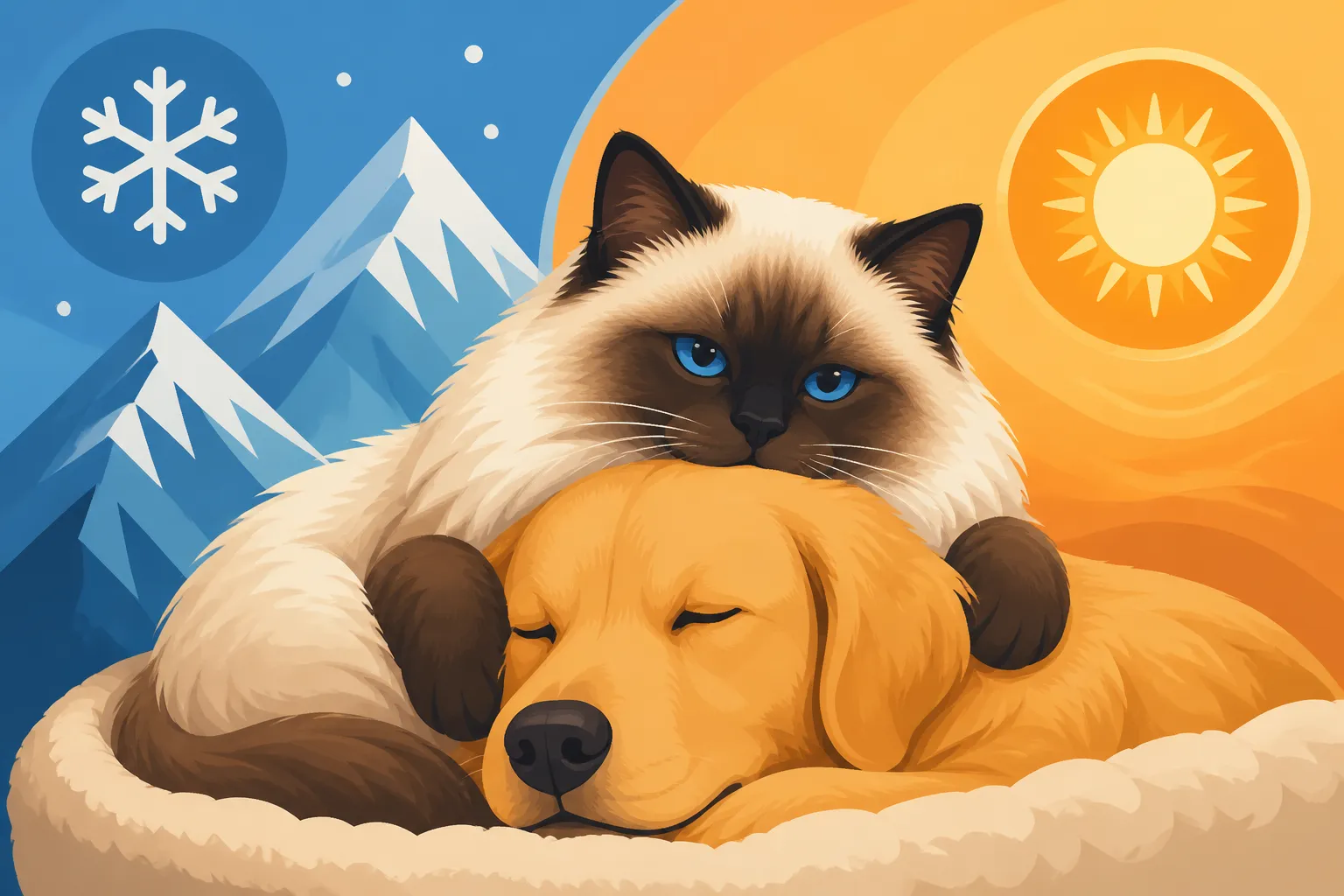
Consider a chilly evening when you're all gathered in the living room. Your Himalayan might scan the room, assess the available warmth sources, and decide that the golden retriever stretched out on the rug or the fluffy long-haired domestic cat on the armchair offers the most consistent, reliable heat source. It’s less about a pecking order and more about mutual benefit: the other animal provides heat, and the Himalayan offers a soft, purring presence. This shared warmth often deepens the bond between pets, creating a visible sign of their connection.
The "Warmest Animal" Isn't Always the Most Active
It's also worth noting that the "warmest animal" isn't necessarily the one that's constantly running around. Often, it's the more docile dog, the older, slower cat, or even the large, plush toy that retains body heat well. Himalayans, being generally calm and preferring not to expend too much energy, will seek out companions who are equally content to be still. They don't want a wrestling match; they want a cuddle. How Two Himalayans Divide the Warm Spots shows how even cats of the same breed might prioritize comfort over play in their interactions.
This means that if you have a high-energy dog, your Himalayan might prefer to snuggle when the dog is in its most relaxed state—deeply asleep, perhaps, or quietly chewing a bone. They're astute judges of character and energy levels when it comes to selecting their personal heater. They want stable, predictable warmth, and that often comes from a companion who is just as happy to be horizontal for an extended period.
Practical Considerations and Observing the Behavior
While this behavior is charming and perfectly normal for a Himalayan, understanding the nuances of how and when they seek warmth can offer deeper insights into their comfort levels and overall well-being.
The Selection Process: Who Gets to Be the Heater?
Your Himalayan isn't just randomly picking any warm body. There's a subtle, unspoken selection process at play. Factors like the other animal's temperament, its size, the consistency of its warmth, and even its coat texture can all influence the decision. A large, calm dog like a Golden Retriever or a gentle Bernese Mountain Dog might be preferred over a high-strung Jack Russell Terrier, not just for sheer body mass and heat output, but for its steady disposition. A dog that is prone to sudden movements or excessive licking might not make the cut, even if it's warm.
They often gravitate towards animals with dense coats themselves, as these animals tend to retain heat better and provide a softer, more inviting surface for snuggling. You might even notice that certain pets become the "designated" heater, always sought out by your Himalayan. It's a delightful, unspoken arrangement that makes multi-pet households so rich and interesting. Observing these choices can tell you a lot about the comfort and trust levels between your animals.
Providing Alternative Warmth Sources
Even though your Himalayan loves snuggling up to their furry friends, it's a good idea to ensure they have plenty of other comfortable, warm spots available. This not only gives them options but can also alleviate any potential burden on your other pets, especially if your Himalayan is a particularly persistent snuggler!
Consider investing in a self-warming bed or a cozy cat cave. Many excellent options are available on platforms like Amazon, offering different materials and designs to suit even the most discerning feline. A plush, cave-style bed can mimic the secure feeling of snuggling while providing insulated warmth. Heated beds, which usually have a low-wattage heating element, are another fantastic option for those chilly winter days or for older cats who might appreciate the therapeutic warmth. Placing these near sunny windows or in quiet corners of the house can make them irresistible. Just make sure any heated bedding is designed for pets and used according to the manufacturer's instructions for safety.
Another simple solution is to provide soft, fleece blankets in their favorite napping spots. Cats love to "burrow" and knead, and a soft blanket allows them to create their own warm, personalized nest. Even a simple, thick pet mat can provide a layer of insulation against a cold floor. By offering these alternatives, you ensure your Himalayan can always find the ideal temperature, even if their favorite dog or human isn't available for cuddle duty. This also ensures that if your Himalayan needs to cool down, they have choices available to them. How to Cool a Long Coated Himalayan in Summer offers more tips on managing their temperature.
| Warmth Source Category | Examples | Pros for Himalayan | Cons for Himalayan |
|---|---|---|---|
| Living Companions | Other pets (dogs, cats), Human laps | Consistent body heat, companionship, security | Not always available, might move, can be too active |
| Heated Beds/Mats | Electric heated beds, self-warming mats | Constant, reliable warmth, always available | Requires electricity, may be too warm for some, check safety |
| Sunbeams | Sunny window sills, patches of sunlight | Natural, free, provides UV exposure (in moderation) | Moves throughout the day, not available on cloudy days |
| Insulated Beds/Caves | Plush cat caves, deep beds with high sides | Traps body heat, offers security, cozy | Relies on cat's own body heat, may not be enough in cold rooms |
| Blankets/Soft Furnishings | Fleece throws, woolen blankets, soft pillows | Customizable nest, soft texture, good insulation | Relies on cat's own body heat, can be kicked off |
When to Watch for Changes in Warmth-Seeking Behavior
While a Himalayan seeking warmth from other animals is typically a normal and endearing behavior, any sudden change in this pattern can sometimes be a subtle indicator of an underlying issue. Your cat's routines and preferences are often the first clues to their health.
If your usually independent Himalayan suddenly becomes excessively clingy and seeks warmth more intensely than usual, or if a previously affectionate snuggler suddenly withdraws and avoids contact, it warrants attention. An increased need for warmth, especially if accompanied by other symptoms like lethargy, decreased appetite, or changes in litter box habits, could suggest they're not feeling well. They might be trying to compensate for a fever, feeling generally unwell, or experiencing discomfort. Similarly, if they're usually a cuddle bug but start aggressively avoiding their usual warm spots or companions, it could signal pain or discomfort when being touched.
It’s always wise to observe these changes closely. Make a note of when the behavior started, what other symptoms are present, and how consistent it is. A quick phone call to your vet can help determine if a check-up is needed. Sometimes, these small shifts in behavior are the only way our stoic feline friends tell us something is amiss, especially since Himalayans can be quite adept at hiding discomfort. Why a Himalayan Hides Illness Behind an Expressionless Face is a really important read on this topic. By being observant, you can ensure your furry companion stays as comfortable and healthy as possible throughout their long, happy life.
Disclaimer
This article is for general informational purposes only and does not constitute professional advice. Laws, prices and regulations vary by location and change over time. Consult a qualified professional for guidance on your specific situation.