When to End a Himalayan’s Play Session
It’s a common scenario for us Himalayan cat parents: you see your sweet, fluffy companion batting at a toy, looking utterly adorable, and you just want to keep the fun going. But sometimes, in our enthusiasm, we might push them a little too far without realizing it. Because of their unique physical characteristics, particularly their lovely but delicate flat faces and dense coats, Himalayans aren't always the best at self-regulating play and can quickly become uncomfortable or even overheated. This guide is here to help you become an expert in reading your Himalayan's subtle (and not-so-subtle) signals, ensuring every play session is a joyful experience that ends before they get stressed or tired.
Understanding Your Himalayan's Unique Play Style and Limits
Himalayans are truly wonderful companions, embodying a beautiful blend of the placid Persian and the more vocal, playful Siamese. However, this mix also means they have a unique approach to activity that owners need to understand. They aren't going to be scaling your bookshelves or doing parkour off your furniture like some other breeds. Their "cobby" body type, characterized by short, sturdy legs and a rounded, compact build, makes them less inclined towards high-flying acrobatics.
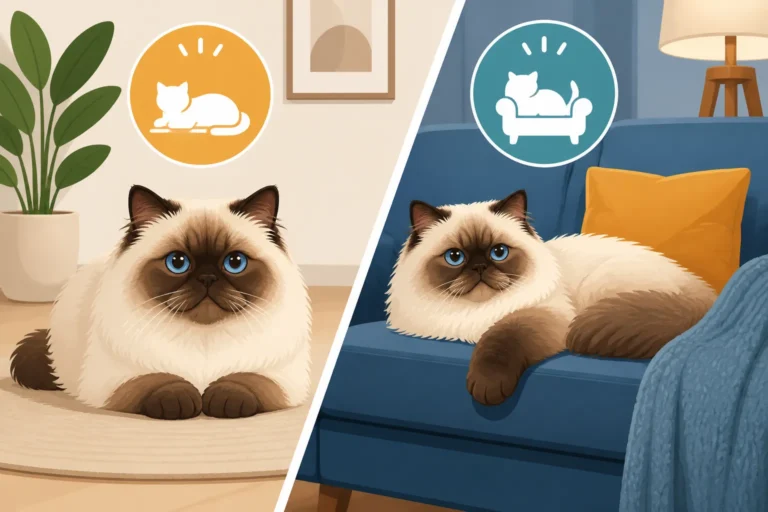
Think of your Himalayan as a gentle giant among cats. They appreciate play, certainly, but it's typically in shorter bursts and often involves less strenuous activity. The Persian side of their lineage brings a calm, dignified demeanor, encouraging long naps and serene observation. Meanwhile, the Siamese influence injects a spark of curiosity and a desire for interaction, often expressed through their charming vocalizations. This blend creates a cat that wants to play, but fundamentally isn't built for sustained, intense physical exertion. It’s crucial to remember that what might be a moderate play session for a lean, active Siamese could be an Olympic sprint for your Himalayan. You might notice your Himalayan will often engage with a toy while remaining firmly on the ground or a favored soft spot, preferring batting and pouncing over long chases. Understanding this inherent disposition is the first step in ensuring their play is always enriching and never overwhelming.
The Impact of Their Brachycephalic Face on Play
One of the most defining and beloved features of the Himalayan is their brachycephalic, or "flat," face. While it contributes to their irresistible doll-like or "peke-face" appearance, it also comes with significant implications for their respiratory system. Unlike cats with longer muzzles, Himalayans have shortened nasal passages and often a soft palate that is too long for their airway. This anatomy means they simply cannot take in and expel air as efficiently as other cats.
During play, when their heart rate increases and they need more oxygen, this anatomical constraint becomes very apparent. You'll find that Why a Himalayan Snores Louder Than Its Siamese Ancestors is a common observation, and it’s a direct consequence of this facial structure. What might be a slight huff for another cat can quickly escalate into noticeable laboured breathing for a Himalayan. This reduced respiratory efficiency means they tire much faster and are far more susceptible to overheating. For us as owners, this isn't a fault in the cat; it's a characteristic we need to respect and manage. It means being extra vigilant during playtime, especially as their activity levels increase. The goal is to provide mental and physical enrichment without ever compromising their ability to breathe comfortably or regulate their body temperature.
The Dense, Long Coat: A Hidden Challenge
Beyond their distinctive face, the Himalayan boasts a magnificent, dense, long coat – a glorious inheritance from their Persian ancestors. While this coat is undeniably beautiful and contributes to their regal appearance, it also acts as a very effective insulator. This is fantastic in colder climates or during chilly months, but it becomes a distinct disadvantage when they exert themselves, especially in warmer conditions.
Imagine wearing a thick winter coat while trying to run a sprint – that's a bit like what your Himalayan experiences when engaging in active play. Their body temperature rises quickly with physical activity, and their thick fur traps that heat, making it much harder for them to cool down. Unlike dogs, cats don't sweat much, relying primarily on panting and radiating heat from their paws and ears to cool themselves. As we've discussed, their brachycephalic face already makes panting less effective. Combine that with a thick insulating coat, and you have a recipe for rapid overheating. This is Why a Himalayan Overheats Twice as Fast as a Siamese and other shorter-haired breeds; their physiology and coat work against efficient cooling. This makes knowing when to end a play session not just about comfort, but about preventing a potentially dangerous situation. We’ll delve into specific cues to watch for in the next section, but always keep in mind that lush coat and its insulating properties.
Visible Cues Your Himalayan Needs a Play Break
Your Himalayan will tell you when they've had enough, but sometimes their signals are subtle, especially if you're used to more boisterous breeds. Learning to interpret these cues is vital for their health and happiness. Overlooking these signs can lead to stress, discomfort, and even health issues like overheating. It's a dance of observation and empathy, and once you get the hang of it, you'll find your bond with your cat deepens even further as you anticipate their needs.
Breathing Changes: The Most Critical Signal
This is arguably the most important indicator that your Himalayan is reaching their limit. Because of their flat faces, changes in breathing are a red flag that you should heed immediately.
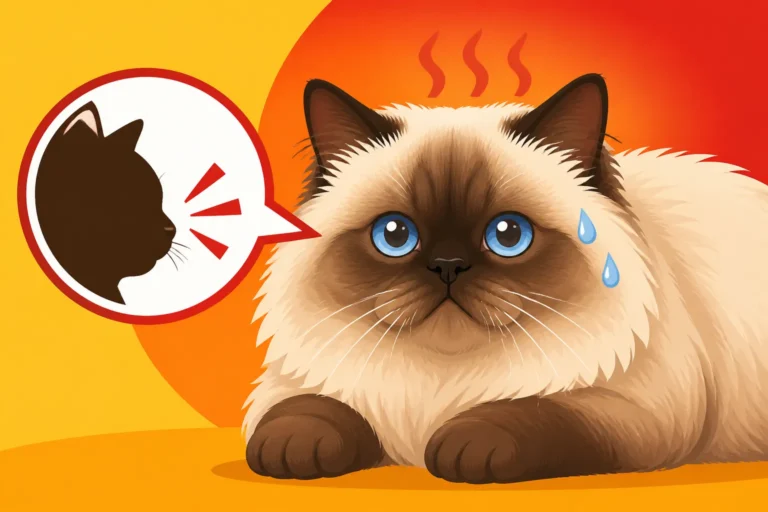
- Panting: While some cats might pant a tiny bit after intense activity, persistent or heavy panting in a Himalayan is a serious sign of overheating or respiratory distress. It's not normal for cats to pant like dogs do, so if you hear or see your Himalayan panting, it's time to stop play immediately. You might also notice Why a Himalayan Pants After Five Minutes of Play during even moderate play, which is a clear indicator to slow things down.
- Open-Mouth Breathing: If your Himalayan is sitting or lying with its mouth open, struggling to draw breath, this is an emergency. It indicates they are severely distressed and cannot get enough oxygen.
- Noisy Breathing: Listen for sounds like snorting, wheezing, or unusually loud breathing. While Himalayans can be naturally a bit snorty due to their facial structure, any increase in these noises during or after play should prompt you to end the session.
If you observe any of these signs, gently move your cat to a cool, quiet spot, offer fresh water, and monitor them closely. If they don't recover quickly, or if the breathing issues worsen, don't hesitate to contact your veterinarian.
Reduced Enthusiasm and Body Language
Beyond breathing, your Himalayan will offer a range of behavioral cues to signal they're ready for a break. These are often more subtle than outright panting but are equally important.
- Slowing Down: The most obvious sign is a decrease in their play intensity. They might chase the toy less vigorously, or stop jumping entirely, preferring to bat at it from a seated or lying position.
- Watching Rather Than Engaging: Instead of actively participating, they might just watch the toy with their eyes, perhaps giving a slow blink or looking away. This is a clear "I'm done" signal. You might even notice Why a Himalayan Watches a Toy Rather Than Chase It more often as they get older or tire out.
- Turning Away: If they physically turn their body away from the toy, even subtly, or simply walk off to another part of the room, they're communicating disinterest.
- Flattened Ears or Wide Eyes: Pay attention to their ears. If they flatten slightly against their head or swivel back, it can indicate irritation or discomfort. Their eyes might also appear wider than usual, not in a playful "hunting" way, but more in a stressed or overwhelmed manner.
- Excessive Grooming: Sometimes, when cats are stressed or overstimulated, they will engage in excessive grooming as a self-soothing behavior. If your Himalayan suddenly starts frantically licking its paw or flank during play, it might be an indication they need a break.
It's helpful to remember The Signal a Himalayan Gives Before It Overheats isn't always a dramatic collapse; it can be a series of small, ignored tells that escalate. Always err on the side of caution and end the session if you see a cluster of these behaviors.
Seeking Cool Spots or Withdrawal
Another clear sign that your Himalayan is done and needs to cool down or decompress is their active pursuit of a cooler or quieter environment.
- Moving to Hard Surfaces: If your cat moves from a carpeted area to tile, hardwood, or even a bathtub, they are actively seeking cooler surfaces to help regulate their body temperature. This is a very common behavior when they're feeling warm.
- Lying Down: While Himalayans love lounging, if they suddenly drop to the floor mid-play and show no interest in getting back up, it's a signal to end the game. They might stretch out, trying to maximize skin contact with a cool surface.
- Hiding or Retreating: In some cases, if a Himalayan becomes truly overwhelmed or stressed, they might retreat to a quiet, secluded spot. This isn't just about cooling down; it's about needing a break from stimulation. A gentle cat like a Himalayan often simply walks away rather than showing aggression or overt frustration, making these quiet retreats a critical sign to watch for.
By paying close attention to these signals, you'll be able to proactively end play sessions, keeping your Himalayan comfortable and ensuring that play remains a positive and enjoyable activity for them.
Environmental Factors and Play Duration
It’s easy to focus solely on your cat's immediate reactions, but the environment plays a huge role in how long and how comfortably your Himalayan can play. Ignoring ambient conditions can quickly turn a fun session into a distressing one. As their caretakers, it's our responsibility to create an optimal play environment for these sensitive felines.
The Critical Role of Temperature and Humidity
For a Himalayan, temperature isn't just a comfort factor; it's a health consideration. Their thick coat and brachycephalic physiology make them incredibly susceptible to heat.
- Ambient Temperature: As the mercury rises, your Himalayan's ability to cope with exertion plummets. A warm room that feels perfectly fine to you might be pushing your cat towards overheating. Above a certain threshold, which can be surprisingly low for Himalayans, even minimal activity can be too much. You should be acutely aware of The Temperature a Himalayan Starts to Struggle At, and adjust play accordingly. In fact, many Himalayans will naturally choose to Why a Himalayan Sits Where the Floor Is Coldest as soon as the weather warms up, indicating their discomfort.
- Humidity: High humidity makes it even harder for cats to cool down because it reduces the effectiveness of evaporative cooling (their version of sweating). If the air is thick and muggy, your Himalayan will struggle even more to dissipate heat from their body, making play sessions riskier and shorter.
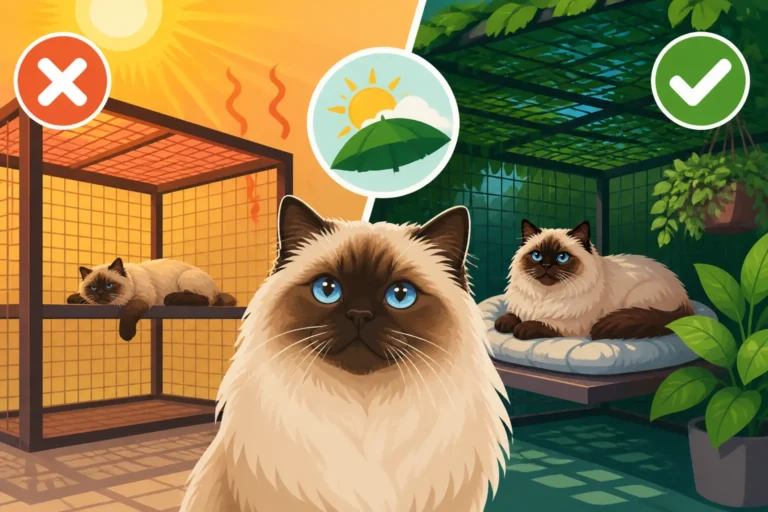
On hot or humid days, it's best to limit play to very short, gentle sessions, or even skip them entirely in favor of quiet cuddles and mental enrichment that doesn't involve physical exertion. Keep water bowls easily accessible and consider providing cooling mats (you can find various options on Amazon) or a fan directed away from them, creating gentle air movement in their favorite lounging spots.
Toy Type and Play Intensity
Not all toys are created equal when it comes to Himalayan play. The type of toy you use can significantly influence the intensity and duration of a session, and thus your cat's comfort level.
- High-Energy Chasing Toys: Laser pointers or fast-moving wand toys can quickly get a Himalayan panting. While they might initially show interest, sustained chasing or jumping is usually too much. A laser pointer, for instance, offers the thrill of the chase without the physical reward, which can also lead to frustration if not managed properly. If you do use these, keep the sessions extremely short – literally a minute or two – and always end with a tangible toy they can "catch" and feel victorious about.
- Gentle Batting Toys: Toys they can bat at from a seated position, like crinkle balls, soft mice, or small puzzle feeders, are often ideal. These allow for mental engagement and some physical activity without strenuous cardio. Which Wand Toys a Himalayan Can Actually Follow with minimal effort are a much better choice, allowing them to engage without overdoing it.
- Interactive but Stationary Toys: Some Himalayans love toys that they can manipulate with their paws while lying down, like activity centers or treat dispensing balls that don't require much movement. These offer mental stimulation and satisfy their hunting instincts without taxing their respiratory system or causing overheating.
Observe how your cat interacts with different toys. If a particular toy consistently leads to heavy breathing after only a minute or two, it’s probably too intense for your Himalayan.
Time of Day and Play Timing
Just like humans, cats have optimal times for activity. For Himalayans, this is often influenced by the ambient temperature throughout the day.
- Cooler Parts of the Day: The early morning and late evening hours are typically the coolest times of the day, making them the best windows for more active play sessions. This is especially true during warmer seasons. You'll notice Why a Himalayan Moves Rooms as the Sun Does, seeking out shade or cooler spots, and this preference should guide your play scheduling.
- Avoiding Midday Heat: Steer clear of play during the hottest parts of the day, even indoors. Air conditioning helps, but the general principle still applies: if you feel the heat, your Himalayan feels it more intensely.
- Respecting Their Natural Rhythms: While Himalayans are less frenetic than their Siamese cousins, they do have natural periods of wakefulness and mild activity. Learning How Many Hours a Day a Himalayan Is Actually Awake can help you schedule play when they're naturally more receptive, ensuring you’re working with their rhythms, not against them.
By strategically planning play sessions around these environmental and temporal factors, you'll maximize your Himalayan's enjoyment and minimize any potential risks.
Proactive Strategies for Optimal Play Sessions
Understanding your Himalayan's limits and the environmental factors that influence them is a fantastic start. But it's equally important to implement proactive strategies to ensure every play session is safe, enriching, and enjoyable for your fluffy friend. Our goal isn't to prevent play, but to make it sustainable and healthy.
Short, Frequent Sessions: The Himalayan Play Mantra
Forget marathon play sessions with a Himalayan; that's just not how they're built. The most effective approach is to embrace the concept of short, frequent bursts of activity.
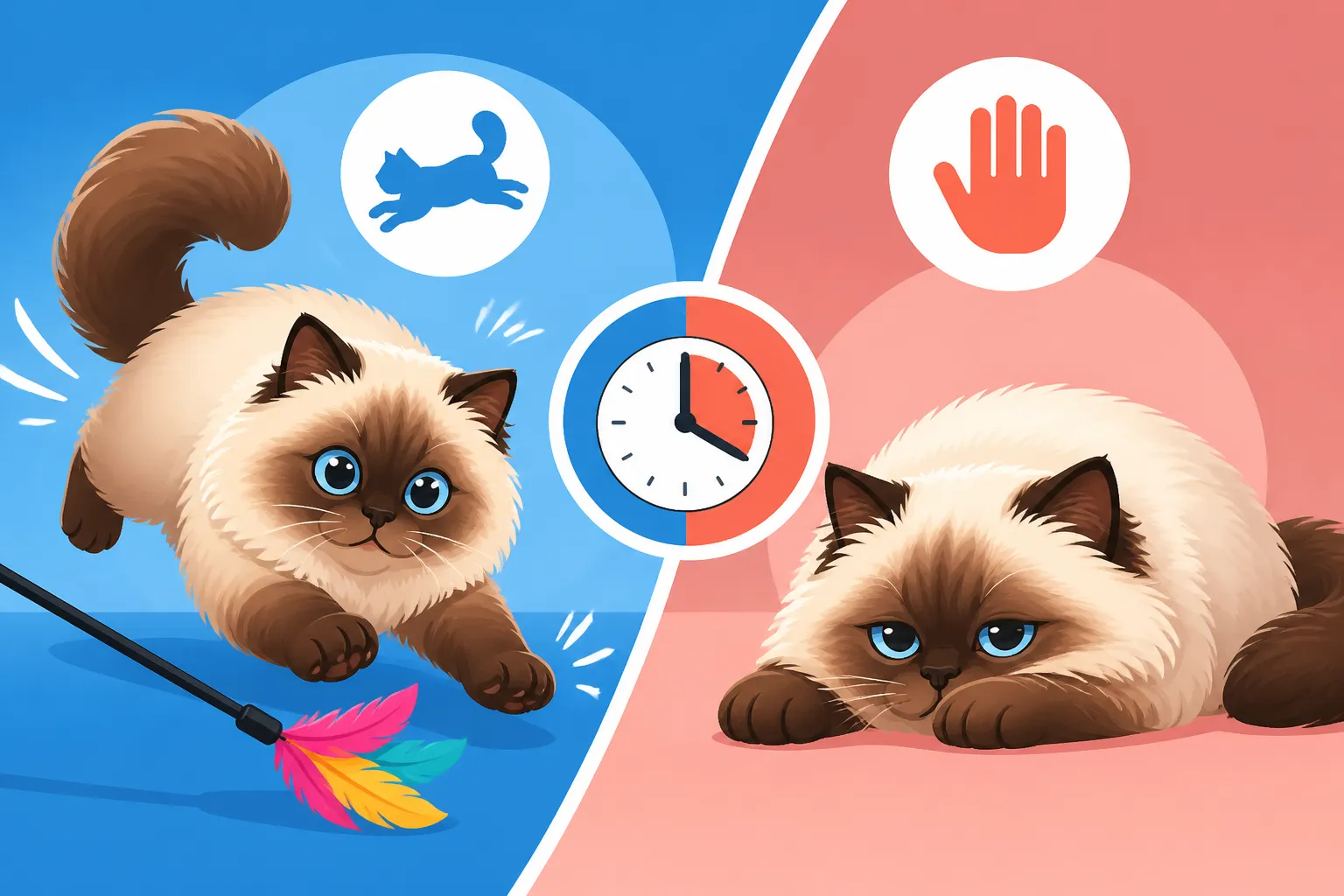
- Quality Over Quantity: Instead of one long, exhausting session, aim for several mini-sessions throughout the day, each lasting just a few minutes. Two to five minutes of focused play, followed by a break, is often ideal. This allows them to engage their hunting instincts and get a little exercise without becoming overtired or overheated.
- Reading the Room (and the Cat): Even within these short windows, be hyper-vigilant to their cues. If they show signs of tiring after just one minute, that's your signal to stop. As they age, or if they have underlying health issues, these sessions might become even shorter. This approach also helps manage Why a Himalayan Stops Playing When It Gets Warm by ensuring they don't even reach that point of discomfort.
- Anticipation is Key: Don't wait for your Himalayan to pant or actively retreat. End the session before they show these signs of distress. It's much better to leave them wanting a little more than to push them past their comfortable limits.
This method not only protects their physical health but also keeps them more engaged and interested in play because they associate it with positive, comfortable experiences, rather than feeling pushed or stressed.
Creating Cool-Down Areas and Hydration Access
Since overheating is a primary concern for Himalayans during play, having dedicated cool-down areas and ensuring constant access to water is non-negotiable.
- Designated Cool Zones: Identify spots in your home that stay naturally cooler, such as tiled floors in a bathroom or kitchen, or areas away from direct sunlight. Encourage your Himalayan to use these areas, especially after play. You can even place a flat, cool mat (there are many pet-specific cooling mats available on Amazon) in their favorite lounging spot.
- Fresh Water, Always: Ensure your Himalayan has multiple sources of fresh, clean water readily available in various locations around the house. Consider a wide, shallow bowl that won't irritate their sensitive whiskers or flat face, or even a pet fountain (many Himalayans enjoy drinking from running water, and some flat-faced friendly fountains exist on Amazon). Hydration is crucial for regulating body temperature and overall health, especially for cats, who are not naturally big drinkers. Why Extra Thirst in a Himalayan Points at Its Persian Half highlights the importance of keeping an eye on their water intake, particularly as they age or if they have kidney concerns.
Choosing the Right Toys for Sustainable Play
As discussed, the type of toy directly impacts the intensity of play. Focusing on toys that encourage gentler, more strategic engagement is crucial for a Himalayan.
- Interactive Wand Toys (Used Gently): A feather wand or a toy on a string can be great for stimulating their hunting instincts. However, keep the movement slow and deliberate, allowing them to stalk and pounce rather than forcing them to run or jump extensively. Let them "catch" the toy frequently to build confidence and satisfaction.
- Batting and Puzzle Toys: Small, lightweight balls, crinkle toys, or soft plush mice that they can bat around while lying down or sitting are perfect. Puzzle feeders are also excellent for mental stimulation, requiring them to use their paws or nose to extract treats without significant physical exertion. Look for puzzle feeders with wide, shallow openings suitable for a flat face (search Amazon for "flat faced cat puzzle feeder").
- Avoid Over-Stimulation: Be mindful of toys that are too noisy, too fast, or too unpredictable. While some cats thrive on high-intensity stimuli, a Himalayan might quickly become overwhelmed and retreat, demonstrating Why a Himalayan Watches a Toy Rather Than Chase It from a distance.
Here's a quick guide to help you gauge your Himalayan's play readiness and response:
| Play Intensity Level | Himalayan Cues to Watch For | Owner Response |
|---|---|---|
| Low-Moderate | Gentle batting, slow pounces, focused gaze, quiet purrs, tail swishing slowly. | Continue play, monitor closely. Sessions up to 5-7 minutes. |
| Moderate-High | More vigorous chasing (short bursts), quick pounces, increased breathing (but not panting). | Begin winding down. Prepare to end session within 1-2 minutes. Ensure access to water. |
| High / Overwhelmed | Faster breathing, audible snorting/wheezing, subtle panting, turning away from toy, lying down, moving to cool spot, flattened ears. | Stop play immediately. Move to cool area, offer water, allow for quiet rest. Monitor breathing closely. |
| Distressed / Overheated | Heavy, persistent panting, open-mouth breathing, drooling, lethargy, bright red gums (late stage). | Emergency! Immediately cool cat (damp cloth, fan), contact vet. |
By combining careful observation, understanding their unique physiology, and implementing these proactive strategies, you can ensure your beautiful Himalayan enjoys a long, healthy life filled with comfortable and stimulating play.
Disclaimer
This article is for general informational purposes only and does not constitute professional advice. Laws, prices and regulations vary by location and change over time. Consult a qualified professional for guidance on your specific situation.