How Often a Himalayan Uses the Voice It Inherited
Many prospective Himalayan owners, and even some who already share their homes with these fluffy beauties, often find themselves wondering about their vocal tendencies. Do these stunning cats lean towards the famously chatty nature of their Siamese ancestors, or do they inherit the dignified quietude of their Persian lineage? It's a common question that touches upon the very heart of their unique personality, and understanding their communication style can greatly enhance the bond you share with your Himmie.
The Ancestral Chorus: Siamese Loudness Meets Persian Silence
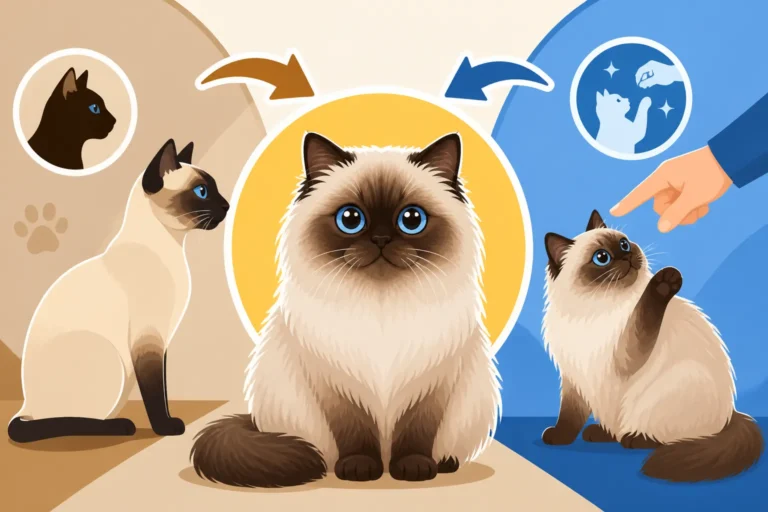
The Himalayan cat, affectionately known as a "Himmie," is a truly magnificent blend, a deliberate cross between the elegant Persian and the striking Siamese. This unique heritage means that when it comes to vocalization, Himalayans inherit a fascinating mix of traits. It’s not a simple 50/50 split; rather, it’s a nuanced spectrum where individual personalities truly shine.
The Siamese Legacy of Song
Ah, the Siamese! Known for their distinctive "meezer" voice, these cats are legendary for their vocal prowess. They don't just meow; they converse. They will tell you about their day, demand attention, complain about an empty food bowl, or even sing you the song of their people at three in the morning. This isn't just a quiet little sound; it's often a loud, insistent, almost operatic yowl that truly commands attention. They are extroverted communicators, using a wide range of tones and volumes to express themselves, and it’s a trait that has captivated and sometimes overwhelmed their owners for centuries.
When the Siamese was introduced into the breeding program to create the Himalayan, the goal was to infuse that striking point coloration and blue eyes into the Persian's luxurious coat and docile temperament. What also came along for the ride, though often in a muted form, was that vocal tendency. So, while your Himalayan might not hold a full-blown opera like a purebred Siamese, that underlying inclination to use their voice is definitely there. You might find your Himmie making a wide array of sounds, from little chirps to more insistent meows, especially when they really want something. It's a charming quirk that reminds you of their spirited ancestry. Many Himmie owners find that their cats do indeed have a unique, albeit often softer, way of "talking back" to them. How Much More a Himalayan Talks Than a Persian is something you'll notice pretty quickly if you've ever spent time with both breeds.
The Persian Preference for Quietude
On the other side of the genetic coin, we have the Persian. These cats are the epitome of serene elegance. They are generally known for being quite reserved, often communicating through gentle eye contact, a soft blink, or a subtle rub against your leg. Their meows, when they happen, are typically soft, delicate, and infrequent. They prefer a peaceful environment and are not prone to loud, demanding vocalizations. They are the quiet observers, content to survey their domain from a comfortable perch, rarely feeling the need to make a fuss. This gentle nature is part of what makes them such beloved lap cats and companions.
The Persian's influence on the Himalayan's vocal behavior is significant. It acts as a dampener on the more boisterous Siamese traits. The sheer fluffiness and often calmer demeanor of the Persian, combined with breeding choices over generations, have resulted in a cat that is less likely to constantly vocalize than a Siamese. Breeders often aimed for a cat with the stunning looks of a Persian and the striking points of a Siamese, but without the full-throttle volume. So, if you're worried about an incessantly noisy household, rest assured that the Persian side of your Himmie's family tree usually ensures a more moderate approach to conversation. This means that while they have the capacity for voice, they often choose to use it sparingly, making those moments they do speak up all the more meaningful.
The Himalayan Balance: A Muted Melody
So, where does the Himalayan actually land on this spectrum? Generally speaking, Himalayans are not known for being overly vocal, especially when compared to their Siamese cousins. They typically possess a softer, more melodious voice, often described as a "chirp" or a gentle "trill" rather than a piercing yowl. They tend to save their voices for when they truly have something to say, or more often, when they want your attention for something specific. It's not a constant stream of chatter, but rather a selective and intentional form of communication. Why a Himalayan Is Quieter Than Its Siamese Ancestors is a testament to the careful breeding that sought to bring together the best of both worlds.
Their vocalizations often lean towards asking rather than demanding. A soft "mrrrow" might accompany them winding around your legs at mealtime, or a gentle chirp might signal their desire for a cuddle. They are known for their sweet, expressive faces and eyes, which often convey more than words ever could. It’s a wonderful balance – enough vocal presence to feel like they’re truly interacting with you, but not so much that it becomes overwhelming. You'll likely find that their individual personality plays a huge role here; some Himalayans are naturally more talkative than others, even within the same litter. It's truly a delightful discovery to learn your own Himmie's unique vocal vocabulary.
Decoding the Himalayan's Meow: What Their Sounds Mean
While Himalayans aren't typically known for being exceptionally loud, they certainly do have a range of vocalizations. Understanding these subtle cues can deepen your bond and help you respond appropriately to your furry friend. They are experts at non-verbal communication, but when they do choose to speak, it's worth listening.
Chirps and Trills: The Friendly Greetings
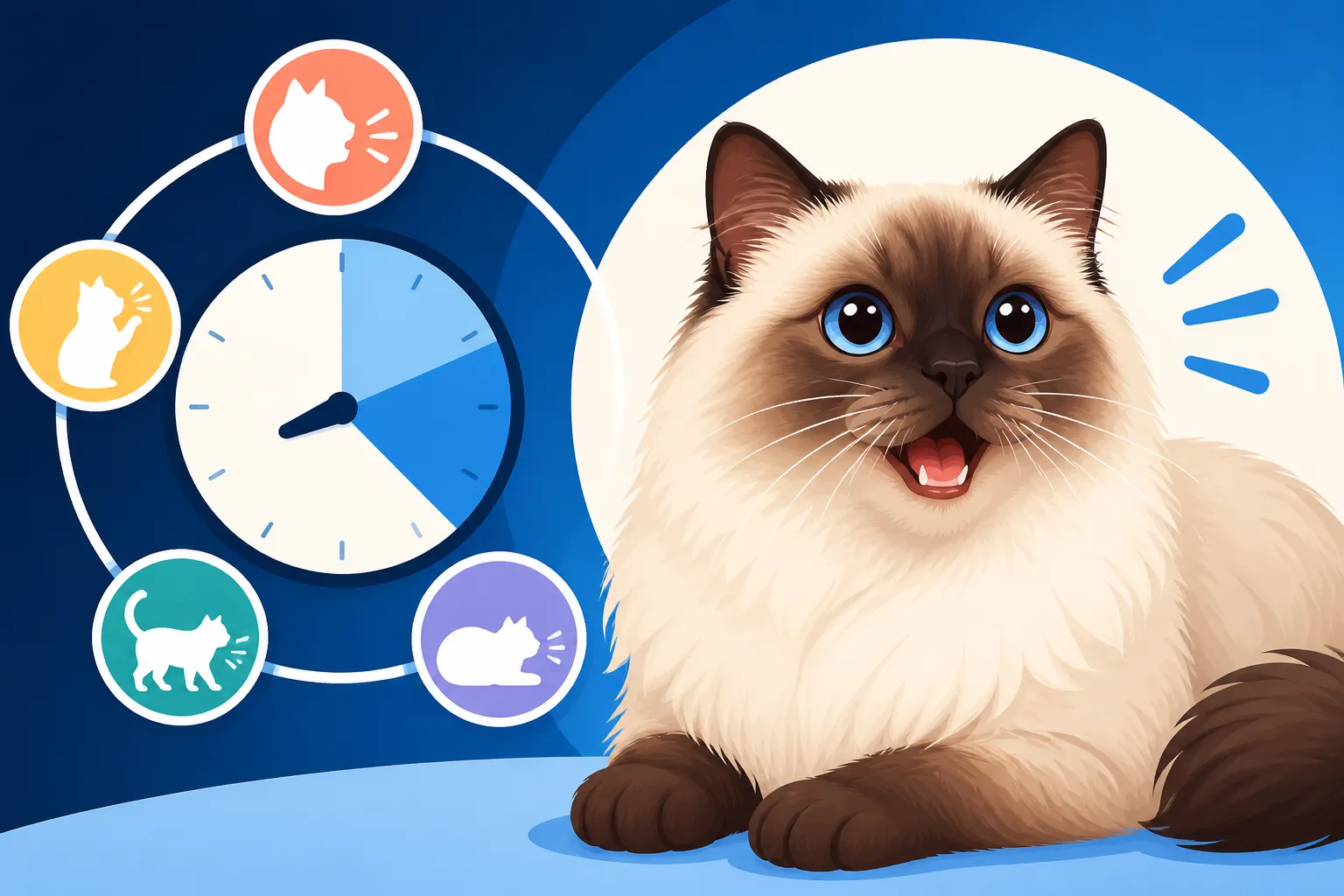
Perhaps the most common and endearing sounds you'll hear from a Himalayan are their chirps and trills. These are soft, almost bird-like sounds, often accompanied by a happy tail flick or a gentle head butt. They're typically used as greetings – when you walk into a room, when they see you after a nap, or when you simply acknowledge their presence. It's their way of saying, "Hello, human! I see you, and I'm happy about it." These sounds are often a sign of contentment and a desire for interaction without being overly demanding. Think of it as a friendly whisper rather than a shout. What a Himalayan Is Saying When It Chirps is almost always an invitation to engage.
You'll often hear these happy chirps when they're following you from room to room, just keeping tabs on your activities. It's not necessarily a demand for food or play, but more of an acknowledgment, a gentle confirmation of your presence in their world. It’s a sweet sound that reassures you of their affection and comfort in your home. Some Himalayans will even chirp at toys, or when they're watching birds out the window, a tiny expression of excitement that barely breaks the quiet of the room. It’s a testament to their gentle nature that even their expressions of excitement are soft and melodious.
Conversational Meows: Making Their Wishes Known
While not as insistent as a Siamese, Himalayans definitely use meows to communicate specific needs or desires. These meows are usually softer, lower in volume, and often delivered with an expectant gaze. They might be asking for food, for you to open a door, for an extra treat, or simply for some focused attention and lap time. The key is often in the context and their body language. A cat meowing near their food bowl is probably hungry. One meowing at the closed bedroom door likely wants to be let in.
It's important to differentiate between a cat asking politely and one demanding incessantly. A Himalayan's "asking" meow is usually short, soft, and might be repeated a few times, perhaps escalating slightly in volume if ignored. They are persistent but rarely pushy in the way some other breeds can be. Learning to interpret these specific meows comes with time and observation. You'll soon realize that "mrrr-owww" at 5 PM means "dinner, please," while a different "mrrp?" when you're reading might mean "a head scratch would be lovely." This is where How a Himalayan Asks Without Raising Its Voice truly comes into play. You become attuned to their subtle vocal nuances, developing a personal language with your furry companion.
Warning or Complaint Meows: Rare but Present
While rare, Himalayans can and will vocalize if they are unhappy, in pain, or feel threatened. These meows will usually be distinct from their everyday conversational sounds. They might be deeper, more guttural, or have a sharper edge to them. A sudden, sharp yowl could indicate they've been stepped on, are in pain, or are extremely startled. A lower, rumbling meow or growl might signal displeasure if another pet is invading their space, or if they're particularly annoyed by something.
It's crucial to pay immediate attention to any sudden, out-of-character vocalizations, especially if they sound distressed. This could be a sign of a medical issue, an injury, or significant stress. If your normally quiet Himmie suddenly starts crying out or meowing incessantly, a vet visit is absolutely warranted. They are generally adept at hiding illness, so a vocal complaint is a serious signal. These aren't typically the everyday sounds you'll hear; they are reserved for moments of genuine discomfort or strong negative emotion, underscoring the fact that even a generally quiet cat will use its voice when it truly needs to.
Factors Influencing a Himalayan's Vocal Habits
Just like people, every Himalayan has its own unique personality, and this extends to how vocal they are. While the breed generally tends towards the quieter side, several factors can influence just how often your particular Himmie uses their voice. It's never a one-size-fits-all situation.
Individual Personality and Breeding Lines
Even within a single litter, you'll find a range of personalities. Some Himalayans are naturally more outgoing and chatty, inheriting a stronger leaning towards their Siamese ancestry, while others are more reserved and quiet, closer to their Persian roots. This individual variation is perhaps the biggest factor in determining how vocal your cat will be. A good breeder will often be able to tell you a bit about a kitten's personality and their parents' vocal habits, which can offer a clue.
Beyond just individual personality, the specific breeding lines can also play a role. Some breeders might unintentionally, or even intentionally, select for slightly more vocal cats, while others aim for extreme quietude. The goal of early Himalayan breeders was to create a Persian-type cat with Siamese points, often downplaying the Siamese voice. However, the gene for vocalization isn't easily switched off entirely, so it can manifest in varying degrees. It's part of the fun of getting to know your unique cat – discovering their particular quirks and communication style.
Environment and Attention-Seeking Behavior
A Himalayan's environment can certainly influence their vocal habits. In a quiet, calm home, a Himmie might feel less need to vocalize loudly to be heard. Conversely, in a bustling household with lots of noise and activity, some Himalayans might learn to raise their voice to get attention. They are intelligent creatures and quickly learn what works to get a response from their humans.
If a cat learns that a loud meow consistently results in immediate attention – whether that's food, petting, or playtime – they will repeat that behavior. This isn't necessarily a bad thing, but it's something to be aware of. If you find your Himalayan becoming overly demanding with their voice, it might be a learned behavior. Ignoring excessive meowing (when you know all their needs are met) and rewarding quiet requests can help manage this. For instance, waiting for a pause in meowing before you get the food bowl can teach them that patience, not volume, gets results. Sometimes, a cat feeling bored might also become more vocal. What a Bored Himalayan Gets Into might include excessive meowing as a cry for engagement. Providing plenty of enrichment, like interactive toys available on platforms like Amazon, can help redirect that energy.
Age and Health Considerations
A cat's vocal habits can also change with age and health. Older Himalayans, particularly those experiencing hearing loss or cognitive decline, might become more vocal. They may meow louder or more frequently as a way to orient themselves or express confusion. It's heartbreaking to hear, but it's a common part of aging for some cats. Similarly, a cat in pain or discomfort will often vocalize more than usual. This is a critical signal that something is wrong and warrants immediate veterinary attention.
Any sudden, drastic change in your Himalayan's vocal behavior – becoming much louder, much quieter, or making unusual sounds – should always prompt a visit to the vet. This is especially true given their predisposition to certain health issues like Polycystic Kidney Disease (PKD) or respiratory problems due to their brachycephalic (flat) faces. A cat in respiratory distress, for example, might make wheezing or gasping sounds in addition to atypical meows. So, keeping an ear out for changes in their normal "language" is a vital part of being a responsible Himmie parent. What Goes First in a Himalayan Past Twelve often includes changes in routine and behavior, so being vigilant is key.
Encouraging Healthy Communication and Responding Effectively
Living with a Himalayan means embracing their unique blend of quiet grace and gentle vocalization. The goal isn't to silence them entirely, but to foster healthy communication patterns that enrich your relationship. Responding effectively to their vocal cues is a huge part of building trust and understanding.
Cultivating a Calm and Engaging Environment
Himalayans thrive in calm, predictable environments. A stable routine for feeding, playtime, and attention can reduce anxiety, which can sometimes manifest as excessive vocalization. Ensure they have comfortable, quiet spaces to retreat to, such as a cozy cat bed or a designated "Himalayan chair." While they are generally not climbers, providing safe, low perches can give them a sense of security and observation. You can find many suitable, sturdy cat beds and low cat trees on Amazon that are perfect for their cobby build.
Engaging with your Himalayan through play is also crucial, as a bored cat is more likely to seek attention, sometimes through loud meows. Short, regular play sessions with wand toys or laser pointers can fulfill their predatory instincts and provide mental stimulation. Remember, How Much More Play a Himalayan Wants Than a Persian is a good indicator that they do need some interaction, even if they aren't as rambunctious as a Siamese. Consistent positive interaction and a predictable routine will often lead to a more content, and thus, more moderately vocal cat.
Responding Thoughtfully to Their Voice
The way you respond to your Himalayan's vocalizations significantly shapes their communication habits. If they learn that a soft chirrup or a gentle meow gets them the attention they crave, they are more likely to use those polite forms of communication. Conversely, if you only respond when they've escalated to a loud, demanding meow, you inadvertently teach them that being noisy is the only way to get your attention.
It's all about consistency. When they offer a soft "hello" chirp, acknowledge it with a gentle stroke or a quiet word. When they meow politely for food, fulfill their request promptly (assuming it's mealtime). If they are meowing incessantly, check if their basic needs are met (food, water, litter box). If everything is in order, try to wait for a moment of quiet before engaging. This teaches them that calm communication is more effective. You'll find that your Himalayan is quite intelligent and will pick up on these cues quickly, leading to a much more harmonious household where their voice is used meaningfully, not just as background noise.
When to Consult a Professional
While changes in vocalization can be a normal part of aging or personality, always remember that a sudden or dramatic shift in your Himalayan's vocal habits warrants professional attention. If your normally quiet cat suddenly becomes very loud, or a usually chatty Himmie suddenly goes silent, it could be a sign of an underlying health issue. Pain, discomfort, respiratory problems, hyperthyroidism (especially in older cats), or even anxiety can all manifest as changes in vocalization.
Your veterinarian can conduct a thorough examination to rule out any medical causes. Describe exactly when the changes started, what the new vocalizations sound like, and any other symptoms you've noticed. They might recommend blood tests, imaging, or other diagnostics to pinpoint the problem. Early detection and intervention are always best for your beloved Himmie's well-being. Never hesitate to seek expert advice if you're concerned about your cat's health – they rely on you to be their advocate.
| Vocalization Type | Typical Meaning | Volume & Frequency | Response Strategy |
|---|---|---|---|
| Chirp/Trill | Greeting, contentment, gentle attention-seeking | Soft, occasional | Acknowledge with petting, gentle words, or a smile. |
| Soft Meow | Specific request (food, door, attention) | Moderate, periodic | Check needs, respond calmly if appropriate. Avoid rewarding incessant meowing. |
| Insistent Meow/Yowl | Strong demand, discomfort, frustration | Louder, persistent | Assess needs immediately. If all needs met, wait for quiet moment before responding. |
| Growl/Hiss | Fear, anger, pain, territorial warning | Variable, rare | Give space, identify stressor, avoid confrontation. Seek vet if pain suspected. |
| Sudden Cry/Yelp | Acute pain, surprise, distress | Loud, abrupt, rare | Immediately check for injury or distress. Contact vet urgently if sustained. |
Disclaimer
This article is for general informational purposes only and does not constitute professional advice. Laws, prices and regulations vary by location and change over time. Consult a qualified professional for guidance on your specific situation.