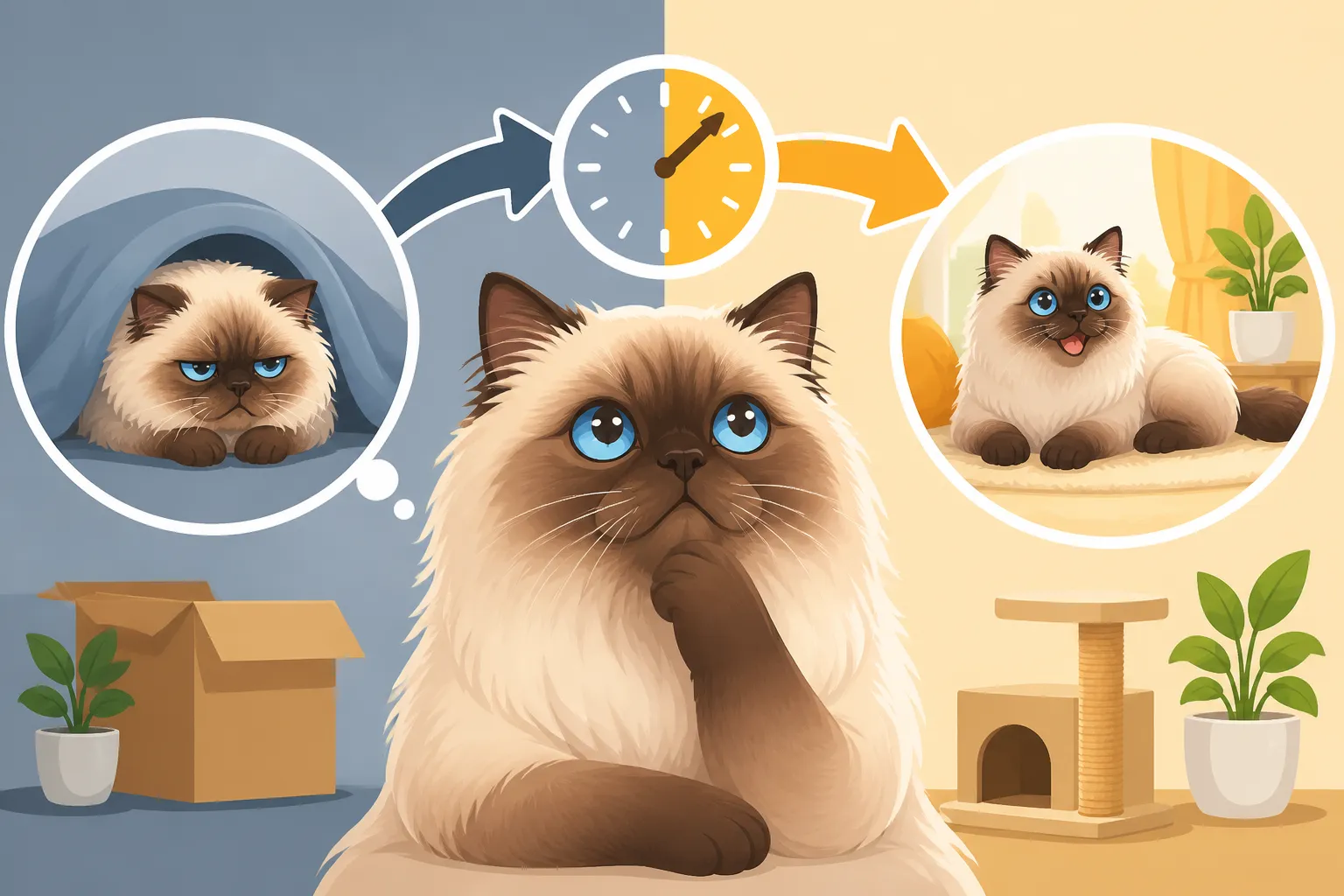
How Long a Himalayan Takes to Accept a Change
It’s a common heartache for Himalayan cat parents: you’ve made a change, big or small, in your home, and your usually placid, affectionate cat suddenly acts like a stranger. The truth is, Himalayans are creatures of deep habit, and any disruption to their carefully curated world can feel monumental to them. This guide is here to walk you through understanding why your Himalayan struggles with change and, more importantly, how you can gently guide them through transitions, minimizing stress for both of you.
Understanding the Himalayan's Innate Preference for Routine
Anyone who lives with a Himalayan knows they thrive on a predictable world. Unlike some more boisterous breeds, Himalayans are often described as serene, calm, and deeply attached to their daily rhythm. This isn't just a quirk; it's a fundamental aspect of their personality, inherited in part from their Persian lineage. When that rhythm is disrupted, it can throw their entire sense of security off kilter.
The Comfort of Predictability
For a Himalayan, routine isn't just about knowing when dinner is served; it's about feeling safe and in control of their environment. They have a deep, almost ritualistic appreciation for things being "just so." Their favorite napping spot, the precise time you get up in the morning, the sequence of your evening routine – these are the anchors that hold their world steady. Think about it from their perspective: if your favorite chair suddenly vanishes, or your mealtime shifts by an hour, it can feel like a fundamental aspect of your security has been yanked away. This deep need for predictability is why even a seemingly minor alteration, like moving a piece of furniture, can be a big deal. You might wonder, Why a Himalayan Notices When One Chair Moves. It's because every detail contributes to their mental map of safety.
This love for routine also contributes to their low-key nature. A predictable environment means less need for vigilance, allowing them to truly relax and embrace their role as a pampered lap cat. When that predictability crumbles, even slightly, their stress levels can rise, and they might spend more time observing, trying to re-establish their internal map, rather than lounging contentedly.
Subtle Signs of Stress from Change
Himalayans aren't always dramatic about their displeasure, but they do communicate it. Their stress signals are often subtle, and as a devoted owner, learning to read these cues is absolutely vital. You might not hear loud yowls like you would from their Siamese ancestors, but you might notice a shift in their typical quiet demeanor.
One of the most common signs is withdrawal. Your usually social cat might start hiding under beds, retreating to a quiet room, or simply refusing to come out for cuddles. They might also show changes in appetite – either eating less, or sometimes, in rare cases, more as a comfort mechanism. Grooming habits can also be an indicator; some Himalayans might over-groom a particular spot, leading to bald patches, while others might stop grooming altogether, resulting in a duller coat or even mats. It’s important to watch for these subtle shifts, as a change in grooming habits can quickly escalate into a larger problem. Why a Himalayan Stops Grooming When It Is Unhappy is a clear signal that something in their world isn't quite right. Keep an eye on their litter box habits too; sometimes stress manifests as accidents outside the box. These aren't acts of defiance, but rather cries for help from a cat struggling to cope.
Common Changes That Upset a Himalayan's World
It's easy for us, with our busy human lives, to underestimate the profound impact even small changes can have on a cat who thrives on stillness and sameness. For a Himalayan, their world is their castle, and any tremor can feel like an earthquake. Understanding the types of changes that most commonly disrupt them can help you prepare and mitigate their stress.
Environmental Shifts: New Homes and Rearrangements
Moving house is, without a doubt, one of the most significant stressors for any cat, and especially for a Himalayan. Suddenly, their entire familiar landscape of scents, sights, and sounds is gone, replaced by an unknown territory. The process itself – the packing, the strange boxes, the disruption of familiar objects – begins long before the actual move. When you finally arrive at the new place, it’s a complete sensory overload. They don’t just need to adjust to a new layout; they need to re-establish every territorial marker, every safe haven, and every routine. This is why it takes time for them to truly settle in. If you've just moved, you'll be asking yourself, How Long a Himalayan Takes to Accept a New House. The answer is, it's rarely overnight, and often involves several weeks of careful acclimatization.
But it’s not just big moves. Even redecorating a room, moving furniture around, or bringing in new, unfamiliar objects can be surprisingly unsettling. That new rug might smell strange, the relocated cat tree might no longer feel secure, or the new sofa might block a favorite vantage point. Imagine if your entire home suddenly shifted around; it’s a similar feeling for them, breaking their carefully memorized mental map of safety and comfort.
Social Dynamics: New Pets, People, or Departures
Introducing a new family member, whether it’s a human baby, a new partner, or another pet, profoundly alters the social dynamic a Himalayan is used to. Their territory suddenly has to be shared, their human’s attention is divided, and new smells and sounds become part of their world. A new baby, for instance, brings a host of unfamiliar noises, smells, and disruptions to the household schedule. Why a New Baby Unsettles a Himalayan's Routine isn't about jealousy; it's about the complete upheaval of their predictable life and the sudden reduction in the one-on-one attention they've grown accustomed to.
Bringing another cat into the home, especially a more boisterous or active breed, can be particularly challenging. Himalayans prefer calm companions, and a new, energetic feline can feel like a constant threat to their peace. This is why careful, slow introductions are paramount when Bringing a Second Cat Home to a Himalayan. It's not just about them getting along; it's about preserving the Himalayan's sense of security and dominion over their space.
Conversely, the departure of a beloved family member can be just as, if not more, distressing. The loss of a human companion, or even another pet they shared their quiet routines with, can lead to profound grief and confusion. They don't understand where their companion has gone, and the sudden void in their daily life can leave them feeling anxious and lost. Even a child going off to college or a roommate moving out can create a palpable shift that a sensitive Himalayan will keenly feel.
Routine Interruptions: Schedule Changes and Travel
Himalayans thrive on a strict schedule. They are masters of the internal clock, and they know when it’s time for breakfast, playtime, or that evening grooming session. Deviating from this can cause genuine distress. If you’ve ever been late feeding your Himalayan, you know the quiet, insistent stare they give you. This inherent expectation is Why a Himalayan Expects to Be Fed at the Same Hour. Their whole day revolves around these predictable anchors.
Even a simple shift in your work schedule, meaning you’re home at different times, can be unsettling. They may feel abandoned or confused by the change in your presence. Travel, whether it's you leaving them with a sitter or boarding them, or even taking them along on a trip, also represents a significant break in routine. Being taken out of their familiar environment, even for a short vet visit, can be incredibly stressful. How a Himalayan Behaves in a Vet Waiting Room often involves quiet apprehension, hiding in their carrier, or subtle signs of anxiety rather than outward panic. Understanding that these seemingly minor interruptions are significant to your Himalayan is the first step in easing their discomfort.
The Timeline for Himalayan Adaptation: What to Expect
Let's be realistic: a Himalayan won't snap back to normal overnight after a big change. Their gentle, unhurried nature extends to their adjustment period. Expecting instant acceptance will only lead to frustration for you and added stress for your cat. Patience is not just a virtue here; it's an absolute necessity.
The Initial Shock and Retreat (Days 1-7)
In the immediate aftermath of a significant change – a move, a new pet, a major schedule shift – your Himalayan is likely to enter a phase of shock and withdrawal. This is completely normal. They may disappear under beds or into closets, refusing to come out even for meals. Their appetite might decrease, and you might notice them being quieter than usual, even for a Himalayan. Some, however, might become more vocal, expressing their confusion with soft, plaintive meows.
During this first week, your primary goal is to provide a sense of security and predictability. Keep interactions gentle and don't force them. Imagine if your entire world turned upside down; you'd want some space and quiet to process it. Offer their favorite treats, speak in soft, reassuring tones, and ensure their litter box, food, and water are easily accessible, preferably in their chosen safe spot. This initial period is crucial for them to begin to understand that, despite the change, their basic needs are still being met and they are still safe.
Gradual Exploration and Adjustment (Weeks 1-4)
After the initial shock subsides, usually within a week, your Himalayan will typically start to venture out more, slowly exploring their changed environment or cautiously interacting with new family members. This phase is characterized by tentative steps. They might sniff around the new furniture, observe the new cat from a distance, or start to approach you for brief petting sessions.
During these weeks, you'll see them gradually re-establishing their routines. They might start using their favorite sunbeam spot again, or return to sleeping on your lap. This is where your consistent efforts to maintain as much of their old routine as possible will pay off. Keep feeding times consistent, continue with their daily grooming sessions (even if they're a bit resistant at first), and offer regular, calm playtimes. This phase is about building new positive associations with the changed environment or new additions. Don't push them too hard. If they retreat, let them. Celebrate small victories, like them eating a full meal in the open or tolerating a brief interaction with the new puppy.
Full Integration and Comfort (Months 1-3, Sometimes Longer)
For a Himalayan, true "full integration" can take anywhere from one to three months, and in some cases, even longer for particularly sensitive individuals or very significant changes. By this stage, they should be back to their normal personality, engaging fully with their environment and family. Their appetite should be consistent, grooming habits regular, and their affectionate nature fully restored. They might even form new bonds with new family members or find new favorite spots.
However, it's important to remember that every cat is an individual. A bold, confident Himalayan might adjust faster than a shy one. The nature of the change also plays a huge role; moving cross-country will likely take longer to recover from than a slight shift in your morning schedule. Continue to monitor their behavior, ensuring there are no lingering signs of stress. If after several months, your Himalayan still seems withdrawn, anxious, or is exhibiting problematic behaviors, it might be time to consult with your veterinarian or a feline behaviorist. Sometimes, underlying health issues can mimic or exacerbate stress responses, so a check-up is always a good idea.
| Type of Change | Typical Initial Adjustment (Days) | Gradual Acceptance (Weeks) | Full Integration (Months) |
|---|---|---|---|
| New Furniture/Rearrangement | 1-3 | 1-2 | 0.5-1 |
| Minor Schedule Shift | 1-2 | 0.5-1 | – |
| New Human (Adult) | 3-7 | 2-4 | 1-2 |
| New Baby | 7-14 | 4-8 | 2-4 |
| New Pet (Cat/Dog) | 7-14 | 4-12 | 3-6+ |
| Moving House | 7-21 | 4-16 | 3-12+ |
| Owner's Travel (Short) | 1-3 | 0.5-1 | – |
| Owner's Travel (Long) | 3-7 | 1-2 | 0.5-1 |
Note: These are general guidelines. Every Himalayan is unique, and individual adjustment times may vary significantly based on temperament, the severity of the change, and the support provided.
Strategies to Ease Your Himalayan Through Transitions
When faced with change, your Himalayan needs your help to navigate the unfamiliar. You can’t eliminate their instinctual reactions, but you can certainly soften the landing and make the transition as smooth as possible. It’s all about creating a bridge between their old comfort zone and their new reality.
Creating a Secure Base Camp
Before, during, and immediately after a significant change, designating a "base camp" for your Himalayan is incredibly helpful. This should be a quiet, out-of-the-way room, perhaps a spare bedroom or even a large bathroom, where they can retreat and feel safe. Stock this room with all their essentials: food, water (perhaps in a special Which Bowl Shape a Flat Faced Himalayan Can Use that’s easy for them), their litter box, and their favorite bed or blanket. Crucially, ensure this space has familiar scents. Bring in their unwashed bedding, your own worn t-shirt, or any item that smells distinctly like home and you. These familiar smells are like comfort blankets for cats and can significantly reduce anxiety.
For a move, set up this base camp before you even bring them into the new house. Let them stay there, undisturbed, with a closed door, for at least a few days, or even a week, before gradually introducing them to the rest of the house. For other changes, like a new baby or pet, this room provides a much-needed sanctuary where they can escape the newness and recharge in a familiar, safe environment. Making One Room Comfortable for a Himalayan Left Alone can make all the difference in helping them feel grounded during unsettling times.
Maintaining Core Routines
While the environment around them may be in flux, clinging to as many of their established routines as possible provides immense comfort. This means sticking to consistent feeding times, even if you’re tired from unpacking or dealing with a new arrival. Your Himalayan counts on these predictable moments.
Daily grooming is another critical routine that should be maintained, even if they initially resist. Not only does it prevent their magnificent How Long a Himalayan's Coat Actually Grows from matting, but the familiar rhythm of your comb can be incredibly soothing. Use a trusted tool like Which Steel Comb a Himalayan's Coat Needs to make it a pleasant experience. Try to have gentle play sessions at their usual times, using their favorite wand toy. These small, familiar rituals signal to your cat that despite everything, their world isn’t entirely chaotic and that you are still their reliable provider of comfort and care. Even if the house is a mess, being able to count on a meal at 7 AM and a brush at 7 PM can provide much-needed stability. Consistency is key when it comes to How Often a Himalayan Must Be Combed or fed, especially during times of upheaval.
Gradual Introductions and Positive Reinforcement
When introducing something new – a person, a pet, or even a new piece of furniture – do it gradually. For new people, let them enter the Himalayan's space quietly, allowing the cat to approach them on their own terms. Offer treats and soft voices. For new pets, especially another cat, use a slow, room-by-room introduction over several days or weeks, allowing them to smell each other under a door before visual contact. This approach is far less overwhelming than a sudden face-to-face meeting.
Positive reinforcement is your best friend during these transitions. Whenever your Himalayan shows curiosity, courage, or calm behavior in the face of change, reward it immediately with their favorite treat, a gentle head scratch, or a moment of quiet praise. This helps them form positive associations with the new stimulus. You can also strategically place treats near new objects or in rooms they might be hesitant to enter.
Consider using feline pheromone diffusers or sprays, which many owners find helpful in reducing stress. Products available on platforms like Amazon offer synthetic versions of the calming pheromones cats naturally produce, helping to create a more tranquil environment. A calming collar or spray applied to their bedding might also offer a subtle layer of reassurance.
Utilizing Comfort Aids
Beyond pheromones, there are several practical comfort aids that can help your Himalayan cope with change. Ensuring they have their own safe, cozy bed, perhaps an orthopedic one for their cobby frame, gives them a place to call their own. Soft blankets that smell like you or their old home can be very reassuring.
For their dining experience, especially if they are a flat-faced Himalayan, a wider, shallower bowl can reduce stress at mealtimes, as it’s easier for them to access food without bending their whiskers or pushing food out. You can find many options on Amazon that cater to this specific need. If they are prone to tearing up, investing in some gentle eye wipes (also readily available on Amazon) can help keep their face clean and prevent irritation, which is one less thing for them to worry about. Providing a sturdy, waist-high cat tree with wide platforms, if they enjoy heights, can also give them a secure vantage point to observe their changing world without feeling exposed. Remember, the goal is to make their environment as comfortable and predictable as possible, even when other aspects are in flux.
Disclaimer
This article is for general informational purposes only and does not constitute professional advice. Laws, prices and regulations vary by location and change over time. Consult a qualified professional for guidance on your specific situation.