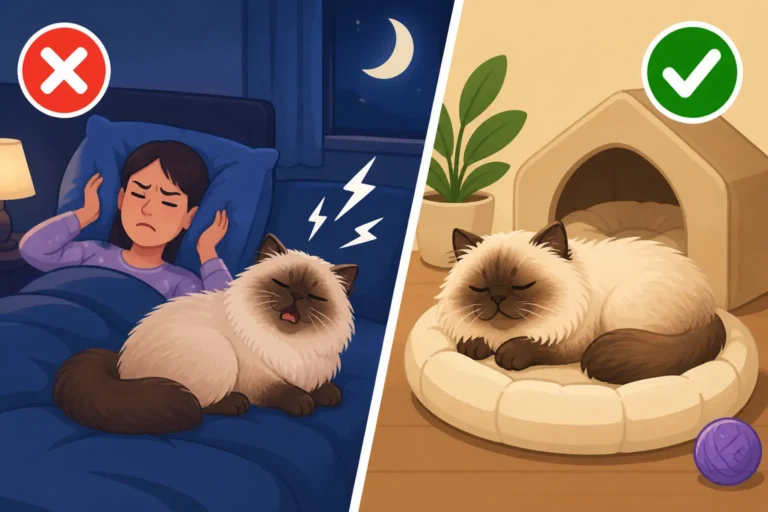
Why a Himalayan’s Coat Cannot Survive Outdoors
Oh, the romantic idea of a beautiful Himalayan cat frolicking through a sun-dappled garden, their magnificent coat flowing in the breeze! It’s a picture many cat lovers dream of, but for anyone who truly knows and loves a Himalayan, it’s a vision that quickly turns into a nightmare. The truth is, a Himalayan's stunning, luxurious coat, the very thing that makes them so captivating, is precisely what makes an outdoor life not just unsuitable, but truly dangerous for them. This isn't just about keeping them pretty; it's about their health, their comfort, and their very survival. Let's delve into why these gorgeous felines are absolutely, unequivocally, meant to be cherished indoors.
The Delicate Nature of the Himalayan Coat
When you look at a Himalayan, you're immediately struck by that glorious, long, flowing coat. It's a double coat, thick and dense, with a soft undercoat that provides incredible insulation. While this sounds lovely for snuggling on a chilly evening, it's a huge liability when faced with the unpredictable, often harsh realities of the outdoors.
The Sheer Volume of Fur
Imagine trying to navigate a dense forest wearing a full-length ballgown. That's a bit like what an outdoor existence would be for a Himalayan. Their fur isn't just long; there's so much of it. This incredible density, while beautiful, acts like a giant magnet for everything undesirable outdoors. Every twig, every leaf, every speck of dust, every bit of mud, finds a welcoming home deep within their layers of fur. Shorter-haired breeds might shrug off some debris with a quick shake, but a Himalayan's coat simply engulfs it. You'd be amazed how quickly even a simple walk in a seemingly clean garden can turn their pristine coat into a collection of nature's offerings. It’s an endless battle to keep it pristine even when they're just lounging on your sofa, let alone when they're out in the wilds of your backyard.
This constant accumulation of foreign material isn't just an aesthetic problem. Each piece of debris, whether it's a tiny seed or a larger burr, creates a starting point for tangles. And once a tangle begins, especially in a double coat like theirs, it can escalate into a painful mat with alarming speed. It's a stark reminder of How Much Undercoat a Himalayan Carries Under Its Points. That luxurious undercoat, which keeps them so warm and fluffy, is also the primary culprit for rapid matting when exposed to the elements.
Matting: A Medical Emergency Waiting to Happen
Matting is more than just bad hair day for a Himalayan; it’s a serious welfare issue. Outdoors, the risks are compounded exponentially. Rain, dew, mud, sticky plant sap, and rough surfaces are all mat-magnets. A few hours of outdoor exploration could mean a week's worth of mats forming in minutes. These aren't just surface tangles; they pull at the skin, causing intense pain and restricting movement. Imagine having your hair constantly tugged at, every step, every stretch. That’s what a matted Himalayan experiences.
Beyond the discomfort, severe mats can hide a multitude of skin problems. Moisture trapped beneath them can lead to painful skin infections, hot spots, or even parasites. The skin under a mat can become red, inflamed, and raw, making the cat even more miserable and reluctant to be touched or groomed. If left unchecked, these mats can become so severe they require veterinary intervention, often involving sedation and a full shave-down. It's a heartbreaking situation that can be entirely avoided by keeping your Himalayan safe indoors. Trust me, Why a Matted Himalayan Becomes a Medical Case is not an exaggeration.
Environmental Hazards and the Himalayan Coat
The great outdoors, for all its beauty, is a minefield of potential disasters for a Himalayan's coat and skin. They simply aren't equipped to handle the constant onslaught of natural elements.
Moisture and Fungal Infections
Water, whether from rain, morning dew, or even an accidental splash, is the enemy of a Himalayan's coat. Their dense fur absorbs moisture like a sponge, and once wet, it takes an incredibly long time to dry – and I mean hours. Think about trying to dry a very thick wool blanket that's soaking wet. Now imagine it's attached to a living, moving creature who then lies down on damp grass or dirt.
This prolonged dampness, especially deep within the undercoat where air circulation is poor, creates a perfect breeding ground for fungal and bacterial infections. Dermatitis, ringworm, and other nasty skin conditions can take hold, causing itching, discomfort, hair loss, and requiring extensive veterinary treatment. It's far easier to prevent these issues by keeping your Himalayan dry and in a controlled environment. Even a quick damp spot can lead to trouble, and How Long a Himalayan Takes to Dry is a testament to the challenge this poses outdoors.
Parasites and Pests
A Himalayan's long, flowing coat is a five-star hotel for fleas, ticks, and other unwelcome guests. The sheer volume and length of the fur provide excellent camouflage, making these parasites incredibly difficult to spot and remove. A quick brush-through might miss tiny ticks or fleas burrowing deep into the undercoat, particularly around the ears, neck, and hindquarters.
The longer a parasite remains undetected, the greater the risk it poses. Ticks can transmit diseases, and fleas can cause severe itching, skin irritation, and even anemia in heavy infestations. Regularly checking for parasites in a Himalayan's dense coat is already a challenge indoors, but imagine doing it after they've spent hours rummaging through bushes and tall grass. It turns a routine check into an archaeological dig, and increases the likelihood of your beloved cat picking up something nasty that can be hard to get rid of, or worse, making them seriously ill.
Dirt, Debris, and Tangles
Let's face it, the outdoors is dirty. There's dust, pollen, mud, decaying leaves, sticky tree sap, and all sorts of bits and bobs just waiting to cling to that glorious coat. A Himalayan's fur, especially around their britches, belly, and ruff, acts like a giant broom, sweeping up everything they walk through or lie on.
Each piece of debris, whether it's a tiny bit of grit from a dusty path or a sticky burr from a shrub, has the potential to start a tangle. These tangles quickly become knots, which then rapidly progress to mats. It's a vicious cycle: dirt sticks to fur, creating tangles, which then trap even more dirt. For an indoor Himalayan, you might find a stray piece of lint or a crumb from your snack in their fur. For an outdoor Himalayan, you'd be dealing with entire ecosystems embedded in their coat. This isn't just about appearances; it causes discomfort and often leads to the medical issues mentioned earlier. The daily grooming routine for an outdoor Himalayan would be less about bonding and more about a constant, frustrating battle with nature's clingiest elements.
The Himalayan's Physical Limitations Outdoors
Beyond the coat issues, the very physical build of a Himalayan, while endearing indoors, makes them incredibly vulnerable to the rigors of an outdoor existence. They were simply not built for it.
Overheating Risk and Coat Insulation
This is perhaps one of the most critical reasons why Himalayans are not outdoor cats, especially in any climate that isn't perpetually cool. Their thick, insulating double coat, combined with their characteristic brachycephalic, or "flat," face, makes them highly susceptible to overheating. They just can't cool themselves efficiently.
Unlike cats with longer muzzles, Himalayans have restricted airways. This means they struggle to pant effectively, which is a cat's primary way of dissipating heat. Their beautiful, dense fur, which keeps them so cozy indoors, becomes a heavy, suffocating blanket when temperatures rise. Even a moderately warm day, or a short burst of activity, can push them into dangerous territory. Overheating can lead to heatstroke, which is a life-threatening emergency. You might notice your Himalayan panting heavily, open-mouth breathing, or becoming lethargic if they're too warm. These are urgent signals. This is why Why a Himalayan Overheats Twice as Fast as a Siamese is such an important consideration. We want them comfortable and safe, not struggling to breathe in the sun.
Mobility and Self-Grooming Challenges
Himalayans have a distinctive "cobby" body type – they are compact and heavily boned, with relatively short, sturdy legs. While this gives them their adorable, teddy-bear like appearance, it's not ideal for agile outdoor adventures. They aren't built for climbing tall fences, darting through dense undergrowth, or escaping quickly from potential dangers like stray dogs or fast-moving vehicles. Their short legs mean they're often unable to jump as high or run as fast as more athletic breeds. This makes them easy targets for predators or prone to injury from falls.
Furthermore, their flattened face, while charming, significantly impacts their ability to self-groom effectively. Cats are meticulous groomers, but a Himalayan struggles to reach all parts of their expansive coat, especially the hindquarters and the area around their tail. If their coat is already compromised by dirt and mats from being outside, their limited self-grooming capabilities exacerbate the problem, making them even more uncomfortable and prone to infections. They simply cannot keep themselves clean enough to survive the elements without constant human intervention, and even then, it's an uphill battle. An indoor cat might be able to manage a little hairball now and then, but an outdoor Himalayan would be in a constant state of dishevelment.
The Indoor Sanctuary: Best for the Himalayan Coat
Given all these challenges, it becomes abundantly clear that the best, safest, and most humane environment for a Himalayan cat is indoors. Here, their unique needs, particularly concerning their magnificent coat, can be met with love and consistent care.
Controlled Environment for Coat Health
Bringing a Himalayan into your home isn't just about giving them shelter; it's about providing a controlled environment where their coat, and their overall health, can truly flourish. Indoors, they are protected from the extreme weather conditions that could wreak havoc on their fur and breathing. You can manage the temperature to ensure they don't overheat, and keep humidity levels from contributing to skin issues.
A clean, indoor space means significantly less dirt, debris, and parasites for their coat to contend with. This drastically reduces the likelihood of matting, tangles, and skin infections. It allows for a predictable routine, where grooming becomes a gentle, bonding experience rather than a frantic rescue mission. It also means you'll be able to easily spot any minor issues with their coat or skin before they escalate into major problems, ensuring your Himalayan remains comfortable and healthy. It's about proactive care, which is vital for a breed with such specific needs.
Essential Grooming Tools and Practices
To keep that stunning Himalayan coat in tip-top condition indoors, a consistent grooming routine is non-negotiable. It's a daily commitment, but a truly rewarding one, leading to a healthy, happy cat who loves being touched.
Here’s what you’ll need:
- A good quality steel comb: This is your primary tool for getting deep into the undercoat and preventing mats. Look for one with both wide and fine teeth.
- A slicker brush: Great for removing loose surface hair and fluffing up the topcoat.
- Dematting tools (optional but helpful): If you do encounter a small tangle, these can help gently work it out.
- Eye wipes and soft cloths: Essential for cleaning their face daily.
- High-quality shampoo and conditioner (for rare baths): Specifically formulated for long-haired cats, if bathing is necessary.
A daily combing session, even just for 10-15 minutes, makes all the difference. Start with a kitten to get them used to it, making it a positive experience with treats and gentle praise. Focus on areas prone to matting like behind the ears, armpits, and their britches. For a great quality steel comb or slicker brush, you might find a wide selection on Amazon to suit your cat's specific coat needs.
| Feature | Indoor Himalayan Coat | Outdoor Himalayan Coat |
|---|---|---|
| Matting Risk | Low (with daily grooming) | Extremely High (constant exposure to debris, moisture) |
| Dirt/Debris | Minimal (dust, household lint) | High (leaves, twigs, mud, burrs, plant sap) |
| Parasite Risk | Low (if kept clean, routine prevention) | High (fleas, ticks, mites easily hide in dense fur) |
| Skin Infections | Low (if kept dry, good air circulation) | High (moisture trapped in fur, hot spots, fungal growth) |
| Temperature Mgmt. | Controlled (AC/heating keeps them comfortable) | Poor (thick coat + flat face = high risk of overheating) |
| Grooming Effort | Daily maintenance, bonding experience | Constant battle, potentially painful, vet intervention |
| Overall Health | Optimal, lower stress, easier to monitor | Compromised, higher stress, increased vet bills |
Regular veterinary check-ups are also crucial. Your vet can not only assess their overall health but also provide guidance on coat care, especially as they age. Sometimes, a professional groomer can be a wonderful resource for tricky areas or for a full "lion cut" if the mats become unmanageable despite your best efforts, though a lion cut has its own considerations, such as Why a Lion Cut Grows Back Darker on a Himalayan. By dedicating time to their care and keeping them safely indoors, you're ensuring your Himalayan lives the comfortable, pampered life they were truly bred for.
Disclaimer
This article is for general informational purposes only and does not constitute professional advice. Laws, prices and regulations vary by location and change over time. Consult a qualified professional for guidance on your specific situation.