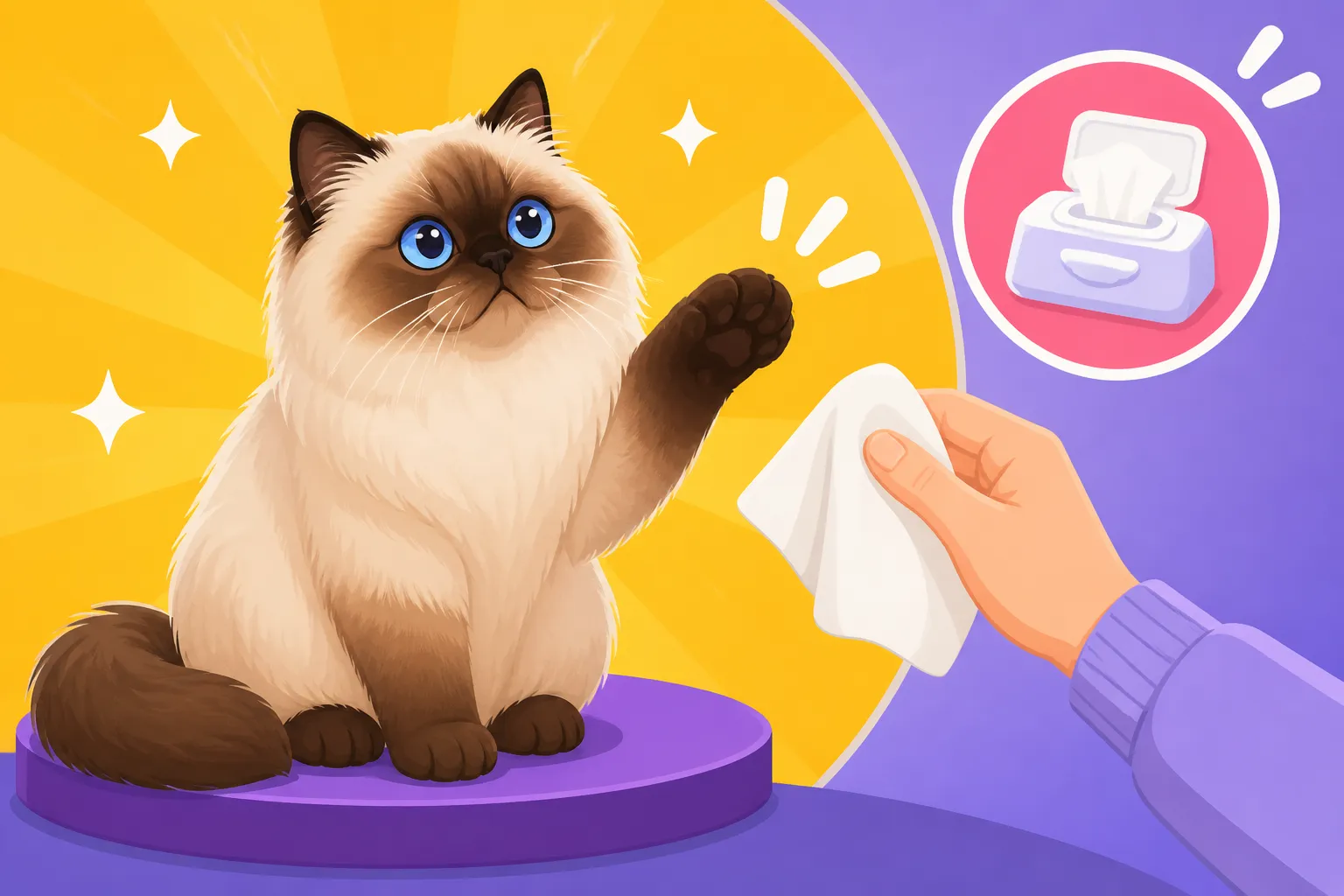
Teaching a Himalayan to Present for Its Face Wipe
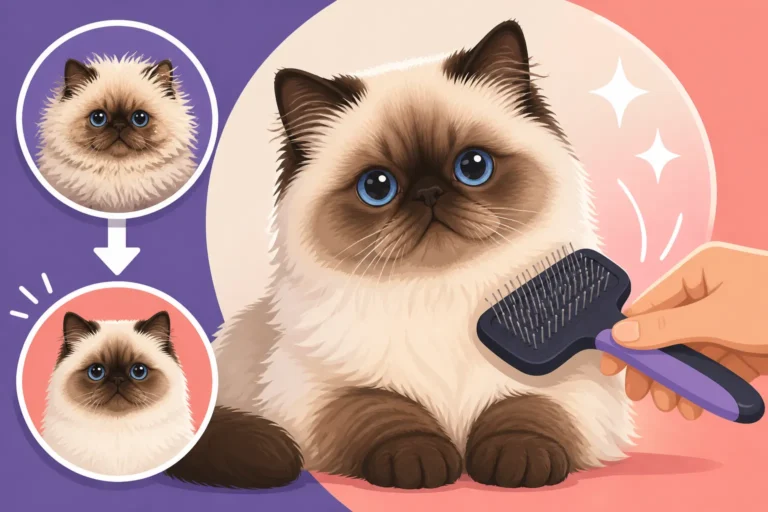
Trying to keep your beautiful Himalayan's face clean feels like a daily wrestling match, doesn't it? Those gorgeous blue eyes often come with tear stains and damp folds, and getting your sweet, sometimes stubborn, kitty to cooperate for a face wipe can be utterly exhausting. This guide is all about transforming that stressful struggle into a calm, cooperative routine, where your Himalayan learns to present their face willingly for cleaning, making daily care a bond-building experience instead of a chore.
Why Daily Face Wiping is Essential for Your Himalayan
Let's be real: Himalayan cats are stunning, but their unique facial structure, inherited from their Persian ancestors, comes with a specific set of care needs. Ignoring these needs isn't just about aesthetics; it's about their long-term health and comfort. You’re not being overly fastidious when you worry about their face; you’re being a responsible pet parent.
The Challenges of the Brachycephalic Face
The flat, "peke-face" or "doll-face" profile that makes Himalayans so endearing is also the source of many of their facial challenges. Their shortened nasal passages mean that tear ducts can become compressed or kinked, leading to a constant overflow of tears. This isn't just a little drip; it's often a steady stream that keeps the fur around their eyes and nose damp. This moisture, especially when it sits in the deep folds many Himalayans possess, creates a breeding ground for bacteria and yeast. You might notice rust-colored staining, a tell-tale sign of yeast buildup, or even a sour smell if left unchecked. It's a frustrating cycle, and without intervention, it can lead to actual discomfort for your cat. Why a Himalayan's Eyes Water All Day delves deeper into this particular issue.
Health and Hygiene Beyond Just Looks
Beyond the visible tear stains, neglecting your Himalayan's face can lead to more serious issues. Constant dampness in the facial folds can quickly escalate to fold dermatitis, a painful skin infection that causes redness, irritation, and inflammation. Imagine having irritated, damp skin on your own face all the time – it would be miserable! These infections can be quite stubborn to clear up, often requiring veterinary intervention, including medicated wipes or even oral antibiotics. Furthermore, dried crusts around the eyes can irritate the delicate corneal surface, potentially leading to scratches or ulcers if your cat tries to rub them off. It's a preventative measure, pure and simple. Keeping those areas clean and dry is your first line of defense against these uncomfortable and potentially costly health problems. What Happens If a Himalayan's Nose Fold Stays Damp outlines these risks in detail.
Understanding Your Himalayan's Reluctance
It’s easy to feel like your Himalayan is just being difficult when they squirm, swat, or bolt at the sight of a damp cotton pad. But trust me, they're not trying to be naughty. Their resistance usually stems from a place of discomfort, fear, or simply a lack of understanding about what you’re trying to do. They don't grasp the concept of "good for you."
The Himalayan's Innate Need for Routine and Calm
Himalayans, much like their Persian cousins, are creatures of habit. They thrive on predictability and a calm, stable environment. Sudden movements, unfamiliar objects, or forceful handling can be deeply unsettling to them. If your face-wiping routine has historically involved chasing them down, holding them tightly, or even just rushing the process, they've likely built a negative association with the entire event. Their natural inclination is to avoid anything that feels threatening or uncomfortable. They often prefer to observe and participate on their own terms, which is why a gentle, consistent approach is crucial. Think of them as tiny, furry royalty who prefer an invitation rather than an ambush. How a Himalayan Reacts When Its Routine Breaks gives more insight into their sensitivity to change.
The Impact of Negative Associations
A cat's memory for unpleasant experiences can be incredibly strong. If they've ever felt trapped, had water get into their sensitive nose, or experienced rough handling during a face wipe, they'll remember it. This isn't malicious; it's a survival instinct. They'll associate the sight of the wipe, the sound of crinkling packaging, or even your posture, with that past negative feeling. Breaking these associations takes time, patience, and a complete overhaul of your approach. You need to essentially "reprogram" their brain to see the face wipe as a neutral, or even positive, experience, rather than something to be feared.
Step-by-Step Training for a Cooperative Face Wipe
Turning a dreaded grooming session into a peaceful interaction isn't going to happen overnight, but it is absolutely achievable with consistency and positive reinforcement. We're aiming for a "present for wiping" behavior, not a "be held against your will" scenario.
Gathering Your Gentle Grooming Arsenal
Before you even think about touching your cat, make sure you have the right tools ready. This isn't just about having a wipe, but the right kind of wipe. Opt for soft, untextured cotton pads or specialized cat eye wipes that are fragrance-free and gentle on sensitive skin. Some excellent options can be found on Amazon, often in bulk packs specifically designed for pet eyes. You'll also need a high-value treat – something your Himalayan absolutely adores and only gets during these sessions. Think freeze-dried salmon, tiny bits of cooked chicken, or a lickable treat paste. Keep these treats close at hand. A soft, familiar blanket or towel can also be helpful for creating a cozy, non-threatening space where your cat feels secure, not trapped. Which Wipes Are Safe Around a Himalayan's Blue Eyes discusses suitable options.
The Gentle Introduction: Touch, Treat, Repeat
This initial phase is all about building positive associations with touch around their face, without any actual wiping.
- Choose a Calm Moment: Pick a time when your Himalayan is relaxed, perhaps purring in your lap or dozing nearby. Never try this when they're playful, stressed, or eating.
- Light Touch, Immediate Reward: Gently reach out and lightly touch their cheek or just under their chin for literally one second. Immediately follow with a high-value treat and soft verbal praise ("Good kitty!").
- Keep it Brief: Do just 2-3 of these short touch-and-treat repetitions in a session. The goal is to make it so quick and pleasant that they don't even have time to react negatively.
- Frequency is Key: Repeat these short sessions several times a day, every day. Consistency builds trust and positive associations.
- Gradual Progression: Over days and weeks, slowly extend the duration of the touch and move closer to the eye area – a quick stroke on the forehead, then near the nose, then near the corner of the eye. Always, always, always follow the touch with a treat. If they flinch or show any signs of discomfort, dial back to an easier touch for a few sessions.
Gradual Progression: Introducing the Wipe
Once your Himalayan is comfortable with you gently touching their face without a wipe, it's time to introduce the wipe itself, slowly.
- Scent Introduction: Place a clean, dry cotton pad or wipe near your cat while they are relaxing. Let them sniff it. If they investigate, give a treat. Do this for a few days without touching them with it.
- Touch with Wipe (Dry): Once they are okay with the dry wipe's presence, lightly touch their cheek or chin with the dry pad, just as you did with your finger. Immediately treat and praise. Again, short, sweet sessions, multiple times a day.
- Introducing Dampness: Once they tolerate the dry pad, slightly dampen a fresh pad with warm water. Repeat the light touch, treat, and praise routine. Make sure the pad is barely damp, not dripping, to avoid startling them.
- The First Gentle Swipe: When they consistently tolerate the damp pad touching their face, try the tiniest, gentlest swipe. Focus on an area with less staining first, like just under the eye or along the bridge of the nose. Swipe for literally one second, then immediately treat and praise.
- Increase Duration and Area Slowly: Over many days, gradually increase the duration of the swipe and expand the area you cover. Go from one eye to both, then to the nose fold. Always end on a positive note, even if it's just one tiny successful swipe. It's better to do a little successfully than push too hard and create a setback. This is where a lot of patience is required. Getting a Himalayan Kitten Used to the Comb applies a similar principle of gradual introduction.
Reinforcement and High-Value Rewards
The entire training process hinges on positive reinforcement. Your cat needs to understand that presenting their face for wiping leads to something wonderful.
- High-Value Treats: As mentioned, use treats they love. This isn't the time for ordinary kibble. Save those special treats just for face-wiping sessions.
- Verbal Praise: Use a soothing, happy voice throughout the process. "Good kitty," "Such a brave boy/girl," in a high-pitched tone can be very reinforcing.
- Affection (if desired): If your Himalayan enjoys being petted, offer gentle strokes and cuddles immediately after the successful wipe and treat.
- Consistency: Every single time you wipe their face, follow the same routine: touch, wipe, treat, praise. No exceptions. This builds a strong, predictable association. If you accidentally skip the treat, you weaken the training.
| Training Stage | Goal | Action | Reward Strategy |
|---|---|---|---|
| Foundation | Accept gentle touch around face | Lightly touch face (1 sec) | Immediate high-value treat + verbal praise |
| Tool Familiarization | Accept presence of wipe | Let cat sniff dry wipe | Treat for investigation |
| Wipe Introduction | Accept light touch with dry wipe | Lightly touch face with dry pad (1-2 sec) | Immediate high-value treat + verbal praise |
| Dampness Acclimation | Accept light touch with barely damp wipe | Lightly touch face with barely damp pad (1-2 sec) | Immediate high-value treat + verbal praise |
| First Swipe | Accept minimal, gentle swipe | One tiny, gentle swipe on less sensitive area (1-2 sec) | Immediate high-value treat + verbal praise |
| Routine Building | Cooperate for full, quick face wipe | Gradually increase swipe duration/area, always gentle | Consistent high-value treat + praise after each wipe |
Maintaining the Routine and Troubleshooting Common Issues
Once you've established a cooperative routine, the key is to maintain it. Life happens, and sometimes even the best-trained cat can have an off day, but knowing how to get back on track is essential.
Consistency is Your Best Friend
A daily face-wiping routine is non-negotiable for most Himalayans. Make it a part of your morning ritual, perhaps right after their breakfast or when you're having your coffee. The more consistent you are, the more your cat will come to expect and accept it. If you skip days, you risk undoing all the hard work you've put in. Think of it like brushing your own teeth – it's just something you do every day to stay healthy. This daily commitment is vital, as discussed in The Morning Face Routine Every Himalayan Needs. Even if their face looks pretty clean one day, a quick, gentle wipe reinforces the habit and prevents issues from building up.
Dealing with Setbacks and Regressions
Even with the best intentions, your Himalayan might suddenly decide they're not in the mood. Maybe they had a bad dream, a loud noise startled them, or they're just feeling grumpy. Don't get frustrated! This is normal.
- Revert to an Earlier Step: If your cat resists, immediately stop trying to do the full wipe. Go back to a step they were comfortable with, even if it's just a light touch and a treat. Rebuild that trust slowly.
- Change of Environment: Sometimes, a different location can help. If you usually wipe their face on the sofa, try a raised surface like a table with a non-slip mat, which can give you better leverage and make the cat feel more secure.
- New Tools or Treats: If resistance becomes a persistent issue, consider if your current wipes or treats are still effective. Perhaps they've grown tired of the same treat, or a different brand of wipe (like some of the hypoallergenic options available on Amazon) might feel softer on their skin.
- Short, Sweet, and Successful: Always aim for a session that ends positively, even if it's much shorter or less thorough than you hoped. You want them to walk away feeling good about the interaction.
When to Consult Your Veterinarian
While most tear staining and dampness can be managed with daily wiping and preventative care, there are times when you need to call in the professionals.
- Persistent Redness or Inflammation: If the skin around your Himalayan's eyes or in the nose folds remains red, raw, or inflamed despite your best efforts, it could indicate a bacterial or yeast infection that requires medication.
- Strong Odor: A foul smell coming from their face is a clear sign of infection and needs veterinary attention.
- Excessive Squinting or Pawing: If your cat is consistently squinting, pawing at their eyes, or showing signs of pain or discomfort, they might have an eye injury, an ulcer, or a more serious underlying condition that needs immediate diagnosis and treatment.
- Changes in Eye Discharge: While clear tears are common, any discharge that is thick, colored (yellow, green), or pus-like warrants a vet visit.
- Breathing Difficulties: While distinct from face wiping, remember that the flat face can also impact breathing. If you notice increased snoring, open-mouth breathing, or signs of distress, it's a separate but related concern for your vet. When a Himalayan's Open Mouth Breathing Needs a Vet addresses this important topic. Your vet can not only help with infections but also discuss potential long-term solutions or management strategies for chronic facial issues.
Disclaimer
This article is for general informational purposes only and does not constitute professional advice. Laws, prices and regulations vary by location and change over time. Consult a qualified professional for guidance on your specific situation.