How Little a Himalayan Asks For in a Day
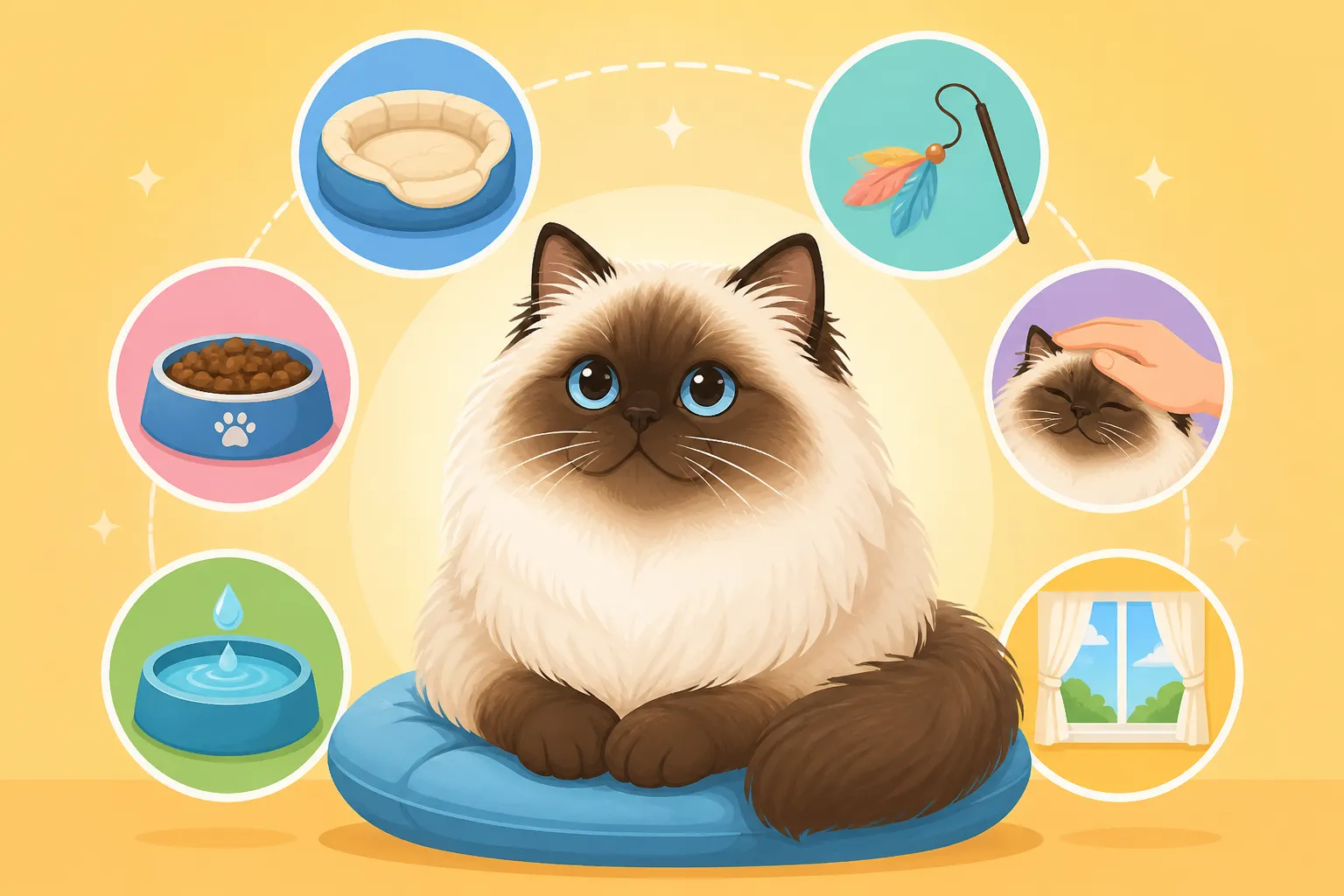
It's easy to look at a majestic Himalayan cat, with their flowing coats and serene expressions, and assume they demand a life of constant pampering, endless attention, and non-stop entertainment. We see those long furs and think "high maintenance," but the truth, once you've lived with one, is often delightfully different. Beyond their essential grooming needs, which are certainly a daily commitment, many Himalayan owners find themselves wondering just how little these magnificent creatures actually ask for in a day. This guide will delve into the surprisingly low-key daily "demands" of a Himalayan, helping you understand their unique, laid-back charm.
The Myth of Constant Demand: Understanding the Himalayan's Chill Vibe
Many people envision cats as demanding pets, always underfoot, crying for attention, or tearing through the house. While some breeds certainly fit that energetic mold, the Himalayan largely does not. Their nature is a beautiful blend of their parent breeds, resulting in a cat that appreciates peace and a predictable rhythm.
A Calmer Pace, Inherited from the Persian Side
At their heart, Himalayans carry a significant amount of Persian DNA, and that inheritance often translates into a generally calm, almost regal disposition. They aren't the kind of cat that needs to be constantly on the go, exploring every nook and cranny of the house with boundless energy. Instead, they are masters of the art of relaxation, often found napping in sunbeams, perched comfortably on a favorite chair, or simply observing the world from a quiet vantage point.
This isn't to say they're lazy; rather, their activity tends to be measured and deliberate. You might see a burst of playful energy, perhaps a quick chase after a toy or a sudden sprint across the living room, but these episodes are typically brief. They much prefer a gentle, unhurried pace, and their energy reserves seem geared more towards short, satisfying bursts of play rather than prolonged marathons. If you're looking for a cat that will happily spend hours in energetic play, a Himalayan might surprise you with how quickly they decide they're "done" and retreat to a soft spot for a nap. It’s all part of How Many Hours a Day a Himalayan Is Actually Awake, which often isn't as many as you'd think!
When a Himalayan does choose to move, it's usually with a purpose – to get a drink, find a new napping spot as the sun moves, or join you on the sofa. They aren't driven by an insatiable need for activity, which makes them wonderfully suited to quieter households or owners who appreciate a companion content to share their space without constantly interrupting. Their idea of a perfect day usually involves a good meal, a solid nap, a few minutes of interaction, and another nap.
The Siamese Echo: Playful, But Not Persistent
While the Persian side contributes heavily to their calm demeanor, the Siamese ancestry gifts the Himalayan with a spark of playfulness that's quite endearing. They aren't the boisterous, acrobatic players you might expect from a purebred Siamese, but they do enjoy a good game. The key difference is often the duration and intensity of their play. They have a certain elegance even in their play, often preferring to "watch and pounce" rather than engage in relentless chasing.
Imagine pulling out a feather wand. A Himalayan will likely watch it intently, maybe twitch an ear, then slowly stalk it before a quick, decisive pounce. They might engage for five to ten minutes, batting at the toy, perhaps even carrying it off, but then their interest will wane, and they'll likely saunter off for a rest. They seldom become insistent about play, and if you stop, they're usually content to let the game end. This makes interactive play a pleasant bonding experience rather than a demanding obligation. How Much Livelier the Siamese Half Made the Himalayan is certainly noticeable compared to a Persian, but it's a gentle kind of liveliness.
They might even play fetch, a trait occasionally inherited from their Siamese lineage, but don't expect them to bring the toy back enthusiastically every single time. Sometimes, they'll simply Why a Himalayan Watches a Toy Rather Than Chase It, preferring to observe rather than participate actively. Their play ethic is very much "quality over quantity," and they're satisfied with a few short, engaging sessions throughout the day rather than needing constant stimulation. If you're someone who enjoys quiet companionship with occasional bursts of gentle fun, a Himalayan fits right in.
Daily Needs Beyond the Grooming Routine
It's universally acknowledged that a Himalayan's luscious coat demands daily attention. This isn't an "ask" but a fundamental requirement for their health and comfort. So, let's set that aside as a non-negotiable baseline. What else do these cats truly need from you in a typical day that doesn't involve a comb or a wipe? The answer, for many, is surprisingly minimal and centered around routine and quiet presence.
Meal Times: Predictability Over Spontaneity
One of the easiest ways to keep a Himalayan happy and feeling secure is through consistent meal times. They are creatures of habit, and knowing when their food will appear can be a source of great comfort for them. Rather than constantly nudging you or vocally demanding food throughout the day, a well-fed Himalayan from a consistent schedule will often simply wait patiently for their designated meal hours.
You might find your Himalayan sitting quietly by their bowl a few minutes before it's time, perhaps gazing at you with those piercing blue eyes, but rarely will they resort to incessant meowing or disruptive behavior. They trust the routine you've established. This allows you to plan your day without feeling like you're constantly on call to fill a food bowl. They typically do best on two fixed meals a day, rather than free-feeding, which also helps manage their weight. If you've ever had a cat that yells at you at 4 AM for breakfast, you'll appreciate The Himalayan That Waits Beside an Empty Bowl with dignified expectation. For their flat faces, ensuring they have an appropriate bowl – wide and shallow – can also make mealtime less messy and more comfortable, further reducing any "demands" on your cleaning efforts.
Affection on Their Terms: Lap Time and Close Proximity
Himalayans are affectionate cats, but their affection often manifests in a distinctly understated way. They aren't typically "velcro" cats that demand constant physical contact. Instead, they are often content with simply being near you. This might mean settling on the same sofa, just out of arm's reach, or sleeping at the foot of your bed rather than directly on your pillow. Their proximity is their expression of love and contentment.
When they do seek direct interaction, it's usually a gentle nudge, a soft head-butt, or a quiet jump onto your lap for a brief cuddle session. They might purr contentedly, knead a soft blanket, and then, just as quickly, decide they've had enough and hop off for a nap nearby. This makes them ideal companions for those who appreciate a cat's presence without feeling overwhelmed by incessant demands for attention. You might notice them following you from room to room, not to demand anything, but simply to remain in your orbit. They love to be part of the action, even if their participation is simply existing peacefully in the same room. For more on this, you might read How Long a Himalayan Goes Before It Comes Looking for you. They don't need to be glued to you; they just want to know you're around. Many owners often comment on Why a Himalayan Sits Against You Rather Than On You rather than curling directly in your lap, preferring to lean into your warmth.
The Voice: Expressive, Not Demanding
The Siamese heritage gives Himalayans a voice, unlike their typically quiet Persian cousins. However, it's a much-muffled, softer version of the Siamese's notoriously loud and insistent vocalizations. A Himalayan's voice is often described as a soft chirrup, a gentle trill, or a conversational meow rather than a piercing yowl. They use their voice to communicate, but usually in a polite, almost questioning tone.
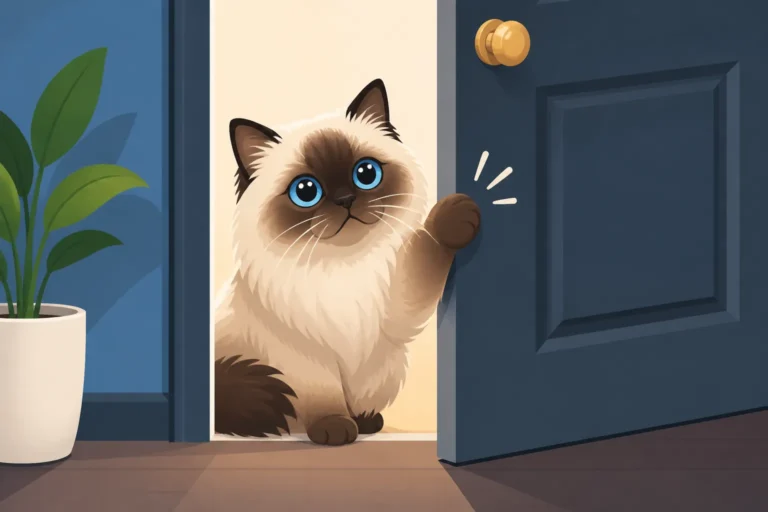
You might hear a soft "mew?" when they want to be let into a room, or a quiet trill to greet you when you come home. They're conversational, yes, but not demanding. This means you won't typically find yourself subjected to a constant barrage of loud meows for attention or food. Their vocalizations are part of their charm, adding to their personality without adding to your stress levels. It's a sweet, melodic communication that tells you they're present and observing, rather than trying to manipulate you. What Is Left of the Siamese Voice in a Himalayan is enough to make them expressive, but not overwhelming.
Here's a quick comparison of common cat "asks" versus a Himalayan's usual behavior:
| Common Cat "Ask" | Himalayan Behavior | Impact on Owner's Day |
|---|---|---|
| Loud, insistent meowing for food | Quietly waiting by bowl, subtle gaze, soft "mew?" | Predictable meal times, less stress, no frantic rushing. |
| Constant seeking of lap time | Prefers being nearby, occasional lap visit, gentle nudge for attention, then retreats. | Affectionate presence without being clingy, allows for personal space. |
| Destructive play behavior | Short, focused play sessions, often preferring observation. | Less need for constant supervision, fewer broken items, relaxed playtime. |
| Scaling bookshelves, counters | Prefers low-level surfaces, uses steps or ramp if available. | Safer environment, less worry about things being knocked over. |
| Loud vocalizations | Soft chirps, trills, conversational meows, rarely insistent. | Pleasant communication, less noise disruption, clear signals without being demanding. |
Environmental Expectations: Making Their Space Their Own
A Himalayan's contentment is deeply tied to their environment. They don't ask for much in terms of elaborate setups or constant novelty, but they do thrive in a specific type of home that caters to their inherent nature and physical characteristics. Creating such a space means they’ll be happier, and in turn, will "ask" even less of you for adjustments or interventions.
Designated Spots: The Importance of "Their" Chair
One thing a Himalayan definitely "asks" for, albeit silently, is a sense of ownership over certain spaces. They love to have their "spot" – a particular chair, a corner of the sofa, a specific cat bed, or even a soft blanket on the floor. This isn't just a preference; it's a core part of their sense of security and routine. Once they claim a spot, they tend to stick to it, often returning to the same place for naps, observations, and quiet reflection.
Moving their favorite chair or disrupting their established routine can genuinely unsettle them. They thrive on predictability, and their chosen spots are anchors in their world. Providing them with several comfortable, undisturbed places around the house that they can call their own will go a long way in keeping them content. This allows them to choose their comfort level based on light, temperature, and activity in the room, without needing to constantly wander in search of a suitable place. It means less wandering and more peaceful resting. This quiet claiming of territory is why Why a Himalayan Claims One Chair and Keeps It is such a common observation among owners. You might find a plush cat bed from Amazon becomes their undisputed throne!
Low-Rise Living: Why They Don't Climb High
Unlike many athletic, agile cat breeds that delight in scaling curtains, perching on the highest shelves, or exploring the tops of cabinets, Himalayans are fundamentally ground-dwellers. Their sturdy, cobby build and relatively short legs aren't designed for impressive leaps or daring climbs. They much prefer to stay on the floor, the sofa, or perhaps a low-lying cat tree or ottoman.
This preference for low-rise living means their "asks" for vertical enrichment are virtually non-existent. You won't typically need to invest in elaborate, towering cat trees or worry about them getting stuck on top of your refrigerator. Instead, focus on comfortable, accessible resting spots at lower levels. They might appreciate a sturdy, waist-high cat tree with wide platforms, but anything higher is usually deemed not worth the effort. This also makes them a safer bet for households where you don't want cats clambering all over your precious decor. Their physical conformation simply limits their desire and ability to engage in high-flying acrobatics. It's a fascinating insight into The Height a Himalayan Decides Is Not Worth It.
Quiet Comfort: A Peaceful Home is a Happy Home
Perhaps the most significant environmental "ask" of a Himalayan is a generally calm and predictable atmosphere. While they can adapt to some level of household activity, they truly thrive in a peaceful environment. Sudden loud noises, boisterous children, or frequent, unpredictable visitors can be stressful for them. They are not typically the life of the party, preferring quiet companionship and a stable routine.
If your home is consistently bustling, loud, or prone to sudden changes, a Himalayan might become withdrawn or anxious, signaling their discomfort through subtle behavioral changes. They value their quiet retreats and appreciate a household that respects their need for tranquility. This makes them ideal companions for individuals or families with older children, or anyone who cherishes a calm domestic life. They don't demand constant entertainment, but they do demand a sanctuary. Knowing Where a Himalayan Goes When the House Gets Busy can help you understand their coping mechanisms and ensure they always have a peaceful escape. Providing them with a quiet, undisturbed room to retreat to if things get too lively can greatly contribute to their overall contentment and reduces any "asks" they might make through stressed behavior.
In summary, the Himalayan cat, while requiring a dedication to grooming, asks for surprisingly little in the grand scheme of daily needs. They are creatures of habit and comfort, valuing predictability, quiet presence, and a few chosen spots to call their own. They offer gentle affection and soft conversational purrs, making them wonderful, low-key companions for those who understand and respect their unique, tranquil nature.
Disclaimer
This article is for general informational purposes only and does not constitute professional advice. Laws, prices and regulations vary by location and change over time. Consult a qualified professional for guidance on your specific situation.