Why a Himalayan Waits Rather Than Complains at a Door
It's a common misconception that if your Himalayan isn't loudly meowing or scratching at a closed door, they don't really need to get through it. Many owners find themselves puzzled by their cat's silent vigil, wondering if they're just being polite or if something else is at play. This comprehensive guide will explore the unique communication style of the Himalayan, shedding light on why these beautiful felines often choose quiet waiting over insistent vocalization, and how you can become a more attuned observer of their subtle signals.
The Himalayan's Inherited Quiet Nature
When you live with a Himalayan, you quickly learn that their personality is a delightful blend of two distinct breeds: the vocal, active Siamese and the serene, dignified Persian. It's this genetic inheritance that largely dictates their communication style, especially when it comes to expressing desires like wanting a door opened. They aren't going to be the boisterous type that demands attention with an insistent yowl, and understanding this is the first step to truly connecting with your quiet companion.
Tracing Their Ancestry's Influence
Think about the vocal prowess of a Siamese – they can carry on a full conversation, or at least it feels like it, often quite loudly. Then consider the Persian, known for their calm, almost regal silence. The Himalayan inherited a fascinating mix of these traits. While they certainly have a voice, and can "talk" to you, it's typically far softer and less demanding than their Siamese ancestors. They possess the capacity for vocalization, but often lack the volume or urgency that many other breeds display. This means they often favor subtle cues over a full-blown verbal complaint. They might offer a soft trill or a gentle "mew" when trying to get your attention, but it's rarely a persistent, ear-splitting cry. This quieter nature means you, as their human, need to be particularly attentive to their more nuanced forms of communication. The Himalayan Kept the Siamese Voice and Lost the Volume is a testament to this unique blend. You might notice that they talk more than a pure Persian, but nowhere near the level of a Siamese, making their quiet presence at a door all the more typical. How Much More a Himalayan Talks Than a Persian helps illustrate this delicate balance.
A Breed Built for Serenity
Beyond their vocal cords, the very demeanor and physical build of a Himalayan contribute to their quiet waiting. These are not cats prone to frantic dashes or dramatic displays. They possess a cobby, substantial body, often adorned with a luxurious, flowing coat that encourages a more sedentary lifestyle. Their days are often filled with peaceful naps in sunbeams, gentle stretches, and perhaps a short burst of play before returning to their favorite spot. This placid nature extends to their approach to problems. Instead of clawing at a door or letting out a piercing cry, a Himalayan is far more likely to sit patiently, observe, and wait. It’s an extension of their general calm and preference for routine. They trust that eventually, their needs will be met, and they don't see the need to create a ruckus. This patient waiting at a door is a classic example of their serene disposition; they are simply being themselves, a tranquil presence in your home. They often prefer to Why a Himalayan Stays on the Floor and the Sofa rather than engage in more athletic pursuits, further reinforcing their quiet, observant nature.
Understanding the Subtle Communication Cues
Since your Himalayan isn't likely to be staging a full-blown vocal protest at a closed door, it becomes crucial for you to learn their unique language. Their communication isn't absent; it's simply different. They are masters of subtle cues, relying heavily on body language and a quiet persistence that, if missed, can leave you wondering if they even want to enter that room at all.
The Language of the Eyes and Body
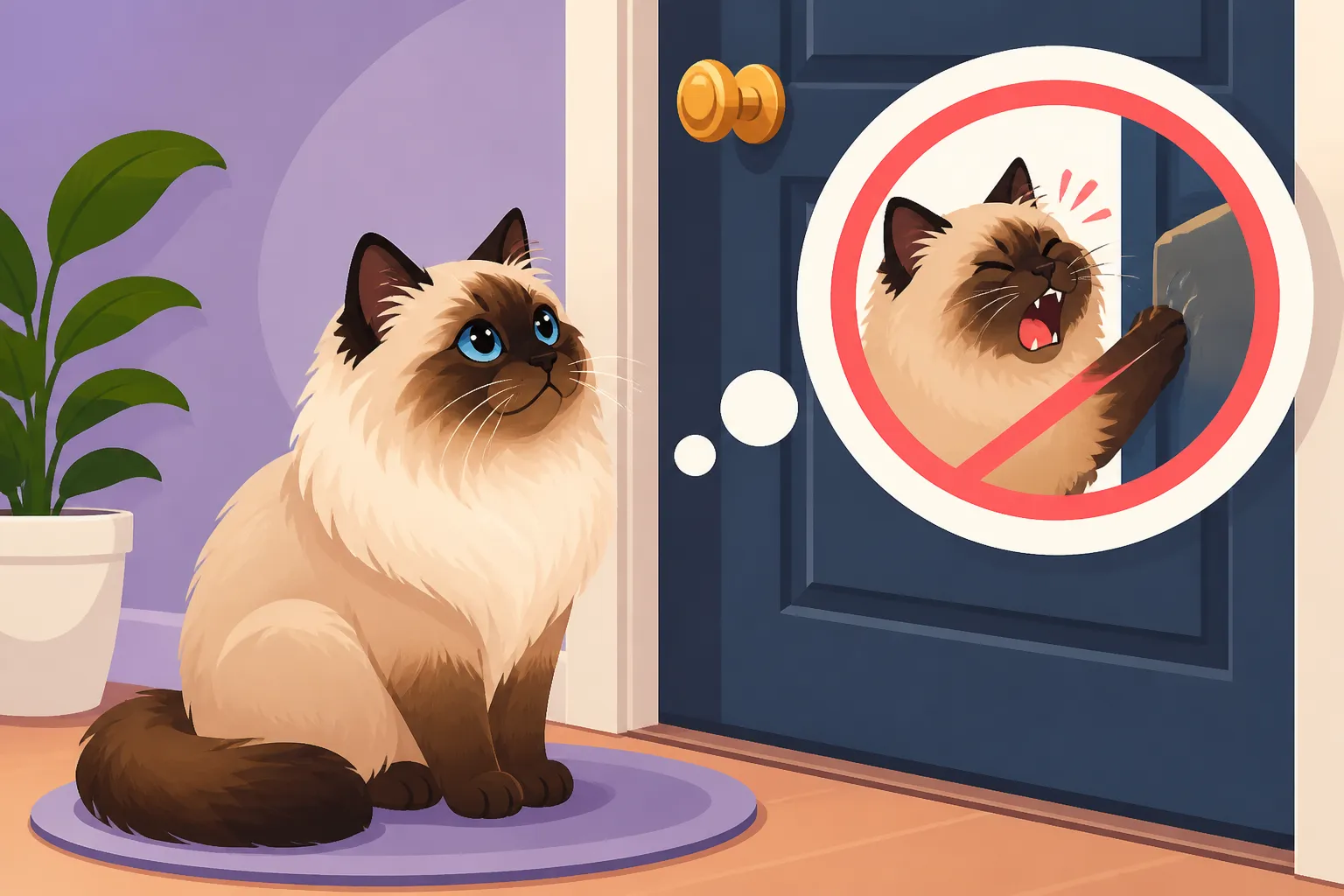
When a Himalayan wants something, especially access through a closed door, their first line of communication is often visual. They will usually position themselves directly in front of the door, making sure they are well within your line of sight. Then, they might fix you with a steady, unblinking stare. This isn't an aggressive stare; it's a plea, a quiet request. They might look from the door to you, then back to the door, in a clear "hint, hint" maneuver. You might also notice a slow blink, a subtle shift of weight, or a slight, almost imperceptible flick of their tail. These are all part of their nuanced vocabulary. They expect you, their devoted human, to pick up on these signals. It's their way of How a Himalayan Asks Without Raising Its Voice. Missing these quiet declarations can lead to frustration for both of you, as you wait for a more obvious sign that will never come, and they grow puzzled as to why their clear signals are being ignored.
The Power of Persistent Presence
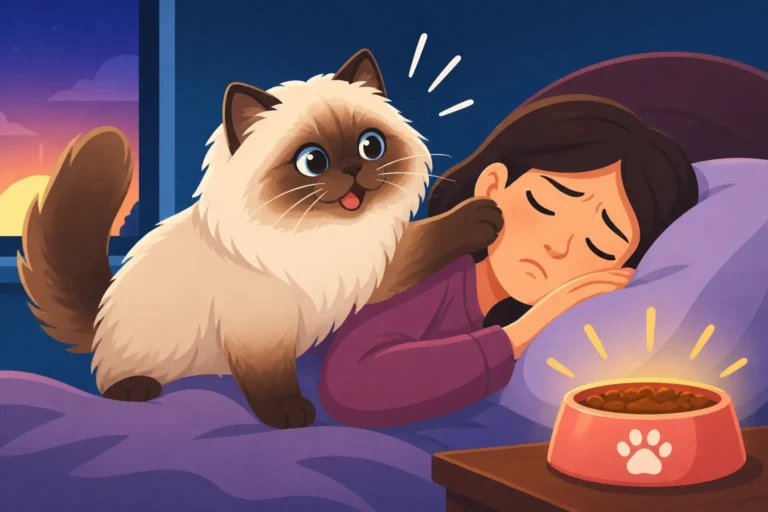
While a Himalayan might not be loud, they are undeniably persistent. They may not scratch incessantly or meow without end, but they will stay. They will sit by the door, often for extended periods. If you move, they might follow you, then return to their post. This quiet, unwavering presence is their complaint, their way of reiterating their desire without raising their voice. It's a non-verbal "I'm still here, and I still want in." Imagine seeing your cat return to the same closed door several times over the course of an hour or two – that prolonged presence is their firm, albeit silent, protest. They've decided this door needs to open, and they are simply biding their time until you catch on. This patient waiting can also extend to other routine needs, such as waiting patiently by an empty food bowl at the accustomed time, rather than a demanding vocal performance. They expect to be fed at their regular time, and their presence is the reminder. Why a Himalayan Expects to Be Fed at the Same Hour underscores this adherence to routine.
Anticipating Their Needs Through Routine
One of the most effective ways to understand your Himalayan's silent requests at a door is to intimately know their daily routine. These cats are creatures of habit; they thrive on predictability. If your Himalayan usually joins you in your home office every morning, their quiet presence by that closed door at 9 AM is a clear indicator that they want in. If they have a designated "nap room" they retreat to every afternoon, their vigil by that door is a definite request for entry. It's less about them actively complaining and more about them adhering to their internal clock and the established household schedule. By understanding these patterns, you can often anticipate their needs before they even have to 'ask'. Observing How a Himalayan Reacts When Its Routine Breaks can also give you insight into when they're particularly keen to maintain their schedule, including accessing certain spaces.
| Communication Style | Vocalization Cues | Body Language Cues | Level of Persistence | Owner Interpretation |
|---|---|---|---|---|
| Siamese | Loud, frequent yowl; chirps; chattering | Head butts; tail up, rubbing; active follow | High, demanding, immediate | Requires prompt and direct response |
| Persian | Very rare, soft trill; minimal purring | Stoic stare; slow blink; subtle ear flick | Low, passive, easily distracted | Needs a highly observant owner; assume "no" is "yes" |
| Himalayan | Soft meows; quiet chirps; gentle murmurs | Direct gaze at owner/door; slow body shifts; quiet tail flick | Moderate, patient, consistent | Expects owner to notice subtle, repeated non-verbal cues |
Creating an Environment That Encourages Communication
Learning your Himalayan's unique communication style is a two-way street. While they're sending out subtle signals, you need to create an environment where those signals are not just received but understood and positively reinforced. This helps them feel heard and reduces any potential frustration from their quiet waiting.
Learning to Read the Room and the Cat
Becoming truly attuned to your Himalayan means going beyond just hearing their soft meows – it means seeing. Pay close attention to their routine and the context of their "door sitting." Is it nearing dinner time and they are by the pantry door? That's a strong indication. Is it their usual snuggle time and they're waiting by the bedroom door? They're ready for cuddles. Your consistent response to these quiet cues reinforces their trust that their subtle messages are being understood. Don't wait for them to escalate to a louder complaint; acknowledge their quiet presence with a gentle voice and open the door. The more you "speak their language" by responding to these nuanced signals, the more confident and secure your Himalayan will feel in communicating with you. Understanding What a Himalayan Is Saying When It Chirps is key, as these soft sounds are often their primary vocalizations.
Door Manners: Establishing Clear Expectations
While Himalayans aren't typically "trainable" in the same way a dog might be, you can certainly establish a mutual understanding around doors. If you consistently open the door when they are patiently waiting and giving you their subtle cues, they will learn that this quiet, polite approach is effective. Conversely, if you inadvertently reward any scratching or rare vocal outbursts by immediately opening the door, you might unintentionally encourage a behavior you don't prefer. It's a delicate balance of positive reinforcement. You can even add a soft verbal cue from yourself, like "Okay, let's go," as you open the door, further solidifying the communication bond. This consistent interaction builds a trusting relationship where your Himalayan knows their quiet requests will be honored. You can find various cat training resources and tools on platforms like Amazon that focus on positive reinforcement methods suitable for even the most reserved felines.
Providing Alternatives and Enrichment
Sometimes, the desire to go through a closed door isn't just about the room itself, but what the cat expects to find there – perhaps a favorite toy, a sunbeam to bask in, or even the presence of another beloved pet. Consider if there are ways to provide similar enrichment in their current space, potentially reducing the frequency of their quiet door vigils. For instance, if they often wait by the door to a spare room just to find a quiet spot, can you create an equally serene nook where they currently are? Interactive toys that encourage gentle play, a comfortable bed, or a new cat tree might satisfy their curiosity and physical needs without needing to constantly access other areas. Remember, a Himalayan's play sessions might be shorter and less vigorous, so Which Toys Get a Himalayan Off the Sofa might involve wand toys or soft balls they can bat around from their favorite lounging spot. For example, an Amazon Basics Cat Tree can offer a vertical space that might satisfy their curiosity and provide an alternative to a closed door, especially for a cat that rarely climbs high and whose Why a Himalayan's Cat Tree Should Be Waist High at Most. This focus on providing Making One Room Comfortable for a Himalayan Left Alone can significantly enhance their contentment.
When Quiet Waiting Might Signal Something More
While a Himalayan's quiet waiting is often just their normal mode of communication, it's vital to remain observant. Any significant change in this behavior, or if the quiet waiting seems coupled with other subtle shifts, could be an indication that something deeper is going on. Their very nature to internalize discomfort or stress means you need to be particularly vigilant.
A Change in Behavior as a Warning Sign
If your normally calm and quiet Himalayan suddenly starts spending an excessive amount of time waiting at doors, or if they are waiting at doors they never previously showed interest in, it's worth investigating. This shift in routine could signal underlying stress, boredom, or even an emerging health issue. For example, if they start quietly waiting by a door to a room that has typically been off-limits, it might be that they are seeking a new, undisturbed retreat. A key thing to remember is that Himalayans, much like their Persian ancestors, are experts at Why a Himalayan Hides Illness Behind an Expressionless Face. They won't usually cry out in pain or distress until a condition is quite advanced. Therefore, any deviation from their usual quiet waiting patterns, even if still subtle, should prompt you to take a closer look at their overall well-being. This might mean reviewing their entire daily schedule to see if you need to How to Put a Himalayan's Routine Back Together to alleviate stress.
Health Concerns Affecting Mobility or Comfort
Another crucial aspect to consider when your Himalayan is quietly waiting by a door is their physical comfort and mobility. If they seem to want to enter a room, but then hesitate or move slowly once the door is opened, it could indicate pain or stiffness, particularly in older cats. Arthritis is a common ailment in senior felines, and their cobby build and relatively short legs can sometimes predispose them to joint issues. A cat in discomfort might still communicate their desire to move but might be reluctant to undertake the physical effort required to do so. Watch for subtle changes in their gait, how they manage small steps, or if they seem to favor a certain limb. Even if they've How Arthritis Shows in a Himalayan That Never Jumped, joint pain can develop over time. If you notice any such reluctance, or a general decrease in their usual, albeit limited, activity, a vet check-up is definitely warranted. Items like pet steps, easily found on Amazon, can help an older or less mobile Himalayan navigate around the house more comfortably, reducing the need for them to wait by inaccessible doors and helping them access their favorite spots. Think about What an Old Himalayan Will Still Get Up For – if even that cherished activity becomes a struggle, it's time for a medical evaluation.
Addressing Environmental Stressors
Sometimes, a Himalayan's quiet waiting isn't just about accessing a room, but about seeking refuge or escaping an uncomfortable situation. If your cat is consistently waiting by the door to a quiet, secluded room, they might be trying to get away from a new, noisy pet, boisterous children, or recent changes in the household environment. Their quiet nature means they are more likely to retreat and seek solace than to confront a perceived threat. Observing when and where they engage in this specific door-waiting behavior can offer clues. Is it only when the kids are playing loudly? Or when a new family member or guest is around? Why a New Baby Unsettles a Himalayan's Routine or understanding Where a Himalayan Goes When the House Gets Busy can provide crucial context. Their quietness can, in these instances, be a subtle plea for solitude and a peaceful space. To help your Himalayan feel secure, consider adding a comfortable cat bed or a calming diffuser. Many options are available on Amazon to create a more serene space, offering them comfort without needing to constantly seek out another closed-off room.
Disclaimer
This article is for general informational purposes only and does not constitute professional advice. Laws, prices and regulations vary by location and change over time. Consult a qualified professional for guidance on your specific situation.