Why Litter Ends Up in a Himalayan’s Britches
Oh, the infamous "litter in the britches" dilemma! If you share your home with a beautiful Himalayan, you know this struggle all too well. It’s a frustrating cycle: your gorgeous, fluffy companion emerges from the litter box looking like they’ve just rolled through a dust cloud, and suddenly, those magnificent hindquarters are less majestic and more… messy. This isn't just an aesthetic issue; it can lead to uncomfortable mats, skin irritation, and even infections if not managed properly. But don't despair! This comprehensive guide is here to unravel why your Himalayan's glorious coat seems to be a magnet for litter, and more importantly, what practical steps you can take to keep them clean, comfortable, and truly majestic.
Understanding the Himalayan Coat's Unique Challenges
The Himalayan cat's coat is undeniably one of its most striking features – a luxurious, flowing cascade that demands attention. But with great beauty comes great responsibility, and a unique set of challenges, especially when it comes to keeping litter from becoming an unwelcome accessory. It’s not just "long hair"; it’s a specific type of long hair inherited from their Persian ancestors that makes them particularly prone to trapping debris.
The Double Coat Dilemma
Himalayans boast a magnificent double coat, a characteristic trait that gives them their plush, voluminous appearance. This isn't just one layer of fur; it's two distinct ones working in tandem. First, you have the longer, silkier guard hairs that give the coat its flowing look and protect the dense undercoat. These guard hairs are fantastic for showing off their stunning point coloration, creating that wonderful contrast we all adore.
Beneath these guard hairs lies a thick, woolly undercoat. This soft, fine layer is what provides insulation, keeping them cozy in cooler temperatures. The problem is, this dense undercoat is incredibly efficient at trapping things – not just warmth, but also loose hairs, dust, and yes, tiny particles of litter. When a Himalayan steps into their litter box, especially with those heavily feathered hindquarters, the loose, fluffy nature of their britches acts like a natural magnet. The litter particles, particularly finer ones, get caught in the guard hairs and then sift down into the dense undercoat, where they become embedded and difficult to dislodge without a thorough grooming session. It’s a design that’s perfect for warmth and elegance, but a nightmare for litter hygiene.
Persian Heritage: Length and Texture
Our beloved Himalayans inherited their stunning long coat directly from their Persian lineage. This isn't just about general fluffiness; it's about the specific texture and immense length that sets them apart. A healthy Himalayan coat is soft, silky, and quite profuse, especially around the ruff, tail, and, of course, the britches. This glorious flowing fur can reach significant lengths, often cascading several inches from their body, and it's particularly dense and long around their hind legs and undercarriage.
This length and density mean that when a Himalayan squats to use the litter box, their rear end, including those magnificent britches, comes into direct contact with the litter. Unlike some shorter-haired breeds where the litter simply falls off, the fine, abundant strands of a Himalayan's coat easily snag and hold onto particles. Think of it like a very fine, dense feather duster. It's designed to catch things. The longer the fur, the more surface area there is for litter to cling to, and the more challenging it becomes for the cat to self-groom effectively. It's a beautiful inheritance, but one that certainly requires diligent care to prevent messiness. How Long a Himalayan's Coat Actually Grows delves into just how extensive this coat can be.
The Anatomy of a Himalayan's Britches and Tail
Understanding exactly where the litter ends up and why it's so persistent requires a closer look at the specific areas of your Himalayan's anatomy that are most affected. It's not just a general "behind" area; there are distinct features that make these regions problematic.
The "Britches" Defined
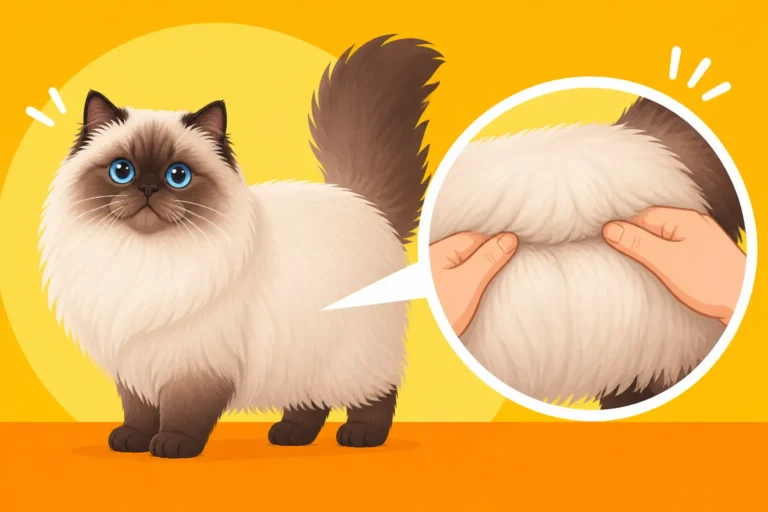
When we talk about a Himalayan's "britches," we're referring to that wonderful, profuse growth of long, silky hair on their hind legs and around their rear. It's like they're wearing fancy, fluffy pantaloons! This fur isn't just long; it's often denser and softer in this area, creating a thick, luxurious skirt that drapes down.
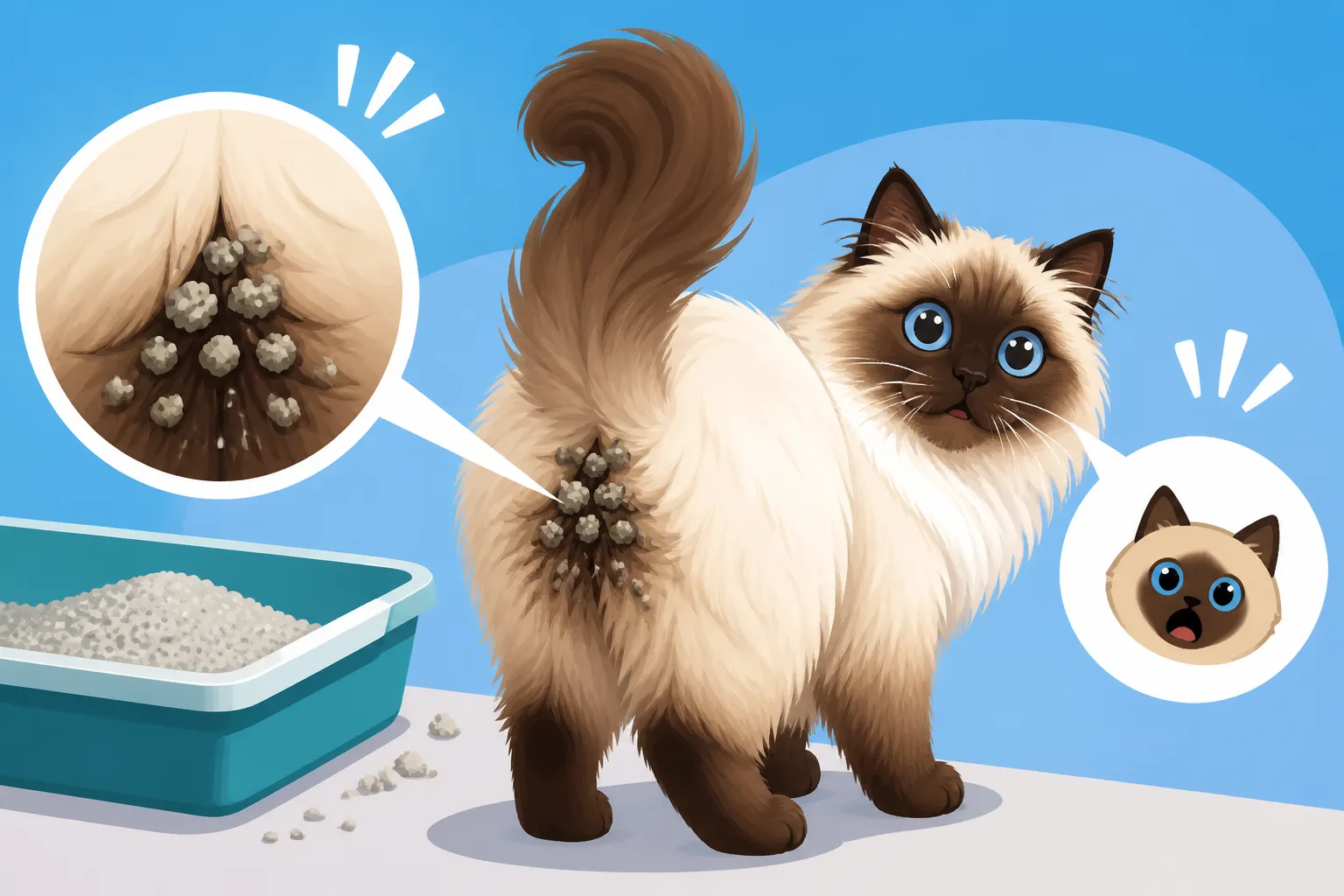
The problem arises because of its location. When your Himalayan positions themselves in the litter box, these britches often dip into or brush against the litter itself. As they adjust, dig, or cover, litter particles readily get tangled within these long, fine hairs. Even after they've finished their business, as they stand up and move, any trapped litter that doesn't immediately fall away will stay embedded. This can be particularly true if the litter is moist or has a finer texture, as it adheres more easily to the soft fur. The sheer volume of hair in this region means there are countless opportunities for those tiny granules to get caught, leading to that all-too-familiar crunch of litter underfoot as your cat moves away.
Tail Feathering and its Role
Beyond the britches, a Himalayan's tail is another magnificent, yet problematic, feature when it comes to litter hygiene. Their tail is often described as a "plume" – long, flowing, and heavily feathered with the same luxurious hair as their body. This grand tail is usually carried over their back or draped elegantly, but when nature calls, it often lowers.
As your Himalayan enters and exits the litter box, their long tail often sweeps through the litter, collecting particles along its length. If the cat backs into the box, the tail might even dip directly into the used litter. The fine, fluffy fur of the tail acts just like the britches, snagging litter granules. What's more, cats use their tails for balance and communication, meaning it's constantly moving. Any litter caught in the tail can easily be spread throughout the house as they walk, swish, or even sleep. The challenge here is similar to the britches – the sheer volume and fine texture of the hair create an ideal environment for litter to cling, making it an ongoing battle for owners to keep clean.
The Cobby Body Shape and Movement
The Himalayan cat, like its Persian ancestor, is known for its "cobby" body type. This means they have a compact, well-rounded, and heavily boned body with short, sturdy legs. While incredibly charming, this cobby structure actually plays a subtle but significant role in why litter ends up in their britches. Their short legs mean they don't have as much clearance from the ground (or the litter box floor) as a lankier breed might.
When a cobby Himalayan squats to use the litter box, their body is naturally closer to the litter itself. This low-slung posture, combined with those generously feathered hindquarters, increases the likelihood of their britches making direct, unavoidable contact with the litter. Furthermore, their solid build doesn't lend itself to the agile, high-stepping movements that might allow a more athletic cat to avoid brushing against the litter. They tend to move with a stately, sometimes lumbering, grace. This means that as they navigate the confines of a litter box, it's almost impossible for them to keep their voluminous fur completely clear of the litter, leading to those persistent stray granules clinging to their magnificent, fluffy trousers. Why a Cobby Himalayan Needs Wide Platforms, Not Tall Ones offers more insight into how their body shape impacts their daily life and movement.
Litter Box Design and Placement Matters
It might seem obvious, but the humble litter box itself, and where you choose to put it, can be a huge factor in whether your Himalayan emerges pristine or powdered in litter. The right setup can make a world of difference for your fluffy friend.
Low-Sided vs. High-Sided Boxes
When selecting a litter box for your Himalayan, the height of the sides is a critical consideration. Many owners instinctively reach for high-sided boxes, thinking they will contain scatter better. While this can be true for energetic diggers, for a Himalayan, it can inadvertently increase the problem of litter in their britches.
A high-sided box, while preventing some kick-out, often forces your cobby Himalayan to make a more awkward, higher step to get in and out. This can cause their hindquarters, particularly those lush britches, to drag across the rim and down into the litter more forcefully as they navigate the entry and exit. It's like trying to step over a tall barrier with a flowing dress – things are bound to get caught. A box that's too high might also mean they struggle to maintain a comfortable squatting position, leading to them perching precariously and potentially dipping their britches further into the litter. On the other hand, an extremely low-sided box might be easy to enter, but then their long fur drapes directly into the litter from the moment they step in, and aggressive digging might send litter flying out. The key is finding a happy medium – a box with sides just high enough to contain most of the kicked-out litter, but low enough that your Himalayan can step in and out gracefully without performing acrobatics. Why a Short Legged Himalayan Needs a Low Sided Box delves deeper into finding the perfect height.
Covered vs. Open Boxes
The debate between covered and open litter boxes is a classic one, and for Himalayans, both have their pros and cons that directly impact the "litter in britches" issue.
Covered boxes are often favored by owners for aesthetic reasons and for their ability to contain odors and litter scatter. The enclosed space can give some cats a sense of privacy, which they appreciate. However, for a long-haired Himalayan, a covered box can become a humid, less-ventilated environment. This humidity can actually cause litter to stick more readily to their fur. The confined space might also mean that as they maneuver, their glorious tail and britches are more likely to brush against the litter-coated sides or roof, picking up extra particles. The reduced airflow inside can also make the air around the litter damp, which in turn clings to fur.
Open litter boxes, conversely, offer excellent ventilation, which can help keep the litter drier and reduce odor buildup. This means less potential for damp litter to cling to your cat's fur. With an open top, your Himalayan has more freedom of movement, reducing the chances of their fur dragging against walls or ceilings as they squat. The downside, of course, is that open boxes offer no containment for litter scatter. A enthusiastic digger can send litter flying across the room, and some of it will inevitably end up on your cat as well, even if it's just from the initial explosion. Ultimately, the best choice often depends on your individual cat's preference and digging habits, but considering the airy benefits for long coats is vital.
Strategic Placement for Cleanliness
Where you place the litter box isn't just about convenience for you; it can significantly influence how much litter makes its way into your Himalayan's fur and then throughout your home. Thoughtful placement can be a game-changer.
Firstly, consider the surface around the litter box. Placing it directly on carpet is almost asking for trouble. Carpet fibers will trap tracked litter, and any litter that falls from your cat's britches will become instantly embedded. Hard, easily cleanable surfaces like tile, linoleum, or hardwood are preferable. If hard floors aren't an option, invest in a high-quality litter mat, which we'll discuss more later.
Secondly, traffic patterns matter. If the litter box is in a high-traffic area, your Himalayan might rush in and out, increasing the chances of quick movements dislodging litter from their fur. A quieter, more private spot might encourage them to take their time, allowing more loose litter to fall off within the immediate vicinity of the box. Think about corners or less-frequented rooms.
Finally, consider the proximity to their usual resting spots. If the litter box is right next to their favorite napping blanket, any litter they carry out will quickly transfer. Spacing out these areas can give gravity a chance to work, letting some of the trapped litter fall off before they settle down for a snooze. Strategic placement is a silent hero in the fight against litter tracking.
The Impact of Litter Type and Texture
Not all litters are created equal, especially when you have a Himalayan with a magnificent, litter-trapping coat. The type, texture, and even particle size of the litter you choose can dramatically impact how much of it ends up clinging to your cat's britches.
Clumping vs. Non-Clumping
The choice between clumping and non-clumping litter is a fundamental one, and for Himalayan owners, it has direct implications for coat cleanliness.
Clumping litter, made typically from bentonite clay, forms solid clumps when it comes into contact with moisture (urine). This is fantastic for easy scooping and odor control. However, the very property that makes it effective – its ability to clump – can be a double-edged sword for a long-haired cat. If even a tiny bit of urine or moisture from your cat's fur touches dry clumping litter, it can form small, hard clumps that become incredibly difficult to remove from the fine hairs of their britches or tail. These "cement" clumps can quickly become painful if not noticed and carefully removed, potentially leading to skin irritation or even requiring a vet visit for shaving.
Non-clumping litter, on the other hand, is usually made from absorbent clay granules that soak up liquid but don't form solid masses. While it might not be as effective for odor control and requires more frequent full litter changes, it poses less of a risk for hardening onto your Himalayan's fur. If non-clumping litter gets into their britches, it's generally easier to brush out because it doesn't adhere or harden. For owners prioritizing coat cleanliness and fearing those dreaded hard clumps, non-clumping might seem like a safer bet, but it does come with its own set of management challenges regarding cleanliness and smell.
Particle Size and Material
Beyond clumping action, the actual size and material of the litter particles are crucial for Himalayans. Finer, dustier litters are a particular menace.
Traditional clay litters, especially the economy brands, often have very small, fine particles and can generate a significant amount of dust. This dust, even if it's just residual from the litter manufacturing process, can settle onto your Himalayan's fur, particularly when it’s slightly damp from urine or natural oils. Once settled, it’s remarkably difficult to brush out completely and can even contribute to respiratory irritation for both you and your cat. The fine particles also adhere more readily to static-prone fur.
Consider alternative materials with larger particle sizes. Silica gel crystal litter, for example, consists of larger, more uniform crystals that are less likely to cling to long fur and produce very little dust. Wood pellet litter is another excellent option; the pellets are relatively large and heavy, making them less prone to sticking to fur and minimizing tracking. They also tend to be lower in dust. However, wood pellets can sometimes break down into sawdust when wet, which then becomes a fine particle issue again. Which Litter Does Not Cling to a Himalayan's Britches explores these options further.
The table below offers a quick comparison of common litter types and their suitability for a Himalayan's long coat:
| Litter Type | Pros for Himalayans | Cons for Himalayans |
|---|---|---|
| Bentonite Clay (Clumping) | Excellent odor control, easy scooping. | Forms hard clumps on fur, can be dusty, fine particles stick easily. |
| Traditional Clay (Non-Clumping) | Less likely to form hard clumps on fur. | Poor odor control, requires frequent full changes, can be dusty. |
| Silica Gel Crystals | Low dust, larger particles less likely to cling, good odor absorption. | Can be more expensive, some cats dislike texture, sharp edges can irritate paws. |
| Wood Pellets | Low dust, larger particles, natural and absorbent. | Decomposes into sawdust when wet (can cling), some cats dislike texture. |
| Corn/Wheat Based | Natural, biodegradable, generally low dust. | Can still form soft clumps on fur, can attract pests if not managed. |
Dust Levels and Respiratory Health
While our main focus here is on litter clinging to fur, it's impossible to discuss litter types without mentioning dust, especially concerning a brachycephalic (flat-faced) breed like the Himalayan. High-dust litters don't just create a mess; they pose a significant health risk.
When your Himalayan digs vigorously in a dusty litter, those fine particles become airborne. They can then settle onto their fur, including their britches, making them more prone to attracting and holding other litter particles. More critically, these airborne particles can be inhaled, irritating their delicate respiratory system. Given that Himalayans already have a somewhat compromised airway due to their flat faces – a characteristic inherited from their Persian side – adding dusty litter into the mix is simply asking for trouble. It can exacerbate any pre-existing breathing difficulties and lead to chronic irritation or even infections. Investing in a truly low-dust or dust-free litter isn't just about keeping your cat's britches clean; it's a vital part of protecting their overall respiratory health. You might find a wider selection of low-dust options at online retailers like Chewy or Amazon. What Low Dust Litter Costs a Himalayan Owner examines the financial aspect of choosing better litter.
Grooming as Your First Line of Defense
No matter how perfect your litter box setup, the Himalayan's luxurious coat will always require diligent grooming to stay pristine. When it comes to preventing litter from becoming a permanent fixture in their britches, grooming isn't just a suggestion; it's a non-negotiable daily ritual.
Daily Brushing Routine
For a Himalayan owner, a daily brushing routine is paramount, and it's your absolute best defense against litter accumulation and the mats that inevitably follow. This isn't just a quick surface brush; it needs to be thorough and consistent.
You need the right tools for the job. A good quality metal comb with both wide and narrow teeth is indispensable. A slicker brush can also be useful for initial detangling, but it won't get down to the dense undercoat like a comb will. The goal of daily brushing is to remove any loose hair, prevent tangles from forming, and, crucially, to dislodge any litter particles that may have become trapped. Start by gently working through their entire coat, section by section. Pay particular attention to the areas prone to matting and litter accumulation: behind the ears, under the armpits, and, of course, the britches and tail.
Consistency is key here. A few minutes every day is far more effective and less stressful for your cat than trying to tackle a week's worth of mats and embedded litter in one grueling session. Getting your Himalayan accustomed to this routine from a young age will make it a much more pleasant experience for both of you. Daily brushing not only keeps their coat clean and healthy but also serves as an excellent bonding opportunity. How Often a Himalayan Must Be Combed elaborates on the importance of this regular commitment.
Targeting the Britches Area
The britches, by their very nature, are a hotspot for litter entanglement, so they require special attention during your grooming routine. You can't just lightly brush over them and expect them to be clean.
When you're working on the britches, make sure your Himalayan is relaxed and comfortable. Some cats prefer to lie on their side, while others might tolerate being gently held on your lap or a grooming table. Use your metal comb, starting with the wider-toothed end if there are any tangles, then switching to the finer teeth. Gently comb small sections of the britches at a time, working from the tips of the hair towards the skin. It’s vital to get the comb all the way through the dense undercoat to ensure no litter particles are hiding deep within.
If you encounter any dried litter clumps (especially with clumping litter), do not pull them out. This will be painful for your cat and could damage their skin. Instead, carefully try to break the clump apart with your fingers or the very tips of your comb, gently working it loose from the hair. For stubborn, hardened clumps, sometimes a small amount of cornstarch can help loosen it, or in severe cases, a visit to a professional groomer or vet might be needed to carefully shave it out. The goal is gentle, thorough, and consistent care. Combing a Himalayan's Britches Without Turning It Over provides practical tips for managing this tricky area.
Professional Grooming and Sanitary Trims
While daily home grooming is essential, sometimes the challenges of a Himalayan's coat, combined with the issue of litter in the britches, call for professional intervention.
Professional groomers are skilled in handling long-haired breeds and have specialized tools and techniques. They can perform a "sanitary trim" – a gentle trimming of the fur around the anus and inner hind legs. This shortens the hair in these critical areas, drastically reducing the surface area for litter (and other things) to cling to. It doesn't alter the overall look of your Himalayan's magnificent coat but makes a huge difference in their cleanliness and comfort. A sanitary trim can also help prevent fecal matter from getting matted in the fur, which is another common problem with long-haired cats and can exacerbate the litter issue.
If your cat is particularly prone to severe matting or if you find the daily grooming overwhelming, a professional groomer can also provide a full bath and blow-dry, ensuring the coat is thoroughly cleaned and detangled. In extreme cases of matting, or if your Himalayan becomes very stressed with grooming, a "lion cut" might be recommended. This involves shaving the body short, leaving a ruff around the head and a plume on the tail. While it's a dramatic change, it can offer a complete reset for a neglected coat and make future maintenance much easier. Just be prepared for their points to potentially darken as the shaved fur regrows! What a Groomer Charges for a Himalayan Lion Cut gives an idea of the costs involved. Regular visits, perhaps every few months, can keep your Himalayan in top condition and prevent minor litter issues from becoming major matted nightmares.
Diet and Hydration: Unexpected Factors
You might be wondering what your cat's food and water intake have to do with litter sticking to their britches. It's not a direct link, but rather an indirect one that impacts coat health and stool consistency, both of which play a crucial role in preventing messiness.
Digestive Health and Stool Consistency
A healthy digestive system is foundational to a clean cat, particularly for a long-haired breed like the Himalayan. If your cat experiences frequent bouts of diarrhea or soft stools, the likelihood of fecal matter (and subsequently, attached litter) clinging to their britches dramatically increases. Soft stools are messier, harder to clean, and much more prone to getting caught in that dense fur around their rear.
Feeding a high-quality, balanced diet that agrees with your individual cat is paramount. Look for foods with easily digestible ingredients and appropriate fiber content. Some cats might thrive on grain-free options, while others do perfectly well with grains. The key is to find a food that results in firm, well-formed stools. If you notice persistent loose stools, consult your veterinarian. It could be a sign of a food intolerance, allergies, or an underlying medical condition. A fresh, human-grade diet might be worth exploring if you suspect diet is contributing to inconsistent stool quality, though always transition slowly and consult your vet. A healthy gut means cleaner exits, which in turn means less potential for litter to stick to unwanted places.
Hydration and Urine Concentration
Adequate hydration is often overlooked but can subtly impact the cleanliness of your Himalayan's hindquarters and the overall health of their skin and coat.
When a cat is well-hydrated, their urine is typically less concentrated. While this might seem tangential, highly concentrated urine can be more irritating to the skin if any drops get onto the fur around the britches. Irritated skin can lead to licking, which introduces more moisture and can make the fur more susceptible to attracting dust and litter. Beyond this, good hydration contributes to overall skin and coat health. A healthy coat is less prone to static, which can make fine litter particles literally jump onto the fur. It also supports the natural oils that keep the coat somewhat repellent to dirt, though this effect is minimal against sticky litter.
Ensure your Himalayan always has access to fresh, clean water. Consider offering multiple water bowls in different locations, or even a pet water fountain, as many cats prefer running water. Some Himalayans, particularly those prone to kidney issues due to their Persian lineage, benefit from wet food to boost their fluid intake. Increased water consumption supports kidney function and can lead to less concentrated urine, which is better for their overall health and can indirectly contribute to cleaner britches. Why Water Matters More in a Himalayan Carrying Cysts explains the vital role of hydration in certain health conditions relevant to the breed.
Addressing Other Contributing Factors
Sometimes, litter in the britches isn't just about the coat, the box, or the litter itself. Other aspects of your Himalayan's health and lifestyle can unexpectedly exacerbate the problem. Recognizing these can help you address the root cause more effectively.
Weight Management and Mobility
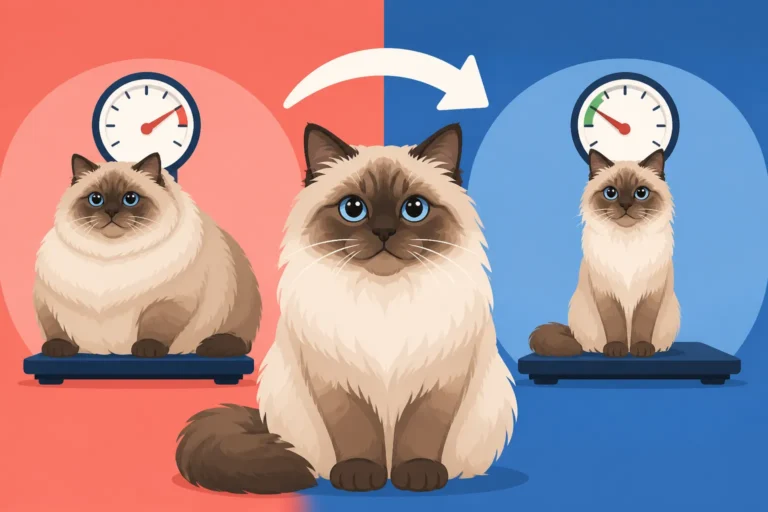
An often-overlooked factor contributing to a messy rear end in Himalayans is their weight and subsequent mobility. Himalayans have a naturally cobby, sturdy build, but they are also prone to becoming overweight due to their love of lounging and their generally lower activity levels compared to more energetic breeds.
When a Himalayan is overweight, a few things happen that worsen the litter problem. Firstly, their excess girth makes it physically harder for them to reach around and properly groom their hindquarters, including their britches and tail. That beautiful, dense fur becomes a tangled, litter-filled mess simply because they can't comfortably bend and clean themselves. Think about trying to clean a hard-to-reach spot when you're carrying extra weight – it’s just not easy.
Secondly, their mobility might decrease. Arthritis, which can be common in older or heavier cats, makes bending and squatting comfortably in the litter box even more challenging. They might adopt awkward positions to avoid discomfort, increasing the chances of their fur coming into contact with litter or even fecal matter. Regular exercise, appropriate portion control, and a balanced diet are crucial for maintaining a healthy weight. If your Himalayan is struggling with grooming due to their size, consult your vet for a weight management plan. Why an Overweight Himalayan Cannot Reach Its Britches vividly illustrates this struggle.
Age-Related Challenges
As our beloved Himalayans age, they can face a new set of challenges that impact their ability to keep themselves clean, especially in the britches area. This is a natural part of aging, but it means owners need to be even more vigilant.
One of the most common age-related issues is arthritis or general joint stiffness. This can make the agile movements required for thorough self-grooming difficult or even painful. Imagine trying to twist and turn to reach your lower back when your joints ache – it's simply not feasible. An older Himalayan might not be able to bend sufficiently to clean their britches effectively, leading to mats and litter accumulation.
Their energy levels also tend to decrease, meaning they might spend less time on meticulous grooming, opting for quick, less thorough licks. Eyesight might diminish, making it harder for them to spot and address small issues before they become larger problems. Changes in digestive health are also common with age, potentially leading to more inconsistent stools. Recognizing these age-related changes means you need to step up your grooming efforts and consider modifications to their environment, such as lower-sided litter boxes or softer bedding, to support their comfort and cleanliness. When an Old Himalayan Can No Longer Reach Its Back highlights these physical limitations.
Medical Conditions Affecting Grooming
Beyond age and weight, certain underlying medical conditions can directly or indirectly lead to litter accumulating in your Himalayan's britches. If you've tried all the usual remedies and the problem persists, it's always worth a vet visit.
Conditions that cause diarrhea or chronic soft stools, such as inflammatory bowel disease, food allergies, or parasitic infections, are prime culprits. As discussed earlier, messy stools inevitably lead to messy britches. If your cat is experiencing persistent digestive upset, a vet can diagnose the cause and recommend appropriate treatment, which might include dietary changes, medication, or probiotics.
Other conditions that affect mobility, like degenerative joint disease or nerve damage, can impair their ability to groom. Pain can also cause a cat to neglect grooming, as they may associate the act with discomfort. Skin conditions, even minor ones, can also make a cat excessively lick or chew at an area, potentially moistening the fur and making it a stickier target for litter. Any sudden change in your Himalayan's grooming habits, especially a decrease in self-cleaning or an increase in messiness around their rear, should be discussed with your veterinarian to rule out underlying health issues. How Arthritis Shows in a Himalayan That Never Jumped speaks to the subtle onset of mobility issues that can impact self-care.
Preventative Measures and Daily Routines
Successfully combating the "litter in the britches" problem isn't about a single magic bullet; it's about implementing a consistent, multi-faceted approach. By integrating a few key preventative measures into your daily routine, you can drastically reduce the amount of litter your Himalayan carries around.
Post-Litter Box Checks
One of the simplest yet most effective preventative measures you can adopt is a quick post-litter box check. I know, it sounds a bit like hovering, but trust me, it can save you a lot of grief in the long run.
After your Himalayan has used the litter box, try to gently check their britches and tail as they exit. This doesn't have to be an intrusive inspection every single time; a simple visual scan is often enough. Look for any visible litter clumps, particularly if you use clumping litter, or obvious fecal smears. If you spot anything, a soft, damp cloth (unscented baby wipes formulated for sensitive skin can be surprisingly useful, but always check ingredients for cat safety) or a piece of tissue can be used to gently wipe the area clean immediately.
The key is to catch it early. Freshly deposited litter or soft stool is much easier to remove than something that has dried and hardened, potentially pulling at their fur or causing skin irritation. If your cat is amenable, a quick, gentle comb through the britches with a fine-toothed comb right after they use the box can also dislodge loose particles before they get further embedded. This habit, integrated into your daily flow, can prevent small messes from becoming big problems.
Using Litter Mats and Barriers
Even with the best litter, some tracking is inevitable. That's where litter mats and strategic barriers come in handy. These tools create a transition zone that helps catch loose litter as your Himalayan exits the box, preventing it from spreading throughout your home and reducing the amount that might re-attach to their fur later.
There's a wide variety of litter mats available, from textured rubber mats with deep grooves that trap granules, to honeycomb-designed mats that collect litter in pockets, to softer, carpet-like mats. The best ones are those that effectively scrape litter from your cat's paws and are easy for you to clean. Place a generously sized mat directly in front of and perhaps extending a little around the sides of the litter box. The larger the mat, the more steps your cat will take on it, increasing its effectiveness. You can find excellent options on Amazon or Chewy.
For really enthusiastic diggers, or cats that make a dramatic exit, consider creating a simple barrier around the litter box itself. This could be a large, overturned storage bin with a cutout entrance, a commercially available litter box enclosure, or even just strategically placed pet gates if the box is in a doorway. These barriers help contain the initial scatter and give any airborne litter a chance to settle before it lands on your cat or furniture. The goal is to maximize the area where litter can fall off, rather than where it will stick.
Regular Sanitary Trims at Home
For many Himalayan owners, regular sanitary trims become an indispensable part of their routine. This practice involves carefully trimming the fur around the anus and on the inside of the hind legs to a shorter length. It’s not about aesthetics, but pure hygiene.
The benefits are numerous: by reducing the length and density of the fur in these critical areas, you drastically minimize the surface area for litter, urine, or fecal matter to cling to. This means less mess, fewer painful mats forming, and a more comfortable cat. You can perform these trims at home with a good pair of blunt-nosed scissors designed for pet grooming or, even better, a quiet, cordless pet clipper. The blunt tips prevent accidental nicks, which are especially important in such a sensitive area.
Always ensure your cat is calm and relaxed, and have a helper if needed. Start small, trimming just the visible excess fur. Work slowly and gently, always pointing the scissors away from the skin. If you're using clippers, keep the blade flat against the skin to avoid cutting. If you're unsure or nervous, ask your veterinarian or a professional groomer to show you how to do it safely the first time. Regular trims, perhaps every 4-6 weeks depending on your cat's coat growth, can make a monumental difference in preventing litter from embedding itself in their britches. Why a Himalayan's Britches Are Trimmed offers detailed guidance on this essential grooming task.
Disclaimer
This article is for general informational purposes only and does not constitute professional advice. Laws, prices and regulations vary by location and change over time. Consult a qualified professional for guidance on your specific situation.