What a Himalayan Carrier Persian Is
It's incredibly fascinating how cat genetics work, and one of the most common head-scratchers for people interested in Himalayans is how a cat that looks like a regular Persian can still be so deeply connected to the Himalayan lineage. Many aspiring owners and even some breeders can get a bit lost in the terminology, especially when you hear about something called a "Himalayan carrier Persian." This guide is here to unravel that mystery, explaining exactly what a Himalayan carrier Persian is, how it comes to be, and why this genetic information is so crucial for the breed's future.
Understanding the Himalayan's Unique Genetics
The Himalayan cat, with its stunning blue eyes and distinctive point coloration, is a marvel of selective breeding. But to truly understand a "Himalayan carrier Persian," we first need to delve into the very genetic makeup that gives the Himalayan its iconic look. It’s not just about a pretty face and elegant coat; it’s about a specific genetic blueprint that sets them apart, even from their close Persian cousins.
The Pointed Pattern Explained
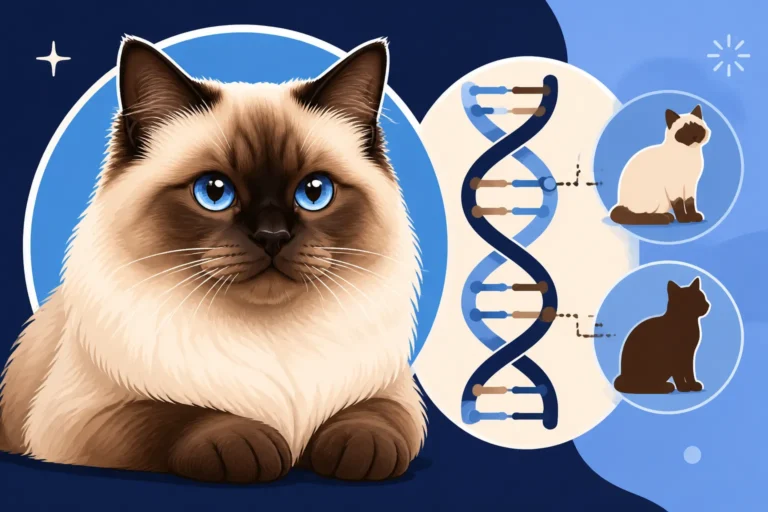
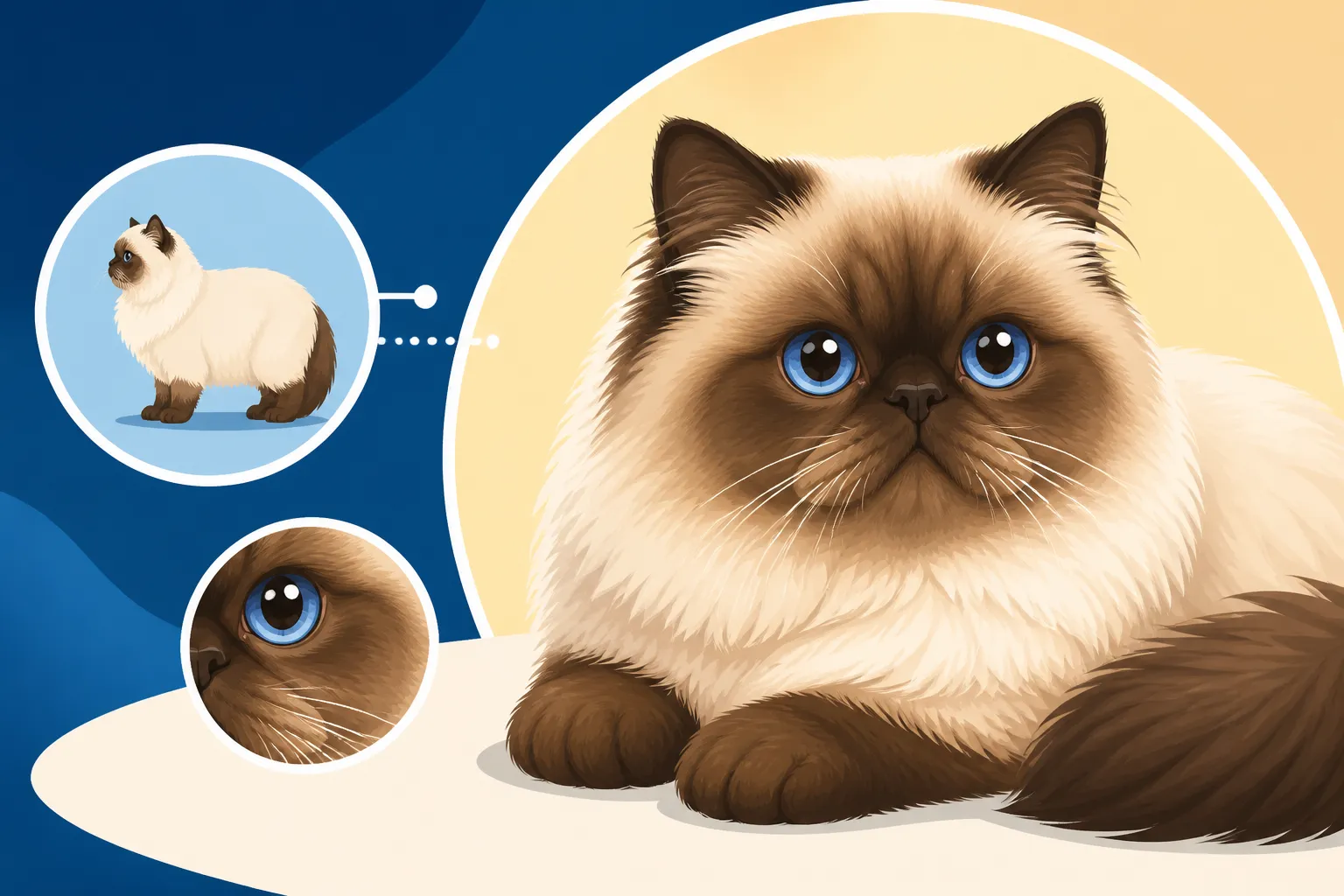
The beautiful "pointed" pattern of a Himalayan—darker fur on the cooler extremities like the face mask, ears, paws, and tail, contrasted with a lighter body—is due to a specific gene mutation. This gene, often referred to as the colorpoint gene (technically the cs allele on the TYR gene), affects how pigment develops in the cat's fur. It's a temperature-sensitive enzyme that only allows full pigment expression in cooler areas of the body. Think of it like a natural thermometer dictating coat color. When a Himalayan kitten is born, it's typically almost entirely white or very pale, because the warmth of the mother's womb has prevented the pigment from fully developing. It's only after birth, as they are exposed to the cooler ambient temperatures of the world, that their points gradually start to emerge and darken. This process continues for several months, sometimes even years, as their true coloration settles.
The Role of Recessive Genes
Now, here's where it gets interesting with the "carrier" concept. The colorpoint gene responsible for the Himalayan's distinctive pattern is a recessive gene. What does "recessive" mean in genetics? It simply means that for a cat to display the pointed pattern, it needs to inherit two copies of this specific gene—one from each parent. If a cat only inherits one copy of the recessive colorpoint gene and one copy of the dominant gene for full coloration, it won't show the pointed pattern. Instead, it will look like a fully colored cat, perhaps a regular Persian with a solid coat color. This is the crux of understanding a carrier. It's like having a secret message hidden in their DNA that only comes out under specific circumstances. Why a Himalayan Needs Two Copies of the Point Gene goes into more detail about this fascinating genetic interplay.
The Concept of a Carrier Cat
The idea of a "carrier" is fundamental to understanding recessive genetic traits in any species, and it’s particularly significant in the world of purebred cats, including Himalayans and Persians. It explains why certain traits can seemingly pop up out of nowhere, or why two cats that look alike can produce very different litters.
What "Carrying" a Gene Means
A "carrier" cat is an animal that possesses one copy of a recessive gene but does not physically express the trait associated with that gene. In our case, a "Himalayan carrier Persian" is a Persian cat that carries one copy of the colorpoint gene but, because it also has a dominant gene for full coloration, it appears as a standard, fully pigmented Persian. These cats have no outward signs of being carriers; they don't have subtle points, nor do they have blue eyes. They look, act, and are genetically (phenotypically) Persian. However, their genetic blueprint (genotype) contains that hidden recessive gene. If they mate with another cat that also carries the colorpoint gene, there's a chance their offspring could inherit two copies of the recessive gene and thus display the pointed Himalayan pattern. It's a hidden genetic lottery that breeders need to be acutely aware of.
How the Carrier Gene Stays Hidden
The reason the carrier gene remains hidden is due to the principles of dominant and recessive inheritance, first described by Gregor Mendel. Imagine the gene for full color (let's call it 'C') as dominant, and the gene for colorpoint (let's call it 'c') as recessive.
- A cat with two 'C' genes (CC) will be fully colored and cannot pass on the colorpoint trait.
- A cat with one 'C' and one 'c' gene (Cc) will also be fully colored because the dominant 'C' masks the recessive 'c'. This is our "carrier" cat. It looks fully colored but can pass on the 'c' gene.
- A cat with two 'c' genes (cc) will display the colorpoint pattern—a Himalayan.
This means that a breeder looking at a magnificent, solid black Persian, for instance, would have no way of knowing, just by looking, whether that cat is CC or Cc. Both would appear black. This genetic camouflage is precisely why understanding and testing for carrier status is so vital in responsible breeding programs. How a Persian Can Carry the Himalayan Gene Hidden explores this concept further, highlighting the unseen genetic influence at play.
The Persian's Role in Himalayan Breeding
The very existence of the Himalayan cat is intrinsically linked to the Persian. They didn't just share an ancestor; the Persian was one half of the deliberate equation that created the Himalayan, and its influence continues to this day. Understanding this relationship is key to comprehending the role of carrier Persians.
The Historical Cross and Its Purpose
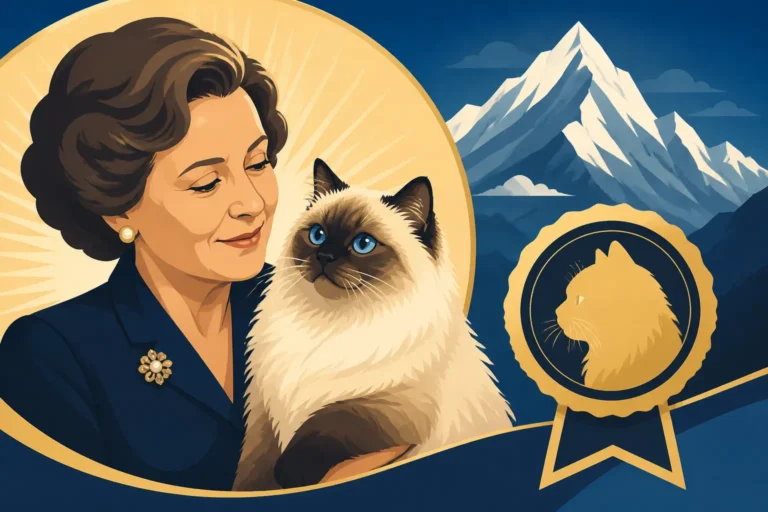
The Himalayan cat was not a naturally occurring breed but a deliberate creation, first established through scientific breeding programs in the 1930s. Researchers, most notably Clyde Keeler and Virginia Cobb at Harvard University, specifically aimed to combine the stunning pointed coloration of the Siamese cat with the luxurious long fur and cobby body type of the Persian. Their initial goal was to study genetics, but the beautiful result soon captured the hearts of cat fanciers. The breeding program involved crossing Siamese cats with Persians, then interbreeding the offspring to eventually produce cats with both the long hair and the colorpoint pattern. This meant that many cats in the early generations of Himalayan development were not pointed themselves but carried the necessary recessive genes. These were, in essence, the very first "Himalayan carrier Persians." The Himalayan Was Made at Harvard in the 1930s and Why Harvard Crossed a Persian With a Siamese to Make the Himalayan offer deep dives into this fascinating origin story.
Why Persians Are Still Bred with Himalayans
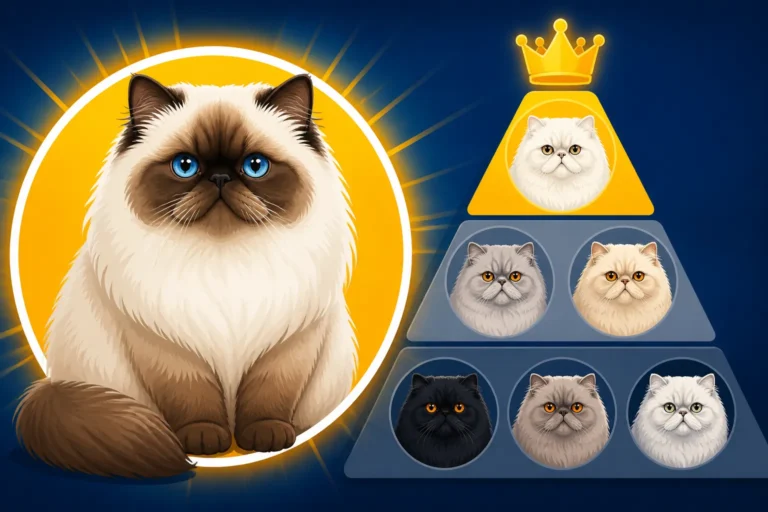
Even today, breeding between Persians and Himalayans is a recognized and sometimes necessary practice within the cat fancy, particularly in registries like the CFA (Cat Fanciers' Association) which categorize the Himalayan as a colorpoint division of the Persian breed. Why CFA Made the Himalayan a Persian Division in 1984 explains this historical decision. The primary reason for these crosses is to maintain and improve the health and conformational standards of the Himalayan. Persians offer a vast gene pool that can introduce new bloodlines, improve specific features like coat quality, eye size and placement, or head type, and help reduce inbreeding coefficients. By outcrossing a Himalayan to a carefully selected Persian, breeders can bring in desirable Persian traits and potentially enhance the overall vigor and genetic diversity of their Himalayan lines. However, when you breed a Himalayan to a non-pointed Persian, all the offspring will outwardly appear as full-colored Persians, but they will all carry the Himalayan gene. This is how "Himalayan carrier Persians" continue to be produced intentionally in responsible breeding programs. It's a strategic move to strengthen the breed, ensuring that the Himalayan retains the robust health and classic Persian characteristics that are so admired.
Identifying a Himalayan Carrier Persian
Given that a Himalayan carrier Persian looks exactly like a standard Persian, how on earth do breeders or owners know if their cat is carrying this hidden gene? It's not something you can discern by looking at their gorgeous coat or piercing eyes. Modern science, however, has given us the tools to peer into their genetic code.
Genetic Testing for the Pointed Gene
The most definitive way to identify a Himalayan carrier Persian is through genetic testing. There are readily available DNA tests that can determine whether a cat carries the recessive colorpoint gene. These tests are usually simple, non-invasive cheek swabs that can be performed by a veterinarian or even by the owner at home with a kit. The sample is then sent to a specialized feline genetics laboratory for analysis. The results will typically indicate one of three statuses:
- Non-carrier (CC): The cat has two copies of the dominant gene and will not pass on the colorpoint trait.
- Carrier (Cc): The cat has one copy of the dominant gene and one copy of the recessive colorpoint gene. It appears fully colored but can pass the colorpoint trait to its offspring.
- Affected/Himalayan (cc): The cat has two copies of the recessive colorpoint gene and will display the pointed pattern.
This information is invaluable for breeders, allowing them to make informed decisions about mating pairs and predict potential kitten outcomes. Knowing a cat's genetic status is a cornerstone of ethical and responsible breeding, helping to preserve the integrity and health of both Persian and Himalayan lines. Many breeders use services like those offered through veterinary diagnostics or even direct-to-consumer kits, which you might find on specialty pet supply sites like Chewy, making the process fairly accessible.
What a Pedigree Reveals or Hides
While genetic testing is the gold standard, a carefully maintained pedigree can offer clues, though it won't be definitive without testing of ancestors. A pedigree is essentially a family tree of your cat, detailing its lineage over several generations. If a Persian's pedigree shows Himalayan ancestors, or if it lists ancestors that are known carriers or have produced pointed kittens in previous litters, it's a strong indicator that the Persian itself might be a carrier.
However, a pedigree alone cannot prove carrier status. A Persian might have carrier ancestors far back in its line that were never tested, and the gene could have been passed down silently for generations, hidden by dominant genes. Conversely, a pedigree might not explicitly state "carrier" even if a cat's parents were tested, as this information might not always be recorded on standard registration papers. This is why combining pedigree research with actual genetic testing is the most comprehensive approach for any serious breeder or owner. It helps fill in the gaps that historical records might leave open, ensuring you know exactly what genetic potential lies within your beloved feline companion.
Breeding Implications of Carrier Persians
For serious breeders, understanding the implications of a Himalayan carrier Persian isn't just academic; it's a critical part of their breeding strategy and commitment to responsible animal husbandry. It directly impacts the health and phenotypic outcomes of future generations.
Responsible Breeding Practices
Responsible breeding begins with knowledge, and for Persians and Himalayans, that means knowing the genetic status of your breeding cats, especially regarding the colorpoint gene. If you have a Persian that tests positive as a Himalayan carrier (Cc), it means you have options, but also responsibilities. You could choose to breed this carrier Persian with another known carrier, but this carries a 25% chance of producing pointed Himalayans, a 50% chance of producing carrier Persians, and a 25% chance of producing non-carrier Persians. You could also breed the carrier Persian with a non-carrier Persian (CC), in which case all offspring will be Persians, but 50% will be carriers themselves. The safest and most ethical practice when aiming for non-pointed Persians is to only breed carriers with non-carriers, or ideally, to only use non-carrier cats in a program exclusively focused on solid Persians.
However, if a breeder is specifically trying to produce Himalayans, then pairing a carrier Persian with a Himalayan (cc) or two carrier Persians (Cc x Cc) becomes essential. This is how new genetic diversity can be introduced from the broader Persian gene pool while still producing pointed kittens. The key is to test all breeding stock to avoid any surprises and ensure transparency with potential kitten buyers. This foresight in planning helps prevent the spread of undesirable recessive traits and ensures the continued health and beauty of the breed.
Potential Outcomes of Matings
The genetic possibilities when breeding a Himalayan carrier Persian can be easily visualized using a Punnett Square, a simple diagram that helps predict the probability of offspring genotypes.
Let's look at the possible outcomes:
| Mating Pair | Phenotypes of Offspring | Genotypes of Offspring |
|---|---|---|
| Carrier Persian (Cc) x Non-Carrier Persian (CC) | All offspring are Persians; 50% are carriers, 50% are non-carriers. | 50% Cc, 50% CC |
| Carrier Persian (Cc) x Carrier Persian (Cc) | 75% Persians (25% non-carrier, 50% carrier); 25% Himalayans (cc). | 25% CC, 50% Cc, 25% cc |
| Carrier Persian (Cc) x Himalayan (cc) | 50% Persians (all carriers); 50% Himalayans. | 50% Cc, 50% cc |
| Himalayan (cc) x Himalayan (cc) | All offspring are Himalayans. | 100% cc |
This table clearly illustrates how crucial it is to know the genetic status of your breeding cats. Without this knowledge, you might accidentally breed two carrier Persians and be surprised by a litter of pointed kittens, or you might struggle to produce Himalayans if you're continually pairing a carrier with a non-carrier. Understanding these probabilities empowers breeders to make deliberate choices about which traits to emphasize and which to manage, contributing to the responsible advancement of both Persian and Himalayan lines. Whether Two Persians Can Produce a Himalayan becomes a lot clearer once you grasp these probabilities!
The Benefits of Knowing Your Cat's Genetic Status
Knowing whether your cat is a Himalayan carrier Persian isn't just for breeders. It offers profound benefits for any cat owner, providing clarity, guiding decisions, and fostering a deeper understanding of your beloved feline friend. It's about empowering you with information.
Informed Decisions for Future Litters
For those involved in breeding, the genetic test results for carrier status are, simply put, indispensable. It allows for truly informed decisions. Instead of playing a guessing game or hoping for certain outcomes, a breeder can meticulously plan pairings to achieve specific goals, whether that's to produce more Himalayans, maintain certain Persian lines without points, or introduce new genetic material without unintended consequences. This forethought minimizes the risk of producing kittens with undesirable traits and maximizes the chances of healthy, well-conformed, and true-to-type offspring. It also ensures that a breeder can confidently inform prospective buyers about the genetic background of their kittens, adding an extra layer of trust and transparency. This responsible approach helps to maintain the high standards that cat fancy associations, such as TICA (The International Cat Association) and CFA, advocate for.
Contributing to Breed Health
Beyond producing specific coat patterns, knowing carrier status is a vital step in contributing to the overall health of the breed. By carefully managing the presence of recessive genes, breeders can prevent the inadvertent spread of other, potentially harmful recessive traits that might be linked to certain lines. While the colorpoint gene itself is not a health concern, the practice of genetic testing encourages a broader awareness of feline genetics. This awareness helps breeders stay vigilant about other inherited conditions that may exist within a breed, such as Polycystic Kidney Disease (PKD) which is prevalent in Persian lines and thus, can affect Himalayans too. PKD1 Came Down the Persian Side of a Himalayan sheds light on this important health consideration.
By proactively testing and recording genetic information, breeders become guardians of the breed's future. They contribute to a healthier gene pool, allowing for genetic diversity while carefully managing inherited traits. This meticulous approach ensures that Himalayans and Persians continue to be cherished for their beauty and, most importantly, for their robust health, allowing these wonderful cats to live long, happy lives as beloved companions. Utilizing resources like veterinary advice and reputable online pet stores like Chewy for information on genetic testing and breed-specific health concerns further supports this commitment to health.
Disclaimer
This article is for general informational purposes only and does not constitute professional advice. Laws, prices and regulations vary by location and change over time. Consult a qualified professional for guidance on your specific situation.