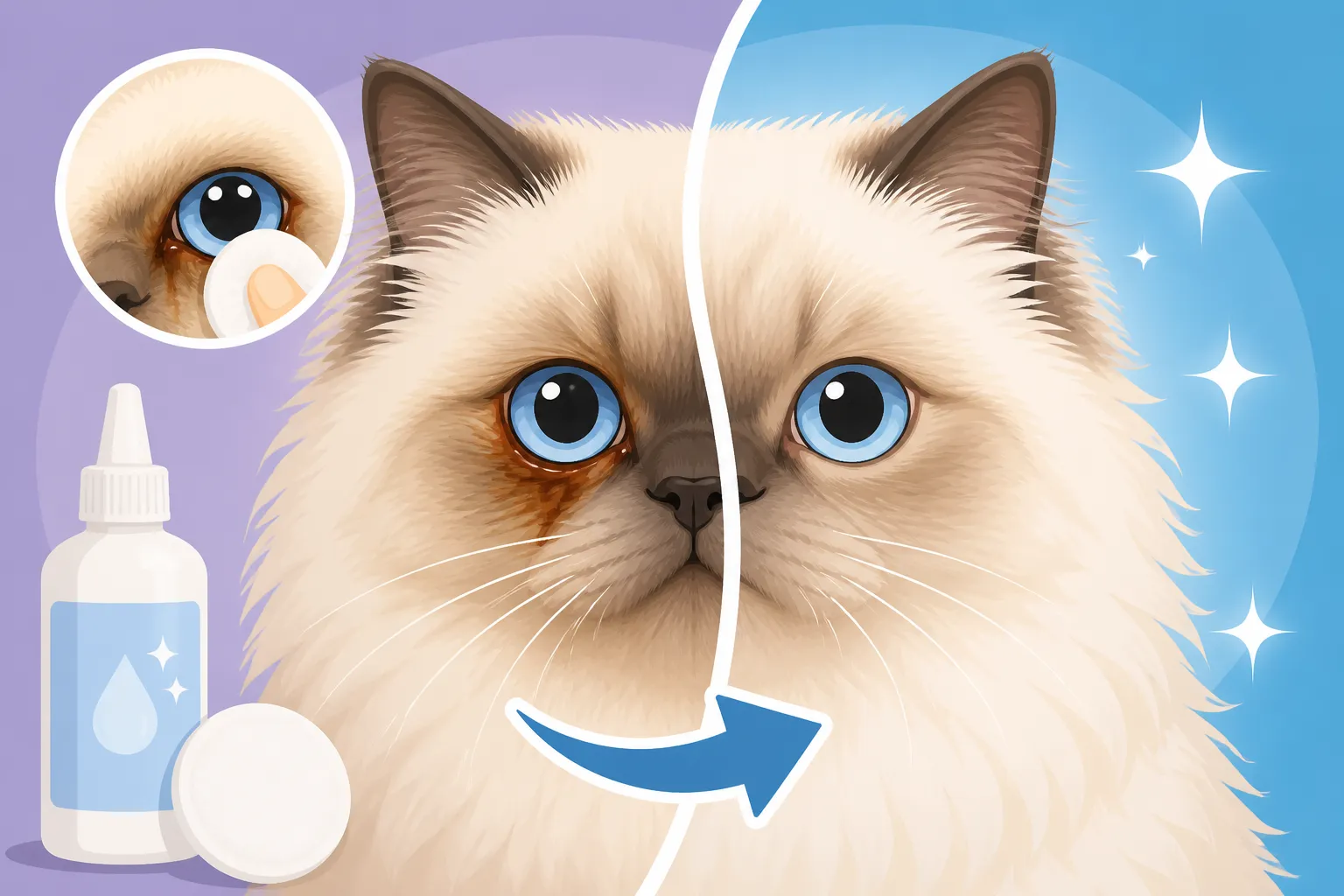
What Tear Stain Removers Do on a Pale Himalayan
If you're a Himalayan cat parent, you know the daily struggle of those tell-tale rust or reddish-brown streaks under your beloved furball's eyes. It’s frustrating to see, especially on a beautiful pale coat, making them look perpetually a little sad or unwell, even when they're perfectly fine. This guide is here to unravel the mystery of Himalayan tear stains and explore what tear stain removers truly accomplish, offering realistic expectations and practical advice to keep your cat's face looking its best.
Understanding the Root Cause of Himalayan Tear Stains
Before we dive into remedies, it’s crucial to understand why Himalayans are so prone to tear staining in the first place. It’s not just about aesthetics; it’s deeply rooted in their unique physiology and genetics.
Why Pale Himalayans Show Stains More Prominently
Let's be honest, those stunning cream, lilac, or blue point Himalayans are absolutely gorgeous, but their pale body coats act like a spotlight for any discoloration. A darker-coated cat might have the exact same amount of tear staining, but it would be far less noticeable against a seal point's darker fur or a solid Persian's deeper tones. On a pale Himalayan, every single reddish-brown streak, every subtle yellowing of the fur, stands out like a beacon. It’s not that they necessarily produce more tears than other cats, but rather that the pigment in their tears, combined with bacteria and yeast, creates a highly visible stain against their light-colored fur. It’s a cosmetic issue that can often lead owners to worry unnecessarily about their cat's health, simply because the evidence is so glaringly obvious.
Beyond just visibility, the chemistry of the stains themselves plays a role. The red-brown color you see is largely due to porphyrins, iron-containing molecules that are a byproduct of red blood cell breakdown and are excreted through tears, saliva, and urine. While all cats produce porphyrins, the pale coat of a Himalayan offers no camouflage. When these porphyrin-rich tears remain on the fur, they oxidize and darken, becoming even more prominent. Add to that the constant dampness, which creates a perfect breeding ground for yeast and bacteria, and you get a secondary staining effect, often with a reddish or brownish hue, that really cements those unsightly streaks.
The Anatomy of a Himalayan's Face and Tear Production
The adorable, flat face of a Himalayan, while undeniably charming, is also the primary culprit behind their tear staining woes. This brachycephalic (short-nosed) structure, inherited from their Persian lineage, means they have a shallower orbit for their eyes, leading to a host of unique challenges. Their eyes tend to protrude slightly, making them more exposed to irritants like dust, allergens, and even air currents. This increased exposure can lead to constant, mild irritation, prompting the eyes to produce more tears as a natural defense mechanism. It's an endless cycle: more exposure, more irritation, more tears, more staining.
Furthermore, the structure of their tear ducts is often compromised. While a regular cat's tear ducts efficiently drain tears away from the eye and into the nasal cavity, a Himalayan's flattened facial structure can mean kinked, narrowed, or even blocked tear ducts. The tears simply don't have a clear path to drain internally, so they overflow onto the face. This constant overflow is medically known as epiphora. Imagine a gutter system on a house that's perpetually clogged – the water just spills over the sides. That's essentially what's happening on your Himalayan's face. Sometimes, the issue isn't just the tear ducts themselves, but the way the eyelids sit. For a deeper dive into why those eyes water so much, check out Why a Himalayan's Eyes Water All Day. In some cases, the problem can be more severe, such as when the eyelids roll inward, causing irritation; you can learn more about this condition in What Entropion Does to a Himalayan's Blue Eye.
Distinguishing Normal Staining from Infection
It's easy to look at a stained Himalayan face and assume the worst, but not all tear staining signifies an infection. Many Himalayans, especially those with more extreme flat faces, will have some degree of tear staining simply due to their anatomy. This "normal" staining is primarily the result of porphyrins and the consistent overflow of tears. The color is typically a reddish-brown, and while the area might be damp, it generally won't be inflamed, swollen, or have a foul odor. The cat usually doesn't show signs of discomfort, like squinting, rubbing its eyes excessively, or being sensitive to light.
However, sometimes tear staining can be a symptom of a more serious underlying issue, such as a bacterial or yeast infection, allergies, corneal ulcers, or even structural problems with the eye or eyelid. If you notice a sudden increase in tear production, a change in the color or consistency of the discharge (greenish, yellowish, thick), excessive redness or swelling around the eyes, squinting, pawing at the face, or a truly unpleasant odor, it's time for a vet visit. These are red flags that indicate something more than just cosmetic staining. A vet can properly diagnose the cause and recommend appropriate treatment, which might include antibiotics, anti-inflammatory medications, or even surgical correction in some cases. It's critical to know the difference between a minor cosmetic concern and a genuine health problem. For help telling the difference, refer to Telling Ordinary Himalayan Tear Staining From an Infection.
The Science Behind Tear Stain Removers
Now that we understand why Himalayans get those pesky stains, let's explore what tear stain removers are designed to do and how they claim to work their magic.
How Different Types of Removers Claim to Work
Tear stain removers generally fall into a few categories, each with a slightly different approach to tackling those unsightly marks. Most topical removers work by either oxidizing the porphyrin pigment or by creating an environment less hospitable to the bacteria and yeast that contribute to the secondary staining. Think of it like a bleaching agent (though often much milder and safer for pets) that lightens the existing stains on the fur. Ingredients like boric acid, hydrogen peroxide (in very diluted, pet-safe forms), or colloidal silver are common in these topical solutions, aiming to break down the porphyrin compounds that cause the reddish-brown discoloration. They don't stop the tears from flowing, but they try to erase the evidence.
Then there are enzymatic cleaners, which contain specific enzymes designed to break down the organic matter in the tears, including proteins and lipids, preventing them from adhering to the fur and causing discoloration. Some removers also contain mild astringents, which help to dry the area, reducing the dampness that encourages bacterial and yeast growth. The idea here is multi-pronged: address the pigment, eliminate the food source for microbes, and keep the area dry. It’s a chemical battle against the visible symptoms, rather than a solution to the underlying overproduction of tears.
The Role of Active Ingredients and Their Effectiveness
The effectiveness of a tear stain remover largely hinges on its active ingredients. Many over-the-counter topical solutions contain ingredients like witch hazel, boric acid, or mild cleansing agents that help to clean the fur and reduce the appearance of stains. These work by gently exfoliating or oxidizing the stained fur, much like a mild cosmetic bleach. They can be quite effective for surface-level staining and for regular maintenance. For example, some popular brands available on Chewy or Amazon often feature formulations with these gentler components.
However, a more controversial category involves oral supplements that, in the past, sometimes contained antibiotics like Tylosin. The theory was that these antibiotics would combat the bacteria (specifically red yeast, which is a misnomer, it's usually Malassezia yeast or various bacteria) thought to cause the reddish staining. While they often did reduce staining, this approach raised significant concerns among veterinarians about contributing to antibiotic resistance, as these were often used long-term for a cosmetic issue rather than a diagnosed infection. Many regulatory bodies have now cracked down on the inclusion of antibiotics in non-prescription tear stain removers, making them much harder to find. Always be cautious and consult your vet before using any product, especially oral supplements, that claim to clear stains, as some ingredients might not be safe or appropriate for long-term use.
Why Tear Stain Removers Aren't Always a Miracle Cure
It’s tempting to hope for a magic bullet, a product that will make those tear stains vanish forever with minimal effort. Unfortunately, for most Himalayan owners, tear stain removers are rarely a miracle cure. Here’s why: they primarily address the symptom – the visible stain – rather than the cause – the excessive tearing or inefficient drainage. If your Himalayan's tear ducts are constantly overflowing due to their unique facial structure, no amount of topical application will stop that overflow. The tears will continue to moisten the fur, and the porphyrins will continue to be deposited.
Think of it like trying to stop a leaky faucet by constantly wiping up the puddle on the floor instead of fixing the faucet itself. You might keep the floor dry, but the water is still leaking. For many Himalayans, especially those with very pronounced brachycephalic features, consistent tearing is a lifelong reality. Tear stain removers become part of a regular maintenance routine, a tool in your arsenal, but not a permanent solution that eradicates the problem entirely. They require dedication, consistency, and realistic expectations. If you're looking for a quick fix, you're likely to be disappointed.
Types of Tear Stain Removers and Their Application
With a better understanding of how these products work (or don't work entirely), let's look at the different forms they come in and how you might use them with your Himalayan.
Topical Wipes and Solutions
Topical wipes and solutions are probably the most common and user-friendly type of tear stain remover. They're designed for direct application to the stained fur around your cat's eyes. Wipes are pre-moistened pads, often infused with gentle cleansing agents, mild astringents, or oxidation-reducing ingredients. They offer convenience – just grab one and wipe. Solutions, on the other hand, usually come in a bottle and require you to apply them to a cotton pad or soft cloth before gently wiping the affected area.
The biggest advantage of topical products is their targeted action. You're treating the precise area where the stains are visible. They're generally considered safer than oral supplements, as they don't involve systemic absorption of ingredients. However, extreme care must always be taken to avoid getting any product into your cat's eyes, as this can cause irritation or even damage. Always read the label carefully for specific instructions and warnings. Many popular options can be found easily online from retailers like Chewy or Amazon, offering a range of formulations. For tips on choosing safe options, refer to Which Wipes Are Safe Around a Himalayan's Blue Eyes. You'll need to use these regularly, often daily, for sustained results. Consistency is absolutely key here; a missed day can mean the stains quickly return to their former glory.
Oral Supplements and Food Additives
Oral supplements and food additives approach tear staining from the inside out. Instead of cleaning the fur, these products aim to alter your cat's internal chemistry, theoretically reducing the porphyrin content in tears or creating an environment where bacteria and yeast are less likely to thrive. Some supplements contain probiotics, digestive enzymes, or ingredients like cranberry extract, which are thought to support overall health and reduce inflammation or bacterial overgrowth. Another common ingredient might be herbs or vitamins that support tear duct health or reduce oxidative stress.
As mentioned earlier, historically, some oral supplements contained antibiotics. However, due to concerns about antibiotic resistance, these are largely (and rightfully) no longer available without a veterinary prescription. If you encounter an oral product that promises dramatic results, especially if it's not from a reputable brand or a veterinary source, proceed with extreme caution. The efficacy of many non-antibiotic oral supplements for tear stains is often anecdotal, with limited scientific backing. While they might work for some cats, they are not a guaranteed fix for all. It's crucial to discuss any oral supplement with your veterinarian before giving it to your Himalayan, especially given their unique health considerations. Your vet can advise on potential interactions, side effects, and whether the ingredients are genuinely safe and beneficial. For a deeper dive into whether these internal supplements actually do anything, read Whether Any Supplement Stops a Himalayan Staining.
Special Shampoos and Face Washes
For Himalayans with more extensive staining, or those who are due for a bath, special shampoos and face washes can be a helpful tool. These products are designed to be gently massaged into the stained areas, allowed to sit for a short period, and then rinsed thoroughly. Unlike topical wipes or solutions that target localized spots, a face wash or shampoo can help to clean a broader area of fur, reducing overall discoloration and improving the appearance of the entire face and ruff.
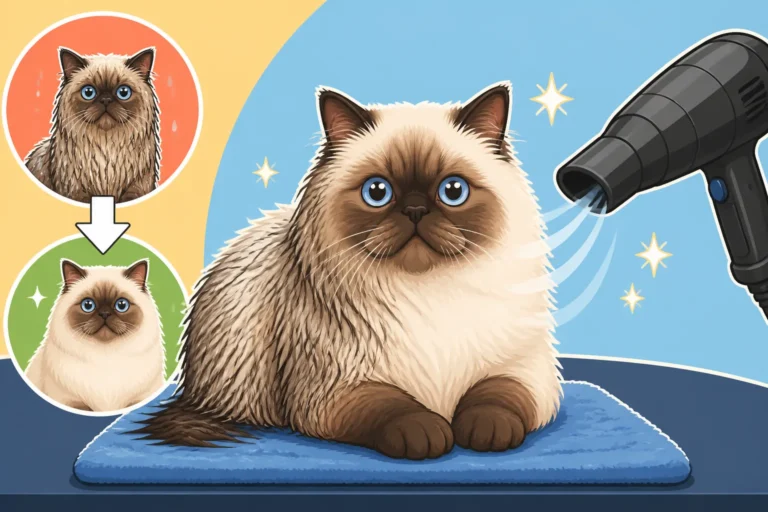
These shampoos often contain similar gentle cleansing agents, mild exfoliants, or natural brighteners found in topical solutions, but in a formulation suitable for washing. When choosing one, look for products specifically designed for cats, preferably "tear-free" or "hypoallergenic," to minimize the risk of irritation if it accidentally gets into their eyes. Always ensure a complete rinse to prevent residue buildup, which can irritate the skin and even attract more dirt. While these aren't an everyday solution, they can be excellent for periodic deep cleaning, especially if your Himalayan's staining is severe or widespread. You can often find reputable pet-specific face washes on sites like Chewy or Amazon. Remember, bathing a Himalayan needs to be done with extreme care to ensure their long, dense coat is dried thoroughly, which can be a lengthy process.
Practical Application and Safety Considerations
Knowing what tear stain removers are is one thing; knowing how to use them safely and effectively is another entirely. This is where the rubber meets the road for Himalayan owners.
A Step-by-Step Guide to Applying Topical Removers
Applying topical tear stain removers requires a gentle touch and a steady hand, especially with a squirmy cat. Here's a step-by-step approach to make it as smooth as possible:
- Gather Your Supplies: Have everything ready before you start: the tear stain remover (wipes or solution with cotton pads), a soft, dry cloth, and maybe a few treats for positive reinforcement.
- Choose the Right Time: Pick a moment when your Himalayan is relaxed, perhaps after a nap or a meal. Avoid times when they're playful or stressed.
- Position Your Cat: Gently hold your cat on your lap or on a secure surface. Speak to them in a calm, soothing voice. If you have a second person, they can help by gently holding your cat's body or distracting them.
- Prepare the Applicator: If using a solution, moisten a fresh cotton pad. If using a wipe, simply unfold it. Don't oversaturate; you want it damp, not dripping.
- Clean the Area: Gently wipe away from the eye, starting from the inner corner and moving outwards. Use a fresh part of the wipe or a new cotton pad for each eye to prevent cross-contamination if one eye has an infection. Be incredibly careful not to touch the eyeball itself. Focus on the stained fur below the eye.
- Be Thorough but Gentle: Work systematically to clean all the stained fur. You may need to use multiple wipes or pads if the staining is heavy. Don't rub aggressively, as this can irritate the delicate skin.
- Dry the Area: After cleaning, use a soft, dry cloth or tissue to gently blot the area dry. Leaving the fur damp can counteract your efforts and encourage further bacterial/yeast growth.
- Reward and Praise: Finish with praise, cuddles, and a treat. You want your cat to associate this routine with positive experiences.
Consistency is paramount. For best results, this routine often needs to be done daily, sometimes even twice a day, especially when initially trying to get the stains under control. Starting this process early, when they're kittens, can make a huge difference in their acceptance. For tips on early training, refer to Starting Face Wiping With a Himalayan Kitten.
Potential Side Effects and Precautions
While generally safe when used correctly, tear stain removers can have side effects if not handled with care. The most common issue is eye irritation if the product accidentally gets into your cat's eyes. This can manifest as redness, squinting, excessive blinking, or pawing at the face. If this happens, immediately flush the eye with a sterile saline solution (the kind used for contact lenses, not contact lens cleaner) and consult your vet. Eye injuries, especially to a Himalayan's exposed blue eyes, can be very serious and need immediate attention. Why a Himalayan's Eye Injury Cannot Wait Until Monday explains the urgency.
Another concern is skin irritation or allergic reactions to specific ingredients. Always do a patch test on a small, less visible area of fur first if your cat has sensitive skin. Watch for redness, itching, or swelling. Discontinue use if any adverse reaction occurs. For oral supplements, the risks can be more systemic, ranging from digestive upset (vomiting, diarrhea) to more serious health concerns depending on the ingredients. This is why veterinary consultation before starting any oral supplement is non-negotiable.
Finally, a major precaution with historical antibiotic-containing removers (though now rare) was the concern for antibiotic resistance. Using antibiotics for cosmetic purposes contributed to a global health problem where bacteria become resistant to life-saving medications. Always verify that any product you use is free from antibiotics unless prescribed by a vet for a diagnosed infection. Always prioritize your cat's health and safety over purely cosmetic concerns.
Integrating Tear Stain Removal into Your Himalayan's Daily Routine
For many Himalayan owners, managing tear stains isn't a one-off event; it's an ongoing commitment. The most effective way to keep those stains at bay is to make tear stain removal a consistent part of your cat's daily care routine. Just like daily combing to prevent mats in their glorious Persian coat, daily face cleaning is essential.
Think of it as part of their morning regimen, perhaps right after breakfast or when they've settled down for their first nap of the day. Consistency creates a habit, not just for you, but for your cat. The more routinely you perform the task, the more accustomed and even accepting your Himalayan will become. Gentle handling, a calm demeanor, and positive reinforcement (those beloved treats!) will go a long way in making this a stress-free experience for both of you. Over time, it will become just another part of your bond. Remember, a quick daily wipe is far more effective and less traumatic than trying to scrub away weeks of built-up, crusty stains. You can learn more about the daily dedication required by reading How Long a Himalayan's Face Routine Takes and The Morning Face Routine Every Himalayan Needs. It's a small investment of time each day that yields significant rewards in terms of cleanliness and your cat's overall well-being.
Beyond Removers: Holistic Approaches to Managing Tear Stains
While tear stain removers can be a valuable tool, they are just one piece of the puzzle. A truly holistic approach looks at diet, environment, and veterinary care to tackle the problem from all angles.
Dietary Adjustments and Water Quality
What your Himalayan eats and drinks can have a surprisingly significant impact on their tear staining. Some experts believe that certain ingredients in cat food can contribute to inflammation or excessive porphyrin production, leading to more pronounced staining. While there's no universally agreed-upon "anti-stain" diet, some owners report improvements when switching to grain-free foods, limited-ingredient diets, or those with fewer artificial colors and preservatives. The idea is to reduce potential allergens or irritants that might be causing a low-grade inflammatory response, leading to more tearing. It's not a guaranteed fix, but it's an area worth exploring with your vet or a pet nutritionist.
Water quality also plays a role. Tap water, especially if it's high in minerals or chlorine, can potentially contribute to staining. Minerals can deposit on the fur, and chlorine might act as an irritant. Many Himalayan owners find that offering filtered water or distilled water reduces staining over time. It's a simple change that can sometimes make a noticeable difference, particularly for Why Water Matters More in a Himalayan Carrying Cysts. Stainless steel or ceramic bowls are also recommended over plastic, as plastic bowls can harbor bacteria and absorb odors, potentially contributing to facial irritation and staining. For more information on dietary influences, read Which Foods Darken a Himalayan's Tear Tracks.
Environmental Factors and Regular Grooming
Your Himalayan's environment is another key area to consider. Dust, pollen, household cleaners, air fresheners, and even certain types of litter can act as irritants, causing your cat's eyes to water more. Keeping your home as clean and dust-free as possible, using air purifiers, and opting for unscented, low-dust litter can all help minimize environmental triggers. Avoid smoking near your cat, and be mindful of burning candles or using strong chemical cleaners in their living spaces.
Beyond environmental cleanliness, regular grooming, distinct from applying removers, is crucial. Daily combing, as you already know, is non-negotiable for that magnificent Persian coat. But specifically for the face, beyond stain removers, simply keeping the fur around the eyes trimmed can make a huge difference. Long fur can wick tears onto the face, trap moisture, and provide a breeding ground for bacteria. A skilled groomer or your vet can carefully trim the hair in this delicate area. Additionally, ensuring their food and water bowls are shallow and wide to prevent their flat face and long ruff from getting constantly wet and dirty helps immensely. All these small efforts contribute to keeping your pale Himalayan looking clean and pristine. To maintain that pristine look on pale coats, insights from How to Keep a Cream Point Himalayan Looking Clean can be very helpful.
Veterinary Interventions for Persistent Issues
If you've tried all the at-home remedies and preventive measures, and your Himalayan's tear staining persists or worsens, it's definitely time to involve your veterinarian. Sometimes, the problem is more than cosmetic or environmental; it's a structural or medical issue that requires professional intervention. Your vet can perform a thorough eye exam to rule out underlying health problems like allergies, infections, corneal abrasions, or even more serious conditions.
One common veterinary intervention for persistent epiphora in flat-faced breeds like Himalayans is flushing the tear ducts. This procedure involves gently irrigating the tear ducts to clear any blockages or narrowings, allowing tears to drain properly. While it can offer temporary relief, it may need to be repeated, as the anatomical predispositions remain. To understand what this procedure entails, see Whether Flushing a Himalayan's Tear Ducts Achieves Anything. In cases where entropion (inward-rolling eyelids) is the cause of irritation and excessive tearing, surgical correction might be recommended. This is a more definitive solution that addresses the root anatomical problem. Your vet is your best partner in navigating these more complex issues, providing accurate diagnoses and recommending the most appropriate and safe course of action for your beloved Himalayan.
| Remover Type | Pros | Cons | Best Use Case |
|---|---|---|---|
| Topical Wipes/Solutions | Easy to use, targeted, generally safe for external use | Requires daily consistency, can irritate eyes if misused | Daily maintenance, mild to moderate staining |
| Oral Supplements | Works internally, less frequent application | Efficacy varies, potential side effects, vet consultation needed | Chronic staining, if topical methods are insufficient |
| Special Shampoos/Face Washes | Deep cleaning for extensive staining, gentle formulation | Not for daily use, requires thorough rinsing and drying | Periodic deep cleaning, severe widespread staining |
Disclaimer
This article is for general informational purposes only and does not constitute professional advice. Laws, prices and regulations vary by location and change over time. Consult a qualified professional for guidance on your specific situation.