Why a Short Legged Himalayan Needs a Low Sided Box
If you've ever watched your beautiful Himalayan cat struggle to hoist themselves over the high lip of a standard litter box, you know the quiet frustration. It’s not just about finding a box that looks good in your home; it's about providing an essential comfort for a breed with a very specific physical build. Their unique, cobby body and those charmingly short legs mean that what works for most cats simply won't do for your Himmy. This guide is all about why a low-sided litter box isn't just a convenience for your Himalayan, but a crucial component of their long-term health and happiness, helping them maintain dignity and preventing common issues associated with difficult access.
Understanding the Himalayan Physique and Its Impact on Mobility
Himalayan cats are undeniably striking, with their plush coats, deep blue eyes, and distinctive color points. But beyond their beauty lies a physical structure that requires a bit more thought when it comes to their daily environment, especially something as fundamental as their litter box.
The 'Cobby' Body and Short Legs
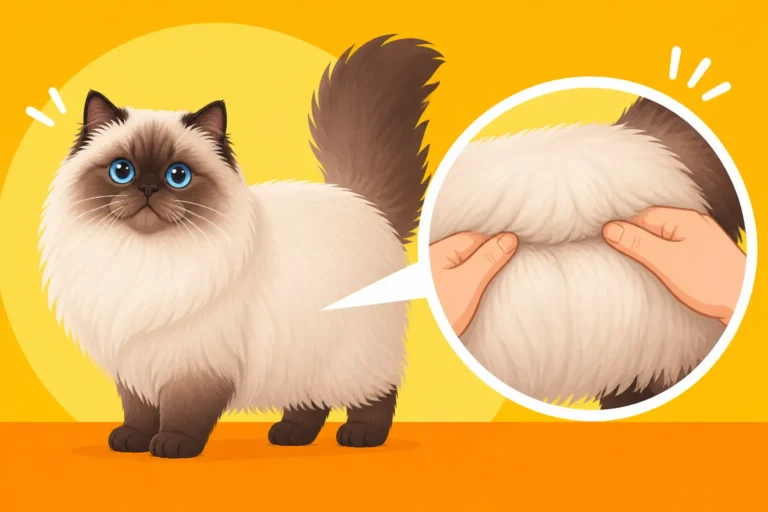
Our beloved Himalayans inherit their robust, "cobby" body type and short, sturdy legs primarily from their Persian ancestry. This isn't a flaw; it's a defining characteristic of the breed, giving them that adorable, compact appearance we all love. Unlike the lean, athletic build of, say, a Siamese – the other half of their genetic makeup – a Himalayan is built low to the ground, with a broad chest and a dense bone structure. Their legs are proportionally short, designed for a more leisurely pace rather than high jumps or agile maneuvers.
Think about it: a cat with longer legs can easily bound over obstacles, but for a Himalayan, even a moderate height can present a real challenge. They aren't built for vertical leaps; they're built for luxurious lounging on soft cushions. This means that every step, especially a high one, requires more effort and places greater strain on their joints and musculature. It’s not that they can’t eventually get into a high-sided box, but the sheer physical exertion involved is disproportionate to their natural movement patterns.
The Importance of Joint Health
Given their cobby build and short legs, a Himalayan's joints are already working hard just to support their substantial, well-muscled body. Repeatedly having to lift their full weight and stretch their short legs high to step over a tall litter box wall can put undue stress on their hips, knees, and spine. This is a particular concern as our Himmies age. Just like humans, cats can develop arthritis, and for a breed already predisposed to a more sedentary lifestyle, adding extra joint strain throughout their younger and middle years can exacerbate these issues later on.
Imagine having to climb a small fence multiple times a day just to use the bathroom. Over years, that constant effort would take its toll on your knees and back. It's no different for our cats. Protecting their joints from unnecessary wear and tear is a proactive step in ensuring they remain comfortable and mobile well into their golden years. We want them to enjoy their favorite sunbeams and gentle play without stiffness or pain, and proper litter box access is a surprisingly significant part of that preventative care. How Arthritis Shows in a Himalayan That Never Jumped sheds more light on this important topic.
Impact on Agility and Balance
Beyond just strength and joint health, a Himalayan's physique also influences their overall agility and balance. Their broad, cobby frame means they have a lower center of gravity compared to a lithe, athletic breed. While this might make them incredibly stable when sitting regally on their favorite armchair, it means they're not designed for acrobatic feats. They don't typically spring into action with the same explosive energy as a Siamese or a Bengal.
A high-sided litter box can become a tricky navigation course for them. Attempting to step over a tall wall might lead to an awkward stretch, a wobble, or even a tumble, especially if they're rushing or if the litter inside shifts. This isn't just about physical injury; it can also create a sense of insecurity or discomfort around their most private space, which can have behavioral consequences we’ll discuss shortly. Providing a stable, easy-to-access environment respects their natural physical limitations and ensures they feel secure and confident using their litter facilities. Why a Cobby Himalayan Needs Wide Platforms, Not Tall Ones offers a similar perspective on how their build affects their ability to navigate vertical spaces.
The Challenges of a High-Sided Litter Box for Himalayans
While a high-sided litter box might seem like a good idea for containing litter scatter, for a Himalayan, it often creates more problems than it solves. It's a classic case of human convenience conflicting with feline biology.
Difficulty Entering and Exiting
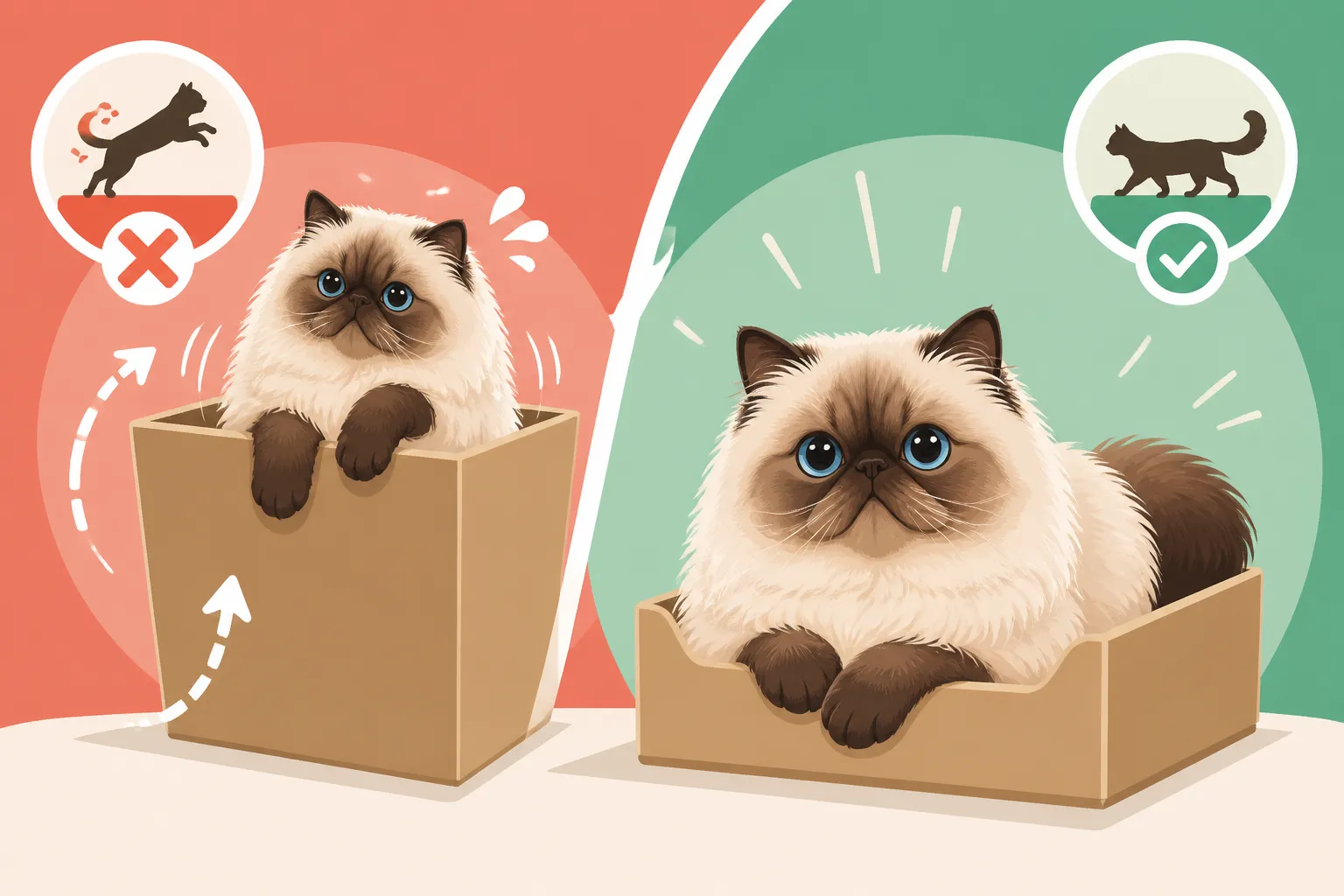
The most immediate and obvious challenge for a short-legged Himalayan is simply getting into and out of a litter box with tall walls. Picture your Himmy approaching the box, maybe needing to relieve themselves, and then being met with a wall that seems to rise almost to their chest. They'll have to stretch, perhaps place their front paws on the rim, and then heave their entire body over. This isn't a graceful hop; it's a deliberate, often awkward, and sometimes precarious maneuver.
For a young, spry Himalayan, this might just be a minor annoyance. But over time, or for a cat that's less athletic, this effort can become significant. They might struggle, slip, or even fall, which can lead to a negative association with the litter box itself. Imagine feeling rushed or uncomfortable every time you had to go to the bathroom. It's not a pleasant thought, and it can certainly impact a cat's willingness to use their designated spot. This isn't just about physical strain; it's about the mental burden of an unnecessarily challenging daily task.
Risk of Accidents Outside the Box
When a cat finds their litter box consistently difficult or uncomfortable to use, they might start seeking alternatives. This is where those dreaded "accidents" outside the box come into play. It's rarely out of spite; it's almost always a signal that something isn't right with their environment. For a Himalayan, if the high-sided litter box presents too much of a hurdle, they might start looking for an easier, more accessible spot. This could be a bath mat, a soft rug, or even a cooler, tiled floor.
These accidents are incredibly frustrating for owners, but it's vital to remember the cat's perspective. They're not being "bad"; they're simply trying to meet a basic biological need in the most comfortable way possible. A difficult-to-access litter box can be a prime culprit in these situations. Addressing the physical barrier by providing a low-sided box can often resolve inappropriate elimination behaviors, saving you cleaning time and saving your cat from unnecessary stress. It really comes down to offering them a solution that works with their body, not against it.
Increased Strain on Joints and Back
We touched on joint health earlier, but it bears repeating: the cumulative effect of repeatedly scaling a high litter box can have serious long-term consequences for your Himalayan. Each time they hoist themselves over that wall, there's a jolt to their joints and a twist to their spine. Over months and years, this constant, repetitive strain can contribute to or worsen conditions like arthritis, particularly in their hips and lower back. Even if your Himmy doesn't display overt lameness, they might experience chronic discomfort, reduced mobility, or reluctance to engage in play.
This is especially crucial as Himalayans move into their senior years. What Goes First in a Himalayan Past Twelve often includes a decline in mobility and an increase in joint stiffness. A high-sided box becomes not just difficult, but potentially painful and debilitating for an older cat. By choosing a low-sided option from the start, you're investing in your cat's future comfort and mobility, helping them avoid unnecessary pain and maintain their quality of life. Think of it as preventative care that costs far less than future vet bills for joint pain management. Why an Overweight Himalayan Cannot Reach Its Britches also touches on mobility challenges, as extra weight can amplify the difficulty of navigating a high-sided box.
The Benefits of a Low-Sided Litter Box for Your Himalayan
Making the switch to a low-sided litter box might seem like a small change, but for your Himalayan, it can lead to a significant improvement in their daily life. It’s about creating an environment that caters to their specific needs, ensuring comfort and promoting healthy habits.
Easy Access and Reduced Strain
The primary and most impactful benefit of a low-sided litter box is, quite simply, ease of access. Imagine a seamless, effortless entry and exit every single time your Himalayan needs to use it. No more awkward stretches, no more struggling to clamber over a high barrier. They can simply step in and out with grace and comfort. This dramatically reduces the physical strain on their short legs, hips, and back, preventing the repetitive stress that can lead to long-term joint issues.
This ease of use isn't just about preventing physical problems; it's about improving their overall quality of life. When a basic necessity like using the litter box becomes comfortable and stress-free, your cat is happier and more confident. It means they won't hesitate to use the box when nature calls, contributing to better bladder and bowel health. It's a small adjustment that makes a monumental difference in their daily comfort and well-being, fostering a positive relationship with their personal facilities.
Promoting Proper Elimination Habits
Cats are creatures of habit and comfort, and when their litter box environment is optimal, they are far more likely to consistently use it for elimination. A low-sided box that is easy for a Himalayan to get into and out of removes a significant barrier to proper litter box etiquette. When the box is accessible and inviting, your cat develops a positive association with it, reinforcing the desired behavior.
Conversely, if the litter box is a struggle, they might start holding it, leading to potential health issues like urinary tract infections or constipation, or they might seek out alternative, less appropriate spots around the house. By providing an easy-to-use, low-sided option, you are proactively encouraging proper elimination habits and reducing the likelihood of accidents or behavioral problems. It's a foundational step in maintaining a harmonious household and a healthy cat.
Supporting Senior and Special Needs Himalayans
While beneficial for all Himalayans, a low-sided litter box becomes absolutely essential for senior cats or those with special needs. As Himalayans age, many experience a natural decline in mobility, often accompanied by arthritis, muscle weakness, or other age-related conditions. For these cats, even a slight elevation can become an insurmountable barrier. An old Himmy with stiff joints might simply refuse to attempt a high climb, leading to accidents or prolonged discomfort.
Similarly, a Himalayan recovering from surgery, managing a chronic illness, or dealing with any form of physical limitation will find a low-sided box to be a lifeline. It allows them to maintain their independence and dignity during a time when their physical capabilities are compromised. Investing in a low-sided box from the beginning ensures that as your Himalayan gracefully ages or faces unexpected health challenges, their most basic needs are met with ease and compassion. It’s a crucial adaptation that speaks volumes about your care for their well-being.
Choosing the Right Low-Sided Litter Box
With the understanding of why a low-sided box is vital, the next step is knowing what to look for. Not all low-sided boxes are created equal, and a few key features can make all the difference for your Himalayan.
Ideal Height and Dimensions
When we talk about "low-sided," what does that actually mean? For a Himalayan, an ideal entry height is typically between 3 to 5 inches. This allows them to simply walk in or take a minimal step, rather than a significant climb. You'll find many options marketed as "senior cat litter boxes" or "disabled pet litter boxes" that fit this criteria, and these are perfect for Himalayans of all ages.
Beyond height, consider the overall dimensions. Himalayans are cobby, but they are also quite robust cats, often weighing more than other breeds. They need ample space inside the box to turn around comfortably, dig, and position themselves without feeling cramped. A generous width and length will prevent them from accidentally stepping outside the box while trying to maneuver. For instance, a box that measures roughly 20-24 inches long by 15-18 inches wide with the low entry will generally provide sufficient space for a full-grown Himalayan to move freely. Remember, How Big a Box a Cobby Himalayan Needs isn't just about overall size, but also the ease of access into that space.
Material and Design Considerations
Litter boxes come in various materials and designs, each with its own pros and cons. Most common are plastic boxes, which are lightweight and affordable. When choosing plastic, look for sturdy, thick plastic that won't crack easily and has a smooth interior for easy cleaning. Stainless steel options are becoming more popular, and for good reason: they are incredibly durable, naturally odor-resistant, and very easy to sanitize, though they come at a higher price point.
In terms of design, an open-top box is almost always the best choice for a Himalayan. While covered boxes might appeal to our aesthetic sensibilities or offer perceived privacy, they can trap odors and humidity, which can be unpleasant for any cat. More importantly, the restricted airflow inside a covered box can be problematic for a flat-faced breed like the Himalayan, who might already have some respiratory sensitivities or snore louder than their Siamese ancestors, as discussed in Why a Himalayan Snores Louder Than Its Siamese Ancestors. Open boxes provide better ventilation, making the experience more comfortable for them. Some low-sided boxes also feature one side that is significantly lower than the others, offering a ramp-like entry, which is ideal. You can find a wide variety of these options on platforms like Chewy or Amazon, making it easy to compare features and read reviews.
Placement and Maintenance Tips
Even the perfect litter box can be rendered useless if it's not placed correctly or maintained poorly. For your Himalayan, choose a quiet, easily accessible location. Avoid high-traffic areas, loud appliances, or places where they might feel trapped. Your Himmy prefers a serene spot where they can do their business in peace. If you have multiple cats, the general rule of thumb is one box per cat, plus one extra, spread throughout the house.
Regular maintenance is paramount, regardless of the box type. Scoop the litter at least once, preferably twice, daily. Cats are fastidious creatures, and a dirty box, even if easy to enter, can still deter them. Perform a full litter change and wash the box thoroughly with unscented soap and water weekly or bi-weekly. Remember that Himalayans track litter easily due to their long coats, so choose a low-dust litter and consider placing a good litter mat around the box. How Much Litter One Himalayan Gets Through can be substantial, so efficient cleaning is key. Ensuring consistent cleanliness will keep the box inviting and reduce any potential for inappropriate elimination.
Addressing Common Concerns with Low-Sided Boxes
While low-sided litter boxes offer immense benefits for Himalayans, it's fair to acknowledge that they can come with a few challenges. Thankfully, most of these concerns have straightforward solutions that allow you to enjoy the advantages without the drawbacks.
Litter Scatter and Tracking
This is hands-down the most common concern owners have when switching to a low-sided litter box. It’s true: with a lower entry point, there’s a greater chance of litter being kicked out during digging or sticking to your Himalayan’s glorious long coat as they exit. No one wants litter scattered across their floor! However, this doesn't mean you have to sacrifice your cat's comfort for a clean house.
There are several effective strategies to minimize scatter. Firstly, invest in a high-quality litter mat. Look for textured mats that are designed to catch and trap litter from paws as your cat steps out. Secondly, consider the type of litter you're using. Many owners find that heavier, less dusty litters or pellet-style litters track less than fine-grain clay varieties. Thirdly, while the entry side should be low, you can find boxes that have slightly higher walls on the other three sides, offering a compromise between accessibility and containment. Finally, regular, gentle trimming of the fur around your Himalayan’s paws and britches can significantly reduce tracking, as less fur means fewer surfaces for litter to cling to.
Privacy and Odor Control
Another concern for some owners is that an open, low-sided box offers less privacy for the cat and potentially less odor control for the human nose. It's a valid point, but again, there are excellent workarounds. Regarding privacy, many cats actually prefer an open box; they feel safer knowing their surroundings and having multiple escape routes, rather than being confined. If your cat genuinely seems to prefer a secluded spot, consider placing the low-sided box within a dedicated piece of litter box furniture. These enclosures often have large openings, allowing for easy access while still offering a sense of privacy and camouflaging the box itself. Just ensure the opening is large enough for your Himmy to comfortably navigate.
For odor control, the best defense is always a good offense: scoop frequently! Daily, if not twice daily, scooping is the single most effective way to control odors. Beyond that, choosing a high-quality, clumping litter with good odor absorption properties is key. Baking soda sprinkled at the bottom of the box before adding litter can also help neutralize smells. Ensure the room where the litter box is located is well-ventilated. Many excellent odor control products are available, including sprays and granules, which can be found on Chewy or Amazon, but these should always be used in conjunction with a clean box, not as a substitute for it.
Transitioning Your Himalayan to a New Box
Cats are creatures of routine, and introducing a new litter box, even a better one, can sometimes be met with skepticism. The key is a gradual and positive transition. Don't just swap out the old box for the new one overnight. Instead, place the new, low-sided box right next to the old, high-sided one. Fill the new box with the same type of litter your Himalayan is currently using to maintain familiarity.
You can even "seed" the new box with a small amount of soiled litter from the old box – this familiar scent will signal to your cat that it’s an acceptable place to do their business. Once your Himalayan is consistently using the new box (this might take a few days to a week or two), you can then gradually move the old box further away, eventually removing it entirely. Positive reinforcement, such as praise or a small treat when you see them using the new box, can also encourage the transition. Patience is crucial here; let your cat explore and adjust at their own pace, and they'll soon appreciate the improved accessibility. After all, What Nobody Tells You Before Buying a Himalayan is often how much these little quirks matter.
| Feature | High-Sided Litter Box | Low-Sided Litter Box for Himalayans |
|---|---|---|
| Entry Height | Typically 6+ inches | Ideal 3-5 inches |
| Ease of Access | Difficult for short-legged cats, seniors | Effortless step-in/out |
| Joint Strain | High, repetitive stress on hips/back | Minimal, promotes joint health |
| Litter Scatter | Generally less outside the box | Potentially more, but manageable |
| Accident Risk | Higher due to difficulty/frustration | Lower, encourages consistent use |
| Cat Comfort | Can be a source of stress/discomfort | Promotes confidence and well-being |
| Ideal For | Agile, long-legged cats | Himalayans, seniors, cats with mobility issues |
Disclaimer
This article is for general informational purposes only and does not constitute professional advice. Laws, prices and regulations vary by location and change over time. Consult a qualified professional for guidance on your specific situation.