Where a Himalayan’s First Mat Forms
If you're a Himalayan cat parent, you know the struggle is real when it comes to keeping that magnificent coat pristine. One of the most common and frustrating battles we face is the insidious appearance of mats, those tangled clumps of fur that seem to pop up out of nowhere, often in places you least expect. This guide is here to unravel the mystery of where these troublesome mats typically form first on your beloved Himalayan, helping you stay one step ahead in the constant grooming game.
Understanding the Himalayan Coat: A Matting Magnet
Himalayans are truly stunning cats, a beautiful blend of the dignified Persian and the vocal Siamese. They inherited that glorious, long, flowing coat from their Persian ancestors, and while it's undeniably gorgeous, it's also a high-maintenance affair. Unlike some other long-haired breeds, the Himalayan's coat is particularly dense, a plush double layer designed for warmth, but unfortunately, also perfectly engineered for matting.
The Double-Edged Sword of a Luxurious Coat
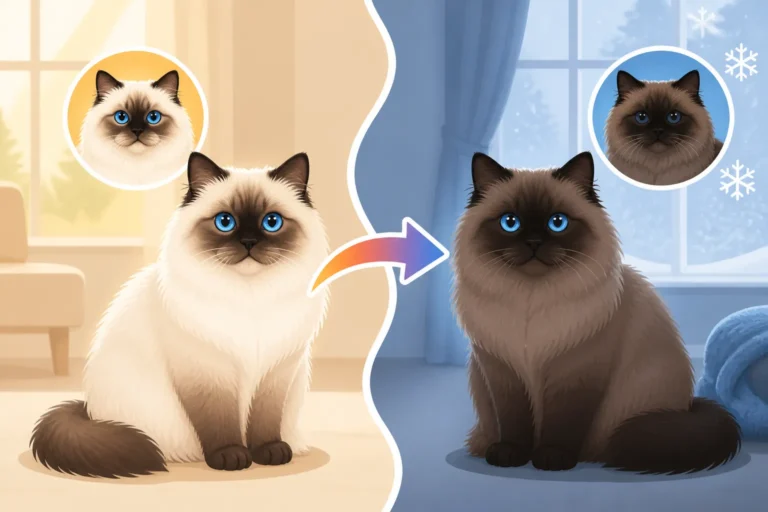
Imagine wrapping yourself in the fluffiest, softest blanket – that's essentially what your Himalayan's coat feels like. It consists of two distinct layers: a long, silky outer guard coat and a thick, woolly undercoat. The guard hairs are what give the coat its length and shine, gracefully draping over their cobby little bodies. But it's that dense undercoat that's the real culprit when it comes to mats. This fine, soft, downy fur is prone to clinging to itself, especially when it sheds or isn't regularly brushed through. It acts like velcro, catching loose hairs and quickly twisting them into tight knots. You might not even realize how much undercoat your cat carries until you see it come out on a comb! How Much Undercoat a Himalayan Carries Under Its Points
This unique combination makes the Himalayan coat especially prone to tangles and mats. Other long-haired breeds might have a less dense undercoat, or their fur might be of a different texture that sheds more cleanly. But for Himalayans, the intertwining of these two layers means that any friction, moisture, or shedding can quickly escalate into a full-blown matting crisis. It's a constant vigilance, a labor of love that every Himalayan owner understands intimately.
Where Friction and Movement Accelerate Matting
Mats don't just appear by magic; they form where the fur is subject to the most movement, rubbing, and pressure. Think about your own hair – if you sleep on it wet or wear a tight ponytail all day, it's more likely to tangle. The same principle applies to your Himalayan. As they walk, stretch, roll, and even just lie around, their fur rubs against itself, against the floor, against your clothes, or against their cat tree. This constant friction causes individual hairs to intertwine and bind together.
Beyond friction, moisture can also be a significant factor. If your Himalayan gets wet from drinking, a bath, or even just high humidity, and the coat isn't dried thoroughly and combed out immediately, the wet fur can clump and dry into solid mats. Even the oils on their skin can contribute, making the fur more prone to sticking together. Understanding these mechanisms is the first step in effective prevention – knowing why it happens helps you anticipate where it will happen. You'll quickly realize that Why a Himalayan Mats Faster Than a Ragdoll is often down to these specific coat characteristics and daily habits.
The Usual Suspects: Where Mats First Appear
While mats can theoretically form anywhere on your Himalayan's body, there are certain areas that are notoriously problematic. These are the spots where friction is highest, where grooming is trickiest, or where owners might inadvertently miss a spot during their daily comb-out. These "hotspots" are often where your cat's first, most stubborn mats will begin to form.
The Armpits: A Prime Hotspot
Without a doubt, the armpits are almost always the first place a Himalayan starts to mat. Why here, of all places? It comes down to continuous motion and friction. Every time your cat moves, walks, stretches, or even shifts positions, the fur in their armpits rubs against their body and against their legs. This constant back-and-forth motion creates an ideal environment for tangles to form and quickly tighten.
Furthermore, the fur in this area is often finer and softer than on other parts of the body, making it more susceptible to matting. And let's be honest, it's not the easiest spot to reach for daily grooming. Many cats aren't thrilled about having their sensitive armpit area handled, making it a challenge for owners to get a comb deep into the undercoat there. A small tangle can quickly become a large, painful mat in a matter of days if left unchecked. You'd be surprised, but Why a Himalayan's Armpits Mat Before Anywhere Else is a tale as old as the breed itself, and a common complaint among owners!
Behind the Ears and Under the Chin: Grooming Challenges
These areas are another set of notorious matting hotspots, primarily due to a combination of fine fur, natural oils, and a tendency for cats to neglect self-grooming here. The fur behind a Himalayan's ears and under their chin is often very soft and downy, similar to the armpits. It's also a spot that gets a lot of action from petting and cuddling, which can inadvertently push hairs together.
Cats often don't do the best job of grooming these spots themselves, especially under the chin or deep behind the ears, simply because of their anatomy and flexibility. Over time, natural oils from their skin can accumulate here, making the fur even more prone to sticking together. Small food particles or moisture from drinking can also get caught under the chin, contributing to tangles. These mats can be particularly uncomfortable because they pull on delicate skin, leading to irritation or even skin infections if neglected. Regularly checking these spots, even if your cat protests a little, is crucial.
The Britches and Tail Base: A Hidden Mess
The "britches" refer to the long fur on the back of your Himalayan's hind legs, and the fur around the base of their tail. These areas are, unfortunately, also prime targets for matting, often going unnoticed until the mat is significant. The britches experience a lot of movement and friction as your cat walks, sits, and jumps. This constant motion, combined with the dense undercoat, makes them highly susceptible to tangles.
Moreover, these areas are often exposed to litter dust, urine, or feces, especially if your cat has a slightly flat face that makes careful bathroom habits a bit more challenging. Any moisture or debris can quickly cause the fur to clump and mat. The base of the tail, similarly, gets a lot of friction from sitting and lying down, and the fur here can be exceptionally thick. If you've ever had to Combing a Himalayan's Britches Without Turning It Over, you know it's a delicate operation requiring patience and the right tools. These mats can be particularly unhygienic and uncomfortable, leading to skin irritation and making your cat reluctant to move freely.
Preventing the Inevitable: Daily Routines and Tools
Given how prone Himalayans are to matting, prevention truly is the best medicine. It's not just about aesthetics; painful mats can lead to skin infections, discomfort, and even restrict your cat's movement. Establishing a consistent daily grooming routine and investing in the right tools are non-negotiable for a Himalayan owner.
The Right Tools for the Job
You wouldn't try to build a house with a screwdriver, and you shouldn't try to groom a Himalayan with the wrong brush! The key to preventing mats lies in having a few essential tools at your disposal. First and foremost, you need a high-quality metal comb with both wide and narrow teeth. This is your primary weapon against mats. The wide-toothed side helps to get through the long guard hairs, while the narrow-toothed side is crucial for working through the dense undercoat and finding smaller tangles. Many excellent options can be found on Chewy or Amazon, offering a range of qualities and prices.
Beyond the metal comb, a slicker brush can be helpful for removing loose surface hair, but it's important to remember that a slicker brush alone won't get deep enough to prevent undercoat mats. Some owners also swear by a de-shedding tool designed for long-haired cats, used sparingly and carefully, to manage the undercoat during heavy shedding seasons. Always look for tools specifically designed for long, dense coats, as those meant for short-haired breeds simply won't cut it. Which Steel Comb a Himalayan's Coat Needs is a vital piece of equipment for any Himalayan owner.
Establishing a Daily Grooming Ritual
This isn't just a suggestion; it's a command for Himalayan ownership. Daily combing is the absolute cornerstone of mat prevention. Skipping even a single day can allow small tangles to tighten into full-blown mats that are much harder to remove. Why a Missed Day Costs a Himalayan a Mat is a lesson many owners learn the hard way. Aim for at least 15-20 minutes every day, though some cats with particularly dense coats might need more.
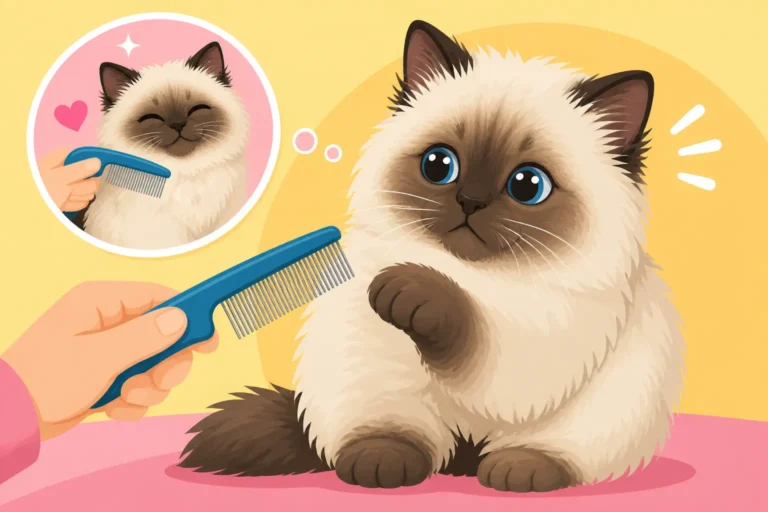
Start by gently combing through the outer coat, then gradually work your way down to the undercoat. Always comb in the direction of hair growth, and be methodical. Don't just skim the surface; ensure your comb reaches the skin to thoroughly remove loose undercoat. Pay extra attention to those notorious matting hotspots: the armpits, behind the ears, under the chin, and the britches. Make it a positive experience for your cat with treats and gentle praise. The earlier you start this routine with a kitten, the more accepting they will be as adults. This daily ritual is part of The Daily Comb a Himalayan Cannot Skip.
Addressing Minor Tangles Before They Become Mats
The goal of daily grooming isn't just to remove loose hair, but to catch and gently tease out any minor tangles before they have a chance to solidify into full mats. If you encounter a small knot, don't yank! That will only hurt your cat and make them fearful of grooming. Instead, gently hold the fur at the base of the tangle, close to the skin, to prevent pulling on their delicate skin. Then, use the narrow-toothed side of your metal comb or even just your fingers to carefully work the tangle apart, strand by strand.
You can also use a cat-safe detangling spray or a very small amount of cornstarch or baby powder (unscented) to help loosen the knot. Sprinkle a tiny bit onto the tangle, work it in, and then gently try to separate the hairs. Patience is paramount here. If a tangle feels too tight or your cat is getting stressed, take a break and come back to it, or consider a professional groomer. It's much easier to deal with a small tangle in five minutes than a large, painful mat that might require sedation. This preventative measure is crucial and can save you a lot of headache down the line, ensuring that How Many Minutes a Day a Persian Coat Takes on a Himalayan is productive rather than painful.
| Matting Hotspot | Why it Mats First | Daily Prevention Tip | Recommended Tool |
|---|---|---|---|
| Armpits | High friction from movement, fine hair. | Gently lift legs daily, comb thoroughly, deep to the skin. | Metal comb (narrow teeth) |
| Behind Ears/Chin | Fine, soft hair; cat self-grooms less; natural oils. | Gently comb with fingers, then comb daily after petting. | Fine-toothed metal comb |
| Britches/Tail Base | High friction from sitting/walking; exposure to litter/moisture. | Comb regularly, especially after litter box use. Consider hygienic trims. | Metal comb, small scissors (for trims) |
| Belly/Inner Thighs | Lying positions, fine hair, sensitive area. | Use a soft slicker brush and wide-toothed comb on a calm cat. | Slicker brush, wide-toothed comb |
When Mats Get Serious: Professional Help and Considerations
Despite your best efforts, sometimes mats simply happen. Maybe you missed a spot, or your cat decided to have an extra vigorous wrestling match with the curtains. What's important is knowing when a mat is beyond your home grooming capabilities and when it's time to call in the professionals. Neglecting serious mats can lead to significant health issues for your Himalayan.
Recognizing a Mat That's Beyond Home Care
How do you know when a mat has crossed the line from "tangle" to "medical emergency"? A mat that is hard, tight against the skin, or causes your cat pain when touched is a sign that it's probably too severe for you to handle safely at home. If the mat covers a large area, feels like a solid sheet of felt, or if the skin underneath appears red, irritated, or bruised, it's definitely time to seek professional help. Attempting to cut out a tight mat yourself can be incredibly dangerous. Himalayan skin is thin and easily nicked, especially when pulled taut by a mat. A slight slip of the scissors can result in a deep wound requiring veterinary attention.
If your cat is showing signs of discomfort, such as limping, biting at the mat, refusing to be touched in that area, or acting generally grumpy, these are clear indicators that the mat is causing significant pain. Don't wait hoping it will resolve itself, because it won't. The mat will only get tighter and more painful, potentially leading to a much more complicated and costly resolution. Why a Neglected Himalayan Ends Up Sedated for Clipping is a sad but common reality in these situations.
The Consequences of Neglected Matting
Beyond the immediate pain and discomfort, neglected mats can lead to a host of serious health problems for your Himalayan. The tight pulling on the skin can cause painful "mat sores," which are essentially pressure wounds that can become infected. These infections can then spread, requiring antibiotics and veterinary care. Mats can also trap moisture against the skin, leading to fungal infections or hot spots.
Furthermore, severe matting can restrict your cat's movement. Imagine trying to walk around with tight ropes tied around your joints – that's what a cat with severe armpit or britches mats experiences. This restricted movement can lead to muscle atrophy and even affect their gait. In extreme cases, mats can hide parasites, skin conditions, or even tumors, making early detection of other health issues difficult. This is why regular professional grooming, or dedicated home grooming, isn't just about aesthetics; it's a critical component of your Himalayan's overall health and well-being. A qualified groomer or vet can safely remove these mats, often requiring sedation for the cat's comfort and safety. You can ask your vet for recommendations, or look for local pet groomers on platforms like Chewy for their service offerings. Ultimately, a lifetime of consistent care contributes significantly to What Fifteen Years of a Himalayan's Coat and Face Takes.
Disclaimer
This article is for general informational purposes only and does not constitute professional advice. Laws, prices and regulations vary by location and change over time. Consult a qualified professional for guidance on your specific situation.