Whether Water Alone Clears a Himalayan’s Tear Track
If you're a Himalayan cat parent, you've probably stared at those adorable, often tear-stained faces and wondered if a simple damp cloth and some fresh water would actually be enough to keep them clean. It's a common, utterly frustrating dilemma because while the idea of a quick wipe with water seems so straightforward, the reality of a Himalayan's unique facial structure makes tear stain management far more complex than a mere splash. This guide will dive deep into why water alone often falls short, and what truly comprehensive care looks like for keeping your beloved Himmie's face sparkling.
The Unique Anatomy That Makes Himalayans Prone to Tear Stains
The truth is, your Himalayan isn't just "a little messy" around the eyes; their very design, a legacy of their Persian heritage, predisposes them to tear staining. It's not a flaw in your cat, but rather a characteristic of the breed that requires dedicated attention. Understanding why they stain helps us move beyond simply wishing water would do the trick.
The Brachycephalic (Flat-Faced) Conundrum
The hallmark of a Himalayan cat, especially those with the "Peke-face" or extreme profile, is its brachycephalic skull structure. This means their face is significantly flatter than most other cat breeds. While undeniably cute, this flat face often comes with a host of physiological quirks that affect tear drainage. Their tear ducts, instead of being a straight, clear path, can be kinked, narrowed, or even blocked entirely. This isn't just an inconvenience; it means tears don't drain internally as they should, leading them to spill out onto the fur.
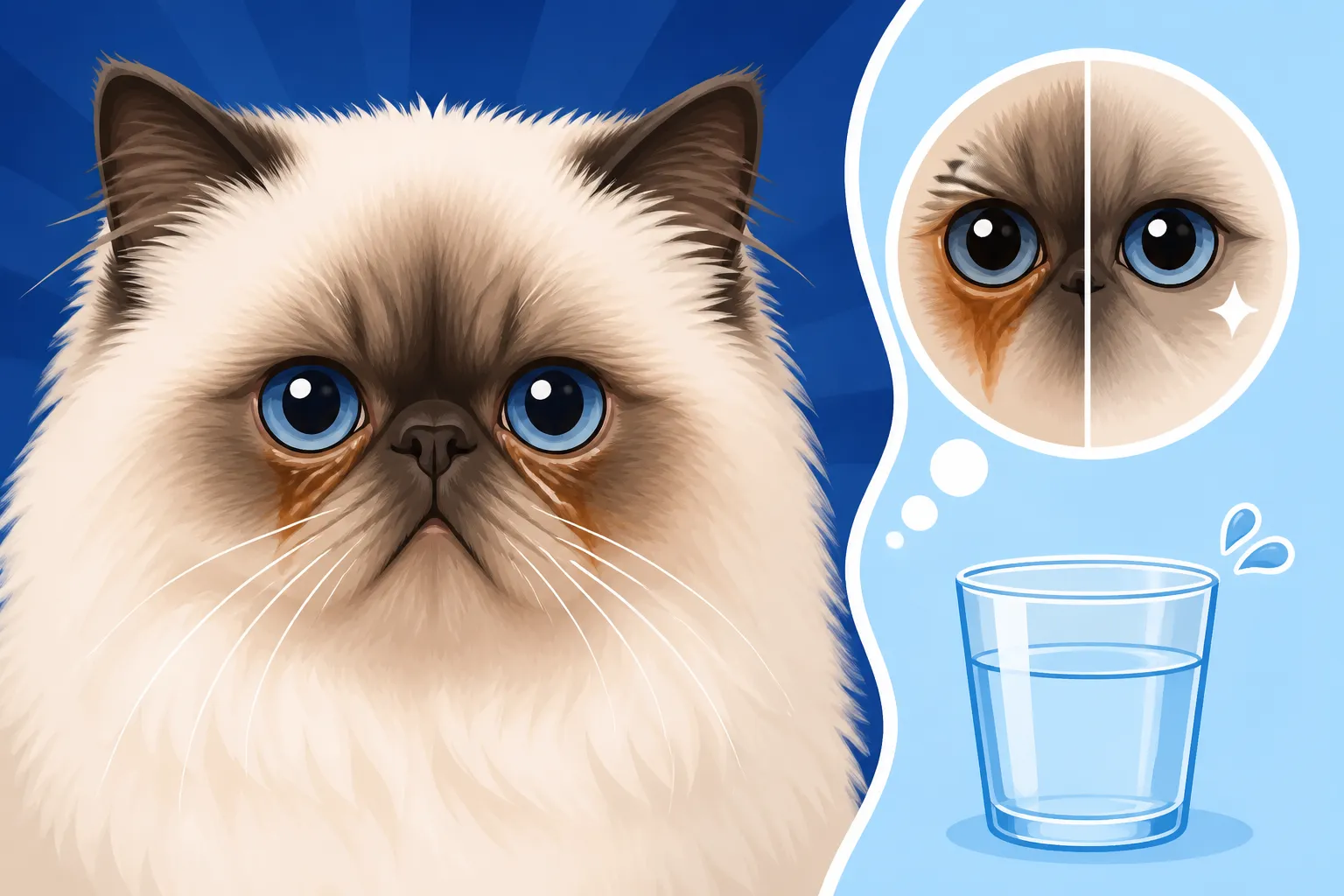
Imagine trying to drain a sink when the pipe underneath is bent and squashed – the water just backs up and overflows. That's essentially what happens with your Himalayan's tears. The tears themselves aren't the problem, it's the lack of an efficient drainage system. This constant overflow keeps the fur below the eyes perpetually damp, creating the perfect breeding ground for bacteria and yeast, which are the true culprits behind the dark, reddish-brown stains we all recognize.
Shallow Eye Sockets and Prominent Eyes
Another contributing factor to tear staining in Himalayans is their typically shallow eye sockets and prominent, large, round eyes. These beautiful blue eyes, a direct inheritance from their Siamese ancestry, are often more exposed to environmental irritants like dust, pollen, or even the tiny fibers from their own luxurious coat. This increased exposure can lead to more tearing as the eye attempts to flush out foreign bodies or soothe irritation.
Because the eyes are so prominent, sometimes the eyelids don't quite close perfectly or the eyelashes can even brush against the cornea, causing further irritation and reflexive tearing. It's a delicate balance, and any slight misalignment or irritation can trigger an increase in tear production. You might notice your Himalayan's eyes watering slightly more on a windy day, or if they've been playing vigorously near a dusty area. This extra moisture, combined with the already compromised tear drainage, exacerbates the staining problem. This is also why you'll often notice Why a Himalayan's Eyes Water All Day.
Why Water Alone Falls Short of Clearing Tear Tracks
It's tempting to think that since tears are mostly water, simply wiping them away with more water would solve the problem. After all, you wash your face with water, right? But with Himalayans, it's a bit like trying to clean a persistent mold stain on a bathroom wall with just a damp cloth – it might remove the surface grime, but it won't address the root cause or fully eliminate the discoloration.
Water Doesn't Address Bacterial or Yeast Growth
The dark, reddish-brown discoloration characteristic of Himalayan tear stains isn't just "dirty fur"; it's often the result of chromogenic yeast and bacteria, such as Porphyrin, which thrive in the perpetually moist environment beneath their eyes. These microorganisms produce pigments that stain the fur. While water might rinse away some loose debris or fresh tears, it does absolutely nothing to kill these bacteria or yeast. In fact, simply wetting the area with plain water and not thoroughly drying it can actually encourage more bacterial and yeast growth by providing an even more hospitable damp environment.
Think of it like this: if you have a cut and you just rinse it with water, it might look cleaner, but it won't be disinfected or stop potential infection. The same principle applies here. The stains will return, often with a vengeance, because the underlying microbial issue hasn't been addressed. This is particularly noticeable on lighter-colored Himalayans where the contrast is stark. How Tear Staining Marks a Himalayan's Pale Body Coat is a common frustration for many owners.
Ineffective Against Deeply Set Stains
Once tear stains have had time to set into the fur, especially in areas that are consistently damp, they become incredibly stubborn. These aren't surface-level marks; the pigment literally dyes the fur shaft. Plain water, even with vigorous rubbing (which, by the way, can irritate your cat's delicate eye area), simply isn't strong enough to break down these pigments and lift the stains out of the hair. It lacks the chemical agents, whether gentle cleansers or mild oxidizers, that are specifically designed to lighten or remove these types of discolorations.
Imagine spilling red wine on a white carpet. You wouldn't just dab it with water and expect it to vanish completely, would you? You'd reach for a stain remover. Himalayan tear stains are no different. They require a product formulated to tackle discoloration and microbial growth, not just hydration. Persistent stains are not only unsightly but can also indicate chronic dampness leading to skin irritation.
The Risk of Skin Irritation and Dampness
Relying solely on water can inadvertently lead to other problems. Constant dampness, even from plain water, can irritate the delicate skin around your Himalayan's eyes and in their facial folds. This can lead to a condition called "fold dermatitis" or "wet eczema," where the skin becomes red, inflamed, itchy, and sometimes even infected. The moisture creates an anaerobic environment perfect for bacterial proliferation, which can be incredibly uncomfortable for your cat and requires veterinary intervention to resolve.
Moreover, if you're not meticulously drying the area after wiping with water, you're essentially leaving your cat with a perpetually damp face. This dampness, as we've discussed, is the prime condition for the very things that cause the dark stains to flourish. It's a vicious cycle that water alone cannot break. What Happens If a Himalayan's Nose Fold Stays Damp explains more about the serious consequences of this issue.
Beyond Water: A Comprehensive Approach to Managing Tear Stains
Since water alone isn't the magic bullet, a multi-pronged strategy is essential for keeping your Himalayan's face clean, healthy, and stain-free. This isn't about harsh chemicals, but about consistent, gentle care that addresses both symptoms and potential underlying causes.
Daily Face Cleaning Ritual
Consistency is absolutely key. Establishing a daily routine is the single most effective thing you can do. This routine should go beyond just water and involve specialized cleaning products designed for pet eye care.
- Gentle Wipes or Solution: Invest in pet-safe, non-irritating tear stain wipes or a liquid cleaning solution. Many excellent options are available from reputable pet retailers like Chewy or on Amazon. These products often contain mild cleansing agents and sometimes natural antimicrobials that help break down the porphyrin stains and inhibit bacterial/yeast growth. Look for ingredients like boric acid, witch hazel, or colloidal silver in very dilute forms, or natural extracts like calendula or chamomile, which are known for their soothing properties. Always read labels carefully to ensure they are safe for use around the eyes.
- The Technique: Gently hold your Himalayan's head still. Using a fresh wipe or a cotton pad dampened with the solution, carefully wipe the stained area beneath each eye. Use a separate wipe or pad for each eye to prevent cross-contamination. Start from the inner corner of the eye and wipe downwards, being careful not to touch the eyeball itself. Be gentle; the skin here is very sensitive. Don't scrub; repeated gentle wiping over days will yield better results than one harsh session.
- Thorough Drying: This step is just as critical as cleaning! After wiping, use a clean, dry cotton pad or a soft tissue to thoroughly dry the area. Remember, dampness encourages more staining. Pay extra attention to the folds around the nose if your Himalayan has a more extreme flat face. This daily ritual, performed perhaps once in the morning, can make a world of difference. You might also want to explore products for Cleaning the Fold Beside a Himalayan's Flattened Nose.
Addressing Underlying Issues and Veterinary Consultation
While daily cleaning is crucial, sometimes tear staining is a symptom of a deeper issue that needs professional attention. Don't hesitate to involve your veterinarian, especially if the stains are suddenly worse, accompanied by redness, swelling, or discharge, or if your cat seems to be in discomfort.
- Veterinary Check-up: A vet can rule out medical conditions such as eye infections (conjunctivitis), blocked tear ducts (epiphora), entropion (inward-rolling eyelids), or even corneal ulcers. They might suggest a tear duct flush to ensure the ducts are clear. Your vet can also recommend specific medicated drops or oint if an infection is present. Sometimes, even dental issues can contribute to tear staining due to inflammation affecting the tear duct region. Getting regular check-ups, including How Often a Himalayan's Eyes Should Be Examined, is important.
- Dietary Adjustments: Believe it or not, diet can play a significant role in tear staining. Some cats are sensitive to certain ingredients, fillers, or dyes in their food, which can manifest as increased tearing and subsequent staining. Switching to a high-quality, grain-free, or novel protein diet might help. Cat foods that prioritize whole ingredients can sometimes reduce allergic reactions and inflammation that contribute to excessive tearing. Always transition food slowly to avoid digestive upset. Which Foods Darken a Himalayan's Tear Tracks can provide more specific insights.
- Water Quality: Just like in humans, sometimes the quality of your cat's drinking water can contribute to staining. Hard water, rich in minerals, can deposit these minerals around the eyes when tears evaporate, exacerbating the staining. Consider offering filtered or distilled water, especially if you live in an area with hard tap water.
| Aspect | Water Alone | Comprehensive Tear Stain Care |
|---|---|---|
| Effectiveness | Minimal; removes superficial tears/debris | High; targets stains, bacteria, and underlying dampness |
| Stain Removal | Ineffective for set-in, pigmented stains | Formulated to lighten and remove deep-set stains |
| Microbial Control | None; can encourage growth by leaving damp | Contains antimicrobials to inhibit yeast and bacteria |
| Skin Health | Risk of irritation/dermatitis from constant dampness | Prevents irritation by keeping area clean and dry, soothes skin |
| Long-Term Prevention | Very little | Addresses root causes, prevents recurrence, promotes eye health |
| Cost | Low (tap water) | Moderate (specialized products, vet visits if needed) |
| Effort | Daily wiping (often insufficient) | Daily cleaning, thorough drying, potential diet/vet steps |
Preventative Measures and Long-Term Care for a Clear-Faced Himalayan
Managing tear stains is truly a marathon, not a sprint. It’s about creating a sustainable routine and being proactive with your Himalayan’s well-being. Thinking ahead can save you a lot of heartache (and scrubbing!) down the line.
Environmental Control and Grooming Tools
Your Himalayan’s environment plays a big role in their eye health and, by extension, tear staining. Reducing irritants can significantly lessen tear production.
- Dust and Allergens: Keep your home as dust-free as possible. Regular vacuuming (with a HEPA filter if possible) and dusting can reduce airborne irritants that might cause your cat’s eyes to water. If you use scented candles or strong air fresheners, consider reducing or eliminating them, as these can also be irritants. Ensuring good air circulation without drafts directly hitting your cat’s face can also help.
- Low-Dust Litter: This is a huge one! Many traditional litters create a lot of dust when stirred, which can easily get into your Himalayan’s eyes and respiratory system, leading to irritation and increased tearing. Switching to a low-dust or dust-free litter (like crystal or paper-based options available widely on platforms like Amazon) can make a noticeable difference in reducing eye irritation.
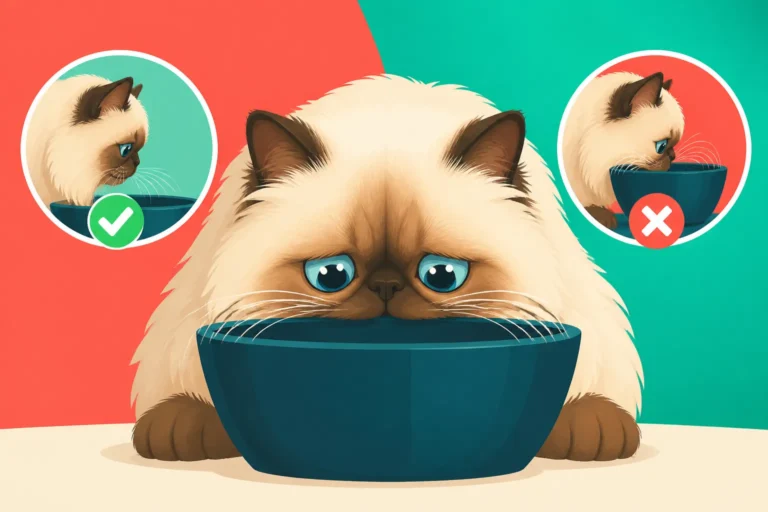
- Specialized Bowls: The flat face of a Himalayan makes eating and drinking challenging with conventional bowls. Deep bowls can press on their whiskers and face, causing discomfort, and can lead to more food or water getting on their ruff and face, which can then contribute to staining. Look for wide, shallow, ceramic, or stainless steel bowls, or even elevated bowls, designed specifically for flat-faced breeds. This helps them eat and drink more cleanly, reducing the chances of food particles or water dampening the area around their mouth and potentially wicking up to the eyes.
Regular Grooming Beyond the Face
While we're talking about faces, remember your Himalayan's magnificent coat. It needs attention too, and can indirectly affect tear stains.
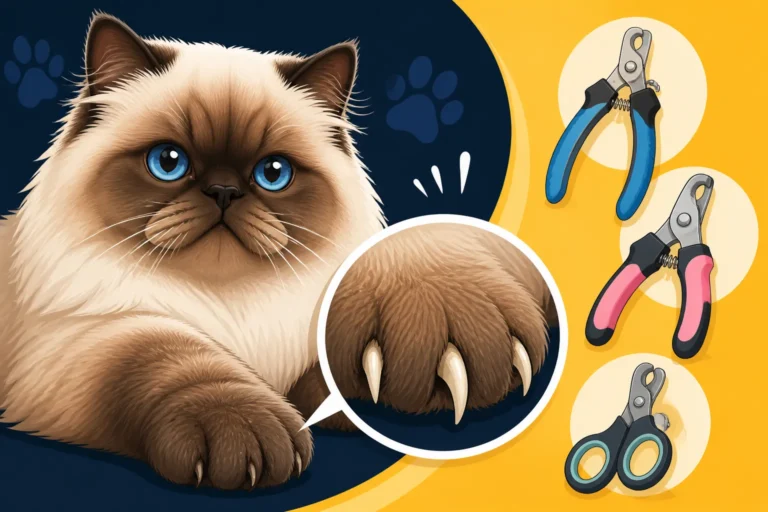
- Trimming the Hair Around the Eyes: Sometimes, the long fur around a Himalayan’s eyes can wick tears, get into the eye itself, or simply trap moisture, making staining worse. A skilled groomer, or your vet tech, can carefully trim these tiny hairs away from the eye area. This is a delicate procedure and absolutely should not be attempted at home unless you have specific training and tools, as a wrong move could cause a serious eye injury. This small trim can open up the eye area, allowing for better air circulation and making daily cleaning much easier.
- Full Body Grooming: Don't forget the rest of that glorious coat! Regular combing, especially in the ruff and chest area, prevents mats that can tug on skin and cause discomfort, which can indirectly lead to more stress and potential health issues. A well-groomed coat means a happier, healthier cat, and a cat that’s less likely to rub its face on matted fur. Remember, The Daily Comb a Himalayan Cannot Skip is paramount for their overall well-being.
- Professional Grooming: Even with diligent home care, many Himalayan owners find great benefit in professional grooming appointments every few months. A professional groomer is skilled at handling the unique needs of a Himalayan's coat and face, and they can perform safe trims and deep cleaning that might be difficult to do at home. They can also offer advice tailored to your cat's specific coat and facial structure.
Long-Term Monitoring and Adaptability
Even with the best routine, your Himalayan's needs might change over time. Being observant and flexible is key to long-term success.
- Observe and Adapt: Pay attention to what works and what doesn't for your particular cat. Does a certain food seem to make the stains worse? Is a particular cleaning product more effective? Your Himalayan might go through phases where staining is more or less pronounced, perhaps with seasonal allergies or as they age. Be ready to adjust your routine, try new products (always patch test first!), or revisit the vet if things aren't improving. For instance, What an Old Himalayan Stops Washing Its Own Face points to how their grooming needs evolve with age.
- Don't Give Up: Tear stain management can feel like a never-ending battle, but consistency really does pay off. There will be days when the stains seem worse, or when your cat is less cooperative during face cleaning. Just remember that you're doing this for their comfort and health, not just aesthetics. A clean face prevents skin irritation, infections, and keeps your beloved Himalayan looking and feeling their best. It truly is part of the deep commitment we make as owners of such a special breed.
Disclaimer
This article is for general informational purposes only and does not constitute professional advice. Laws, prices and regulations vary by location and change over time. Consult a qualified professional for guidance on your specific situation.