Why a Himalayan’s Nose Fold Smells
There's nothing quite like the sweet, purring presence of your beloved Himalayan… until a certain fragrance wafts your way from their adorable, smooshed-in face. That persistent, sometimes unsettling, odor emanating from their nose fold isn't just unpleasant; it's often a sign that their unique facial anatomy needs a little extra attention. If you've found yourself wondering why your otherwise pristine feline companion seems to have a perpetually "stinky" nose fold, you're not alone. This guide will dive deep into why your Himalayan's nose fold can develop a smell and, more importantly, how you can address it to keep your furry friend comfortable and fresh.
The Anatomy of the Problem: Why the Himalayan Face is Prone to Odor
Himalayans, with their distinctive brachycephalic (flat-faced) features, are undeniably charming. Their sweet, expressive faces are part of what makes them so captivating. However, these very features, while endearing, also create a unique set of challenges when it comes to hygiene, particularly around the nose and eye area. Unlike breeds with longer muzzles, the Himalayan's facial structure means that their nose leather often sits deep within a pronounced fold of skin, creating an environment that, if not carefully maintained, can become a breeding ground for unpleasant odors.
The Deep Valley of the Nose Fold
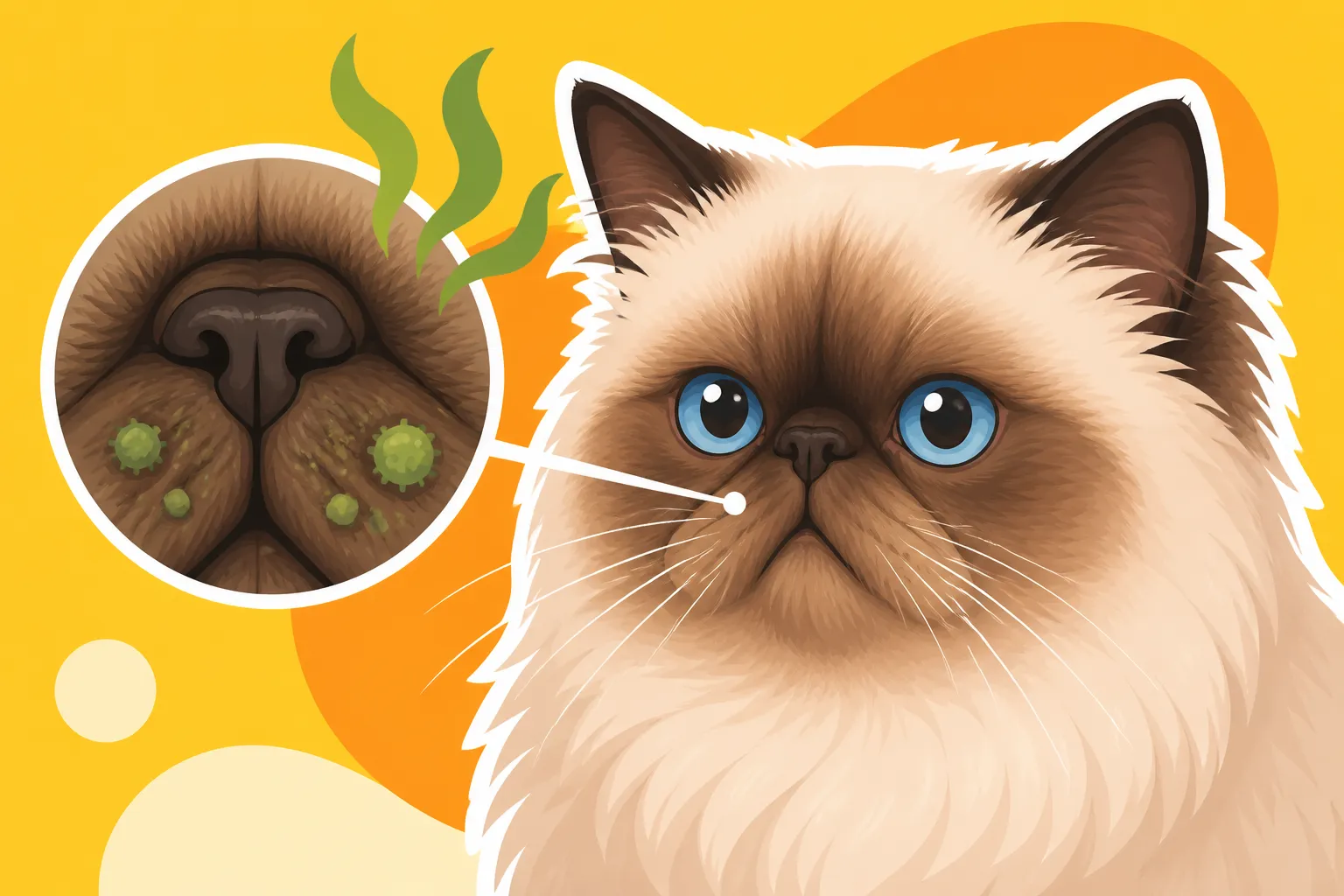
Imagine a tiny, warm, often damp valley right on your cat's face. That's essentially what the Himalayan nose fold can become. This deep crease in the skin, which gives them their characteristic "pushed-in" look, isn't just a superficial feature. It creates a pocket where moisture, oils, and microscopic debris can easily accumulate. Because the skin folds tightly, there's very little air circulation within this area, making it a perfect, secluded haven for all sorts of microscopic life. It's not unlike how a damp towel left crumpled in a dark corner can start to smell musty; the principles are very similar, just on a much smaller, feline scale. This deep, hidden space is often the initial culprit behind any developing smell, long before it becomes a full-blown issue.
Tears, Saliva, and Food: A Potent Cocktail
Our Himalayans, like all cats, produce tears and saliva. However, due to their unique facial structure, how these bodily fluids interact with the nose fold becomes a critical factor in odor development. Many flat-faced breeds, Himalayans included, have tear ducts that can be kinked or too narrow, leading to excessive tearing that doesn't drain properly. Instead, these tears often overflow onto the face, running directly into and around the nose fold. These tears aren't just water; they contain proteins and other organic matter that, when left to sit, can oxidize and become a rich food source for bacteria and yeast. You might notice the dark, rust-colored stains on a cream-bodied Himalayan, which is precisely this process at work. Why Tear Stains Are Worse on a Cream Bodied Himalayan
Beyond tears, consider mealtime. Himalayans often have a particular way of eating due to their shortened jaws and flat faces. They might push food around with their nose, or bits of wet food can easily get caught in the folds of their chin and around their muzzle. Saliva, mixed with these food particles, then seeps into that warm, dark nose fold. Over time, these trapped food residues and protein-rich fluids begin to decompose, leading to a strong, sour, or even yeasty odor. It’s a constant battle against gravity and natural feline behaviors.
Poor Air Circulation: Why the Lack of Air Makes it Worse
One of the most overlooked aspects of the Himalayan's nose fold issue is the critical lack of air circulation. In a normal, longer-muzzled cat, air can flow freely over the skin, helping to keep it dry and prevent microbial overgrowth. But with the Himalayan's deep, often tightly compressed nose fold, air struggles to reach the bottom of that "valley." This poor ventilation creates a consistently warm and moist environment – precisely the conditions that bacteria and yeast absolutely adore. Without fresh air to dry out the area, any moisture from tears, saliva, or even humidity in the air becomes trapped, encouraging rapid proliferation of these odor-causing microorganisms. This constant dampness can quickly escalate from a mild, damp smell to a truly pungent one, even before any visible irritation appears.
Unpacking the Causes: What Makes the Nose Fold Smell?
While the unique facial anatomy of the Himalayan sets the stage for potential odor, the smell itself is a direct result of biological processes happening within that moist, warm, and dark environment. It's usually not just one thing, but a combination of factors that contribute to the distinctive scent. Understanding these underlying causes is key to effectively addressing the problem.
Bacterial Overgrowth and Yeast Infections
The most common culprits behind a smelly nose fold are undoubtedly bacterial overgrowth and yeast infections. Our cats naturally have a certain amount of bacteria and yeast on their skin, but when conditions are ripe, these populations can explode. The deep, warm, and constantly moist environment of a Himalayan's nose fold is, quite simply, an ideal incubator.
Bacteria, particularly types like Staphylococcus, thrive in such conditions. As they multiply and consume the organic matter (like proteins from tears and food particles) in the fold, they produce waste products that have a distinct, often pungent, odor. This can range from a sour, cheesy smell to something more acrid. Similarly, yeast, especially Malassezia, loves damp, oily environments. A yeast infection will often present with a sweet, musty, or "yeasty bread" smell, and can cause the skin in the fold to become red, greasy, and even flakey. How Fold Dermatitis Starts Beside a Himalayan's Nose It’s a very common scenario for both bacteria and yeast to be involved, creating a complex and persistent smell that routine wiping with just water might not fully tackle.
Trapped Debris and Food Particles
Beyond the microscopic world, physical debris plays a significant role in creating a malodorous nose fold. Imagine all the tiny particles that float in our homes – dust, dander, fibers from carpets or furniture. These, along with any loose hairs from your Himalayan's magnificent coat, can easily become lodged deep within the nose fold. When combined with the ever-present moisture, these seemingly innocent particles begin to break down. This decomposition process releases volatile organic compounds that contribute directly to the unpleasant smell.
Then there's the issue of food. As we discussed, a Himalayan's unique muzzle can make for messy eating. Bits of wet food, kibble crumbs, or even treats can get pushed into the facial folds, particularly during enthusiastic meal times. These trapped food particles, especially wet food, quickly spoil and ferment in the warm, damp environment, leading to a truly foul odor. It's important to remember that even small, seemingly insignificant bits of debris can become a substantial problem when left undisturbed in such a confined space. This is why vigilance after every meal is so important. Why a Himalayan Drops Food Onto Its Ruff
Fungal Issues and Dermatitis
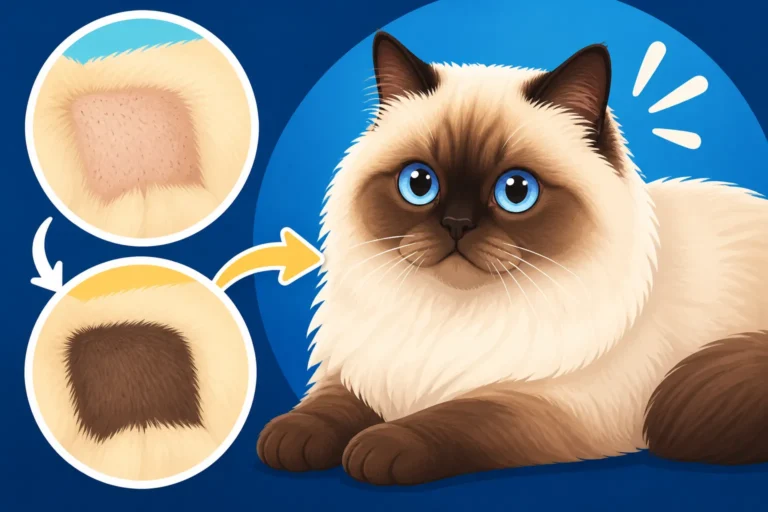
Sometimes, the smell emanating from the nose fold isn't just simple bacterial or yeast overgrowth; it can escalate into a more serious skin condition known as dermatitis, or even a full-blown fungal infection that goes beyond typical yeast. Dermatitis simply means "inflammation of the skin," and in the nose fold, it's often triggered by the constant moisture and irritation from the trapped debris and microbial activity. The skin within the fold can become red, raw, itchy, and painful for your cat. This inflammation itself can contribute to a stronger, more acrid smell as skin cells are damaged and immune responses kick in.
In some cases, specific fungal infections, while less common than yeast, can also take hold. These might require different treatments than typical antibacterial or anti-yeast medications. If the smell is accompanied by visible changes like pus, bleeding, ulceration, or a noticeable change in your cat's demeanor (like pawing at their face or resisting touch), it's highly likely that you're dealing with more than just a superficial odor. These are clear indicators that the skin barrier has been compromised and professional veterinary attention is needed to prevent further discomfort or widespread infection.
Preventative Measures and Daily Care: Keeping the Fold Fresh
The good news is that for most Himalayans, a smelly nose fold is a manageable problem, not a permanent sentence. The key lies in consistent, gentle daily care tailored to their unique needs. Think of it as a small but vital part of their overall grooming routine, much like daily combing for their magnificent coat. The Daily Comb a Himalayan Cannot Skip Establishing a solid preventative routine can make a world of difference, keeping your furry friend smelling sweet and feeling comfortable.
The Daily Cleaning Ritual
Consistency is absolutely paramount when it comes to managing your Himalayan's nose fold. A quick, gentle clean every single day can prevent most issues from even starting. The best time to do this is often in the morning, as part of a calm routine, or after meals if you notice particular messiness.
Here’s a simple routine:
- Gather Your Supplies: You'll need soft, lint-free cotton pads or specialized cat facial wipes. Avoid anything with harsh chemicals, perfumes, or alcohol, as these can irritate sensitive skin. Many pet supply stores, like Chewy or those found on Amazon, offer excellent options specifically formulated for cats' delicate facial areas.
- Gentle Approach: Gently hold your cat's head stable with one hand. With the other, carefully lift the skin of the nose fold slightly to expose the area underneath. This isn't about pulling; it's about gently stretching the skin just enough to see and access the "valley."
- Wipe Downward: Using your chosen wipe or damp cotton pad, gently wipe downward from the top of the fold towards the nose leather. The goal is to remove any accumulated moisture, tears, food debris, and oils. Be thorough but never scrub harshly.
- Dry, Dry, Dry: This step is absolutely crucial and often overlooked. After wiping, use a separate, clean, dry cotton pad or a soft tissue to gently blot the area completely dry. Remember, moisture is the enemy in that fold, so ensuring it's dry vastly reduces the chances of bacterial and yeast growth. Drying a Himalayan's Nose Fold So It Does Not Sour
- Positive Reinforcement: Always end the session with praise, gentle petting, and perhaps a small, approved treat. This helps your Himalayan associate face cleaning with positive experiences, making future sessions much easier.
Choosing the Right Tools and Products
Having the right tools can make this daily ritual much more effective and comfortable for both you and your Himalayan. Beyond the basic cotton pads, consider investing in specific products designed for brachycephalic cats.
- Facial Wipes: Many brands offer hypoallergenic, fragrance-free facial wipes that contain gentle cleansing agents specifically formulated for tear stains and skin folds. These can be incredibly convenient for daily use. Look for ingredients like boric acid (in very low concentrations), witch hazel, or colloidal silver, known for their mild antiseptic properties. Always check the ingredients list to ensure there's nothing that could be irritating.
- Cleaning Solutions: For more stubborn staining or mild odor, a veterinary-approved tear stain remover or a gentle saline solution can be helpful. Apply these to a cotton pad, wipe, and then follow with a dry pad. Again, avoid human cosmetic products entirely.
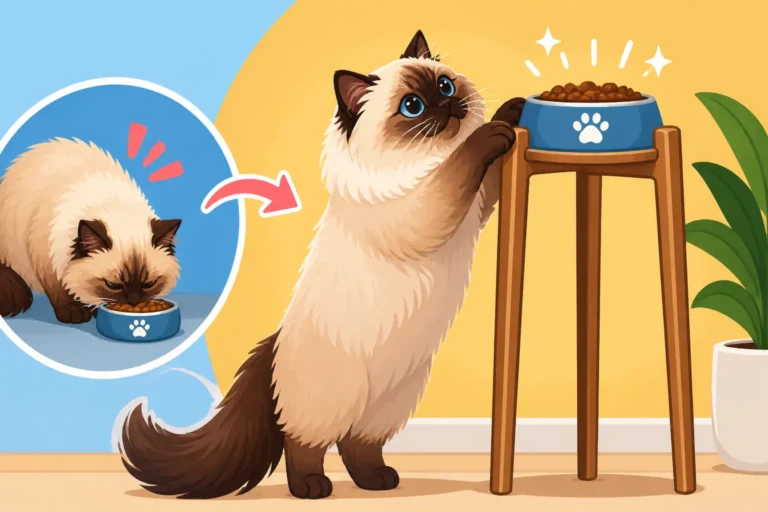
- Shallow, Wide Bowls: The type of food and water bowl your Himalayan uses can significantly impact how much food and water gets into their nose fold. Deep, narrow bowls can force their face into the bowl, increasing mess. Opt for shallow, wide ceramic or stainless steel bowls that are easier for them to eat and drink from without submerging their entire muzzle. Many companies like Chewy offer a great selection of flat-faced cat bowls designed to minimize facial contact. Which Bowl Shape a Flat Faced Himalayan Can Use
- Pet-Safe Combs: While not directly for the nose fold, a good quality steel comb is essential for keeping the surrounding fur clean and free of mats, which can also contribute to overall facial hygiene challenges.
Diet and Hydration: How What Goes In Affects What Comes Out
Believe it or not, your Himalayan's diet and hydration play a subtle but important role in the health of their nose fold. While diet won't directly cause a smelly fold, it can certainly influence factors like tear production and skin health.
- Quality Food: A high-quality, balanced diet supports overall skin and coat health, making it more resilient to minor irritations. Some anecdotal evidence suggests that certain ingredients or dyes in cheaper foods might exacerbate tear staining in some cats, though scientific consensus is still developing. If you're considering a diet change, discussing it with your vet or exploring fresh food options could be beneficial.
- Hydration: Ensuring your Himalayan drinks plenty of fresh water is vital for their general health, including kidney function and healthy tear production. Proper hydration helps keep bodily fluids running smoothly, which can indirectly aid in preventing concentrated tear staining. A wide, shallow water bowl or a pet fountain can encourage more drinking. Why Water Matters More in a Himalayan Carrying Cysts
- Probiotics and Supplements: In some cases, if chronic yeast issues are suspected, your vet might suggest a probiotic supplement to support a healthy gut microbiome, which can sometimes have a positive ripple effect on skin health. Always consult your veterinarian before adding any supplements to your cat's diet.
When to Call the Vet: Recognizing Serious Issues
While daily cleaning goes a long way, there are times when a smelly nose fold indicates something more serious, requiring professional veterinary intervention. As a pet parent, it's crucial to be able to distinguish between routine maintenance and a medical problem. Ignoring persistent or worsening symptoms can lead to significant discomfort and more complicated treatments for your beloved Himalayan.
Signs of Infection and Discomfort
A mild, temporary odor that resolves with daily cleaning is one thing. A persistent, worsening smell, especially when accompanied by other symptoms, is a red flag. Here are the key signs that suggest your Himalayan's nose fold issue might have escalated beyond simple hygiene:
- Intensified or Foul Odor: If the smell becomes truly putrid, cheesy, metallic, or overtly yeasty, even immediately after cleaning, it's a strong indicator of a significant microbial imbalance or infection.
- Redness and Inflammation: The skin within and around the fold appears visibly red, inflamed, or irritated. It might look angry or raw.
- Swelling: The skin fold itself, or the area surrounding it, appears swollen or thickened.
- Discharge: You notice pus (thick, yellowish, or greenish discharge), blood, or excessive, unusually colored tear discharge. This is a clear sign of infection. Telling Ordinary Himalayan Tear Staining From an Infection
- Pain or Tenderness: Your cat flinches, pulls away, hisses, or shows any sign of discomfort when you attempt to touch or clean the area. They might bat your hand away or even try to bite.
- Ulceration or Sores: The skin inside the fold has open sores, crusts, scabs, or appears to be breaking down.
- Excessive Pawing or Rubbing: Your Himalayan is repeatedly pawing at their face, rubbing it against furniture, or showing other signs of itchiness or irritation specific to that area.
- Lethargy or Loss of Appetite: While not a direct facial symptom, these general signs of illness can indicate that an infection is making your cat feel unwell overall.
Any of these signs warrant a call to your veterinarian promptly. Don't wait for it to get worse, as infections can quickly become more severe and spread. Why a Himalayan's Eye Injury Cannot Wait Until Monday
The Vet's Role: Diagnostics and Treatment Options
When you bring your Himalayan to the vet for a smelly nose fold, they will conduct a thorough examination to determine the underlying cause and the best course of action.
- Physical Examination: The vet will carefully examine the nose fold, looking for redness, swelling, discharge, and any signs of pain or irritation. They may gently part the skin to get a clear view of the deeper areas. What a Himalayan's Nose Leather Should Be Checked Monthly
- Diagnostic Tests:
- Cytology: This is a common first step. The vet will gently press a cotton swab or a microscope slide onto the affected skin to collect cells. This sample is then examined under a microscope to identify the presence and type of bacteria (cocci, rods), yeast, or other inflammatory cells. This helps guide the choice of medication.
- Culture and Sensitivity: If the infection is severe, recurrent, or not responding to initial treatment, the vet might take a bacterial or fungal culture. This sample is sent to a lab to identify the specific type of organism and determine which antibiotics or antifungals will be most effective against it.
- Treatment Options:
- Topical Medications: For mild to moderate infections, your vet will likely prescribe a topical ointment, cream, or medicated wipe. These often contain a combination of antibiotics, antifungals, or anti-inflammatory agents to target the specific microbes identified in cytology.
- Systemic Medications: If the infection is severe, deep-seated, or your cat is showing systemic signs of illness, oral antibiotics or antifungals may be prescribed.
- Pain Relief: If the area is particularly painful, the vet might also prescribe pain medication to keep your cat comfortable during recovery.
- Cleaning Protocol: Your vet will reinforce the importance of daily cleaning and drying and might recommend specific, stronger cleaning solutions to use temporarily during treatment.
- Surgical Intervention: In very rare, extreme, and chronic cases where conservative management repeatedly fails, or if the fold is excessively deep and problematic, surgical correction (a procedure called a "fold resection" or "epicanthoplasty" if eyelids are involved) might be considered. This is a last resort, usually discussed when the cat's quality of life is severely impacted.
Remember, always follow your veterinarian's instructions precisely and complete the full course of medication, even if the symptoms seem to improve quickly. This ensures the infection is fully cleared and reduces the chance of recurrence.
Disclaimer
This article is for general informational purposes only and does not constitute professional advice. Laws, prices and regulations vary by location and change over time. Consult a qualified professional for guidance on your specific situation.