How Wet Food Ends Up in a Himalayan’s Ruff
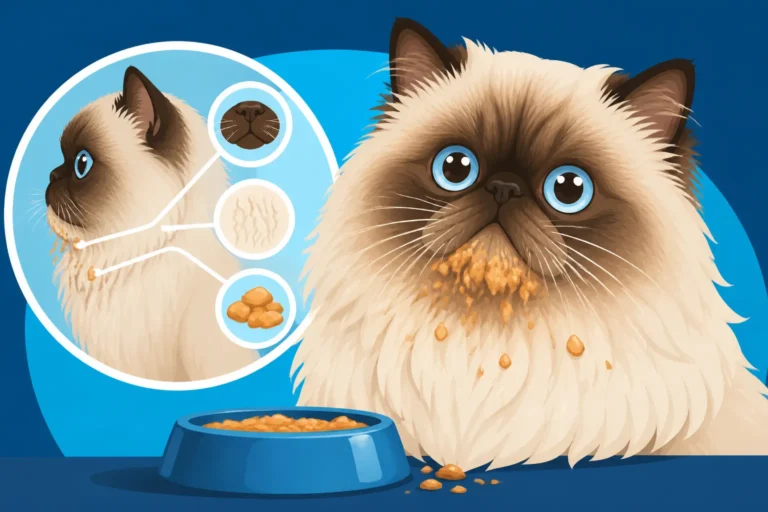
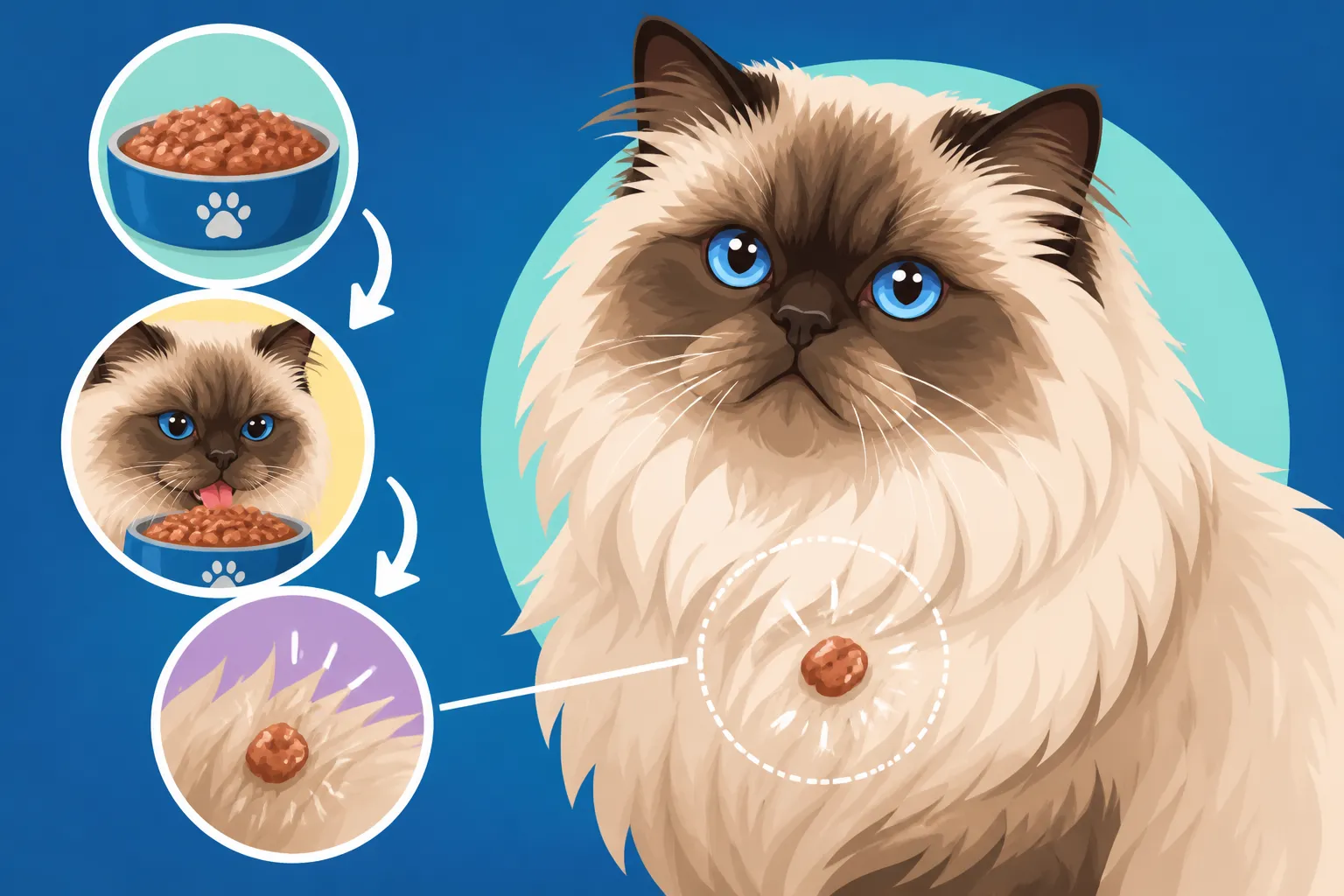
Ah, the daily saga of wet food and the magnificent Himalayan ruff! If you're anything like me, you've probably watched in slow-motion horror as your beloved fluffball dives face-first into a delicious, creamy paté, only for half of it to end up clinging to that pristine, glorious mane. It’s a messy reality many Himalayan owners face, a frustrating blend of their unique anatomy and enthusiastic eating habits. You’re not alone in wondering how to keep that beautiful ruff clean and free of embedded breakfast. This isn't just about aesthetics; it’s about hygiene, comfort, and preventing irritation for your precious companion. This guide is here to unravel why this happens and, more importantly, share some practical, real-world strategies to keep the food in the bowl and off the ruff.
The Unique Anatomy of a Himalayan's Face and Coat
Understanding why wet food ends up in your Himalayan's ruff starts with appreciating their utterly charming, yet sometimes challenging, physical characteristics. These aren't just pretty faces; their structure dictates a lot about how they interact with their world, especially when it comes to mealtime.
The Flat Face and Shortened Jaw
Let's be honest, that adorable, flat face is a big part of what draws us to Himalayans, isn't it? But it's also the primary culprit behind the messy eating. Unlike cats with longer muzzles, Himalayans are a brachycephalic breed, meaning they have a shortened skull, a somewhat pushed-in nose, and a relatively flat facial profile.
This distinctive facial structure means their mouth isn't designed for easy scooping or lapping from a typical bowl. Imagine trying to eat soup with your nose pressed against the rim of the bowl – that's a bit like what your Himalayan experiences. They can't quite get their tongue out and under the food in a way that allows for a clean sweep. Instead, they often have to push their entire face into the food to get a good mouthful. This inevitably brings their glorious ruff, whiskers, and chin into direct contact with whatever yummy, messy goodness you've served. The shortened jaw also affects their bite and how they manipulate food, making it less of a graceful scoop and more of a determined push. This pushes food up and out, directly onto the surrounding fur.
The Magnificent, Yet Challenging, Ruff
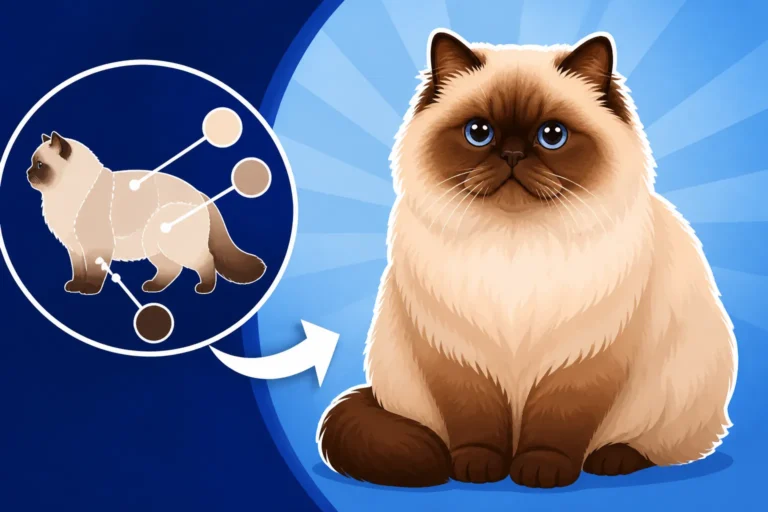
Then there’s that breathtaking ruff – the thick, luxurious collar of fur that frames your Himalayan's face like a regal lion's mane. It's truly one of their most distinguishing features, but oh, what a magnet for food! This isn't just any fur; it's dense, long, and often has a silky texture that practically invites wet food to cling to it.
The ruff acts like a natural net, catching every stray bit of paté or gravy that escapes the mouth. Because it's so thick and grows forward and around their face, it's impossible for them to eat without some part of it coming into contact with the food. Once those fine hairs get damp and sticky with wet food, they matt instantly, creating tiny, crusty clumps that can be a real pain to remove. It’s a constant battle between admiring their beauty and lamenting the inevitable mess. Without regular attention, these bits of food can become quite firmly embedded, turning what should be a pleasant meal into a mini grooming emergency.
Drinking Habits and Waterlogged Fur
It's not just the food itself that causes issues; their drinking habits play a significant role too. Many Himalayans, due to their flat faces, tend to dip their entire chin and part of their ruff into the water bowl when they drink. This isn't necessarily a bad thing in itself, but it creates a damp zone right where the food is about to go.
Think about it: a wet, slightly sticky ruff is far more prone to picking up and holding onto bits of wet food than a dry one. They drink, wet their ruff, then move straight to the food bowl, inadvertently pre-preparing their fur to catch every single morsel. This creates a cycle where the ruff becomes waterlogged, then food-laden, compounding the cleaning challenge. It's particularly true for cats that drink a lot, or perhaps have an extra enthusiastic approach to their water bowl. I’ve found that even the cleanest drinker among them still manages to get a damp spot, making the subsequent feeding even messier.
Common Eating Behaviors That Lead to Mess
Beyond their physical traits, the way Himalayans approach their food bowl also contributes significantly to the problem of food ending up in their ruff. It’s a combination of instinct and adapting to their unique facial structure.
The "Scoop and Push" Method
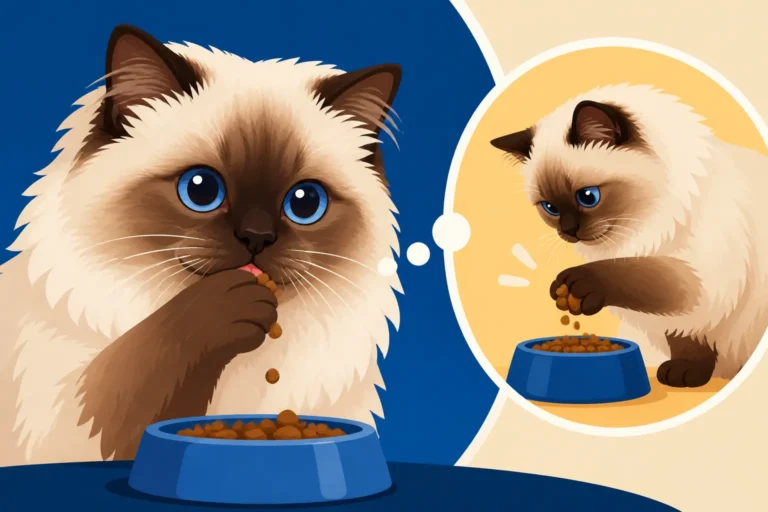
When faced with a bowl of delicious wet food, a Himalayan often can't simply lap it up neatly. Instead, they resort to what I affectionately call the "scoop and push" method. This involves trying to use their tongue to scoop the food into their mouth, but because their jaw is shortened and their muzzle is flat, they can't get a clean angle. Instead of scooping under the food, they often end up pushing it forward or sideways with their tongue and nose.
This pushing motion often sends food spilling over the edges of the bowl, or worse, directly onto their chest and ruff. You might see them chomp down, then lift their head, only for a glob of food to fall from their chin or whiskers onto their chest fur. It’s not graceful, but it’s effective for them to eat. This behavior is particularly noticeable with chunkier wet foods or those with a lot of gravy, which are harder to contain with just the tongue. They're essentially trying their best with the tools they've got, and sometimes those tools just aren't designed for a neat dining experience.
Face-First Approach to the Bowl
Another common behavior is the "face-first" dive into the bowl. Because it's hard for them to get a clean bite or lap, many Himalayans will plunge their entire face down into the food, ensuring they get a good mouthful. While this gets the job done, it guarantees that their beautiful ruff, which encircles their head, becomes fully immersed in the wet food.
This isn't just about their nose; their long whiskers often get bent backward or coated in food as they try to reach the bottom of the bowl. This bending of the whiskers can also be uncomfortable for them, and some cats might try to compensate by eating even more awkwardly, further exacerbating the mess. It's a natural response to their anatomy, but it means a significant portion of their fur is exposed to the meal. This is where a quick post-meal wipe becomes absolutely essential, or you’ll find dried, crusty food becoming stubbornly matted in their delicate fur.
Messy Drinking Leading to Messy Eating
As we touched on earlier, the cycle of wet fur leading to food-laden fur is a very real problem. It’s a cascading effect that starts at the water bowl. Many Himalayans, with their flattened faces, just aren’t built for neat drinking. Their chin and lower ruff often dip into the water, making the fur damp.
The problem arises when they immediately transition from a drink to a meal. That damp fur acts like a sponge for any stray bits of wet food. Gravy, paté, or even small kibble crumbs cling instantly to the moist hair, making the mess far worse than if their ruff had been dry to begin with. It’s like dipping a paint brush into water before dipping it into paint – it just holds more. This common routine means that even if they're relatively neat eaters, the pre-wet ruff ensures maximum food collection. This is why addressing both drinking and eating habits simultaneously can be so effective in managing the overall mess.
Practical Solutions to Minimize the Mess
Alright, so we understand why wet food ends up in the ruff. Now, let’s talk about what we can actually do about it. There are several practical strategies you can implement to minimize the mess, making mealtime less stressful for both you and your feline friend.
Choosing the Right Food Bowls
The type of food bowl you use can make an enormous difference. This isn't just about aesthetics; it's about functionality for a flat-faced cat.
Traditional deep, round bowls are often the worst offenders. They force your Himalayan to bury their face deep inside, ensuring maximum ruff contact. Instead, look for bowls designed with brachycephalic breeds in mind:
- Wide, Shallow Bowls: These allow your cat to access the food without having to plunge their entire face in. They can get their tongue to the food more easily from the side, reducing the likelihood of their ruff touching the meal.
- Slanted or Angled Bowls: Some bowls have a sloped design, with one side lower than the other, or a slight incline that funnels food towards the front. This makes it easier for your cat to reach the food without strain or deep immersion.
- Raised Bowls: While not directly solving the face-in-food issue, raised bowls can improve your Himalayan’s posture during eating, which might lead to a slightly less messy approach. It prevents them from hunching over, potentially allowing for a more comfortable eating angle.
- Material Matters: Stainless steel and ceramic bowls are generally preferred. They are non-porous, easy to clean, and don't hold odors or harbor bacteria like some plastics can. Plus, a heavier ceramic bowl is less likely to be pushed around, preventing spills.
You can find a wide variety of these specialized bowls on pet supply websites like Chewy or Amazon. It might take a bit of trial and error to see which one your Himalayan prefers, but finding the right bowl is a game-changer.
| Bowl Type | Benefits for Himalayans | Potential Drawbacks |
|---|---|---|
| Wide, Shallow | Easy access, less face immersion, whiskers undisturbed. | Food can spread out, potentially get pushed out if too shallow. |
| Slanted/Angled | Directs food to one side for easier eating, less neck strain. | May not work for all cats' eating styles, limited options. |
| Raised | Improves posture, reduces neck strain. | Does not inherently prevent ruff immersion, just aids posture. |
| Whisker-Friendly | Prevents whisker fatigue, encourages more comfortable eating. | Similar to wide, shallow, may still require post-meal wipe. |
Optimizing Food Consistency and Presentation
The type of wet food and how you serve it also plays a crucial role in managing mess.
- Paté vs. Chunks: While your cat might have a preference, paté-style wet food generally creates less mess than chunky food with gravy. Paté is smoother and adheres less to fur. If your cat loves chunky food, consider mashing it slightly with a fork before serving, especially if it’s very saucy.
- Flatten the Food: Instead of leaving the food in a mound, spread it out thinly across the wide, shallow bowl. This presents a larger, flatter surface area, making it easier for your Himalayan to lap up without digging deep.
- Smaller, More Frequent Meals: If your cat tends to make a huge mess with a large portion, try offering smaller amounts more frequently throughout the day. This reduces the sheer volume of food available to get stuck in their ruff at any one time.
- Consider a Different Brand: Some wet foods, particularly those with a very high moisture content or thick gravy, are inherently messier. Exploring brands with slightly firmer textures might help. Fresh, less processed foods might offer consistencies that are easier for your flat-faced feline to manage.
Post-Meal Grooming and Face Wiping
This is arguably the most critical step in maintaining your Himalayan’s hygiene and preventing skin issues. Immediate clean-up after every wet food meal is non-negotiable.
- Be Prepared: Keep a soft, damp cloth or pet-safe grooming wipes readily available near their feeding station.
- Gentle Wiping: As soon as your cat finishes eating, gently wipe their chin, around their mouth, and especially through their ruff. Pay close attention to the fur directly under their chin and around their cheeks, as these are prime collection spots. How Long a Himalayan's Face Routine Takes can vary, but even a quick 30-second wipe makes a huge difference.
- Specific Wipes: There are many pet-safe wipes on the market, some even formulated for tear stains, which can work well for food residue. Make sure whatever you use is fragrance-free and gentle. Which Wipes Are Safe Around a Himalayan's Blue Eyes is an important consideration, as their eyes can be sensitive.
- Training is Key: Start this routine when your Himalayan is a kitten, so they associate it with a positive experience. Treats and praise can go a long way. Getting a Himalayan Used to Having Its Face Wiped early on will save you a lot of hassle in the long run. If they resist, be patient and persistent. It's for their health and comfort.
Strategic Grooming of the Ruff
While you’d never want to trim your Himalayan's magnificent ruff dramatically, a little strategic tidying can work wonders.
- "Bib" Trim: Some owners carefully trim a small area of fur directly under the chin, creating a tiny "bib" that helps prevent food from sticking to the longer ruff hairs. This is a very subtle trim, just enough to reduce the contact surface.
- Regular Combing: Daily combing of the entire ruff, not just after meals, is vital. This prevents mats from forming where food might get trapped, and helps keep the fur soft and free-flowing. How Often a Himalayan Must Be Combed is truly daily for this breed, especially their ruff and britches.
- Focus on the Underside: When combing, pay extra attention to the fur underneath the chin and around the jawline. This is where food particles often cling and become embedded. Gently work through any sticky bits with a fine-toothed comb or a specialized deshedding tool like those found on Amazon, which can help tease out tangles and food without pulling. Combing a Himalayan's Ruff Without Turning It Over can be a challenge, but a good grooming table or a comfortable lap can make it easier.
Long-Term Management and Health Considerations
Managing wet food mess isn't just about keeping your Himalayan looking pristine; it's a vital part of their overall health and well-being. Neglecting the mess can lead to uncomfortable and potentially serious health issues down the line.
Preventing Skin Irritation and Dermatitis
Persistent dampness and embedded food particles in your Himalayan's ruff create a perfect breeding ground for bacteria and yeast. This can quickly lead to skin irritation, redness, itching, and eventually, a full-blown skin infection or dermatitis.
Imagine having sticky, damp food residue constantly pressed against your skin – it would be incredibly uncomfortable and eventually painful. For Himalayans, especially those with deep facial folds or particularly dense ruffs, this is a real risk. The dampness can cause the skin to macerate (break down), making it vulnerable to infection. What Happens If a Himalayan's Nose Fold Stays Damp is a similar issue that can occur around their nose, and the ruff is no different. The warm, moist environment traps microbes, leading to an unpleasant odor and serious discomfort for your cat. This is why immediate cleaning after meals isn’t just a nice-to-do; it’s a must-do to prevent How Fold Dermatitis Starts Beside a Himalayan's Nose from spreading to other areas of their face and neck.
Dental Health and Eating Comfort
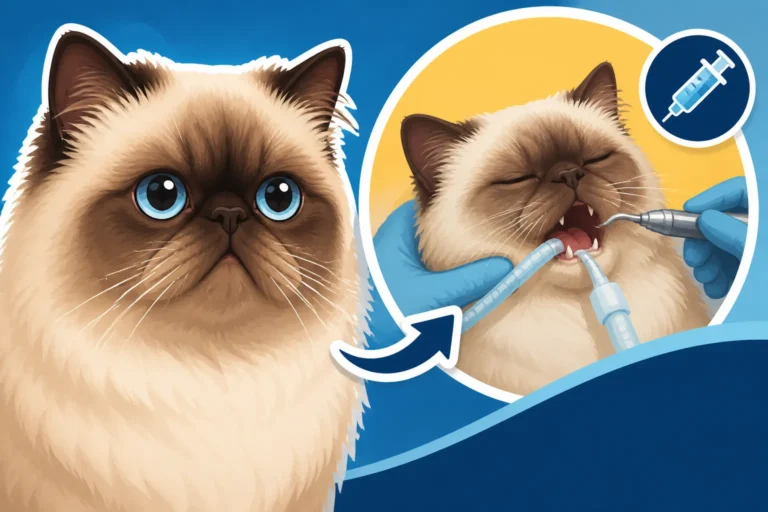
While it might seem unrelated, a Himalayan's unique jaw structure and potential dental issues can sometimes contribute to messy eating. Their shortened jaws mean their teeth are often crowded, leading to a higher incidence of dental disease.
A cat with sore gums, sensitive teeth, or even missing teeth due to their How Crowded a Himalayan's Lower Jaw Gets might find it uncomfortable to eat cleanly. They may chew awkwardly, causing more food to fall out, or become less efficient at manipulating food in their mouth. This can lead to more food dropping onto their ruff, a phenomenon sometimes seen in cats where Why a Himalayan Drops Food Onto Its Ruff. Regular dental check-ups and cleanings are crucial for all cats, but especially for Himalayans. Ensuring their mouth is healthy and pain-free can make mealtime a more comfortable, and perhaps slightly neater, experience. If you suspect dental pain, a vet visit is essential.
Training and Habit Formation
Consistency is key when it comes to managing your Himalayan’s mealtime mess. Establishing good habits early on, both for your cat and for yourself, will make the process much smoother in the long run.
- Positive Reinforcement: When introducing new bowls or a post-meal wiping routine, use positive reinforcement. Offer treats, gentle praise, and petting to associate these activities with pleasant experiences. This can be a powerful tool, as Why Food Is the Only Lever With a Himalayan often holds true!
- Routine: Cats thrive on routine. Feed them at consistent times each day. This predictability can reduce anxiety and encourage calmer eating habits. Immediately following the meal with a wipe should become a natural extension of that routine.
- Patience and Persistence: Changing a cat's habits takes time and patience. Don't get discouraged if your Himalayan doesn't immediately take to a new bowl or resist having their face wiped. Gentle, consistent effort will pay off. Teaching a Himalayan to Present for Its Face Wipe is a real possibility with consistent, positive training. Over time, they will learn to tolerate, and perhaps even enjoy, the attention. Remember, you're doing this for their comfort and health.
By understanding the unique challenges of the Himalayan's anatomy and habits, and by implementing these practical solutions, you can significantly reduce the amount of wet food that ends up in that gorgeous ruff. It takes a little extra effort, but your clean, comfortable, and healthy Himalayan is absolutely worth it.
Disclaimer
This article is for general informational purposes only and does not constitute professional advice. Laws, prices and regulations vary by location and change over time. Consult a qualified professional for guidance on your specific situation.