Whether a Himalayan’s Jaw Can Manage Raw Chunks
One common concern I hear from Himalayan cat parents is all about feeding time. Those adorable flat faces and compact jaws, while utterly charming, can present some real practical challenges, especially when you're looking into diets like raw feeding. It's only natural to wonder if your sweet, fluffy companion can actually manage the kind of food that other cat breeds might easily devour. This guide is here to walk you through the specifics of a Himalayan's unique oral anatomy and help you understand whether raw chunks are a viable, safe, or even advisable option for your beloved feline.
Understanding the Himalayan's Unique Oral Anatomy
When you look at your Himalayan's sweet, squishy face, you're looking at a marvel of selective breeding that gives them their distinctive appearance. But what's adorable on the outside creates some very specific considerations on the inside, particularly when it comes to their mouth and jaw structure. This isn't just about aesthetics; it profoundly impacts how they eat.
The Brachycephalic Challenge: What it Means for Eating
Himalayans, like their Persian cousins, are a brachycephalic breed. This fancy term simply means "short-headed," and it refers to their characteristically flattened face. While it contributes to their irresistible appeal, this facial structure comes with a significantly shortened upper jaw and a slightly prognathic (undershot) lower jaw. Imagine trying to eat with your face pushed in a bit!
This unique skull shape means that your Himalayan’s teeth don't always line up as perfectly as they might in a long-nosed cat. Their smaller oral cavity often leads to crowded teeth, especially in the front of their mouth. Those tiny incisors and even some of the canines can be a bit wonky, rotated, or simply packed too closely together. This crowding isn't just a cosmetic issue; it affects their ability to grasp, tear, and grind food effectively. A typical cat might use its incisors to grip, its canines to tear, and its molars to shear meat. For a Himalayan, this whole process can be much more challenging, making it hard to manage anything that isn't already bite-sized or easily crushed. You might observe them struggling to pick up kibble, or even dropping pieces of wet food, which often leaves their beautiful ruff a bit messy. This unique dental arrangement is a big part of How Crowded a Himalayan's Lower Jaw Gets.
Dental Health and Raw Feeding Considerations
Given their crowded little mouths, Himalayans are already predisposed to certain dental issues. Plaque and tartar can build up more quickly because their misaligned teeth don't naturally clean each other during chewing as effectively as a cat with a more standard jaw. Food particles can easily get trapped in those tight spaces, leading to gum inflammation, gingivitis, and eventually, more severe periodontal disease. This is why Why a Himalayan Needs Dentals Earlier Than a Siamese is such an important topic for every Himalayan owner to understand.
When considering a raw diet, many proponents highlight the dental benefits of chewing on raw meaty bones, suggesting it acts as a natural toothbrush. However, for a Himalayan, this can be a double-edged sword. While some softer, appropriate raw bones might offer some abrasive cleaning, larger, harder chunks of bone or meat could actually pose a risk. Their bite isn't designed for heavy-duty bone crushing, and attempting to chew on something too hard could lead to cracked teeth, painful gum injuries, or even jaw strain. The goal of raw feeding is often to provide whole, unprocessed foods, but for a Himalayan, "whole" might need a little modification to be truly beneficial and safe for their delicate oral structure.
The Practicalities of Feeding Raw Chunks to a Himalayan
So, you're keen on the idea of feeding raw, perhaps hoping for improved coat health, better hydration, or more natural digestion. But the question remains: can your Himalayan realistically handle raw chunks of meat, or even small, edible bones? The answer isn't a simple yes or no, but it leans heavily towards careful consideration and modification.
Why Large Chunks Are Often Problematic
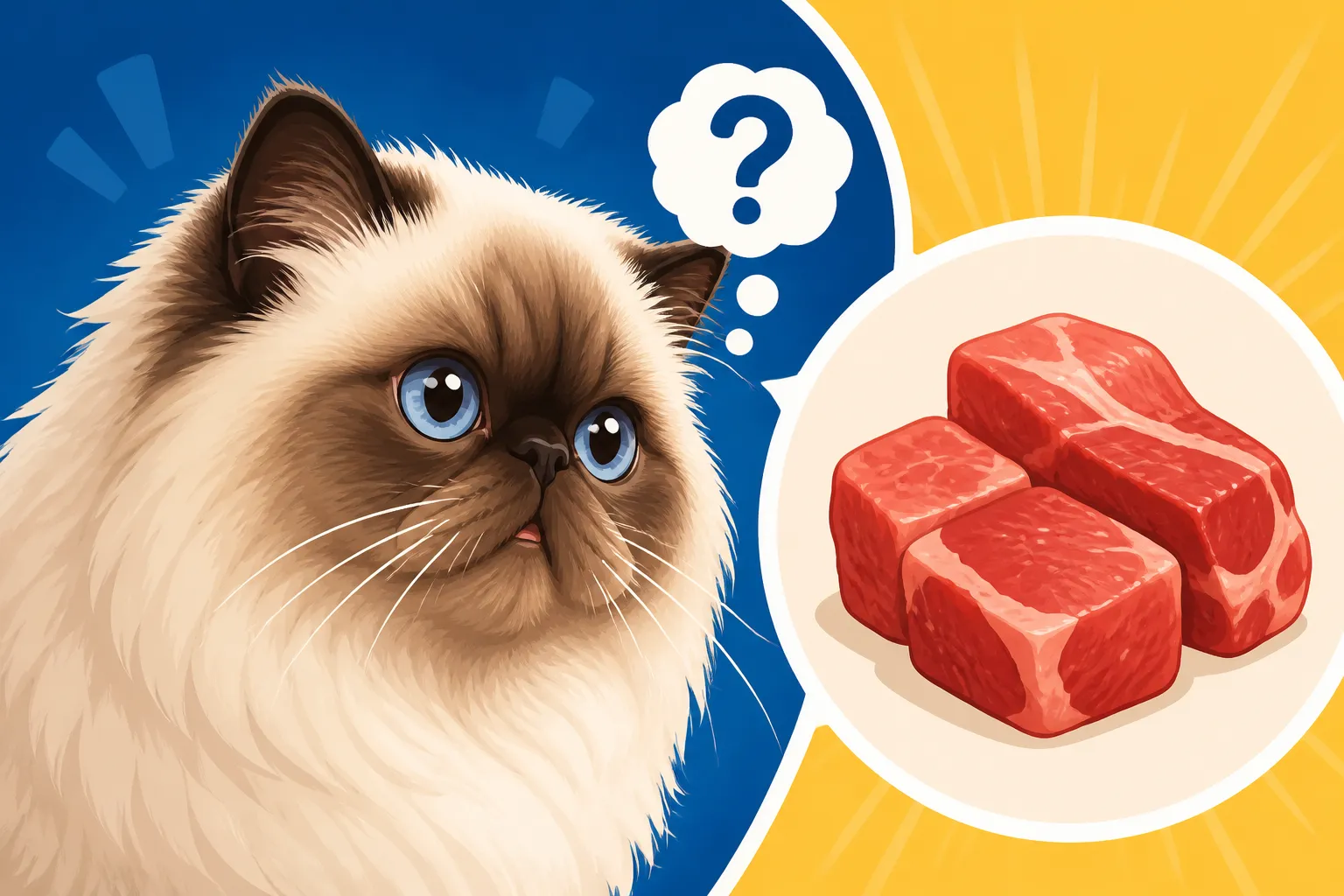
Imagine putting a large, meaty chicken wing or a substantial piece of beef stew meat in front of your Himalayan. What happens? Often, not much. Their flat face means they have a harder time getting a good grip on sizable items with their front teeth. Their jaws might not open wide enough to encompass a large chunk, and even if they do, their ability to tear and shear is compromised. Their molars, which are meant for shearing meat, are often not aligned optimally, making the grinding action inefficient.
Instead of tearing and chewing, you might see your Himalayan pawing at the food, pushing it around, or trying to swallow pieces that are too large. This isn't just inefficient; it can be downright dangerous. Large, unchewed chunks of meat or bone fragments can become choking hazards, especially for a cat whose airway might already be a bit constricted due to its brachycephalic structure. If they manage to swallow a piece too big, it could also lead to digestive upset, blockages, or difficulty passing through their system. The frustration of not being able to eat comfortably can also lead to disinterest in the food, despite it being nutritionally excellent. Many Himalayan owners find that their cats just give up, leaving the expensive raw meal untouched because it's too much work.
Safer Raw Options: Ground, Minced, and Small Pieces
This doesn't mean raw feeding is entirely off the table for Himalayans. It simply means the presentation needs to be tailored to their unique needs. The key is to provide raw food in a form they can easily manage.
- Finely Ground or Minced: This is often the safest and most practical approach. Raw meat, organs, and appropriate bone content can be ground or minced into a consistency that your Himalayan can easily lap up or chew with minimal effort. This bypasses the need for extensive tearing and grinding, reducing the risk of choking and making mealtime much less stressful for both of you. Many commercial raw food brands, like those found on Chewy or specialized raw food retailers, offer pre-ground formulations that are ideal. Some fresh, human-grade foods are also prepared in easily digestible textures.
- Small, Carefully Cut Pieces: If you prefer to feed a more "chunky" texture, ensure that all pieces are cut into very small, manageable bites – think pea-sized or smaller. This requires diligent preparation on your part, but it allows your cat to still engage with a bit more texture without the risks associated with larger chunks. Always check for any sharp edges, especially if you're including small, soft bone fragments.
- Frozen Raw Patties/Nuggets: Many raw food diets come in the form of frozen patties or nuggets. These often thaw into a softer, more easily mashed consistency, making them ideal for Himalayans. Just ensure they are fully thawed and perhaps even slightly warmed (never cooked!) to enhance their aroma and palatability.
The goal is to provide all the nutritional benefits of raw feeding without forcing your Himalayan to contend with physical challenges their unique jaw structure isn't equipped for. It’s all about working with their anatomy, not against it.
Nutritional Benefits and Risks of a Raw Diet for Himalayans
Deciding on a raw diet for any cat is a big step, and for a Himalayan, it comes with its own set of unique considerations. There are often compelling arguments for raw feeding, but it's crucial to weigh them against the specific challenges and risks associated with your brachycephalic companion.
Potential Advantages of Raw Feeding
When prepared correctly and tailored to your cat's needs, a raw diet can offer several benefits that might appeal to Himalayan owners:
- Improved Hydration: Many raw diets have a much higher moisture content than dry kibble, which is fantastic for a cat's overall health, especially kidney function. Cats are notoriously poor drinkers, and increased moisture intake through food can help support their urinary tract health. This is particularly relevant given that Himalayans, like Persians, can be predisposed to certain kidney conditions.
- Better Digestibility: Proponents of raw feeding often argue that a species-appropriate diet, mirroring what a cat would eat in the wild, is more easily digested. This can lead to smaller, less odorous stools and potentially fewer digestive upsets, which can be a relief for both cat and owner.
- Enhanced Coat Health: A diet rich in high-quality animal protein and essential fatty acids, often found in raw diets, can do wonders for a Himalayan's magnificent long coat. You might notice increased shine, less shedding, and a healthier skin barrier. This can contribute to What Protein Level a Himalayan's Coat Needs to keep it in prime condition, which in turn helps prevent matting and other coat issues.
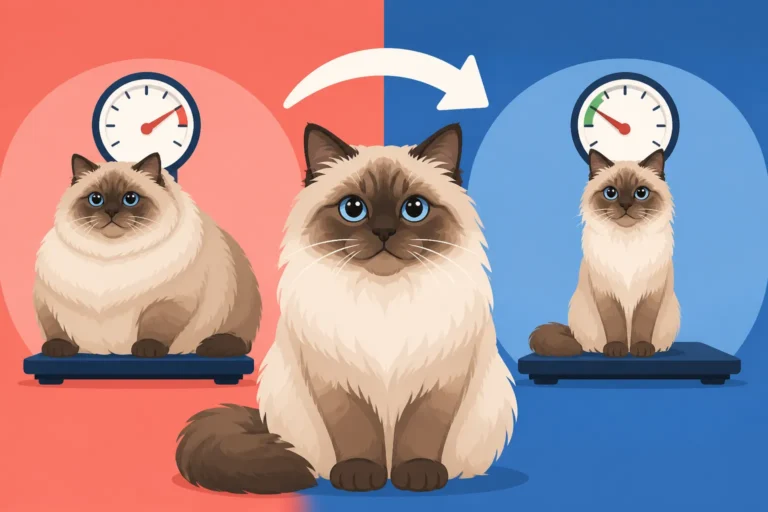
- Weight Management: Raw diets are often lower in carbohydrates compared to many commercial kibbles, which can help some cats maintain a healthier weight. Given that Himalayans are naturally a cobby (compact and sturdy) breed and can be prone to weight gain if overfed or inactive, this can be a significant advantage.
However, these benefits largely apply to a well-formulated and appropriately prepared raw diet, not necessarily one involving large, untrimmed chunks of meat or bone.
Specific Risks When Feeding Raw Chunks
While the general benefits of raw diets can be appealing, feeding raw chunks to a Himalayan introduces several specific risks that must be taken seriously:
- Choking Hazard: This is the most immediate and severe risk. A Himalayan's difficulty in properly tearing and chewing large chunks means they are more likely to attempt to swallow pieces whole or partially chewed. This dramatically increases the risk of choking, especially with tougher meats or any piece containing bone. Given their often compromised airway due to their flattened face, a choking incident could quickly become a dire emergency.
- Dental Damage: While small, soft, edible bones might offer some dental benefit, hard or large bone chunks can easily chip, crack, or even break your Himalayan's crowded teeth. Dental fractures are incredibly painful and often require expensive veterinary intervention, including extractions. It defeats the purpose of "natural dental cleaning" if it results in damaged teeth.
- Digestive Issues and Blockages: If large pieces of meat or bone are swallowed without adequate chewing, they can cause irritation, vomiting, diarrhea, or even gastrointestinal blockages. Cats' digestive systems are designed for properly broken-down food, and large, undigested pieces can overwhelm it.
- Bacterial Contamination: This is a general risk of raw feeding, regardless of breed. Raw meat can harbor bacteria like Salmonella or E. coli. While cats' stomachs are more acidic than ours, contamination can still cause illness in your cat or be passed to humans in the household. This risk is exacerbated if food isn't consumed quickly or is left out. For a Himalayan, whose face might get messier during eating, there's also the potential for bacterial residue to linger on their fur, increasing the chance of transfer.
Given these risks, most veterinarians and experienced Himalayan breeders would strongly advise against feeding large, unprocessed raw chunks to your Himalayan. The focus should be on providing the benefits of a raw diet in a safe and manageable format.
Best Practices for Introducing Raw Food to Your Himalayan
If you've decided that a raw diet, specifically one that's finely ground or minced, is the right path for your Himalayan, careful introduction and ongoing management are absolutely crucial. It's not a decision to be taken lightly, and it requires diligence.
Consulting Your Veterinarian
Before you even think about switching your Himalayan to a raw diet, the very first and most important step is to have a thorough discussion with your veterinarian. They know your cat's individual health history, any predispositions, and can offer personalized advice. Not all vets are proponents of raw feeding, but a good vet will be able to discuss the pros and cons honestly and help you understand how to mitigate risks. They can also advise on any supplements your cat might need, especially if you're planning to prepare the food yourself, to ensure it’s nutritionally complete.
Your vet can also perform a comprehensive dental exam to assess the current state of your Himalayan's crowded jaw and teeth, which is a critical factor in determining what textures they can safely manage. Given that Why a Himalayan Is a Harder Anesthetic Than a Siamese, discussing any potential future dental work and how a diet change might impact it is also prudent. They can guide you on specific brands or types of commercially prepared raw foods that meet high safety and nutritional standards.
Preparation and Presentation of Raw Meals
Once you have a plan in place, how you prepare and present the food for your Himalayan is paramount to their safety and enjoyment.
- Grinding and Mincing is Key: As discussed, for Himalayans, raw chunks are a definite no-go. Stick to finely ground or minced raw meat, organs, and bone. If you're buying whole cuts, you'll need a robust meat grinder at home, or you'll need to source pre-ground options from reputable suppliers. Ensure the grind is fine enough that there are no discernible large pieces that could pose a choking risk.
- Portion Control: Himalayans are not the most active cats, preferring their cozy spots to high-flying acrobatics. This means they don't burn as many calories as a more energetic breed. Precise portion control is essential to prevent unhealthy weight gain. Work with your vet to determine the appropriate caloric intake for your cat's age, weight, and activity level.
- Appropriate Bowl Choices: Their flat faces also mean they struggle with deep bowls, often pushing food out or bending their sensitive whiskers uncomfortably. Opt for wide, shallow bowls or flat plates. This allows them to access their food easily without squishing their face or making a huge mess. You can find excellent ceramic or stainless steel options on platforms like Amazon or at your local pet supply store. These materials are also easier to keep clean, which is important for raw feeding hygiene. Which Bowl Shape a Flat Faced Himalayan Can Use will give you more insight into this.
- Hygiene, Hygiene, Hygiene: Raw feeding demands impeccable hygiene. Always wash your hands thoroughly before and after handling raw meat. Clean all food preparation surfaces, bowls, and utensils with hot, soapy water immediately after use. Discard any uneaten raw food promptly; don't leave it sitting out for hours, especially with a cat whose facial fur might pick up bacteria.
Monitoring and Adjusting the Diet
The transition to any new diet, especially raw, should be gradual. Mix a small amount of the new raw food with their current food, slowly increasing the proportion over several days or even weeks. This helps their digestive system adjust and allows you to monitor their reaction.
- Observe Eating Habits: Watch how your Himalayan eats. Are they comfortable? Are they struggling to pick up or chew the food? Is their face getting excessively messy? Make adjustments as needed to the food's consistency or the feeding dish.
- Stool Consistency: Keep a close eye on their litter box. Changes in stool consistency, color, or odor are common during a diet transition. Diarrhea, constipation, or unusually soft stools could indicate that the diet isn't agreeing with them or that the transition is too fast.
- Energy Levels and Overall Health: Monitor their energy levels, coat condition, and general demeanor. A healthy raw diet should result in a vibrant, energetic cat with a beautiful coat. Any signs of lethargy, dull coat, or unusual behavior warrant a call to your vet.
- Regular Vet Check-ups: Even after a successful transition, regular veterinary check-ups are vital. These appointments allow your vet to monitor your Himalayan's weight, dental health, and overall nutritional status, ensuring the raw diet continues to meet their needs safely.
Raw Food Forms for Himalayans: A Quick Comparison
Here's a handy overview of different raw food forms and their suitability for your Himalayan:
| Raw Food Form | Suitability for Himalayans | Pros | Cons |
|---|---|---|---|
| Large Raw Chunks | Very Low (Not Recommended) | Closer to natural prey (in concept) | High choking risk, dental damage, difficult to chew, potential digestive blockages |
| Finely Ground/Minced | High (Recommended) | Easy to eat, reduces choking risk, allows for complete nutrition, good for dental health (no chewing of hard bones) | Requires careful sourcing/preparation, can be messy if not properly consumed |
| Small, Diced Pieces | Moderate (With Caution) | Offers some texture, less risk than large chunks | Still requires careful monitoring, pieces must be very small and tender, potential for missed pieces |
| Commercial Raw Patties/Nuggets (Thawed) | High (Recommended) | Convenient, pre-balanced, often easy to mash, widely available (e.g., on Chewy) | Can be more expensive, still needs to be fully thawed and served in an accessible way |
| Freeze-Dried Raw | High (Recommended) | Lightweight, shelf-stable, easy to rehydrate, good for travel | Can be pricey, requires rehydration to ensure moisture intake, texture might still need breaking down if large |
Ultimately, feeding your Himalayan a raw diet can be a rewarding choice, provided you prioritize their unique anatomical needs. Focus on finely processed forms, maintain impeccable hygiene, and work closely with your veterinarian to ensure your fluffy friend thrives safely.
Disclaimer
This article is for general informational purposes only and does not constitute professional advice. Laws, prices and regulations vary by location and change over time. Consult a qualified professional for guidance on your specific situation.