Why a Wide Shallow Water Bowl Suits a Himalayan
Many Himalayan cat owners find themselves constantly wiping wet fur from around their beloved feline's neck and chin, or watching their cat struggle to reach water in a standard bowl. It's a frustrating, messy reality that can lead to matted fur, skin irritation, and even reluctance to drink enough. This guide will walk you through precisely why the unique facial structure and luxurious coat of a Himalayan make a wide, shallow water bowl not just a convenience, but an absolute necessity for their comfort and well-being, and how to choose the perfect one for your fluffy companion.
The Unique Challenges of a Himalayan's Face and Coat
Living with a Himalayan cat is a joy, filled with their sweet purrs and affectionate gazes. However, their distinctive features, while beautiful, come with specific care requirements that standard pet products often overlook. When it comes to something as fundamental as drinking water, these unique characteristics pose significant challenges that need a tailored solution.
The Flat Face and Short Muzzle
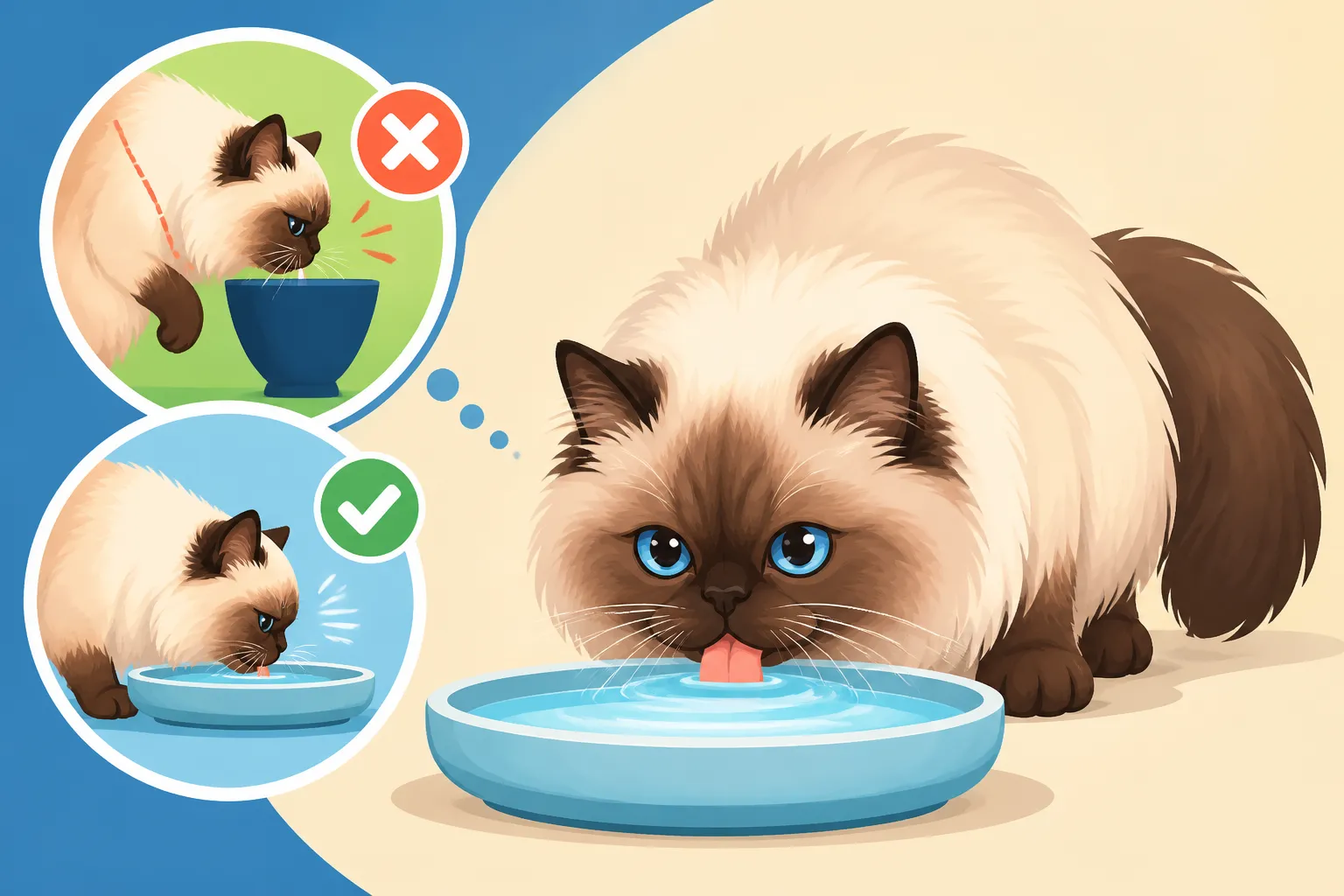
The most striking feature of a Himalayan is arguably its beautiful, flattened face, often referred to as a "Peke-face" or "Doll-face." While undeniably charming, this brachycephalic (short-nosed) structure means their muzzle is much shorter than most other cat breeds. Imagine trying to drink from a tall glass with a very short nose – it's awkward, uncomfortable, and often messy. For a Himalayan, a deep bowl forces them to dip their entire face, including their nostrils, into the water just to get a sip. This isn't just an inconvenience; it can make breathing difficult, even for a moment, as their already compromised airways are further obstructed by water. Many will try to drink by licking the surface or scooping water with a paw, but this isn't an efficient way to hydrate and can lead to water going everywhere but into their mouth.
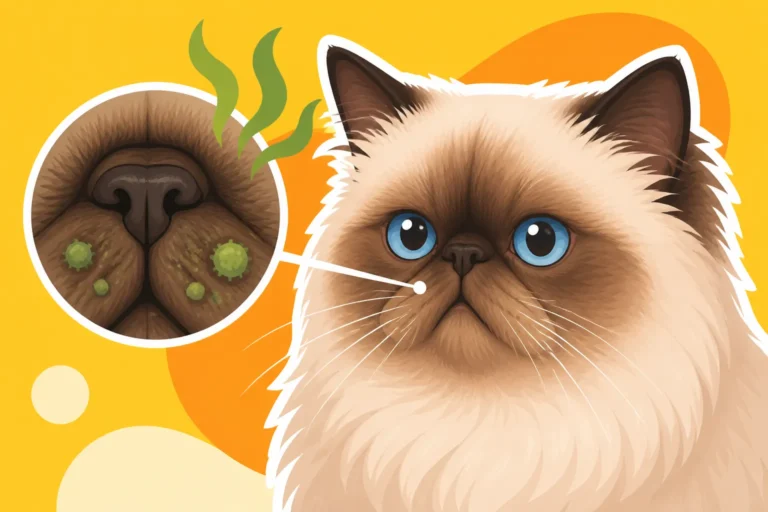
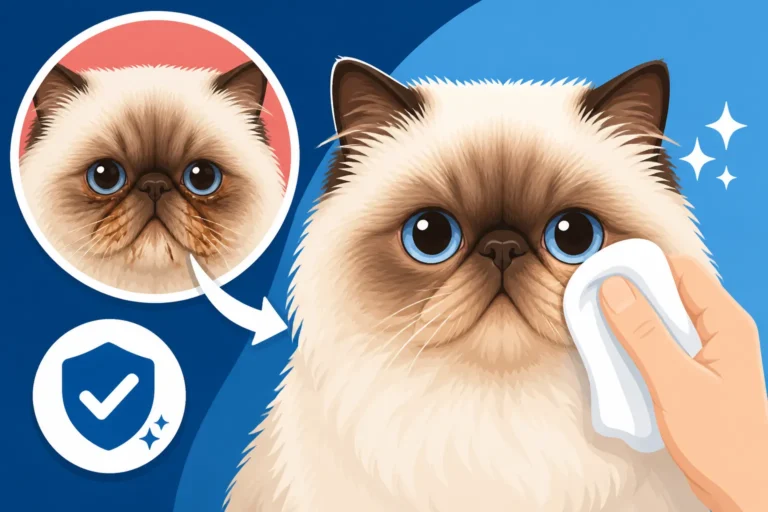
This constant dipping and struggling can also exacerbate issues related to their facial folds and tear staining. When their face gets wet repeatedly, the moisture can sit in the delicate folds around their nose and eyes, creating a breeding ground for bacteria and yeast. This can lead to skin irritation, foul odors, and even infections, adding another layer of grooming difficulty to an already high-maintenance routine. It's a domino effect, where a simple act like drinking from the wrong bowl can snowball into more complex health and hygiene problems. You might find yourself constantly wiping around their face, which is a daily task anyway, but becomes more urgent when their face is perpetually damp.
The Magnificent Ruff and Long Coat
Beyond their adorable flat faces, Himalayans are renowned for their incredibly long, dense, and luxurious coats, especially the magnificent ruff that frames their face. This thick fur, a legacy from their Persian lineage, is a sight to behold but can be a magnet for moisture. When a Himalayan dips its face into a deep water bowl, not only does its muzzle get wet, but so does a significant portion of its ruff and chest fur. This isn't just a slight dampness; it's often a thorough soaking that takes a long time to dry naturally.
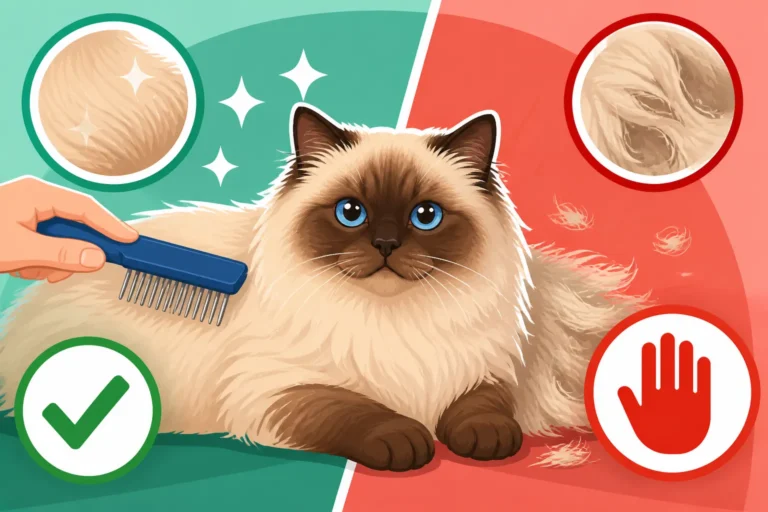
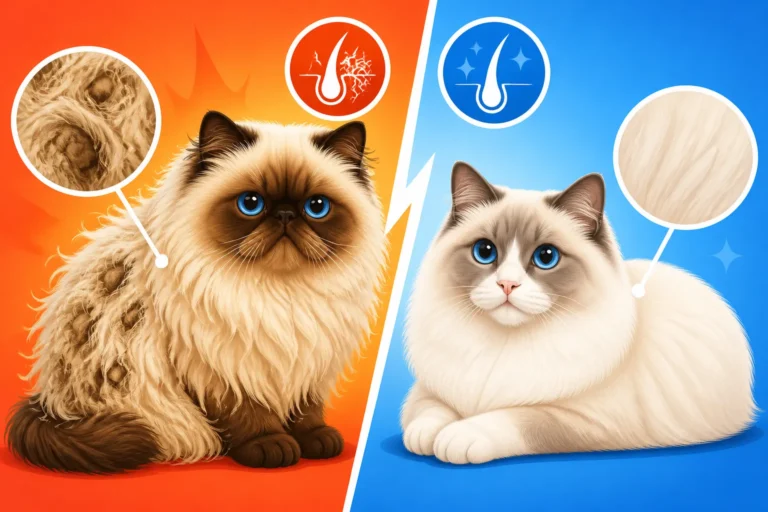
A constantly damp ruff is an open invitation for a host of problems. Firstly, it creates the perfect environment for mats to form. The delicate undercoat, once wet and then friction-rubbed against itself or other surfaces, quickly tangles into stubborn knots. These mats can be incredibly painful, pulling at the skin and sometimes requiring professional grooming or even sedation to remove. Secondly, prolonged dampness can lead to skin irritation, hot spots, or even fungal infections, especially in the warm, enclosed area under the ruff. Thirdly, the wet fur can start to smell quite unpleasant, developing a sour or mildewy odor that permeates their lovely coat and, by extension, your home. Keeping a Himalayan's coat pristine is already a considerable commitment, requiring The Daily Comb a Himalayan Cannot Skip, and a perpetually wet ruff just adds unnecessary stress and work for both you and your cat.
Why a Wide, Shallow Bowl is the Perfect Solution
Given the specific challenges presented by a Himalayan's unique anatomy, it becomes clear that a standard water bowl simply doesn't cut it. The solution lies in a design that caters directly to their needs: a wide, shallow water bowl. This seemingly simple change can make a world of difference for their comfort, hygiene, and overall health.
Minimizing Ruff Soaking and Matting
A wide, shallow bowl is a game-changer because it allows your Himalayan to drink without getting their beautiful ruff soaked. The wide opening means they can approach the water from a comfortable angle, positioning their mouth over the surface without having to push their entire face down into the bowl. The shallow depth ensures that only their tongue makes contact with the water, or perhaps just the very tip of their chin, leaving the voluminous fur around their neck and chest completely dry.
The benefits of a dry ruff are immense. You'll notice a drastic reduction in matting around their neck and chest area, which means less time spent meticulously combing out tangles and less discomfort for your cat. Less moisture also means a lower risk of skin irritation, dermatitis, or those unpleasant sour smells that can develop in damp fur. It translates to a cleaner, healthier coat that requires less intensive spot-cleaning. For owners, this means a significant reduction in daily grooming stress and a happier, more comfortable cat who isn't constantly dealing with damp, uncomfortable fur. It also helps prevent problems like Why a Himalayan's Pale Body Coat Yellows, as prolonged dampness can contribute to discoloration.
Easier Access and Comfortable Drinking Position
Beyond keeping their ruff dry, a wide, shallow bowl vastly improves the ergonomics of drinking for a brachycephalic cat like the Himalayan. With a flat face and short muzzle, they naturally struggle to get their mouth into a deep, narrow container. A shallow bowl, however, requires minimal effort and allows them to maintain a more natural, comfortable head and neck position. They don't have to crane their neck at an awkward angle or bend excessively, which can be particularly beneficial for older Himalayans who might be developing joint stiffness or arthritis.
This ease of access encourages more frequent hydration. Cats, by nature, are not always the best drinkers, and any barrier to comfortable drinking can lead to them consuming less water than they truly need. Adequate hydration is crucial for overall health, especially for kidney function. By making the act of drinking effortless and comfortable, a wide, shallow bowl ensures your Himalayan is more likely to stay well-hydrated throughout the day. You might even find they stop trying to paw at the water, which often makes a huge mess, because they can finally drink with dignity. This improved posture and ease of access can also contribute to preventing unnecessary spills, keeping your floors cleaner and reducing the likelihood of slips.
Choosing the Right Material and Features
Once you're convinced that a wide, shallow water bowl is the way to go for your Himalayan, the next step is selecting the best one. It's not just about aesthetics; the material, stability, and exact dimensions all play a crucial role in its effectiveness and ease of use for both you and your furry friend.
Best Materials for Hygiene and Durability
The material of your cat's water bowl is more important than you might think, especially when it comes to hygiene and longevity. Here are the top contenders:
- Ceramic: These bowls are generally heavy, which makes them stable and less likely to be tipped over by a curious or clumsy cat. Ceramic is also non-porous, meaning it won't harbor bacteria as easily as plastic, and it's easy to clean. Many ceramic options are also quite attractive and come in various designs to match your home decor. The main downside is that they can break if dropped, and a chipped ceramic bowl can have sharp edges that pose a risk. You can find lovely ceramic pet bowls on online retailers like Chewy or Amazon.
- Stainless Steel: Often considered the gold standard for pet bowls, stainless steel is incredibly durable, hygienic, and non-porous. It's resistant to rust and bacteria buildup, and generally dishwasher safe. It's also virtually indestructible, which is great if your cat is prone to knocking things around. Some cats might be sensitive to the metallic smell or taste, though this is rare. Look for food-grade stainless steel for the best quality. Many reputable pet brands offer excellent stainless steel bowls that are perfect for a Himalayan's needs.
- Glass: Similar to ceramic, glass bowls are non-porous and easy to clean, offering a very hygienic surface. They are also heavy enough to provide some stability. The primary drawback, of course, is their fragility; a dropped glass bowl will almost certainly shatter, which can be dangerous. They are also usually more expensive than other options.
Plastic bowls are generally not recommended for any cat, especially Himalayans. They can scratch easily, creating tiny crevices where bacteria can thrive, leading to issues like "cat acne" on their chin. They also tend to absorb odors and can sometimes leach chemicals into the water. For the health and longevity of your Himalayan, investing in a high-quality ceramic, stainless steel, or glass bowl is always the best choice.
| Material | Pros | Cons | Recommended For |
|---|---|---|---|
| Ceramic | Heavy, stable, easy to clean, non-porous | Fragile, can chip | Most households, aesthetic preference |
| Stainless Steel | Durable, hygienic, non-porous, dishwasher safe | Can be noisy, some cats dislike metal taste | Active cats, multi-cat households, maximum hygiene |
| Glass | Hygienic, non-porous, easy to clean | Very fragile, expensive | Quiet homes, aesthetic preference |
| Plastic | Lightweight, inexpensive | Scratches easily, harbors bacteria, odors | Not recommended for Himalayans or any cat |
Stability and Non-Slip Features
Imagine your majestic Himalayan taking a drink, and with a slight nudge, the entire bowl slides across the floor, or worse, tips over, creating a watery disaster. This is a common scenario if you don't consider the stability of the bowl. For a cobby, well-built cat, a lightweight bowl is simply an accident waiting to happen. Look for bowls with a wide base and sufficient weight to resist tipping. Ceramic and glass bowls inherently offer this stability due to their density.
For lighter bowls, particularly stainless steel ones, look for features like rubberized rings or silicone feet on the bottom. These non-slip additions provide grip against the floor, preventing the bowl from sliding during drinking or if your cat decides to engage in a bit of playful "water pawing." This not only saves you from constant cleanup but also ensures your cat doesn't get startled or frustrated by a moving bowl. A stable bowl allows your Himalayan to drink confidently and comfortably, without the added stress of chasing their water source across the kitchen floor. It also means you won't have to deal with wet patches that could lead to Why a Himalayan's Coat Hides a Wound for Days if the skin underneath stays damp.
The Right Size and Depth Considerations
When we say "wide" and "shallow," what does that actually mean in practical terms? For a Himalayan, a bowl should typically have a diameter of at least 6-8 inches. This generous width ensures that their whiskers don't constantly brush against the sides, which many cats find irritating. Whisker fatigue is a real thing, and avoiding it encourages more relaxed and consistent drinking. The "shallow" aspect means the water depth should be no more than 1-2 inches when filled. This allows them to lap comfortably without needing to dip their chin or ruff.
Many bowls are now specifically marketed as "brachycephalic friendly" or "whisker relief" bowls, which are excellent options. These often feature an oval shape or a sloped interior that makes it even easier for flat-faced breeds to access the water. When shopping, don't just guess; measure your current bowls and compare them. Observe your cat's drinking habits. Does their ruff always get wet? Do they paw at the water? These observations will guide you to the perfect dimensions. Remember, the goal is to make drinking as natural and effortless as possible, encouraging optimal hydration and minimizing any of the grooming or health issues associated with their unique breed characteristics.
Maintenance and Placement for Optimal Hydration
Even with the perfect wide, shallow water bowl, the job isn't done. Proper maintenance and strategic placement are equally vital to ensure your Himalayan stays well-hydrated and healthy. These practices will maximize the benefits of your carefully chosen bowl and contribute significantly to your cat's overall well-being.
Daily Cleaning and Fresh Water
This might sound like a no-brainer, but it's astonishing how many pet owners don't clean their cat's water bowl daily. Just as you wouldn't drink from a dirty glass, your Himalayan deserves fresh, clean water at all times. Over the course of a day, a slimy film, known as biofilm, can build up on the surface of the bowl. This biofilm is a breeding ground for bacteria, yeast, and algae, which can not only make the water unappealing to your cat but also pose health risks.
Make it a habit to empty, wash, and refill your Himalayan's water bowl every single day. Using warm, soapy water is usually sufficient, followed by a thorough rinse. For ceramic or stainless steel bowls, running them through the dishwasher on a regular basis is an even better way to sanitize them. The fresher the water, the more enticing it will be for your cat to drink. Remember that proper hydration is especially critical for a Himalayan, given the potential for inherited conditions like PKD1 Came Down the Persian Side of a Himalayan. Ensuring they drink enough clean water can play a supportive role in managing their long-term health. If you notice your cat being pickier with their water, it might just be a sign the bowl needs a good scrub.
Strategic Placement for Encouraging Drinking
Cats are particular creatures, and where their water bowl is placed can significantly influence how much they drink. Avoid placing the water bowl directly next to their food bowl. In the wild, cats instinctively keep their food and water sources separate to prevent contamination from prey. Replicating this natural preference by placing their water bowl a few feet away, or even in a different room, can encourage more drinking. Similarly, keep the water bowl away from the litter box; no one wants to drink next to their toilet!
Consider placing multiple water stations around your home. If your Himalayan spends a lot of time lounging in a particular room, a water bowl there will be much more convenient than one across the house. Cats are also very sensitive to their environment, so choose a quiet, low-traffic area where your Himalayan feels safe and unthreatened. Placing a bowl in a cool spot, away from direct sunlight or heat sources, can also keep the water fresher and more appealing. You might notice your Himalayan gravitating towards cooler areas of the house, like tile floors, which is partly because of their dense coat and flat face making them prone to overheating, as discussed in Why a Himalayan Overheats Twice as Fast as a Siamese. A cool, readily accessible water source is therefore paramount.
Recognizing Hydration Issues and When to Seek Vet Advice
Even with the perfect bowl and diligent care, it's crucial to be aware of your Himalayan's hydration levels and to know when to seek professional help. Signs of dehydration can include lethargy, loss of appetite, sunken eyes, dry or tacky gums, and reduced skin elasticity (when you gently pinch the skin on their back, it should snap back quickly). If you notice any of these symptoms, contact your veterinarian immediately. Dehydration can quickly become serious, especially for cats.
Conversely, a sudden increase in thirst can also be a red flag. While it might seem counterintuitive, excessive drinking (polydipsia) can be a symptom of underlying health conditions such as kidney disease, diabetes, or hyperthyroidism. Himalayans, due to their Persian heritage, are predisposed to certain conditions, including How Young a Himalayan Can Go Into Kidney Failure, where early detection is key. If you observe your cat drinking significantly more than usual, even if it seems like a good thing, it warrants a vet visit. Your veterinarian can perform diagnostic tests to determine the cause and recommend appropriate treatment, which might include specific dietary changes or medications. Keeping a close eye on their water intake is a simple but powerful way to monitor their overall health.
Disclaimer
This article is for general informational purposes only and does not constitute professional advice. Laws, prices and regulations vary by location and change over time. Consult a qualified professional for guidance on your specific situation.