When an Old Himalayan Can No Longer Reach Its Back
It’s a heart-wrenching moment for any Himalayan cat parent when you start to notice your once fastidious furball isn’t quite reaching those tricky spots anymore. As our beloved Himalayans age, they can face a myriad of physical changes that make self-grooming, particularly their back and hindquarters, a real challenge. This comprehensive guide will walk you through understanding why this happens, how to spot the signs, and most importantly, how to step in with loving, practical care to keep your senior Himalayan comfortable and his magnificent coat in tip-top shape.
Understanding Why Grooming Becomes Difficult for Senior Himalayans
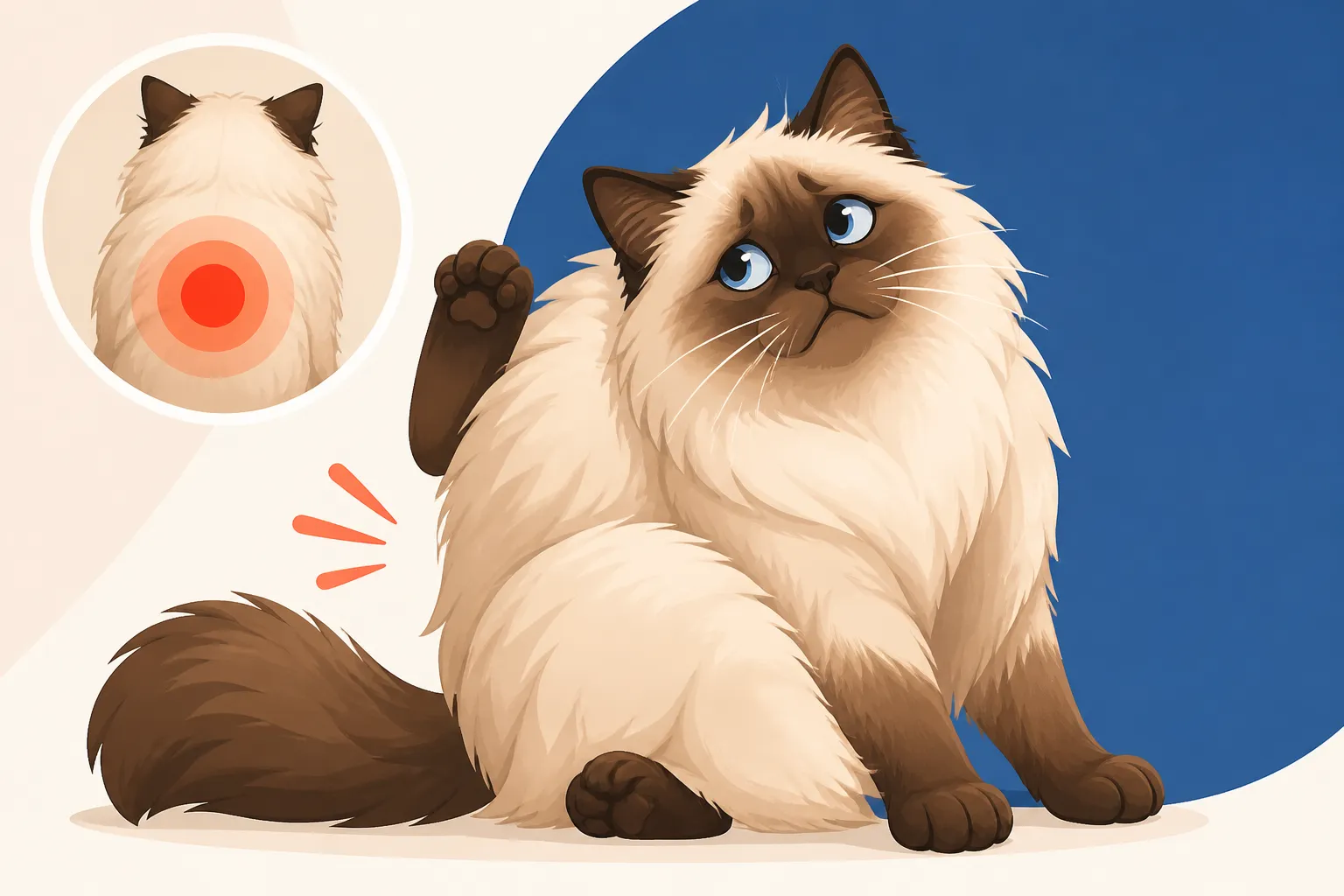
Watching your graceful Himalayan struggle to twist and turn for a good grooming session can be tough. It's not laziness on their part; rather, it’s a clear signal that something physical is making those intricate movements difficult or even painful. Just like us, cats experience wear and tear on their bodies over time, and a Himalayan's unique build, with its dense coat and cobby body, can exacerbate these age-related issues.
The Impact of Arthritis and Joint Pain
One of the most common culprits behind an older Himalayan's grooming woes is arthritis. As cats age, the cartilage in their joints can wear down, leading to inflammation, stiffness, and pain. Imagine trying to stretch your arm behind your back when your shoulder or elbow aches with every movement. That's often what your senior Himalayan is feeling when attempting to reach their lower back or hind legs. They simply can't achieve the flexibility needed without discomfort.
This isn't just about big, obvious limping. Subtle signs like reluctance to jump onto a favorite chair, slower movements, or a hesitant gait can all point to underlying joint pain. The spine, hips, and elbows are particularly susceptible, making those elaborate contortions required for back grooming increasingly difficult. Their world shrinks a little when every movement hurts, and self-care is often one of the first things to suffer. How Arthritis Shows in a Himalayan That Never Jumped dives deeper into recognizing these subtle signs in a breed not known for high jumps.
Weight Gain and Reduced Flexibility
Himalayans are naturally cobby, meaning they have a stocky, rounded body, and it's quite easy for them to pack on a few extra pounds, especially as they become less active with age. That extra weight can significantly hinder their ability to reach their back. A thicker midsection or heavier hindquarters create a physical barrier, making it nearly impossible for them to bend sufficiently. Think of it like trying to touch your toes after a large meal – it's just harder to fold yourself into position.
Beyond pure bulk, age itself brings a general reduction in overall body flexibility. Muscles may lose some elasticity, and connective tissues can stiffen. Even without significant arthritis, this natural stiffening makes the acrobatic feats of self-grooming more of a challenge. An overweight senior Himalayan essentially faces a double whammy: more body to maneuver and less ability to maneuver it. Why a Cobby Himalayan Is Weighed at Every Visit explains why maintaining a healthy weight is so crucial for this breed.
Dental Issues and Oral Discomfort
While it might seem unrelated, dental pain can absolutely impact a Himalayan's grooming habits. Cats use their teeth and tongues extensively when cleaning their fur. If your older Himalayan has painful dental disease – common in many senior cats, especially breeds with shortened jaws – the thought of putting pressure on their mouth or tongue might be enough to deter them from grooming altogether.
Imagine a severe toothache; the last thing you want to do is chew or apply pressure to your mouth. A cat with gingivitis, fractured teeth, or resorptive lesions (a painful condition where the tooth structure erodes) may avoid the vigorous licking and nibbling necessary to keep their coat free of tangles and mats. The pain could make every lick agonizing, leading them to abandon the effort, particularly in hard-to-reach areas like the back.
Recognizing the Signs Your Himalayan Needs Grooming Help
It's easy to overlook subtle changes, especially when you see your beloved cat every day. But knowing what to look for can help you intervene before small mats become big problems. Your Himalayan's coat is a billboard for their overall health and comfort, and when it starts to decline, it's telling you something important.
The Appearance of Mats and Tangles
The most obvious sign that your Himalayan is struggling is the presence of mats and tangles, particularly along their back, hindquarters, armpits, and under their "britches" (the long fur on their upper hind legs). These are the areas most difficult for them to reach and, consequently, the first to show neglect. A mat starts as a small knot of fur and, if left untended, can quickly grow into a dense, felt-like patch that pulls on the skin, causing significant discomfort and even pain.
You might notice their fur looks duller, less soft, or just generally unkempt compared to its usual pristine state. When you run your hand along their back, you might feel small, hard clumps that weren't there before. These aren't just cosmetic issues; mats can restrict movement, hide skin infections, and even lead to severe discomfort. Catching them early is key, and it requires you to be proactive with checking their coat.
Changes in Coat Luster and Texture
Beyond outright mats, a general decline in the quality and luster of your Himalayan's coat can be a big indicator. A healthy Himalayan coat is typically soft, luxurious, and somewhat shiny. If you notice your cat's fur becoming greasy, brittle, or simply dull, it suggests they aren't distributing natural oils through their grooming.
This change in texture can also lead to more static, making the fur prone to knotting even faster. You might also see more shedding than usual, as loose hairs aren't being properly removed. It's a cascading effect: reduced grooming leads to a poorer coat, which then becomes even harder for the cat to groom, creating a vicious cycle. Pay attention to how the light hits their fur – if it looks flat and lifeless, it's time to step in.
Behavioral Cues and Discomfort
Sometimes, your Himalayan will communicate their struggle through their behavior rather than just their coat. They might become irritable or vocal when you try to touch areas that are matted or painful. Perhaps they flinch, growl, or even try to bite if you inadvertently tug on a mat. This isn't aggression; it's a pain response.
You might also observe them attempting to groom, but with less success. They might spend a lot of time licking one accessible spot, like a paw, while ignoring their back. Or you might see them try to twist around, only to give up quickly with a sigh or a disgruntled meow. Reduced activity, reluctance to be petted on their back, or a generally subdued demeanor can also be subtle hints that they're not feeling their best and grooming has become a chore rather than a pleasure. These behavioral changes often accompany the physical signs and shouldn't be ignored. Why a Himalayan Hides Illness Behind an Expressionless Face provides insights into the breed's stoic nature when it comes to discomfort.
Here's a quick summary of what to watch for:
| Grooming Difficulty Sign | What It Looks Like | Potential Underlying Cause |
|---|---|---|
| Mats & Tangles | Hard, clumpy patches, especially on back, britches, armpits | Arthritis, weight gain, reduced flexibility, dental pain |
| Dull/Greasy Coat | Loss of shine, rough or sticky texture | Lack of proper oil distribution from grooming, skin issues |
| Increased Shedding | More loose hair, often trapped in coat | Inability to remove dead undercoat |
| Vocalizing/Flinching When Touched | Hissing, growling, pulling away when grooming affected area | Pain from mats, arthritis, or skin irritation |
| Reduced Grooming Attempts | Less time spent licking, focusing on easy-to-reach areas | Physical limitation, pain, disinterest due to discomfort |
| Subdued Demeanor | Less active, less interactive, sleeping more | General discomfort, pain, feeling unwell |
Practical Solutions for Assisting Your Aging Himalayan
Once you've identified that your senior Himalayan needs a helping hand with grooming, the good news is there are many practical steps you can take. Your goal is to make grooming a comfortable, positive experience, not a battle. Consistency and gentle handling are paramount, building trust over time.
Establishing a Gentle Daily Combing Routine
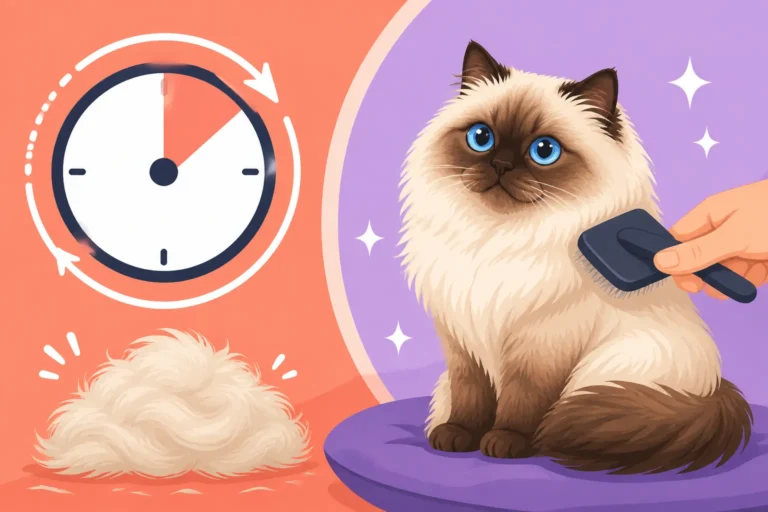
The cornerstone of assisting your aging Himalayan is establishing a consistent, gentle daily combing routine. This isn't just about removing mats; it's about prevention. A short session every day is far better than a long, painful struggle once a week. Arm yourself with the right tools: a good quality metal comb with both wide and fine teeth is essential, along with a slicker brush for fluffing and smoothing. You can find excellent options on Amazon or Chewy.
Start with short sessions, just a few minutes at a time, focusing on areas your cat tolerates. Gradually extend the time and work your way to those trickier spots like the back, tail, and britches. Use a soft, reassuring voice. Offer treats frequently during and after the session to create a positive association. Always support their body, especially if they have arthritis, so they feel secure. Gently comb out small tangles with the wider teeth first, then move to the finer teeth. If you encounter a mat, do not pull! We’ll cover mat removal in a moment. Remember, the key is consistency and making it a soothing ritual, not a chore. The Daily Comb a Himalayan Cannot Skip provides more guidance on making this a regular part of your cat's life.
Targeted Mat Removal Strategies
Mats are painful and must be addressed, but never pull or cut them out with scissors if they are close to the skin. This can easily cut your cat's delicate skin, which is often very thin under mats. For small, loose mats, you might be able to gently tease them apart with your fingers, then work through them with a mat splitter tool or the fine teeth of your comb, holding the skin at the base of the mat to prevent pulling. Always work slowly and patiently.
For larger, tighter mats, professional help is often the safest and most humane option. A professional groomer has specialized tools, techniques, and experience in safely removing mats, often using clippers. In severe cases, a vet might need to sedate your cat to safely shave off extensive matting, especially if skin irritation or infection is present underneath. This isn't just about aesthetics; it's about relieving pain and preventing further skin issues. Don't feel guilty about seeking professional help – it's an act of kindness to your cat. What a Matted Himalayan Becomes a Medical Case underscores the seriousness of neglected matting.
Professional Grooming Services
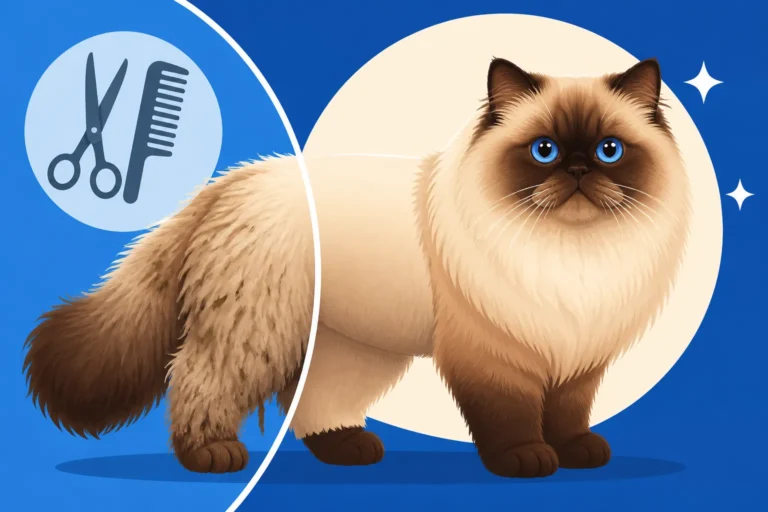
Even with the best at-home care, many senior Himalayans benefit immensely from regular professional grooming. A professional groomer can tackle those hard-to-reach areas, safely remove mats, trim britches, and give a full-body bath and blow-dry (if your cat tolerates it). They can also perform a "lion cut," where the body is shaved down, leaving a mane, a tuft on the tail, and boots on the legs. This significantly reduces the amount of fur that needs daily maintenance and can be a huge relief for a cat struggling with mobility.
It's important to find a groomer experienced with long-haired breeds and senior cats, someone who prioritizes gentle handling and understands their limitations. Discuss your cat's health concerns, like arthritis, so they can adjust their approach. Regular appointments, perhaps every 8-12 weeks, can keep your Himalayan's coat manageable and prevent mats from forming in the first place, allowing you to focus on daily maintenance of just the remaining fur.
Using Specialty Grooming Tools and Aids
Beyond a standard comb, there are several tools and aids that can make grooming an older Himalayan easier:
- Mat Splitter or Dematting Tool: These tools have blades designed to cut through mats without pulling the surrounding fur. Use with extreme caution and always away from the skin.
- Detangling Sprays: A good quality detangling spray can make combing easier by lubricating the fur, allowing the comb to glide through tangles more smoothly. Look for cat-safe formulas on sites like Chewy.
- Grooming Gloves: These gloves have rubber nubs that gently massage your cat while removing loose fur. Many cats enjoy the sensation, making it a good way to start a grooming session positively.
- Elevated Grooming Table with Non-Slip Mat: If your cat is okay with it, an elevated surface can save your back and bring your cat to a comfortable working height. A non-slip mat ensures their stability.
- Soft Bristle Brush: For a final smoothing touch or for cats who are very sensitive, a soft bristle brush can be comforting and help distribute natural oils.
Maintaining Overall Well-being for a Senior Himalayan
Assisting with grooming is just one piece of the puzzle for a senior Himalayan. Their overall comfort and health play a huge role in their willingness and ability to maintain themselves. Holistic care that addresses their changing needs will contribute greatly to their happiness and longevity.
Adapting Their Environment for Comfort
As your Himalayan ages and becomes less mobile, making their environment more accessible can reduce strain and encourage activity.
- Low-Entry Litter Boxes: Consider a litter box with a lowered entry point. Climbing over high sides can be painful for arthritic hips and knees.
- Ramps or Steps: Provide ramps or pet steps to their favorite sleeping spots on the sofa or bed. This eliminates the need for painful jumps and still allows them to enjoy their preferred elevated perches.
- Soft Bedding: Ensure they have plenty of soft, orthopedic bedding in their favorite napping spots. Warmth can help soothe arthritic joints.
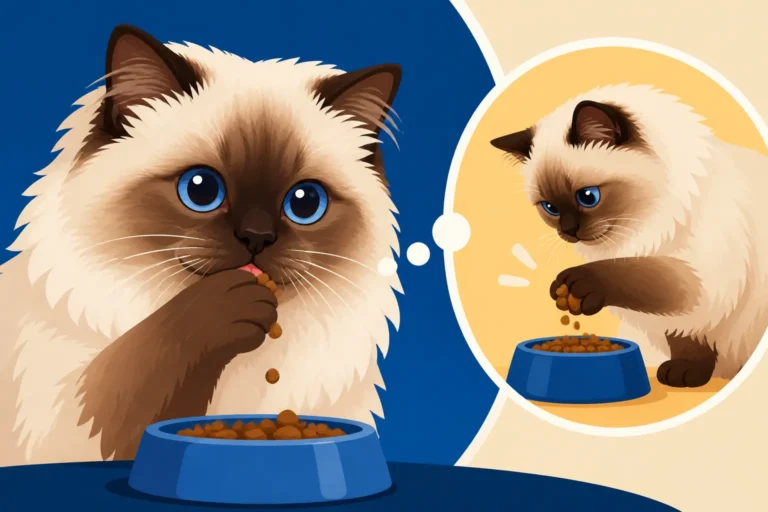
- Food and Water Bowl Placement: Place food and water bowls in easily accessible locations. Some older cats also benefit from elevated bowls, which reduce the need to bend their neck and back, especially if they have a flatter face. You can find various ergonomic bowl designs on Amazon. Which Bowl Shape a Flat Faced Himalayan Can Use offers guidance on selecting the best bowls.
Nutritional Support for Senior Cats
Proper nutrition is vital for supporting an aging body, including joint health and skin and coat condition. Many senior cat foods are formulated with ingredients like glucosamine and chondroitin for joint support, and omega-3 fatty acids for skin, coat, and anti-inflammatory benefits.
- Joint Supplements: Talk to your vet about specific joint supplements. These often contain ingredients like MSM, turmeric, or green-lipped mussel, which can help reduce inflammation and support cartilage health.
- Omega Fatty Acids: Ensure their diet includes a good source of omega-3s, which can improve coat quality and reduce skin dryness, making grooming easier. Many high-quality cat foods, or even supplements from reputable brands, incorporate these.
- Weight Management: If your Himalayan is overweight, work with your vet to implement a controlled weight loss plan. Losing even a small amount of excess weight can significantly alleviate pressure on joints and improve flexibility.
Regular Veterinary Check-ups and Pain Management
Regular veterinary check-ups are non-negotiable for senior cats. Your vet can assess their overall health, including kidney function, thyroid levels, and dental health, all of which can impact grooming. They can also diagnose and manage chronic pain conditions like arthritis.
- Pain Relief: If arthritis is confirmed, your vet might prescribe anti-inflammatory medications or other pain relievers. Managing their pain is crucial; a comfortable cat is more likely to engage in some self-grooming and certainly more likely to tolerate your assistance.
- Dental Care: Discuss your cat's dental health. If dental disease is significant, a professional dental cleaning under anesthesia might be recommended. Addressing mouth pain can improve their overall well-being and willingness to groom.
- Annual Bloodwork: Senior Himalayans should have annual blood tests to monitor organ function. What a Himalayan's Yearly Bloods Should Cover After Eight explains the importance of these checks. Early detection of issues like kidney disease or hyperthyroidism can allow for timely intervention and improve their quality of life.
Supporting your senior Himalayan as they navigate the natural challenges of aging is one of the most loving things you can do. By understanding their needs, providing consistent grooming assistance, adapting their environment, and working closely with your vet, you can ensure their golden years are as comfortable and dignified as possible, preserving that beautiful coat and their sweet temperament.
Disclaimer
This article is for general informational purposes only and does not constitute professional advice. Laws, prices and regulations vary by location and change over time. Consult a qualified professional for guidance on your specific situation.