Clyde Keeler, Virginia Cobb and the First Himalayan
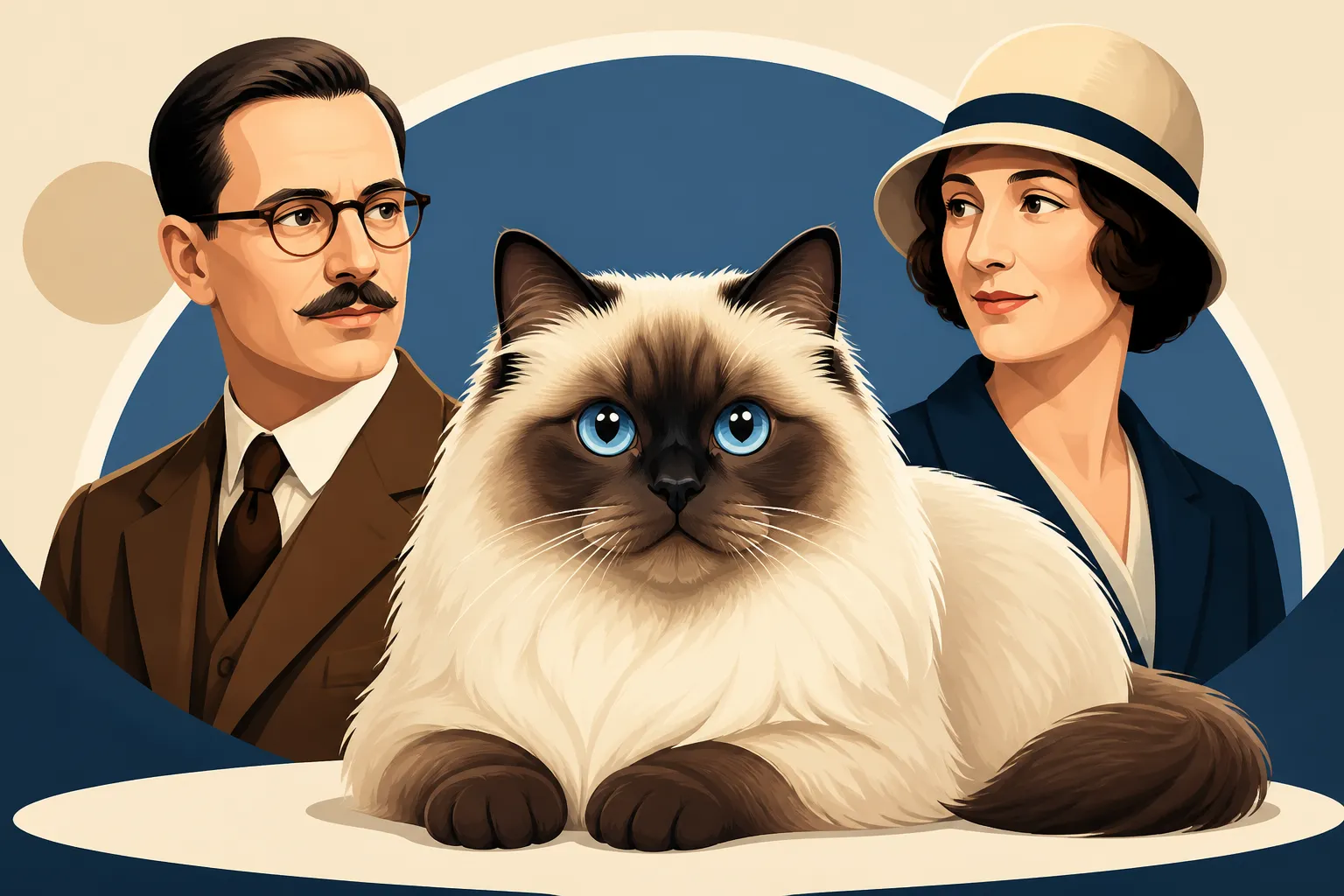
Many cat lovers adore the Himalayan's distinctive pointed coat and sweet nature, but few realize the scientific journey behind this beloved breed. It wasn't just a happy accident; it was the result of deliberate genetic research by pioneering scientists who sought to understand the mysteries of heredity. This guide will take you back to the very beginning, exploring the groundbreaking work of Clyde Keeler and Virginia Cobb, and how their quest for genetic understanding ultimately brought the first Himalayan cats into existence.
The Scientific Quest: Unraveling Coat Color Genetics
Before the Himalayan cat graced our homes, its unique color pattern was a fascinating puzzle for geneticists. The idea that temperature could influence coat color in animals wasn't new, but proving it through controlled breeding experiments was a monumental undertaking. Imagine, if you will, the scientific landscape of the early 20th century, where the secrets of DNA were still decades from being fully unlocked, and observable traits were the primary tools for understanding inheritance.
The Enigma of Himalayan Patterning
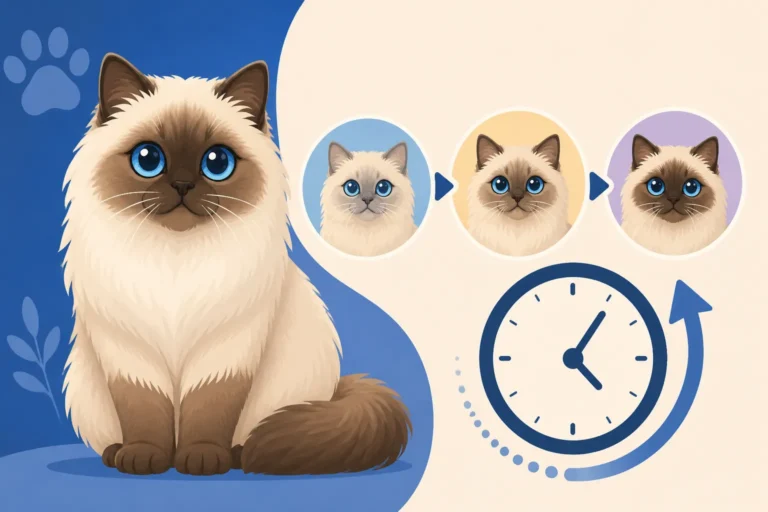
The "Himalayan pattern," characterized by darker points on the ears, face, paws, and tail, against a lighter body, was already known in other species, most notably the Himalayan rabbit. This striking contrast, often linked to colder body parts, hinted at a fascinating biological mechanism. Scientists observed that these animals were born almost entirely white, with their points darkening only as they grew and were exposed to cooler temperatures. This wasn't just a pretty aesthetic; it was a living, breathing experiment waiting to be understood.
For breeders and geneticists alike, this pattern posed a compelling question: what precisely caused this distribution of pigment? Was it purely environmental, or was there a genetic switch at play, perhaps one that was highly sensitive to external conditions? The sheer elegance of the pattern suggested a precise, inherited mechanism, rather than mere chance. Understanding this wasn't just about cat fancy; it was about advancing fundamental biological knowledge.
The frustration for many was that while the pattern was clearly inherited, the exact mode of inheritance and the specific genes involved were unclear. Early geneticists were working without the benefit of modern molecular tools, relying solely on observation, Mendelian ratios, and careful record-keeping. It was a painstaking process, akin to trying to solve a complex jigsaw puzzle with many of the pieces hidden or missing.
Harvard's Laboratories and Early Genetic Research
The prestigious halls of Harvard University became a crucial setting for this scientific endeavor. In the 1930s, Harvard was a hub of genetic research, attracting brilliant minds eager to push the boundaries of knowledge. It was a time of intense discovery in the field of genetics, with scientists like Thomas Hunt Morgan laying foundational work on fruit flies, demonstrating how genes were carried on chromosomes.
In this vibrant intellectual environment, researchers were actively exploring inheritance patterns in various organisms, from insects to mammals. The goal was often twofold: to understand basic genetic principles and to apply that understanding to practical areas, such as animal breeding or agricultural improvement. The atmosphere was one of meticulous experimentation, detailed observation, and rigorous analysis, all geared towards unlocking the code of life.
The resources available at Harvard, including breeding facilities and access to a variety of animal models, provided an unparalleled opportunity for ambitious genetic projects. Scientists had the luxury of conducting long-term studies, tracking traits across multiple generations, which was absolutely essential for understanding complex inheritance patterns like the Himalayan coloration. This kind of institutional support was indispensable for pioneering work of this magnitude. The Himalayan Was Made at Harvard in the 1930s certainly wasn't a casual backyard project.
Why the Siamese and Persian Were the Ideal Subjects
The choice of the Siamese and Persian cat breeds for this particular study was far from arbitrary; it was a stroke of genius, really, given the scientific questions at hand. The Siamese cat was, of course, the quintessential example of the pointed pattern, showcasing those deep, rich points against a pale body. Their genetics were known to reliably produce this unique coloration, making them a perfect starting point for understanding the mechanism.
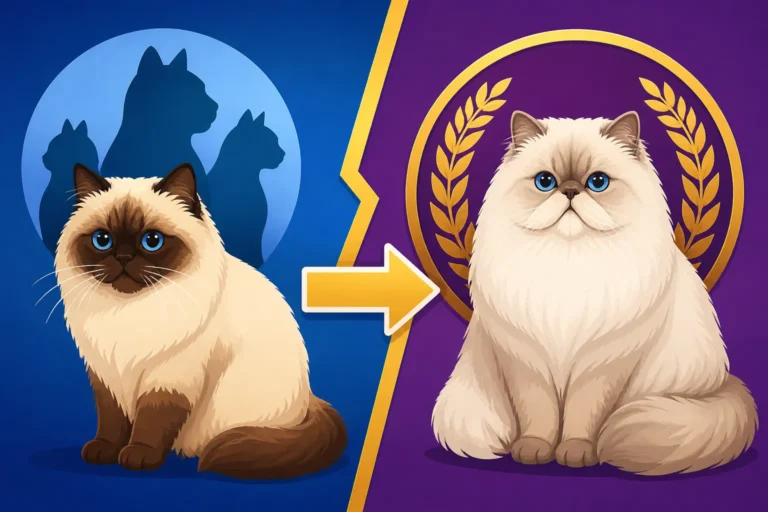
On the other hand, the Persian cat represented the opposite end of the spectrum. Persians are known for their solid, non-pointed colors (or various patterns that aren't restricted to the points), dense long fur, and distinctive cobby build. They possessed the "full color" gene, meaning their pigment was distributed evenly across their bodies, regardless of temperature. By crossing these two distinct breeds, geneticists hoped to isolate and observe the inheritance of the "pointed" gene in a controlled manner.
Furthermore, both breeds were already well-established and understood in the cat fancy, meaning there was a good baseline of knowledge about their general health, reproductive cycles, and other inherited traits. This made the experimental setup more predictable and allowed the researchers to focus primarily on the inheritance of the colorpoint gene without too many confounding variables. It was a deliberate, calculated move to select parents that clearly demonstrated the traits they wished to study. Why Harvard Crossed a Persian With a Siamese to Make the Himalayan highlights the strategic thinking behind this choice.
Clyde Keeler: The Visionary Geneticist
At the heart of this groundbreaking research was Dr. Clyde Keeler, a man whose intellectual curiosity stretched across various fields of biology. He wasn't just interested in the superficial aesthetics of cat coats; he was deeply committed to understanding the underlying genetic mechanisms that governed such traits. His work at Harvard and later at the Wistar Institute cemented his reputation as a leading figure in early mammalian genetics.
Keeler's Background and Research Focus
Clyde Keeler was a remarkable geneticist, known for his pioneering work on coat color inheritance in rodents, particularly mice. His early studies laid important groundwork for understanding how specific genes control pigment production and distribution. This experience with mice, where he had meticulously documented and mapped various coat color mutations, gave him a solid foundation and a keen eye for observing subtle genetic effects. He understood the nuances of breeding for specific traits, tracking generations, and interpreting complex inheritance patterns.
Keeler's approach was always very systematic. He was not content with simply observing a trait; he wanted to dissect it, to understand its molecular basis even before "molecular biology" as we know it today truly existed. He was driven by the desire to uncover the fundamental laws of heredity, to see how different genetic factors interacted to produce the vast array of observable characteristics in animals. This rigorous, investigative mindset was precisely what was needed to tackle the complexities of the Himalayan pattern.
His reputation as a serious, dedicated scientist meant that he had the respect and resources to pursue such an ambitious project. He brought to the Himalayan study a wealth of experience in controlled breeding experiments and a deep theoretical understanding of Mendelian genetics. This wasn't just a hobbyist's venture; it was a high-level scientific inquiry led by a respected expert in the field. What Keeler and Cobb Were Studying When They Made the Himalayan sheds more light on the broader context of their scientific goals.
The Hypothesis: A Temperature-Sensitive Gene
Keeler, drawing from observations in Himalayan rabbits and his own extensive work with other mammals, developed a clear hypothesis: the pointed pattern in Siamese cats was caused by a gene that produced a temperature-sensitive enzyme. He theorized that this enzyme was crucial for pigment production, but it could only function effectively in cooler parts of the body. In warmer areas, like the main body core, the enzyme would be inactive, resulting in lighter fur.
This hypothesis was revolutionary at the time, proposing a direct link between an environmental factor (temperature) and genetic expression (coat color). It wasn't just about genes being "on" or "off"; it was about genes being influenced by external conditions, creating a dynamic interplay. Imagine trying to explain this without modern knowledge of protein folding or enzyme kinetics – it required a profound leap of scientific intuition.
If his hypothesis was correct, it meant that by selectively breeding animals carrying this gene and observing their coat development in different environments (or even after shaving a patch of fur and seeing it grow back darker), one could definitively prove the temperature-sensitivity. This wasn't just about creating a new cat breed; it was about confirming a fundamental genetic principle that had broader implications for understanding how genes manifest in living organisms.
Setting Up the Groundbreaking Cross
To test his hypothesis, Keeler knew he needed to perform controlled genetic crosses. This meant bringing together the right "ingredients": a purebred Siamese cat, known for its points, and a purebred Persian cat, known for its full, solid coloration. The idea was to observe how the pointed trait was inherited through generations when combined with a non-pointed background.
The experimental setup was meticulous. He needed to ensure the cats were purebred to avoid confounding genetic variables. He also needed to carefully track each mating, each litter, and the development of every kitten. This wasn't a simple "let's see what happens" scenario; it was a tightly controlled scientific experiment with clear objectives and expected outcomes based on Mendelian laws of inheritance.
The cross itself involved several generations. The initial F1 generation (first filial generation) would carry one copy of the pointed gene and one copy of the full color gene, meaning they would likely appear solid-colored if the pointed gene was recessive. The real test would come in the F2 generation (second filial generation), where, if the theory held, some kittens would inherit two copies of the pointed gene and display the characteristic Himalayan pattern. This systematic approach was key to proving the genetic basis of the trait. How Many Generations the First Himalayan Took covers this aspect of the experiment.
Virginia Cobb: The Cat Breeder and Collaborator
While Clyde Keeler provided the scientific direction and genetic expertise, the practical implementation of the breeding program fell largely to Virginia Cobb. She wasn't just a technician; she was a skilled cat breeder with an invaluable understanding of feline husbandry, genetics, and the intricate world of pedigreed cats. Her hands-on experience was absolutely critical to the success of Keeler's ambitious project.
Cobb's Expertise in Pedigreed Cats
Virginia Cobb was an experienced and respected cat breeder, specifically of Persian cats. This background meant she had an intimate knowledge of feline genetics, reproductive cycles, and the care required for pedigreed animals. She understood how to manage a cattery, how to ensure healthy litters, and how to maintain meticulous records – all essential elements for a scientific breeding program. Her experience wasn't just theoretical; it was built on years of practical application.
Her involvement brought a crucial layer of practical expertise that complemented Keeler's more theoretical genetic focus. It’s one thing to design a genetic cross on paper, and quite another to successfully execute it with live animals, ensuring their health, welfare, and optimal breeding conditions. Cobb's deep understanding of Persian characteristics also made her an ideal partner in selecting the right foundation stock for the experiment.
Without her dedicated care and breeding prowess, Keeler's elegant scientific theories might have remained just that: theories. She was the one who managed the day-to-day realities of the cats, observed their development, and ensured the integrity of the breeding lines. This collaboration between a seasoned breeder and a pioneering geneticist was a powerful combination, illustrating how different forms of expertise can converge for scientific advancement.
Practicalities of Breeding for Science
Running a scientific breeding program is far more complex than simply pairing two cats and hoping for kittens. There are numerous practical considerations that Cobb expertly managed. This included everything from ensuring proper nutrition and veterinary care for the breeding cats to meticulously documenting each mating and the subsequent litters. Imagine keeping detailed records of every kitten's birth weight, coat development, and health status over multiple generations – it’s a full-time job.
Cobb also had to manage the challenge of ensuring the genetic purity of the lines. This meant carefully selecting cats to avoid accidental crosses or unknown genetic influences that could skew the results. For example, if a Persian used in the cross unknowingly carried the pointed gene from a distant ancestor, it could complicate the interpretation of the F1 and F2 generations. Her breeder's eye for pedigree and lineage was invaluable in mitigating such risks.
Furthermore, she had to handle the logistics of housing and caring for a growing population of cats in a scientific setting. This wasn't about creating pets for sale; it was about maintaining a living laboratory where precise observations could be made. Such a task demands significant dedication, resources, and a genuine passion for the animals themselves. Even today, responsible breeders like those offering supplies on Chewy understand the commitment required for animal welfare.
The Role of the "Body Temperature" Gene
Virginia Cobb's meticulous observations would have been critical in confirming the temperature-sensitive nature of the gene. As the kittens were born and developed, she would have watched for the tell-tale signs: the initial pale coat, followed by the gradual darkening of the cooler extremities. These observations provided empirical evidence to support Keeler's hypothesis about the "body temperature gene."
Her role extended to noting any variations in point development, perhaps linked to environmental conditions within the cattery or individual differences between kittens. Such detailed notes would have been crucial for the scientific paper, providing the rich, anecdotal evidence that complemented the genetic ratios. It’s the kind of practical data that only a person intimately involved in the day-to-day care of the animals could provide.
The term "body temperature gene" became a simple, descriptive way to refer to this fascinating genetic mechanism. It encapsulated the essence of their discovery: a gene whose expression was directly modulated by the temperature of the animal's body. This simple phrasing helped communicate a complex genetic principle in an accessible way, both to the scientific community and, eventually, to the wider cat fancy.
The First Himalayan Cross: A Scientific Milestone
The actual process of crossing the Siamese and Persian cats was a journey spanning several generations, each bringing the researchers closer to confirming their hypothesis and, inadvertently, creating a new cat breed. This wasn't a quick project; it was a testament to patience, scientific rigor, and a deep commitment to understanding genetic inheritance.
The Mating Plan: Siamese x Persian
The initial cross involved breeding a Siamese cat with a Persian cat. This "F1" (first filial) generation was crucial. According to Mendelian genetics, if the pointed trait was recessive (meaning two copies of the gene were needed for it to show), then all the kittens in this first generation would appear solid-colored like their Persian parent, but they would secretly carry one copy of the pointed gene from their Siamese parent. They would be "carriers" for the Himalayan pattern.
This first step was a foundational proof of concept. If the F1 kittens had shown points, it would have indicated a dominant inheritance pattern, which wasn't what was expected based on observations in other species. The fact that they resembled the Persian parent, yet carried the hidden potential of the Siamese, was a critical piece of the genetic puzzle. It validated the assumption that the pointed gene was indeed recessive.
The careful selection of the foundation stock, ensured by Virginia Cobb's expertise, was paramount here. A true purebred Siamese and a true purebred Persian were necessary to minimize any genetic surprises. This rigorous adherence to pedigree and known genetic backgrounds allowed Keeler and Cobb to confidently predict the genetic makeup and appearance of their F1 offspring. What Siamese Persian Meant Before the Name Himalayan refers to this early terminology for the F1 generation.
Anticipating the Results: F1 and F2 Generations
The real magic, or rather, the scientific confirmation, was expected in the "F2" (second filial) generation. This generation was produced by breeding two of the F1 cats together. Since each F1 cat carried one copy of the recessive pointed gene, when they mated, there was a predictable 25% chance that their kittens would inherit two copies of the pointed gene – one from each F1 parent.
And when those kittens inherited two copies of the recessive pointed gene, voila! They would display the distinctive Himalayan pattern. The expectation was a classic Mendelian ratio: approximately 25% pointed (like the Siamese grandparent), 50% solid-colored carriers (like the F1 parents), and 25% solid-colored non-carriers (like the Persian grandparent, assuming the Persian was homozygous for full color). This predictable ratio was the statistical evidence Keeler was looking for.
This precise calculation and anticipation of results underscores the scientific nature of their work. It wasn't about randomly breeding cats; it was about testing a hypothesis with mathematical precision. The success of generating F2 kittens with the pointed pattern was the ultimate validation of Keeler's theory regarding the temperature-sensitive gene and its recessive inheritance. It was a clear demonstration of Mendelian principles at work in a complex mammalian trait.
The Arrival of the Pointed Kittens
And then, the moment arrived. In 1931, the first pointed kittens from the F2 generation were born at Harvard, marking the scientific birth of what would later be known as the Himalayan cat. Imagine the excitement and satisfaction of seeing those tiny, pale kittens gradually develop their darker points as they matured. It was the culmination of years of dedicated work and intellectual pursuit.
These kittens were living proof of the hypothesis. They were Persian in body type, with the long, flowing coats, but Siamese in their striking coloration. This unique combination had never been seen before in a controlled breeding program. It was a tangible manifestation of how specific genes, when combined, could create entirely new phenotypes.
The arrival of these pointed kittens wasn't just a win for Keeler and Cobb; it was a significant contribution to the broader field of genetics. It provided compelling evidence for the inheritance of temperature-sensitive alleles and demonstrated the power of selective breeding to isolate and combine desirable traits. These were the true "first Himalayans," not just pets, but scientific specimens that changed our understanding of feline genetics. The 1936 Paper That Started the Himalayan would soon document these very kittens.
Documenting the Discovery: The 1936 Paper
No scientific discovery is complete without its documentation and dissemination to the wider scientific community. Keeler and Cobb's work culminated in a landmark publication that not only detailed their findings but also cemented the genetic understanding of the Himalayan pattern.
Publishing the Findings in a Scientific Journal
In 1936, Clyde Keeler and Virginia Cobb published their groundbreaking findings in the Journal of Heredity. This was the formal presentation of their years of meticulous work, outlining the experimental design, the breeding results across multiple generations, and the genetic interpretation of the Himalayan pattern. Publishing in a respected peer-reviewed journal was, and still is, the gold standard for scientific validation.
The paper would have included detailed descriptions of the parent cats, the F1 and F2 generations, photographic evidence of the pointed kittens, and comprehensive data on coat color distribution. It presented their argument logically and methodically, allowing other geneticists to scrutinize their methods and conclusions. This transparency is vital for the advancement of science.
This publication did more than just announce a new cat; it elucidated a fundamental genetic principle. It provided empirical evidence for a temperature-sensitive allele and its recessive mode of inheritance in a mammal. The Journal of Heredity was the perfect platform for such a discovery, reaching an audience of geneticists and biologists eager for new insights into heredity. Which Journal Carried the First Himalayan Paper specifically identifies this publication.
The Impact on Genetic Understanding
The 1936 paper had a profound impact on the scientific understanding of gene expression and environmental interaction. It provided a clear, undeniable example of how an environmental factor like temperature could influence the phenotypic expression of a genetic trait. This went beyond simple Mendelian dominant/recessive inheritance, showing a more nuanced interaction.
For geneticists, this work highlighted the complexity of genetic pathways and how enzymes play a crucial role in pigment synthesis. It paved the way for further research into temperature-sensitive mutations in other species and contributed to a more holistic understanding of how genotype translates into phenotype, often with environmental modulation. It expanded the toolkit of genetic inquiry.
Moreover, the study reinforced the power of controlled breeding experiments to dissect complex genetic traits. It demonstrated that even without direct access to DNA sequencing, careful observation and adherence to genetic principles could yield profound insights into the mechanisms of inheritance. It was a testament to classical genetics at its finest, showing what could be achieved with rigorous methodology.
Early Nomenclature: "Siamese-Persian" or "Himalayan"?
In their initial scientific discussions and even in the 1936 paper, the cats produced from this cross were often referred to simply as "Siamese-Persians." This nomenclature accurately described their genetic origin: a blend of the two parent breeds, combining the Siamese's color pattern with the Persian's long coat and body type. It was a straightforward, descriptive name for a scientific hybrid.
However, as these cats began to gain attention beyond the laboratory, the need for a more distinct and evocative name arose. The name "Himalayan" eventually emerged, drawing inspiration from the Himalayan rabbit, which displayed the same distinctive pointed pattern. This new name was not only memorable but also immediately conveyed the unique coloration that set these cats apart. What Siamese Persian Meant Before the Name Himalayan delves deeper into this naming evolution.
This shift in nomenclature from a scientific descriptor to a more recognized breed name marked the transition of these cats from laboratory subjects to beloved companions. It symbolized their journey from a genetic experiment to a distinct and recognized type of pedigreed cat, a testament to their growing popularity and unique appeal. The choice of "Himalayan" truly captured the essence of their most striking feature.
Beyond the Lab: The Himalayan's Path to Popularity
While Keeler and Cobb's work was rooted in scientific inquiry, the beauty and unique combination of traits in their "Siamese-Persians" couldn't stay confined to the laboratory. Soon, enthusiasts and breeders took up the mantle, beginning the long journey of transforming a scientific achievement into a beloved, recognized cat breed.
Early Breeding Efforts by Enthusiasts
Following the initial scientific crosses, other dedicated breeders, inspired by Keeler and Cobb's work, began their own breeding programs. They saw the immense potential in these "Siamese-Persians" – a cat with the stunning color of a Siamese and the luxurious coat and docile temperament of a Persian. These early enthusiasts were driven not just by scientific curiosity, but by a genuine passion for creating a beautiful and unique companion animal.
These pioneer breeders faced significant challenges. They had to refine the breed, selecting for desirable traits such as consistent point coloration, classic Persian body type, and robust health. This involved careful outcrossing back to Persians to maintain the desired body structure and coat quality, while always ensuring the retention of the recessive pointed gene. It was a delicate balance of art and science, requiring both intuition and meticulous record-keeping.
The early breeding efforts were often a community endeavor, with breeders sharing knowledge, experiences, and sometimes even breeding stock to help establish strong, healthy lines. This collaborative spirit was crucial in transforming a scientific curiosity into a viable and thriving new breed, laying the groundwork for the Himalayan cat we know and love today.
The Breed's Journey to Official Recognition
The path from scientific experiment to official breed recognition was a long and arduous one, spanning several decades and involving dedicated breeders on both sides of the Atlantic. In the United States, Marguerita Goforth played a pivotal role in popularizing and standardizing the breed. She was instrumental in advocating for their unique qualities and campaigning for their recognition within cat registries.
It wasn't until 1957 that the Himalayan achieved championship status with the Cat Fanciers' Association (CFA), a major milestone that officially recognized it as a distinct breed. This meant Himalayans could now compete in cat shows and earn titles, further boosting their popularity and encouraging responsible breeding practices. Marguerita Goforth and the Himalayan's 1957 Recognition marks this significant achievement.
However, the journey wasn't without its twists. Later, in 1984, CFA made a controversial decision to fold the Himalayan into the Persian breed as a "Colorpoint Persian" division. This meant that while they retained their unique identity and point coloration, they were judged against the Persian standard. Other registries, like The International Cat Association (TICA), continued to recognize them as a separate breed, leading to some ongoing complexities in their official status. Regardless of the paperwork, the cats themselves remained undeniably Himalayan.
The Enduring Legacy of Keeler and Cobb
The legacy of Clyde Keeler and Virginia Cobb extends far beyond the creation of a beautiful cat breed. Their work stands as a testament to the power of scientific inquiry, collaboration, and meticulous experimentation in unraveling the mysteries of genetics. They not only confirmed a specific mode of inheritance but also paved the way for future genetic studies.
Their contribution fundamentally changed the landscape of feline breeding and genetics. The Himalayan cat became a living example of a specific genetic mechanism, inspiring other breeders and scientists to explore similar patterns in different animals. Every time a pointed cat is admired, or a discussion arises about temperature-sensitive genes, the pioneering work of Keeler and Cobb is implicitly referenced.
Today, the Himalayan cat continues to delight owners worldwide, offering a unique blend of elegance, affection, and striking beauty. Whether it's lounging on a cozy blanket from Chewy or captivating audiences at a cat show, each Himalayan cat carries within its genes the story of a scientific quest, a testament to the vision and dedication of its scientific creators. Their legacy is etched into the very coat of every pointed cat.
Genetic Principles Illustrated by the Himalayan
The Himalayan cat, born from scientific experimentation, offers a wonderful, tangible illustration of several core genetic principles that are fundamental to understanding heredity. It's a living textbook example of how genes work, how they're passed down, and how they interact with the environment.
The Science Behind the Pointed Pattern
At the heart of the Himalayan pattern is a fascinating genetic mutation. This mutation affects the enzyme responsible for producing melanin, the pigment that gives fur its color. In most cats, this enzyme works efficiently throughout the body, resulting in a consistent coat color. However, in Himalayan cats (and Siamese, and other pointed breeds), the mutated enzyme is thermosensitive.
What this means in plain terms is that the enzyme can only function correctly, and thus produce pigment, in cooler temperatures. The extremities of a cat's body – the ears, face, paws, and tail – are naturally slightly cooler than the core body temperature. Therefore, pigment is produced in these areas, resulting in the darker "points." The main body, being warmer, inhibits the enzyme's function, leading to the pale body coat.
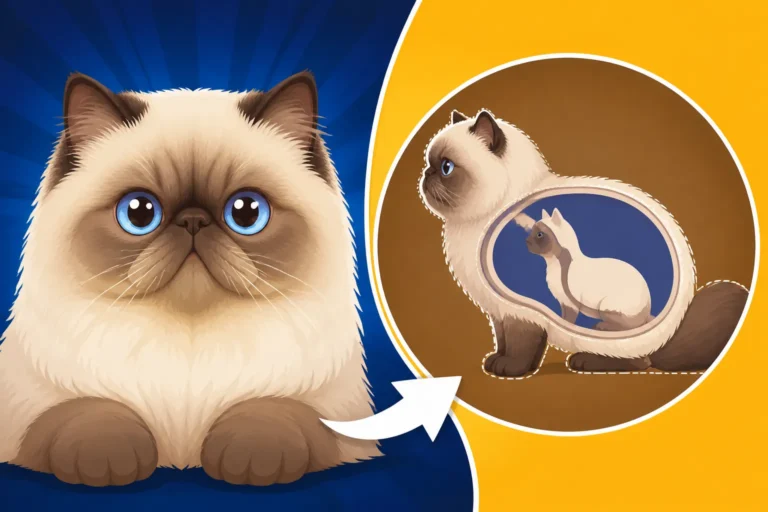
This explains why Himalayan kittens are born almost entirely white; they develop in the uniform warmth of their mother's womb, where the enzyme cannot produce pigment. It's only after birth, as they are exposed to cooler ambient temperatures, that their points gradually begin to darken. It's a visible, dynamic example of gene-environment interaction, right before our eyes.
Recessive Genes and Carrier Status
The gene responsible for the Himalayan pattern is a recessive gene. This is a critical concept beautifully illustrated by Keeler and Cobb's breeding experiments. A recessive gene only expresses its trait (in this case, the pointed pattern) when an animal inherits two copies of it – one from each parent. If an animal inherits only one copy of the recessive gene and one copy of the dominant "full color" gene, it will display the dominant trait (full color) but will be a "carrier" for the recessive gene.
This is precisely what happened in the F1 generation of Keeler and Cobb's cross. When a full-color Persian (carrying two dominant full-color genes) was bred with a pointed Siamese (carrying two recessive pointed genes), all the F1 kittens were solid-colored. They didn't show points because they had one dominant full-color gene masking the single recessive pointed gene they inherited. These F1 kittens were carriers.
The implications for breeders are significant. Why a Himalayan Needs Two Copies of the Point Gene is fundamental knowledge. Two carrier parents can produce pointed offspring, even if they themselves are solid-colored. This is why genetic testing for the pointed gene (and other recessive disease genes like PKD in Persians, which Himalayans share) is so important in responsible breeding programs. Without genetic testing, you might unknowingly breed two carriers and be surprised by pointed kittens, or worse, kittens with inherited health issues.
Understanding Phenotype and Genotype
The Himalayan cat also serves as an excellent example for understanding the difference between phenotype and genotype.
- Genotype refers to the specific genetic makeup of an individual. For the Himalayan pattern, a cat's genotype might be "Pp" (one dominant full-color gene, one recessive pointed gene) or "pp" (two recessive pointed genes).
- Phenotype refers to the observable physical characteristics of an individual, which result from their genotype and environmental interactions.
In the case of the Himalayan, a cat with the "pp" genotype will always have the pointed phenotype (assuming normal environmental temperatures for development). However, a cat with the "Pp" genotype will have a "full color" phenotype, even though its genotype carries the potential for pointed offspring if bred with another carrier. How a Persian Can Carry the Himalayan Gene Hidden perfectly illustrates this concept – a Persian cat can have a full-color phenotype but a "carrier" genotype for the pointed pattern.
This distinction is vital for breeders. You can't always tell a cat's full genetic story just by looking at it. The Himalayan's origin story, meticulously documented by Keeler and Cobb, laid bare these genetic realities, teaching us that what we see on the surface is only part of the intricate genetic tapestry woven into every living creature. It’s a powerful lesson in how genetics shapes the world around us.
Disclaimer
This article is for general informational purposes only and does not constitute professional advice. Laws, prices and regulations vary by location and change over time. Consult a qualified professional for guidance on your specific situation.