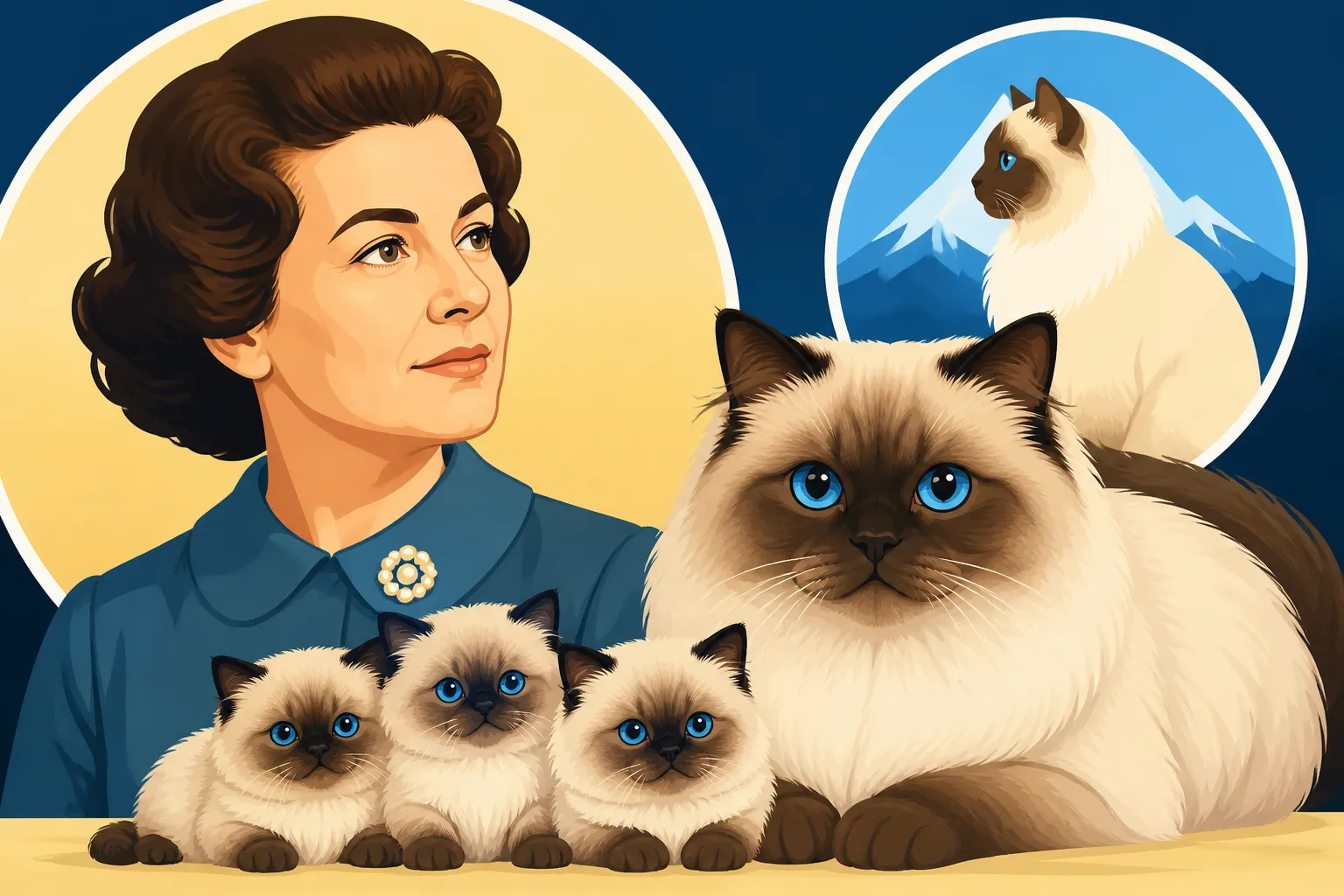
When Marguerita Goforth Started Breeding Himalayans
It’s easy to look at a majestic Himalayan cat today, with its striking blue eyes and luxurious coat, and imagine it has always been a beloved fixture in our homes. But the truth is, this breed has a fascinating, somewhat complex history, especially when it comes to who championed its journey from a scientific experiment to a recognized, cherished pet. If you've ever wondered about the passionate individuals who breathed life into the Himalayan breed as we know it, you're in the right place. This guide delves into the pivotal role of Marguerita Goforth and precisely when her dedicated efforts began to shape the future of this magnificent cat.
The Visionaries Before Marguerita: Laying the Groundwork for the Himalayan
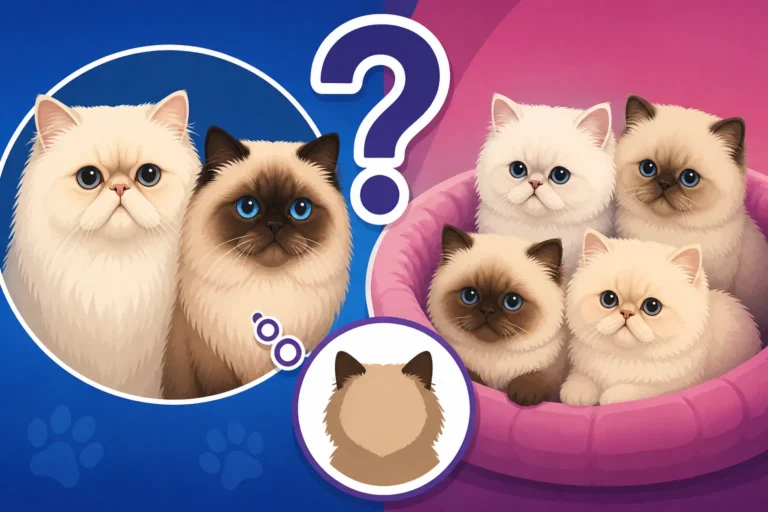
Before Marguerita Goforth entered the scene, the concept of a "Siamese-pointed Persian" was more of a scientific curiosity and a scattered dream among a few dedicated breeders. The very idea of combining the long, flowing coat of a Persian with the distinctive color points and piercing blue eyes of a Siamese was revolutionary. It wasn't about creating a new breed for show initially; it was about understanding genetics and seeing what was possible.
The Harvard Experiment and Early Crosses
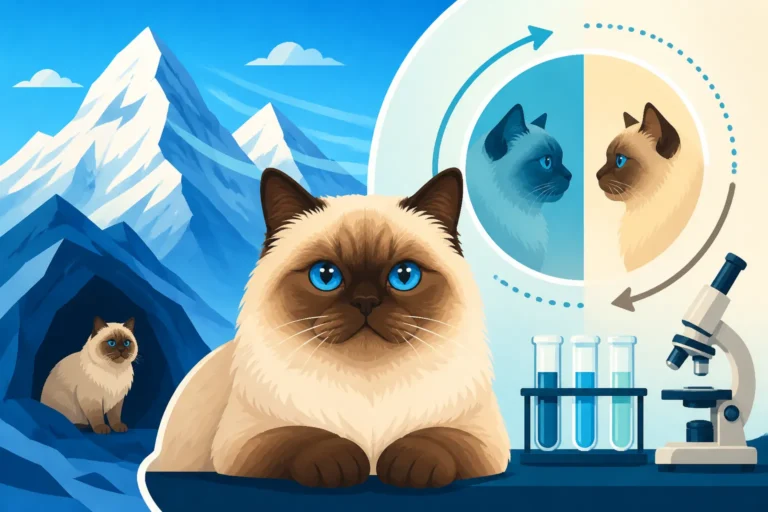
The story of the Himalayan truly begins in the early 1930s, far from the show halls and catteries we associate with cat breeding today. It started in a research laboratory at Harvard University. Dr. Clyde Keeler and Virginia Cobb embarked on a scientific experiment, cross-breeding Siamese and Persian cats. Their primary goal was not to establish a new breed for pet ownership but to study the inheritance patterns of specific traits, particularly the colorpoint gene and long hair. You can learn more about this foundational work by reading The Himalayan Was Made at Harvard in the 1930s.
These early crosses were meticulously documented, and the results were published in a scientific paper in 1936, titled "The Siamese-Persian Cat." This paper, though academic in nature, laid the genetic blueprint for what would eventually become the Himalayan. It demonstrated that the colorpoint pattern could indeed be combined with the Persian's long coat. However, these were often F1 or F2 generation cats, not yet consistent in type or temperament, and certainly not ready for the show ring or widespread pet ownership. The focus was on the how of inheritance, not the what of a breed standard.
Early Enthusiasts and the 'Siamese-Persian' Era
While the Harvard experiment provided the scientific proof, it was the persistent efforts of individual cat fanciers, both in North America and Britain, who saw the potential for a beautiful, unique pet. These early enthusiasts began their own breeding programs, often independent of each other, attempting to recreate and stabilize what the scientists had proven was possible. They grappled with the challenges of producing cats that consistently displayed both the long Persian coat and the striking Siamese points, all while maintaining good health and a desirable temperament.
The term "Siamese-Persian" was common during this nascent period, reflecting the blend of the two foundational breeds. These breeders were essentially working without a net, without an established standard, and often without widespread recognition from the major cat registries. It was a slow, sometimes frustrating process of trial and error, breeding generation after generation to achieve uniformity. Many of these early cats were beautiful in their own right, but the consistency and refinement that we see in modern Himalayans were still a distant goal. This era was crucial for proving the viability of the concept, but it lacked the focused, dedicated drive that would propel the breed into the limelight.
Marguerita Goforth's Passion Takes Hold: Dedicated Breeding and Refinement
It was into this landscape of scientific proof and scattered amateur efforts that Marguerita Goforth stepped. Her entry marked a turning point, transforming the experimental "Siamese-Persian" into a cohesive, recognized breed. She brought not just passion but also a meticulous approach to breeding that was instrumental in the Himalayan's success.
Her Entry into Himalayan Breeding
Marguerita Goforth began her dedicated breeding program for the Himalayan in the late 1940s. While the exact first litter might be hard to pinpoint to a single day, her significant contributions to the breed are often dated from this period, leading up to the mid-1950s when the breed began to gain traction for official recognition. Unlike the purely scientific pursuit of the Harvard team, Goforth's motivation was deeply rooted in creating a beautiful, consistent domestic cat breed. She was driven by a vision of what the Himalayan could be as a companion animal, not just a genetic curiosity.
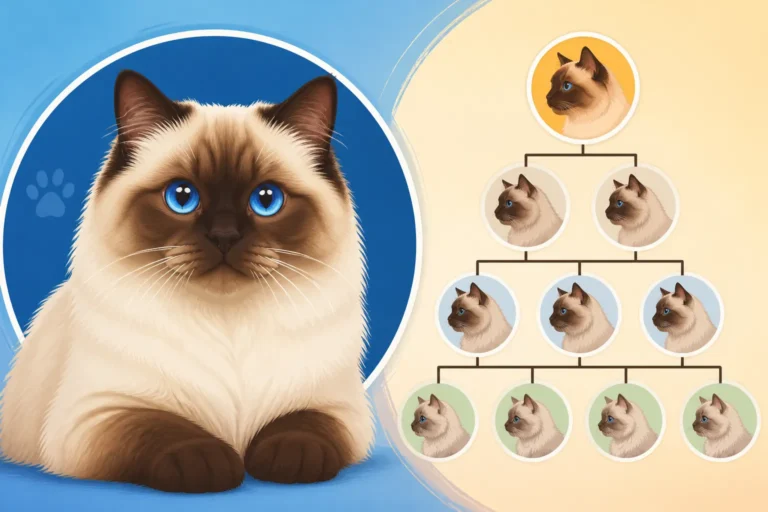
Her work involved careful selection of breeding stock, focusing not only on the desired physical traits like coat length, body type, and point color but also on temperament and health. She understood that for a breed to be truly successful and accepted, it needed to be more than just pretty; it had to be robust and gentle. This was a significant undertaking, as she was essentially refining a hybrid, ensuring that each generation moved closer to a stable, predictable type. The challenges were immense, requiring patience, keen observation, and an unwavering commitment to her breeding goals. Her tireless efforts are a testament to the dedication required in shaping a new breed.
Defining the Himalayan Standard
Marguerita Goforth's influence extended far beyond just producing cats; she played a critical role in articulating what the Himalayan should be. Her breeding practices effectively set the de facto standard that would later be codified by cat associations. She concentrated on refining the specific traits that distinguish the Himalayan: the cobby body inherited from the Persian, the strikingly round head, the small, rounded ears, and of course, the vivid blue eyes characteristic of the Siamese. When you look at What the Persian Standard Asks of a Himalayan, you can see how closely her vision aligned with the core Persian characteristics, augmented by the Siamese points.
She meticulously worked to achieve a balanced cat that embodied the best of both parent breeds. This meant focusing on maintaining the luxurious long coat while ensuring the color points were clear and well-defined. Her cats became exemplars of the breed's potential, demonstrating that the Himalayan could be consistently bred with a specific, desirable appearance and a calm, affectionate disposition. Her dedication to this consistent type was crucial, as it provided other breeders and cat registries with a clear model to follow, proving that the Himalayan was not just a random cross but a legitimate, well-defined new breed ready for recognition.
Driving Towards Official Recognition: The Fight for the Himalayan Name
Even with dedicated breeders like Marguerita Goforth producing stunning, consistent cats, the path to official recognition was far from straightforward. The world of cat fancy has always been steeped in tradition, and introducing a "new" breed, especially one derived from two established ones, required significant advocacy and proof of stability.
Navigating Early Registry Hurdles
For Marguerita Goforth and other pioneering Himalayan breeders, gaining official acceptance meant navigating a maze of bureaucracy and breed politics. The primary debate revolved around whether the Himalayan was truly a new, distinct breed or merely a color division of the Persian. In those days, cat registries were often cautious about adding new breeds, requiring extensive proof of genetic stability, a consistent type, and a sufficient number of breeding lines. You might think it's just about the cat's beauty, but it's much more about pedigree and consistency.
Goforth was instrumental in gathering support and presenting the case for the Himalayan as a unique entity. Her meticulously bred cats served as living proof, showcasing the breed's uniformity and distinct characteristics. She worked tirelessly with organizations like the Cat Fanciers' Association (CFA) in the United States, advocating for the Himalayan's independent status. This period was marked by discussions, presentations, and persistent lobbying efforts to convince the governing bodies that the Himalayan deserved its own place among the recognized cat breeds. The struggle to get a new breed accepted truly highlights the passion and dedication of its early champions.
The Impact of Her Cattery
Marguerita Goforth's cattery, and the quality of the Himalayans she produced, significantly influenced the breed's eventual acceptance. When a cat association considers a new breed, they want to see healthy, well-socialized cats that consistently meet a proposed standard across multiple generations. Her cats became the standard-bearers, demonstrating that the Himalayan was not a fluke but a stable, reproducible breed. It was her dedication that led to Marguerita Goforth and the Himalayan's 1957 Recognition by the CFA, a monumental step forward for the breed.
This provisional recognition was a direct result of the strong foundation she and a few other key breeders had built. It allowed Himalayans to compete in provisional classes, slowly gaining points towards full championship status. Her success in breeding healthy, typey cats provided the necessary evidence to convince the skeptics and solidify the breed's standing. Without her consistent production of high-quality Himalayans, the argument for their recognition would have been significantly weaker. She truly transformed the dream of a colorpoint Persian into a tangible reality, paving the way for the breed to achieve full championship status just a few years later. The journey from initial concept to a fully recognized breed often depends on such influential catteries.
The Legacy of a Pioneer: Goforth's Enduring Influence
The work of Marguerita Goforth didn't just end with recognition; her foundational efforts continue to resonate through every Himalayan cat we see today. She helped cement the breed's identity and ensured its place in the hearts of cat lovers worldwide.
Shaping the Himalayan's Future
Marguerita Goforth's early breeding decisions and her tireless advocacy fundamentally shaped the future trajectory of the Himalayan breed. By consistently producing cats with excellent type and temperament, she established a robust genetic pool that future generations of breeders could draw upon. Her emphasis on health and consistency meant that the breed started on a strong footing, minimizing many of the issues that can plague breeds with less rigorous early development. This foundation allowed the Himalayan to flourish, becoming one of the most popular longhaired breeds.
Her contributions also influenced how others viewed and bred Himalayans. She helped articulate the ideal balance between the Persian's substantial bone and luxurious coat and the Siamese's elegant points and brilliant blue eyes. This vision permeated the cat fancy world, influencing judges, aspiring breeders, and pet owners alike. Even as breeding practices and genetic understanding evolved, the core principles established by Goforth remained central to the breed's development. Her work truly set the stage for how How Long a Himalayan Takes to Finish Its Coat and Points and its overall development is understood.
Why Her Efforts Still Matter Today
The legacy of Marguerita Goforth is visible in every healthy, beautiful Himalayan cat gracing our homes. Her pioneering work ensured that the breed was not just a passing fad but a stable, beloved companion. When you see a Himalayan today, whether curled up on a sofa or featured on a pet supply website like Chewy, you're seeing the direct result of her dedication. She proved that a cat combining the best features of two distinct breeds could be consistently reproduced, thrive, and capture hearts.
Her story is a powerful reminder of the importance of dedicated individuals in the history of any animal breed. Without people like Goforth, many breeds we cherish today might never have achieved the recognition or widespread popularity they enjoy. Her efforts provided the critical momentum for the Himalayan, solidifying its place in cat registries—though the exact classification would later change, as detailed in Why CFA Made the Himalayan Into a Persian Division in 1984—and ensuring that future generations could continue to enjoy these magnificent, vocal, and affectionate felines. When you're looking for high-quality food or grooming supplies for your own Himalayan, remember that the breed's journey to your home was paved by pioneers like her.
Key Milestones in Himalayan Recognition
Marguerita Goforth's unwavering dedication was a significant catalyst in the Himalayan's journey to official recognition. Here's a brief timeline highlighting her impact:
| Year | Event | Key Figures Involved | Significance for Himalayan Recognition |
|---|---|---|---|
| Early 1930s | Harvard University experiments begin | Clyde Keeler, Virginia Cobb | First deliberate cross of Persian and Siamese cats. |
| 1936 | "The Siamese-Persian Cat" paper published | Clyde Keeler, Virginia Cobb | Scientific proof of colorpoint + longhair inheritance. |
| Late 1940s | Marguerita Goforth begins her dedicated breeding program | Marguerita Goforth | Focused on consistent type and temperament for breed status. |
| 1955 | Britain's GCCF grants recognition (as Colorpoint Persian) | Brian Sterling Webb (UK), various | Early formal acceptance, albeit under a different name. |
| 1957 | CFA grants provisional recognition to the Himalayan | Marguerita Goforth, other US breeders | Major step towards full championship status in the US. |
| 1961 | CFA grants full championship status to the Himalayan | Marguerita Goforth, other US breeders | Himalayan officially recognized as a distinct breed. |
This table clearly illustrates the critical period when Goforth's work translated into tangible results for the breed's acceptance. Her efforts were foundational, moving the Himalayan from an experimental concept to a recognized champion. The fact that How Many Himalayans Existed at Recognition points to the growing numbers of cats that met the newly established standards, largely thanks to her efforts. Whether you're looking for food for your cat on Chewy or researching the breed's history, understanding these milestones gives you a richer appreciation for the Himalayan.
Disclaimer
This article is for general informational purposes only and does not constitute professional advice. Laws, prices and regulations vary by location and change over time. Consult a qualified professional for guidance on your specific situation.