How Many Years a Himalayan From Tested Lines Lives
It’s a natural worry when you bring a beautiful Himalayan cat into your home – how many precious years will you have together? The heartbreaking reality is that some lines carry genetic predispositions to serious health issues, which can drastically shorten their time with us. This comprehensive guide will walk you through what to expect regarding the lifespan of a Himalayan from properly tested lines and how proactive care can ensure a long, happy life for your cherished companion.
Understanding the Typical Lifespan of a Well-Bred Himalayan
When you choose a Himalayan, you're not just picking a pretty face; you're often investing in a long-term family member. The average lifespan for a Himalayan cat from a reputable breeder, especially those who diligently test their breeding stock, typically falls in the range of 12 to 15 years. Some lucky cats even sail past that, reaching 18 years or more! However, this isn't a given; it's a direct reflection of responsible breeding practices and the dedicated care they receive throughout their lives. You can learn more about The Nine to Fifteen Years a Himalayan Usually Gets to set realistic expectations.
The Promise of Tested Lines
The phrase "tested lines" isn't just jargon; it's a cornerstone of feline health and longevity, particularly for breeds like the Himalayan, which descends from Persians and Siamese. What it truly means is that the breeder has gone the extra mile to genetically screen their cats for common inherited diseases. This proactive approach significantly reduces the chances that your kitten will inherit these conditions, thereby offering them a much better shot at a full, healthy life. It’s like getting a head start in the race for good health.
When a breeder assures you their lines are tested, they are essentially providing a form of genetic insurance. They’ve invested time and money into understanding the genetic makeup of their breeding cats, opting to remove any carriers of detrimental genes from their breeding program. This doesn't guarantee a lifetime without any health issues – no living creature comes with such a promise – but it drastically lowers the risk of certain devastating inherited conditions. It allows you to focus on general wellness rather than battling an inherited disease from day one. Reputable breeders understand that Which Two Tests Belong on Every Himalayan Pedigree are essential for their cats' future health.
Factors Beyond Genetics
While genetics lay a crucial foundation for a Himalayan's lifespan, they are by no means the only determinant. A healthy genetic background provides the potential, but it's the daily care, nutrition, and environment that truly allow that potential to flourish. Think of it like a finely tuned engine: the engine itself might be perfect, but without the right fuel, regular maintenance, and a safe driving environment, it won't last as long as it should.
A high-quality diet, tailored to a cat's age and activity level, plays an immense role in supporting organ function and maintaining a healthy weight. Just as important is a safe, stimulating indoor environment that protects them from external dangers like cars, other animals, and infectious diseases. Regular interaction, play, and mental stimulation also contribute to overall well-being, reducing stress and keeping their minds sharp. And of course, consistent veterinary care, from vaccinations to annual check-ups, is paramount for early detection and intervention should any health concerns arise. Even with impeccable genetics, things can go wrong, and that's where diligent care steps in.
Mitigating Genetic Risks Through Responsible Breeding
The "tested lines" aspect is particularly critical for Himalayans due to their Persian heritage. Persians, and by extension Himalayans, are known to be predisposed to certain genetic conditions that can severely impact their health and shorten their lives. Responsible breeders focus on eradicating these risks from their lines, providing peace of mind for future owners.
The Threat of Polycystic Kidney Disease PKD
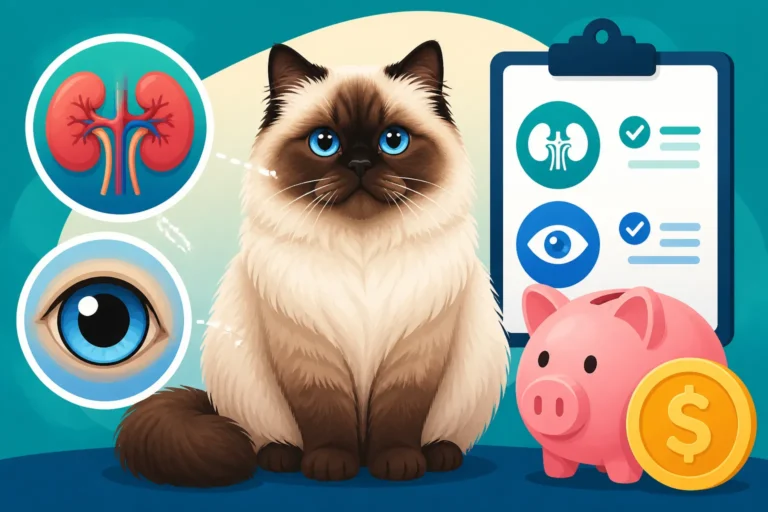
One of the most significant inherited health concerns in Himalayans is Polycystic Kidney Disease, or PKD. This genetic disorder causes cysts to form in the kidneys, which gradually grow over time, eventually leading to kidney failure. It's a progressive disease, meaning it worsens with age, and it can be truly heartbreaking to witness your beloved cat succumb to it at a relatively young age. The good news is that PKD is now easily detectable through a simple DNA test. A responsible breeder will have proof that both parent cats are "PKD negative" or "clear," ensuring that their offspring will not inherit the gene. This genetic test has revolutionized the breeding of Himalayans, allowing breeders to confidently produce cats free from this debilitating condition.
Without proper testing, a Himalayan could unknowingly carry the PKD gene, passing it on to its kittens. Living with a Himalayan that inherited the Persian kidney gene can be incredibly challenging, requiring specialized diets and frequent vet visits as the disease progresses. While an ultrasound can reveal cysts later in life, a genetic test performed on breeding cats is the definitive way to prevent it. You can read about Why a Cheek Swab Clears a Himalayan for PKD and How Early Cysts Show on a Himalayan's Kidney Scan to understand the importance of this testing. Insurance providers like Healthy Paws often highlight the importance of choosing pets from tested lines, as pre-existing conditions (even if undiagnosed at the time of policy purchase) are typically not covered.
Addressing Progressive Retinal Atrophy PRA
Another important genetic consideration for Himalayans is Progressive Retinal Atrophy (PRA). This condition causes the cells in the retina to degenerate over time, ultimately leading to blindness. While blindness itself isn't life-threatening, it can significantly impact a cat's quality of life, especially if it progresses rapidly. For a Himalayan, whose placid nature might help them cope better than a more active breed, it’s still a profound change. PRA, like PKD, is an inherited condition that can be identified through genetic testing of breeding animals.
Ensuring that breeding Himalayans are tested and clear for PRA means that kittens are much less likely to develop this degenerative eye condition. This allows them to enjoy full vision for their entire lives, navigating their world with confidence. A responsible breeder will provide documentation for both PKD and PRA clearances, demonstrating their commitment to the long-term health and well-being of their cats. While it might seem like just "eye health," maintaining good vision contributes to a cat's overall engagement with its environment and can prevent secondary issues that might arise from impaired sight. Knowing How Retinal Atrophy Blinds a Himalayan by Five underscores the importance of this preventative testing.
The Lifelong Commitment to a Healthy Himalayan
Even with the best genetic foundation, the journey to a long and healthy life for your Himalayan is a partnership between you and your veterinarian. Your ongoing dedication to their care, from nutrition to environmental enrichment, is paramount.
Proactive Veterinary Care and Early Detection
Think of your annual vet visits not as an inconvenience, but as an essential wellness check for your feline friend. For a Himalayan from tested lines, these routine examinations are crucial for establishing a baseline of health and for the early detection of any non-genetic issues that might arise. Your vet will monitor their weight, listen to their heart and lungs, check their teeth (a common trouble spot for Himalayans due to their unique jaw structure), and perform blood work as they age. For example, a thorough vet will be tracking How a Himalayan's Kidney Numbers Are Tracked From Five to catch any subtle changes early.
Early detection is truly the secret weapon in extending a cat’s healthy years. Catching a developing issue like early kidney disease, diabetes, or even dental problems before they become advanced can mean the difference between simple management and a more serious, life-shortening condition. For a cat that might have a slightly harder time under anesthesia due to their brachycephalic (flat-faced) nature, as discussed in Why a Himalayan Is a Harder Anesthetic Than a Siamese, preventative care that minimizes the need for procedures requiring sedation is even more valuable. Don't wait until your cat is showing obvious signs of illness; many serious conditions are silent in their early stages. This proactive approach not only helps your cat live longer but also ensures those years are filled with comfort and vitality.
Nutritional Support and Weight Management
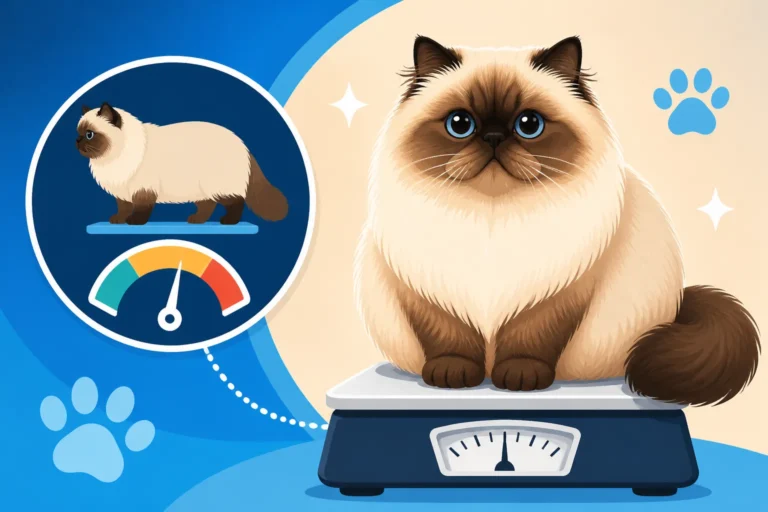
A Himalayan’s laid-back nature and dense coat can sometimes mask a creeping weight gain, which is why diet and weight management are critical. These beautiful cats aren't known for being high-energy athletes; they are often quite content to be a lap cat, which means they can easily become overweight if their caloric intake isn't carefully monitored. Obesity in cats, just like in humans, is a precursor to a host of health problems, including diabetes, joint issues, heart disease, and a reduced lifespan.
Feeding a high-quality, protein-rich diet appropriate for their age and activity level is foundational. It’s important to measure their food rather than free-feeding, and to limit treats. Your vet can help you determine the ideal weight for your individual Himalayan and guide you on portion control. Furthermore, consider puzzle feeders or interactive toys that encourage them to "hunt" for their food, adding a little activity to their day. Being able to easily feel How to Find a Himalayan's Ribs Through a Persian Coat is a good indicator of healthy weight. Healthy Paws emphasizes the importance of maintaining a healthy weight as part of overall wellness to prevent costly, avoidable conditions.
Creating a Safe and Stimulating Indoor Environment
Himalayans, with their long, luxurious coats and somewhat sedentary tendencies, are best suited to an indoor-only lifestyle. This protects them from predators, parasites, infectious diseases, and traffic accidents – all common risks that can dramatically shorten a cat’s life. However, an indoor environment doesn't mean a boring one! A stimulating home life is crucial for their mental and physical well-being.
Provide scratching posts, cat trees (even low ones, as they aren't big jumpers), and a variety of toys to keep them entertained. Regular play sessions, even short bursts, can help them maintain a healthy weight and mental agility. Creating safe, elevated perches near windows allows them to "supervise" the world outside without being exposed to its dangers. Think about the unique needs of a Himalayan, such as wide, shallow water bowls that don't bend their sensitive whiskers and are easier for their flat faces to drink from. A comfortable, predictable routine also contributes to their overall sense of security and happiness, which in turn supports a longer, healthier life.
Here's a quick overview of how genetic testing and proactive care influence a Himalayan's lifespan:
| Factor | Impact on Lifespan | Key Actions for Owners |
|---|---|---|
| Genetic Testing (PKD & PRA) | Significantly increases potential lifespan | Choose a kitten from tested lines; ask for certificates. |
| High-Quality Nutrition | Supports organ health, prevents obesity | Measure food, feed appropriate diet, limit treats. |
| Weight Management | Reduces risk of related diseases | Monitor weight, consult vet for ideal body condition. |
| Regular Veterinary Check-ups | Early detection, prevents worsening illness | Annual exams, follow vet recommendations, blood work as needed. |
| Indoor-Only Lifestyle | Protects from external dangers | Keep cat indoors, provide safe, stimulating environment. |
| Dental Care | Prevents systemic infections | Regular dental checks, brushing, professional cleanings. |
| Grooming | Prevents skin issues and discomfort | Daily combing, address mats promptly. |
With tested lines, you're not just buying a cat; you're buying a foundation of health that, when combined with your loving care, greatly improves the chances of a long and joyful companionship. This proactive approach is exactly why organizations like Healthy Paws exist – to help cover the costs when unexpected health issues do arise, ensuring your beloved Himalayan gets the care they need throughout their extended years.
Disclaimer
This article is intended for informational purposes only and does not constitute veterinary advice. Always consult with a qualified veterinarian for any health concerns or before making any decisions about your pet's care.