Which Two Tests Belong on Every Himalayan Pedigree
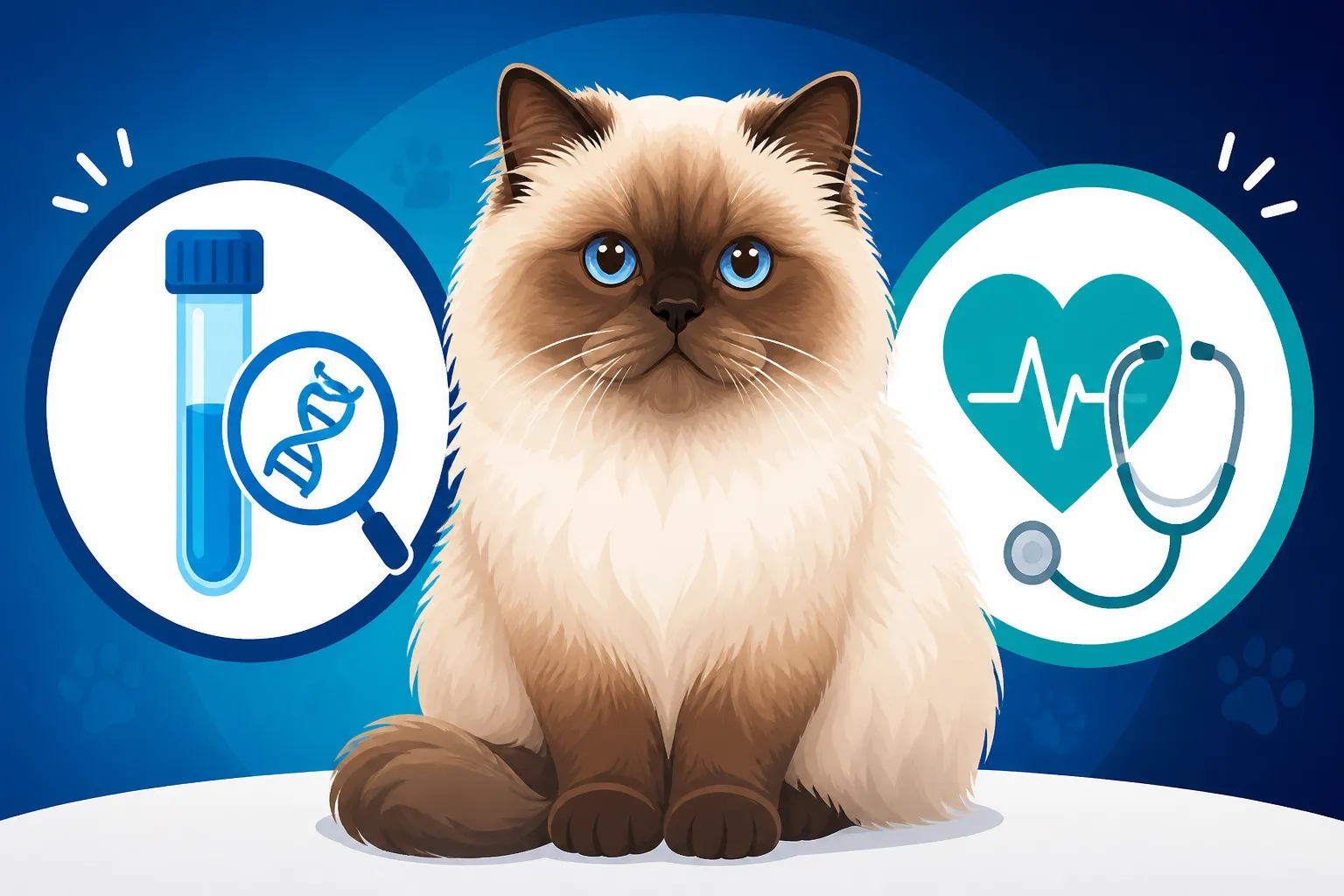
Bringing a beautiful Himalayan cat into your home is a joyous occasion, but the journey to finding the right kitten can often be fraught with uncertainty, especially when it comes to understanding their health. Many prospective owners feel overwhelmed by the sheer volume of information – and sometimes, misinformation – about genetic conditions. This guide aims to cut through the confusion and clearly outline the two absolutely crucial genetic tests that must be present on any Himalayan pedigree you consider, ensuring you're bringing home the healthiest possible companion.
Polycystic Kidney Disease PKD The Essential Test
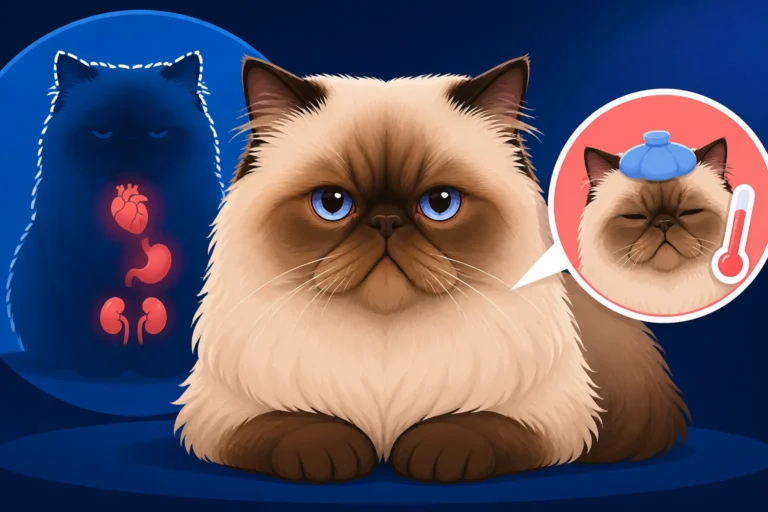
When you're looking at a Himalayan kitten, one of the most significant health concerns that should immediately come to mind is Polycystic Kidney Disease, or PKD. This isn't just a minor issue; it's a progressive, inherited condition that can lead to severe kidney failure and significantly shorten your beloved cat's life. The heartbreaking reality is that many Himalayans can carry this gene, inherited from their Persian lineage, without showing any signs until the disease is quite advanced. It's a silent threat, and as a prospective owner, knowing about it and demanding proof of testing is your first line of defense.
Understanding the Persian Legacy of PKD
PKD is characterized by the development of multiple fluid-filled cysts in the kidneys. These cysts are present from birth, but they start out microscopic and grow larger over time. As they expand, they gradually take over healthy kidney tissue, impairing kidney function. The devastating part is that this condition often goes unnoticed in younger cats. You might not see any symptoms until your Himalayan is in its middle to later years, typically between 7 and 10 years old, when a significant portion of kidney function has already been lost. By then, symptoms like increased thirst, weight loss, lethargy, and poor coat condition become apparent, indicating that the kidneys are struggling. It's a condition that came down the Persian side of a Himalayan, and without diligent testing, it can continue to plague lines.
The inheritance pattern for PKD is autosomal dominant, which means a cat only needs to inherit one copy of the faulty gene from either parent to develop the disease. This also means that every cat with the gene will eventually develop cysts, though the severity and onset of symptoms can vary. This genetic reality is precisely why testing is so critical. If one parent carries the gene, there's a 50% chance each kitten will inherit it. If both parents carry it, the odds increase, and the potential for a severe outcome is higher. It’s a harsh truth, but understanding Why PKD Needs Only One Copy in a Himalayan really drives home the importance of genetic screening.
Why a Genetic Test is the Gold Standard
For years, breeders relied on ultrasound scans to detect cysts in the kidneys. While ultrasound can identify cysts, especially as they grow larger, it's not foolproof. Very young kittens might not have cysts large enough to be visible on a scan, even if they carry the gene. Imagine the scenario: you get an ultrasound-clear kitten at 12 weeks, only to find out years later they develop PKD. That's a gut punch no owner wants to experience.
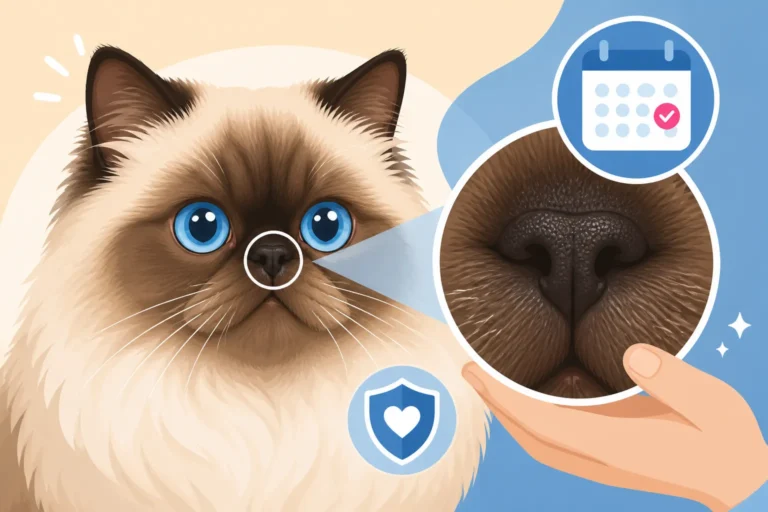
Thankfully, modern science has provided a more definitive answer: the DNA gene test. This test is a simple cheek swab that can be performed on a cat of any age, even tiny kittens. It directly identifies whether the cat carries the specific gene mutation responsible for PKD. The beauty of the DNA test is its accuracy. A cat tested "PKD Negative" or "N/N" (normal/normal) does not carry the gene and will never develop PKD, nor will they pass it on to their offspring. This gives you absolute peace of mind. A "PKD Positive" or "N/P" (normal/positive) cat carries one copy of the gene and will develop PKD, and will pass it on to 50% of its kittens. You can understand Why a Cheek Swab Clears a Himalayan for PKD and why it's such a game-changer.
Insisting on a DNA test for PKD isn't just about protecting your future pet; it's about supporting ethical breeding practices that aim to eradicate this disease from the Himalayan gene pool. Responsible breeders use these tests to ensure that only PKD-negative cats are used for breeding, slowly but surely eliminating the disease from their lines. It means that Why Two Clear Parents End PKD in a Himalayan Line is not just a hope, but a scientific reality they strive for.
Interpreting PKD Certificates and Breeder Responsibility
When a breeder presents you with a pedigree, you should expect to see documentation for PKD testing for both parent cats. Ideally, both parents should be genetically clear. This documentation will typically come from a reputable genetic testing laboratory. Don't be shy about asking to see the actual certificates; a responsible breeder will be proud to show them off. These certificates will clearly state the cat's name, breed, microchip or tattoo number (for verification), and the test result (Negative/Clear or Positive).
If a breeder offers a kitten without proof of parental PKD testing, or states that "the lines are clear" without providing tangible evidence, it's a huge red flag. They might claim that the parents were scanned years ago and were clear, but as discussed, ultrasound isn't as definitive as a DNA test, especially in younger cats. You have every right to politely but firmly request the DNA test results. This isn't being demanding; it's being a responsible pet owner. Unfortunately, How to Spot a Himalayan Breeder Who Skips the PKD Test sometimes involves navigating these kinds of evasive answers.
A good breeder will not only provide the certificates but also explain what they mean, and readily discuss their breeding practices around genetic health. They should be able to tell you about the history of PKD in their lines and how they've actively worked to ensure their kittens are free of this devastating disease. This transparency is key to building trust and ensuring you're making an informed decision.
Progressive Retinal Atrophy PRA-pd Protecting Their Sight
While PKD affects the kidneys, the second critical genetic test focuses on another vital sense: sight. Progressive Retinal Atrophy, specifically the variant known as PRA-pd (progressive rod-cone degeneration), is a hereditary eye condition that tragically leads to blindness in affected Himalayans. Just like PKD, this is a condition that can be present genetically from birth, with symptoms only appearing later in life, making proactive testing absolutely essential. It's a terrifying prospect for any pet owner to watch their beloved companion slowly lose their sight, and it's entirely preventable with responsible breeding.
The Devastating Impact of PRA-pd on Himalayan Eyes
PRA-pd is a degenerative disease that affects the photoreceptor cells (rods and cones) in the retina, which are responsible for detecting light and transmitting visual information to the brain. In affected cats, these cells gradually deteriorate, leading to progressive vision loss. The initial signs often include night blindness, as the rods, which are responsible for low-light vision, are usually affected first. You might notice your Himalayan bumping into furniture in dim lighting, or being more hesitant to navigate in the dark. As the disease progresses, their daytime vision also deteriorates, eventually leading to complete blindness.
The onset of PRA-pd varies but often begins in early to mid-adulthood. It's truly heartbreaking to witness, especially in a cat known for its calm and affectionate nature. While cats are incredibly adaptable to blindness, especially in a familiar environment, it still significantly impacts their quality of life. The gene for PRA-pd in Himalayans is typically inherited in an autosomal recessive manner, meaning a cat must inherit two copies of the faulty gene (one from each parent) to be affected. If a cat inherits only one copy, they are considered a "carrier" and will not develop the disease themselves, but can pass the gene on to their offspring. This is similar to How Retinal Atrophy Blinds a Himalayan by Five in its progression, though the specific gene and inheritance pattern might differ.
The Necessity of PRA-pd Genetic Screening
Before the advent of genetic tests, diagnosing PRA-pd involved specialized veterinary ophthalmology exams, including electroretinography (ERG), which measures the electrical responses of the retina. This was expensive, often required sedation, and could only diagnose affected cats, not carriers. It meant that carriers could unknowingly be bred, continuing to spread the gene through the population.
Today, just like with PKD, there is a DNA gene test available for PRA-pd. This simple buccal (cheek) swab can conclusively identify whether a cat is clear, a carrier, or affected by the disease. For a recessive condition like PRA-pd, this is invaluable. Breeders can test their breeding cats and ensure they do not mate two carriers together, which would result in 25% of the kittens being affected and eventually going blind. Mating a clear cat with a carrier, for example, will produce only clear or carrier kittens, but no affected kittens.
Insisting on PRA-pd testing means you are actively helping to eliminate a devastating cause of blindness from the Himalayan breed. It's a commitment to the long-term health and well-being of these magnificent cats. Knowing Which Test Clears a Himalayan's Eyes is empowering for any responsible cat owner.
What a Clear PRA-pd Test Means for Your Kitten
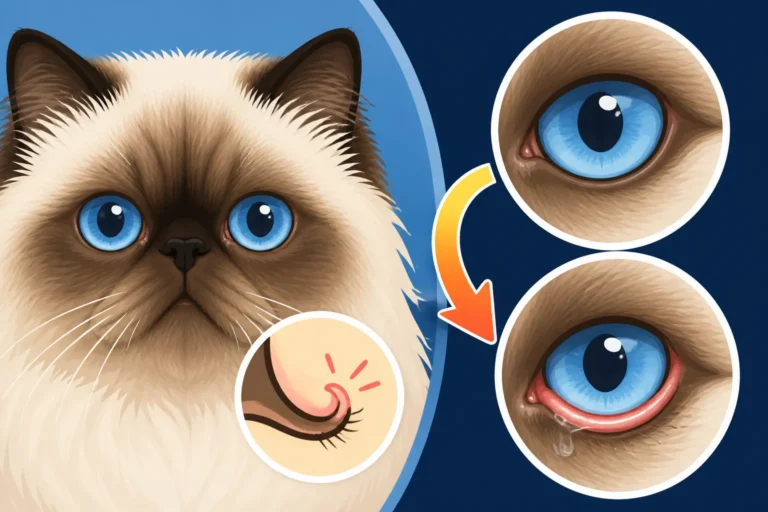
A "Clear" or "N/N" (normal/normal) PRA-pd test result for both parent cats is the ideal scenario. It means your kitten will not inherit the genes for PRA-pd and will never develop this form of inherited blindness. This provides immense peace of mind, knowing that you won't have to face the heartbreak of watching your beloved companion gradually lose their sight. While there are other eye conditions that can affect Himalayans, such as entropion (where the eyelid rolls inward, irritating the eye), a clear PRA-pd test rules out a major genetic cause of blindness.
If a breeder has a carrier cat in their program, they should only breed that cat to a genetically clear mate. All kittens produced would then either be clear or carriers, but none would be affected. The breeder should always be transparent about this and be able to show the test results for both parents. The goal of responsible breeding is to gradually remove carrier genes from the gene pool through selective breeding over generations. This way, Why a Himalayan Breeder Should Test Eyes as Well as Kidneys becomes a standard expectation, not a rare exception.
The Profound Impact of These Tests on Your Himalayan's Life
When you choose a Himalayan kitten, you're not just picking out a pretty face; you're inviting a family member who will share your home for potentially 9 to 15 years, if not longer. That's a significant commitment, and ensuring their health from the outset is paramount. These two genetic tests, for PKD and PRA-pd, are not just checkboxes for breeders; they are fundamental safeguards for your cat's well-being and your peace of mind. Ignoring them can lead to incredible heartache and unforeseen financial strain down the road.
Ensuring a Long and Healthy Future
Imagine the difference between a cat that lives out its golden years comfortably, or one that succumbs to kidney failure or blindness in its prime. The decisions made by breeders today directly impact the longevity and quality of life for kittens born tomorrow. By insisting on these two tests, you are directly contributing to the health of the entire Himalayan breed. You're supporting breeders who are dedicated to producing robust, healthy cats, rather than those who prioritize appearance over well-being. This is why understanding How Many Years a Himalayan From Tested Lines Lives is so vital – it highlights the direct correlation between testing and a longer, happier life.
A kitten from tested, clear lines has a significantly higher chance of avoiding these specific devastating genetic diseases. This allows you to focus on providing optimal general care, nutrition, and love, rather than managing chronic, life-limiting conditions that could have been prevented. It means your cat can enjoy its unique personality and thrive without the shadow of impending illness.
Financial and Emotional Peace of Mind
Let's be realistic: caring for a pet with a chronic or terminal genetic illness can be incredibly expensive. Treatments for kidney disease, for example, can include special diets, medications, and even fluid therapy, which quickly adds up over time. Eye conditions can require ongoing veterinary visits and specialized care. While pet insurance can help, many policies might have exclusions for pre-existing conditions or breed-specific issues if not managed properly from the start. Providers like Healthy Paws offer coverage that can be a lifesaver, but understanding your policy's specifics around genetic diseases is crucial.
| Genetic Disease | Inheritance Pattern | Symptoms | Typical Onset | Test Method | Why Test |
|---|---|---|---|---|---|
| Polycystic Kidney Disease (PKD) | Autosomal Dominant | Increased thirst, weight loss, lethargy, poor coat, vomiting | Middle to later years (7-10) | DNA (cheek swab), Ultrasound (less definitive) | Prevents kidney failure; affects quality of life and lifespan |
| Progressive Retinal Atrophy (PRA-pd) | Autosomal Recessive | Night blindness, progressive vision loss, eventual total blindness | Early to mid-adulthood | DNA (cheek swab), ERG (diagnoses affected) | Prevents blindness; preserves quality of life |
Beyond the financial aspect, there's the emotional toll. Watching your beloved cat suffer from a preventable genetic disease is profoundly distressing. The guilt, the worry, the heartache – these are burdens no pet owner should have to carry if they can be avoided. Choosing a kitten from genetically tested parents provides invaluable peace of mind, allowing you to enjoy every moment with your Himalayan without this underlying anxiety. This ensures you're less likely to be living with a Himalayan that inherited the Persian Kidney Gene and facing those specific struggles.
How to Insist on Tested Lines and Support Ethical Breeding
As a prospective buyer, you hold significant power. By demanding to see the PKD and PRA-pd genetic test results for both parent cats, you are actively supporting ethical and responsible breeders. You're signaling that you prioritize health and responsible breeding practices, which encourages more breeders to adopt these standards. Don't be swayed by lower prices for "untested" kittens; that initial saving can lead to exponentially higher vet bills and heartbreak later. Remember, What Testing a Himalayan for PKD and the Eyes Costs is a small investment for a breeder compared to the potential cost for an owner.
When you contact a breeder, make your expectations clear from the start. Ask specifically about their genetic testing protocols for PKD and PRA-pd. A reputable breeder will welcome these questions and be eager to share their results and practices. They understand that these tests are a vital part of safeguarding the breed's future. They might even discuss how pet insurance options, like those from Healthy Paws, can further protect your investment in a healthy pet.
Beyond the initial purchase, continue to advocate for genetic testing by sharing this information with other potential Himalayan owners. Supporting registries and organizations that promote health testing, and choosing breeders who are transparent about their health guarantees and testing protocols, will collectively help improve the health of Himalayans for generations to come. Your commitment to these two crucial tests truly makes a difference.
Disclaimer
This article is for informational purposes only and does not constitute veterinary advice. Always consult with a qualified veterinarian for any health concerns or before making any decisions about your pet's care.