What Share of Himalayan Lines Once Carried PKD
Bringing a new Himalayan cat into your home is an incredibly joyful experience, but it’s often tinged with the anxiety of wondering if your precious furball might be carrying hidden genetic health issues. One of the most talked-about and feared conditions, Polycystic Kidney Disease (PKD), has historically cast a long shadow over the breed. This guide is here to shed light on just how widespread PKD once was in Himalayan lines and to offer reassurance about the significant strides made in eliminating it.
Understanding Polycystic Kidney Disease in Himalayans
Polycystic Kidney Disease, or PKD, is a genetic disorder that causes cysts to form in the kidneys. These aren't just tiny, harmless fluid-filled sacs; they can grow in size and number over time, slowly taking over healthy kidney tissue. It's a progressive disease, meaning it generally gets worse with age, eventually leading to kidney failure. For any cat owner, the thought of their beloved companion suffering from such a condition is heartbreaking, and it’s a valid concern, especially given the history of the Himalayan and its close relative, the Persian.
What PKD Actually Does to Your Cat
Imagine tiny, hollow spheres starting to appear within the delicate structure of your cat's kidneys. Initially, these cysts are microscopic, causing no trouble at all. Your cat might live for years without showing any signs. However, as these cysts enlarge and multiply, they begin to compromise the kidney's ability to filter waste products from the blood and regulate bodily fluids. This slow, insidious progression is what makes PKD so challenging. It’s not an acute illness that appears suddenly; it’s a gradual decline that can be hard to detect in its early stages. The kidneys are vital organs, and when they fail, the cat's entire system is thrown into disarray, leading to a host of debilitating symptoms.
The Genetic Link to Persian Ancestry
The Himalayan cat, as many of us know, is essentially a Persian cat with colorpoint markings, a trait it inherited from its Siamese ancestry. This means that a significant portion of its genetic makeup, including predispositions to certain health conditions, comes directly from the Persian breed. Unfortunately, PKD1, the specific gene mutation responsible for Polycystic Kidney Disease, was historically quite prevalent within Persian lines. If you're curious, you can learn more about how PKD1 Came Down the Persian Side of a Himalayan. Because Himalayans share this strong genetic link, they also inherited the susceptibility to PKD. This ancestral connection is why the disease became such a pervasive issue in the breed before targeted screening methods became widely available.
Symptoms and Progression of Kidney Failure
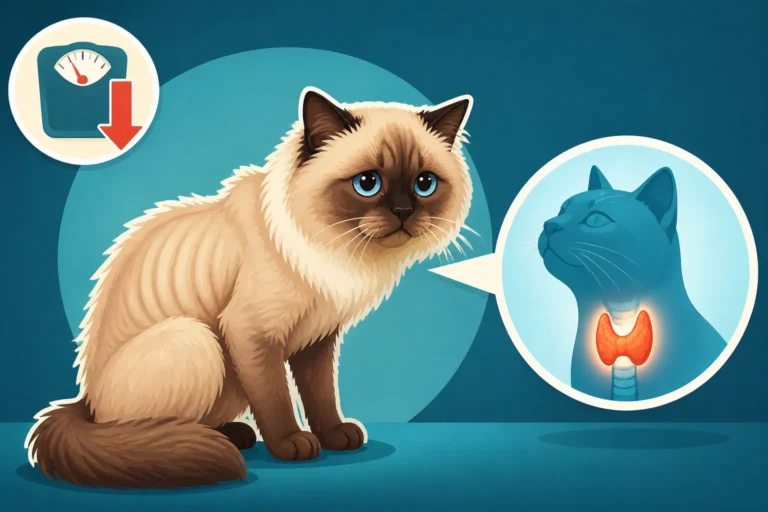
When PKD progresses to kidney failure, the symptoms can be vague and often mimic other conditions, making early diagnosis based on clinical signs alone quite tricky. You might notice your cat drinking more water than usual, which leads to more frequent urination. This increased thirst in a Himalayan can sometimes point at its Persian half. They might start losing weight despite eating normally, or even experience a decrease in appetite. Lethargy, vomiting, and a dull coat are also common indicators. Eventually, as the kidneys fail completely, toxins build up in the bloodstream, leading to severe illness and, if left untreated, a fatal outcome. It's a really tough journey for both the cat and their human.
The Alarming Historical Prevalence of PKD in Himalayan Lines
Before the advent of widespread genetic testing, PKD was a significant and heartbreaking problem within the Himalayan cat community. It wasn't just a rare occurrence; it was a common and accepted, albeit devastating, reality that many breeders and owners faced. The statistics from that era paint a stark picture, revealing just how deeply entrenched this disease was.
The Era Before Genetic Testing
Imagine a time when breeders had no reliable way to know if their beautiful, seemingly healthy breeding cats were carrying a hidden genetic time bomb. That was the reality for Himalayan breeders for many years. PKD was diagnosed primarily through ultrasound, which could only detect cysts once they were large enough to be visible, often when the cat was already several years old. This meant that affected cats could unknowingly pass on the PKD gene to multiple litters before their own diagnosis, perpetuating the cycle of disease. The lack of a definitive, early screening tool meant that breeders were essentially operating in the dark, and unfortunately, the disease spread widely through breeding lines. This period illustrates What PKD Did to Himalayan Lines Before the Gene Test.
Estimated Share of Affected Lines
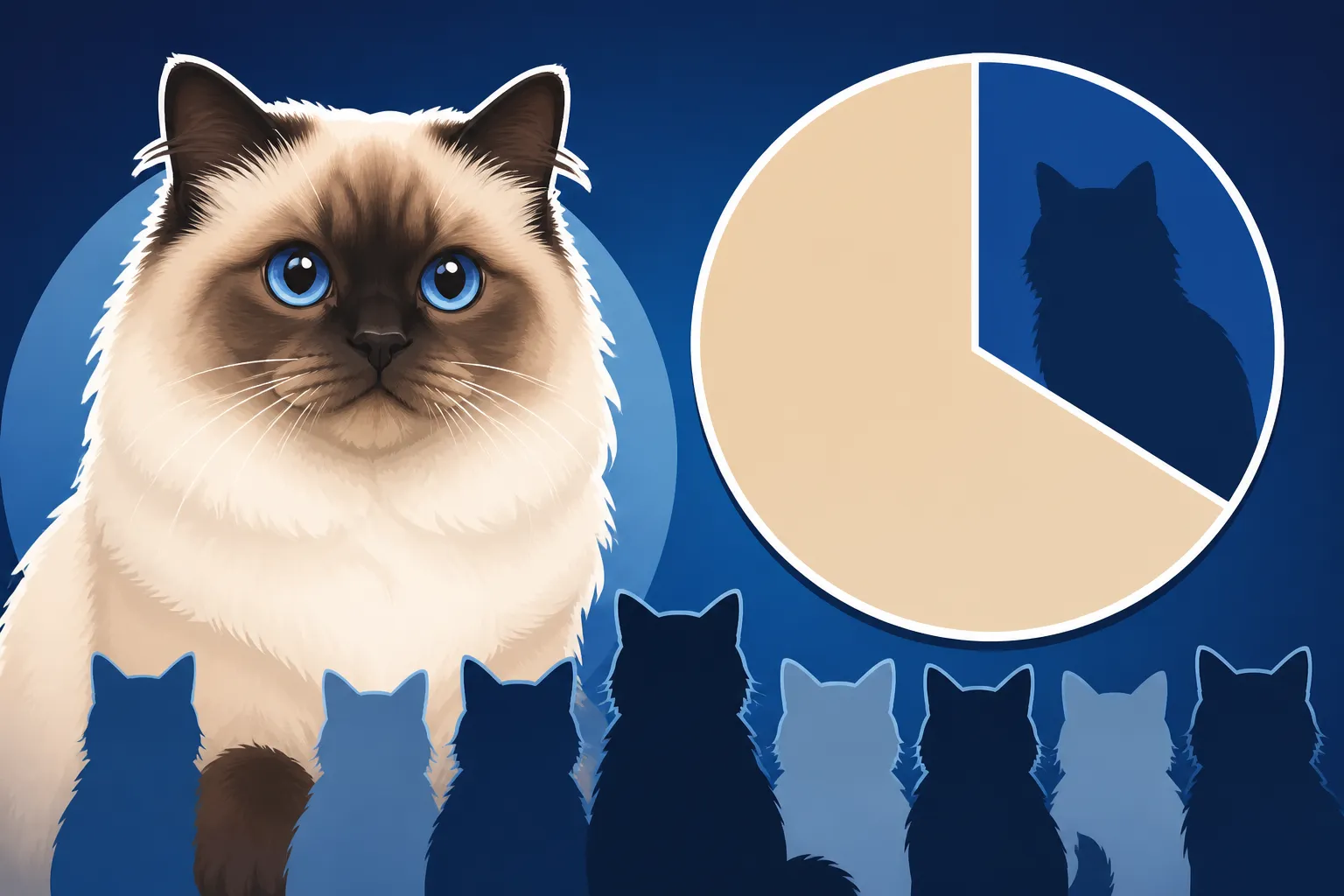
Historical studies and anecdotal evidence from the late 20th and early 21st centuries suggest that the prevalence of PKD in Persian and, by extension, Himalayan cats was alarmingly high. Some estimates indicated that as much as 37% to 50% of the overall Persian cat population (which included Himalayans under many registries) carried the PKD1 gene. This means that nearly half of the breeding lines were potentially introducing this devastating disease into kittens. While exact figures for Himalayan-specific lines can be tricky to isolate due to their classification as a Persian division in some major registries like the CFA, it's safe to say that a very substantial portion of Himalayan breeding stock was affected. It was a silent epidemic, causing immense heartache for countless families.
The Heartbreak for Owners
For owners, discovering their beloved Himalayan had PKD was, and still is, utterly devastating. You bring home a fluffy, blue-eyed bundle of joy, full of life, only to learn years later that they are facing a chronic, incurable disease. The emotional toll of watching your cat slowly decline, managing their symptoms, and making difficult decisions about their quality of life, is immense. Many owners back then faced this reality, often with little warning or preparation. It truly highlights the importance of genetic screening, not just for the cat, but for the human companions who love them so dearly.
The Turning Point: How Breeders and Science Fought Back
The widespread prevalence of PKD wasn't something the cat fancy accepted idly. As awareness grew and scientific advancements were made, a concerted effort began to identify and eradicate this disease from breeding lines. This period marks a crucial turning point, transforming the outlook for Himalayan cats and their future owners.
The Development of the DNA Test
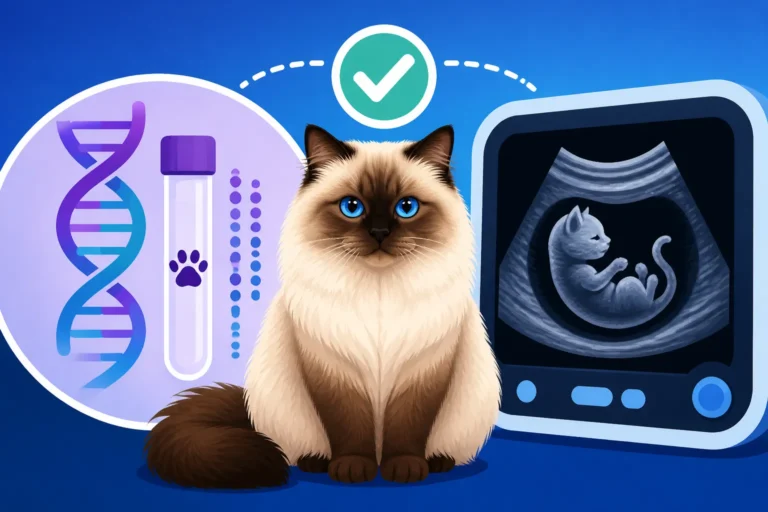
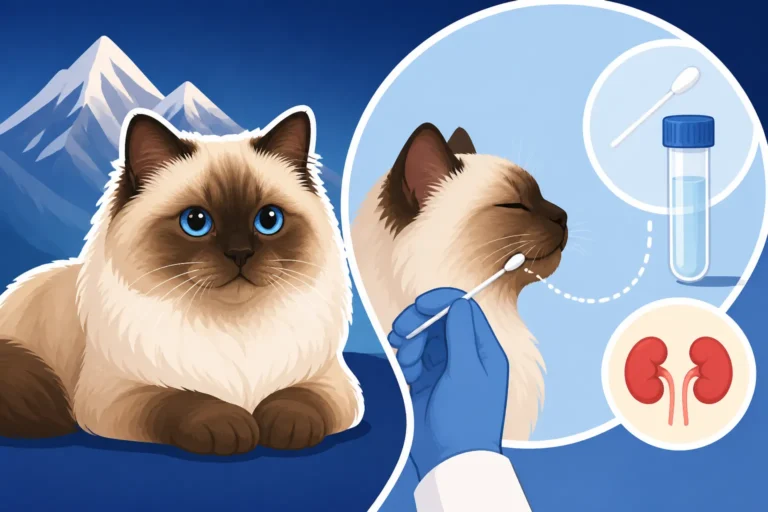
The real game-changer arrived with the development of a specific DNA test for the PKD1 gene. This wasn't just another diagnostic tool; it was a revolutionary step forward. Unlike ultrasounds, which could only show visible cysts, the DNA test could definitively determine if a cat carried the gene, regardless of whether cysts had developed or were visible. This meant breeders could screen their cats before breeding, identifying carriers and affected individuals with absolute certainty. This ability to detect the gene allowed for a proactive, rather than reactive, approach to managing PKD. A simple Why a Cheek Swab Clears a Himalayan for PKD meant a world of difference.
Responsible Breeding Practices Emerge
Armed with this powerful new tool, responsible Himalayan breeders embarked on a mission to eliminate PKD from their lines. This involved rigorously testing all breeding stock, removing any cats identified as PKD positive from breeding programs, and only breeding cats that tested clear. It was a massive undertaking, requiring dedication, transparency, and sometimes difficult decisions about beloved animals. Organizations like the Cat Fanciers' Association (CFA) and The International Cat Association (TICA) encouraged, and often mandated, testing for breeds susceptible to PKD. The goal was simple yet profound: to ensure that no more kittens were born with this debilitating condition.
The Impact of Widespread Screening
The impact of widespread DNA testing and responsible breeding has been nothing short of transformative. Over the past two decades, the prevalence of PKD in Himalayan and Persian lines has plummeted dramatically. What was once a widespread issue affecting a significant percentage of the population is now relatively rare among cats from reputable, health-tested catteries. This success story is a testament to the power of genetic science combined with the unwavering commitment of ethical breeders to the health and well-being of their cats. It truly illustrates Why Two Clear Parents End PKD in a Himalayan Line.
The Current Landscape: PKD in Today's Himalayan Lines
Thanks to the diligence of breeders and the accessibility of genetic testing, the situation regarding PKD in Himalayans today is vastly different from historical accounts. While the disease hasn't been entirely erased, its prevalence has been reduced to a very small fraction of what it once was. This means that new owners have a much higher chance of bringing home a PKD-clear kitten, provided they do their due diligence.
Significantly Reduced Prevalence
It’s hard to give an exact current "share" of Himalayan lines that carry PKD, because the good news is, that share is now incredibly small, almost negligible, in truly responsible breeding circles. The widespread adoption of DNA testing has been so successful that many reputable breeders can confidently state that their entire cattery is PKD-negative. While the historical numbers were frighteningly high, current estimates would suggest that only a tiny percentage, perhaps 1-2% or less, of actively bred Himalayans from health-focused breeders might still carry the gene, largely due to isolated pockets or less scrupulous practices. The article on How Many Himalayan Lines Still Carry PKD dives deeper into this. This is a monumental shift from the days when nearly half the breed was potentially at risk.
What to Look for in a Reputable Breeder Today
For prospective Himalayan owners, this significant reduction in prevalence means that you have the power to choose a kitten from lines that are known to be PKD-free. When looking for a kitten, the most crucial step is to seek out a reputable breeder who prioritizes health testing. They should readily provide documentation, not just verbal assurances. You want to see results from a recognized veterinary lab showing that both parent cats are PKD-negative. Don't be shy about asking for these certificates; a good breeder will be proud to share them. Understand that a quality kitten comes with a price that reflects these health investments, and it’s a small price to pay for peace of mind. Check out Which Two Certificates a Himalayan Breeder Owes You for more on what to ask for.
The Importance of Health Guarantees and Insurance
Even with diligent testing, responsible breeders often provide a health guarantee for their kittens, which typically covers genetic conditions like PKD for a specified period. This offers an extra layer of protection and demonstrates the breeder's commitment to the long-term health of their cats. Additionally, considering pet insurance like Healthy Paws is a smart move for any cat owner. While responsible breeding significantly reduces the risk of genetic diseases, no guarantee is absolute, and accidents or other illnesses can always occur. Having pet insurance helps cover unexpected veterinary costs, giving you financial peace of mind. For example, if your cat needs treatment for something unrelated to PKD, having a policy from a provider like Healthy Paws can be invaluable. It’s always better to be prepared for the unforeseen.
Living with a PKD-Positive Himalayan
If, by some slim chance, you do find yourself with a Himalayan that has inherited PKD, or perhaps you've adopted an older rescue cat with an unknown history, it's not an immediate death sentence. Managing PKD involves close monitoring by your veterinarian, often including regular blood tests to track kidney function and specialized renal diets. Medications can help manage symptoms like nausea and dehydration. Early detection through ultrasound, such as understanding How Early Cysts Show on a Himalayan's Kidney Scan, allows for proactive management. While challenging, many cats with PKD can live comfortable lives for years with proper care. It truly comes down to the size and number of the cysts and how quickly they progress. Your vet will be your best partner in navigating this journey, ensuring your feline friend has the best possible quality of life, and perhaps even recommending home fluids as discussed in Whether Home Fluids Extend a Himalayan's Life.
Genetic Testing: A Deeper Look
Understanding the mechanics of genetic testing for PKD can empower you as a potential cat owner or current caregiver. It demystifies the process and highlights why it's so effective in preventing the spread of the disease.
How the PKD Gene Is Inherited
PKD in Himalayans is an autosomal dominant genetic condition. This means a cat only needs to inherit one copy of the affected gene from one parent to develop the disease. There's no such thing as being a "carrier" in the sense of not developing the disease yourself but passing it on; if a cat has the gene, they will develop cysts. However, the severity and onset age can vary. If a cat inherits two copies of the normal gene, it will be clear. If it inherits one normal and one affected gene, it will be affected. Two affected genes are thought to be lethal. This simple, dominant inheritance pattern is why the DNA test is so powerful for eradication, because there are no "hidden" carriers. More detail can be found on Why PKD Needs Only One Copy in a Himalayan.
Interpreting Test Results
When a breeder receives test results for PKD, they typically come back as "PKD N/N" (Negative/Negative or Clear), meaning the cat does not carry the gene; "PKD N/P" (Negative/Positive), meaning the cat has one copy of the gene and is affected; or theoretically "P/P" (Positive/Positive), which means two copies, but this is rare and often associated with more severe, early-onset forms. An N/N result is what you want to see for any breeding cat or kitten. A breeder should be able to show you How to Read a Himalayan's PKD Certificate and explain what each designation means. It's a clear-cut result that leaves no room for ambiguity.
Why Ultrasound Still Matters in Some Cases
While the DNA test is the gold standard for identifying the PKD1 gene, ultrasound still plays a role, particularly for older cats with unknown parentage or in cases where a cat might present with symptoms. An ultrasound can confirm the presence, size, and number of cysts. For rescue Himalayans, especially if their history is unknown, an ultrasound can be a prudent step to assess their kidney health, alongside any available genetic testing. It's an important diagnostic tool for evaluating the physical state of the kidneys and managing the disease if it's present. You might wonder Why an Ultrasound Still Backs Up a Himalayan's Gene Test, and it's largely about assessing the physical manifestation.
What Happens If a Cat Tests Positive
If a breeding cat tests positive for the PKD1 gene, responsible breeders will immediately remove them from their breeding program. This isn't a reflection on the cat's value as a pet; many PKD-positive cats can live full, happy lives as companions, often for many years, depending on the progression of the disease. They just shouldn't be bred. The goal is to prevent the passing of the gene to future generations, effectively eliminating it from their lines. It's a tough decision, but a necessary one for the health of the breed. Discussing Whether a PKD Positive Himalayan Should Ever Be Bred is a key conversation in ethical breeding.
Disclaimer
This article is for general informational purposes only and does not constitute professional advice. Laws, prices and regulations vary by location and change over time. Consult a qualified professional for guidance on your specific situation.