Which Renal Diet a Cyst Positive Himalayan Ends Up On
The moment you hear your beloved Himalayan has Polycystic Kidney Disease (PKD) and needs a special diet, it can feel like your world tilts. The confusion, the worry about what to feed them, and the fear they won't even touch it can be overwhelming. This guide aims to gently walk you through understanding why a renal diet is critical for a cyst-positive Himalayan, what it entails, and how to navigate the often-challenging transition to help your furry friend live their longest, happiest life.
Understanding Polycystic Kidney Disease in Himalayans
Polycystic Kidney Disease, or PKD, is a genetic condition that, heartbreakingly, is quite prevalent in the Persian and Himalayan cat lines. It's a progressive disease characterized by the development of multiple fluid-filled cysts within the kidneys. These aren't just benign little bubbles; over time, these cysts grow in size and number, slowly but surely taking over healthy kidney tissue, impeding the kidney's ability to filter waste products from the blood effectively.
The Genetic Predisposition in Himalayans
Himalayans inherited this unfortunate predisposition from their Persian ancestors. It's an autosomal dominant trait, meaning a cat only needs to inherit one copy of the faulty gene from either parent to develop the disease. This is why responsible breeders today go to great lengths to test their breeding cats, usually through a simple cheek swab for the PKD1 gene. Despite these efforts, many Himalayans still carry the gene, or were bred before such testing was widespread. It's a silent threat that can lurk for years, with cysts often present from birth but remaining small and unnoticed until later in life. You might find it helpful to learn more about What PKD Did to Himalayan Lines Before the Gene Test.
How PKD Progresses and Impacts Kidney Function
Initially, these cysts are tiny and don't cause any noticeable problems. Your Himalayan might seem perfectly healthy, playful, and happy. However, as they age, these cysts expand, progressively diminishing the functional kidney tissue. This slow, insidious destruction means the kidneys struggle to perform their vital jobs: filtering toxins, regulating blood pressure, producing hormones, and maintaining fluid balance. Eventually, this leads to chronic kidney disease (CKD) and, in severe cases, kidney failure. The frustrating part is that the signs often only become apparent when a significant portion of kidney function is already lost, typically when the cat is around 7-10 years old, though it can occur earlier. Discovering How Early Cysts Show on a Himalayan's Kidney Scan can provide more insight into the diagnostic process.
The Crucial Shift to a Renal Diet
Once your vet diagnoses PKD and it's clear the kidneys are starting to struggle – usually indicated by changes in blood work – the conversation will inevitably turn to a renal diet. This isn't just about giving them "special" food; it's a carefully formulated nutritional strategy designed to slow the progression of kidney disease, manage clinical signs, and ultimately improve your Himalayan's quality of life.
Why Dietary Changes Are So Necessary
The primary goal of a renal diet is to reduce the workload on your already compromised kidneys. Think of it like this: if your kidneys are running on fumes, you don't want to make them work harder than they absolutely have to. By carefully controlling certain nutrients, we can minimize the accumulation of waste products that would otherwise build up in the blood, leading to nausea, lethargy, and a general feeling of malaise. It’s about managing the symptoms and preserving the remaining kidney function for as long as possible. This long-term management underscores the importance of understanding Living With a Himalayan That Inherited the Persian Kidney Gene.
The Frustration of Transitioning a Picky Eater
Let's be real: Himalayans can be notoriously picky eaters, and suddenly introducing a new, "medical" diet can be a Herculean task. Owners often face immense frustration when their cat, who happily munched on their old kibble, turns up their nose at the new, expensive renal food. It's not personal; cats are creatures of habit, and the texture, smell, and taste of renal diets are often very different. Many renal foods are less palatable by design due to their nutrient restrictions, making the transition even harder. It requires patience, persistence, and often a few tricks up your sleeve to get them to accept it. Don't beat yourself up if it's a struggle – you're not alone in this!
Key Components of a Himalayan's Renal Diet
A renal diet is a delicate balance of nutrients, specifically tailored to support kidney function. It's not a one-size-fits-all, and your vet will guide you on the specific formulation needed for your Himalayan's stage of disease.
Reduced, High-Quality Protein
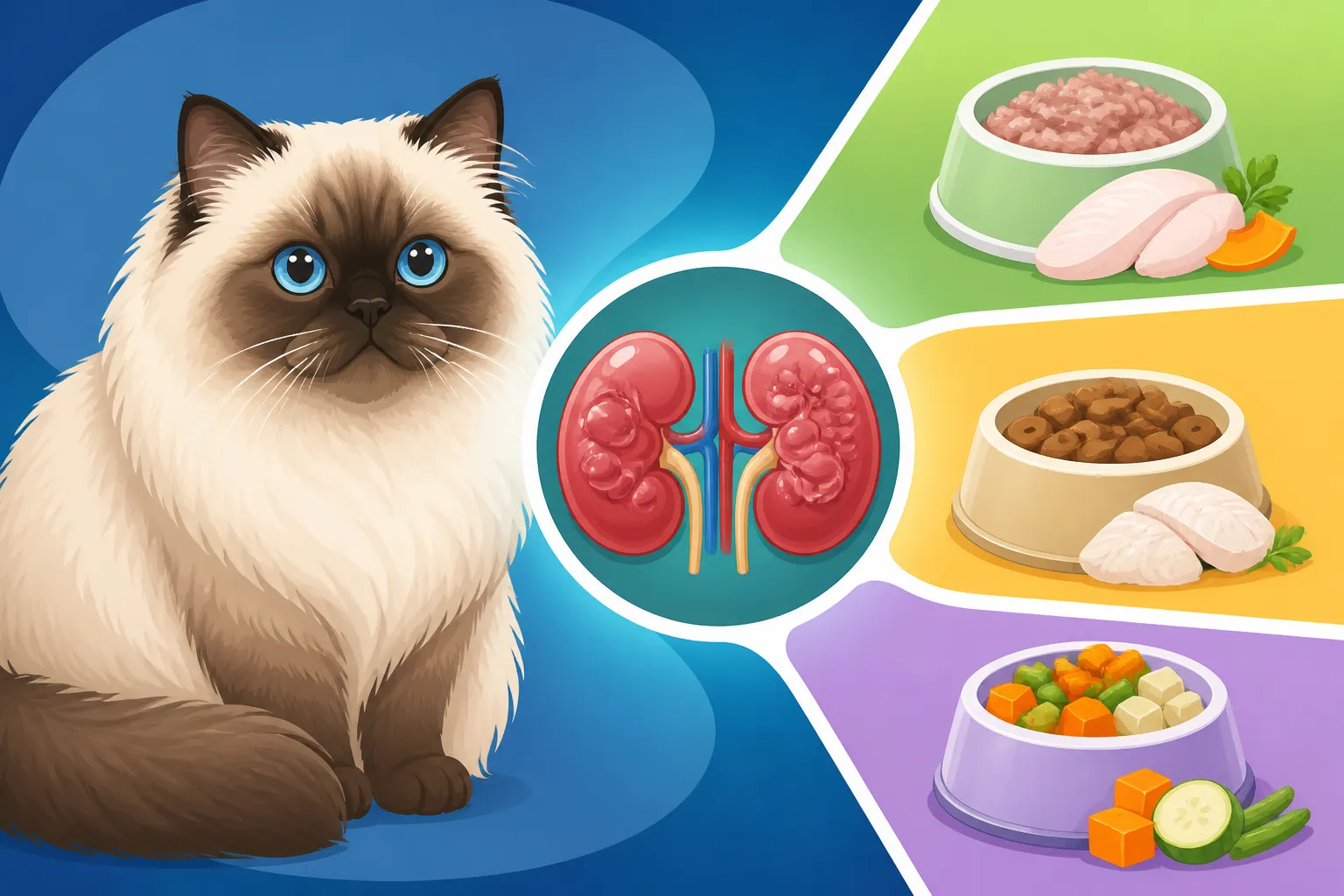
This is often one of the most misunderstood aspects. It's not about cutting out protein entirely; protein is essential for maintaining muscle mass and overall health. However, when protein is metabolized, it produces waste products like urea, which the kidneys then need to filter out. For damaged kidneys, this filtering process is strenuous. Therefore, a renal diet features reduced but highly digestible, high-quality protein. This means the protein sources are very efficient, providing necessary amino acids with minimal waste. Examples include chicken, turkey, or fish. The emphasis is on quality over quantity to lessen the burden on the kidneys.
Controlled Phosphorus Levels
Perhaps the single most critical component of a renal diet is controlled phosphorus. Healthy kidneys excrete excess phosphorus from the body. When kidney function declines, phosphorus builds up in the blood, which can lead to serious problems, including further kidney damage, bone demineralization, and calcification of soft tissues. High phosphorus levels also directly contribute to your cat feeling unwell. Renal diets are specifically formulated with significantly lower phosphorus levels than maintenance diets. This is why even if you're tempted to feed a homemade diet, phosphorus is incredibly difficult to manage without precise calculations and supplements.
Omega-3 Fatty Acids for Inflammation Support
Omega-3 fatty acids, like those found in fish oil, play a beneficial role in a renal diet. They possess anti-inflammatory properties, which can help to reduce inflammation within the kidneys. Kidney disease often involves a degree of inflammation, and by mitigating this, omega-3s can support kidney health and potentially slow disease progression. They also contribute to overall coat and skin health, which is an added bonus for your beautiful Himalayan.
Sodium Restriction for Blood Pressure Management
Kidney disease can often lead to hypertension (high blood pressure) in cats, which further stresses the kidneys and can impact other organs. Renal diets are typically formulated with restricted sodium levels to help manage blood pressure. While sodium restriction is important, it's generally not as strict as in human diets, as extreme restriction can sometimes make food even less palatable for cats.
Increased Moisture Content for Hydration
Dehydration can worsen kidney disease, and cats, by nature, often don't drink enough water. Many commercial renal diets, particularly wet foods, have a higher moisture content. This helps ensure your Himalayan stays adequately hydrated, supports kidney function, and helps flush out toxins. This is particularly crucial to understand, as Why Water Matters More in a Himalayan Carrying Cysts is a significant aspect of their care. Offering fresh water in multiple locations and considering a pet fountain can also encourage greater water intake.
Potassium Management (Depending on Stage)
Potassium levels can fluctuate in cats with kidney disease. Some cats might develop hyperkalemia (high potassium) in later stages, while others might become hypokalemic (low potassium) earlier on due to excessive loss through urine. Most renal diets aim to maintain healthy potassium levels, but your vet might recommend specific supplements if your Himalayan's blood tests show an imbalance. Regular monitoring of electrolytes is part of the ongoing care.
Navigating the Options: Commercial vs. Homemade Renal Diets
Once you understand what a renal diet is designed to do, the next step is figuring out how to implement it. For most owners, this means choosing between readily available commercial renal foods or embarking on the journey of a homemade diet.
Commercial Renal Diets: The Most Common Approach
Commercial renal diets are specifically formulated by veterinary nutritionists to meet the precise dietary needs of cats with kidney disease. Brands like Hill's Prescription Diet, Royal Canin Veterinary Diet, Purina Pro Plan Veterinary Diets, and Blue Buffalo Veterinary Diet all offer various renal formulations. They come in both wet and dry options, though wet food is often preferred due to its higher moisture content.
The main advantages of commercial diets are their convenience and scientifically proven formulations. You can be confident that the nutrient balance, especially phosphorus and protein, is carefully controlled. However, the biggest hurdle is palatability. It might take trying a few different brands or flavors to find one your Himalayan will accept. These diets are typically only available through your veterinarian, which ensures proper guidance and diagnosis before use.
Homemade Renal Diets: A Path Less Traveled
Some owners, especially those with extremely picky cats or a desire for more control over ingredients, consider a homemade renal diet. While this sounds appealing, it's absolutely critical that a homemade renal diet is formulated and regularly reviewed by a board-certified veterinary nutritionist. Randomly mixing ingredients at home will almost certainly lead to nutritional deficiencies or imbalances that could harm your cat's health, particularly regarding phosphorus, calcium, and essential amino acids.
The pros include tailoring the diet exactly to your cat's preferences and potentially avoiding additives they might be sensitive to. The cons are significant: it's time-consuming, expensive to ensure proper nutrient balance (often requiring specialized supplements), and carries a high risk of nutritional inadequacy if not done correctly. Moreover, the long-term monitoring required for a cat with PKD can involve significant veterinary costs, making proper formulation even more essential. A pet insurance provider like Healthy Paws can help manage these unexpected and ongoing expenses.
Here's a quick comparison of the two approaches:
| Feature | Commercial Renal Diet | Homemade Renal Diet |
|---|---|---|
| Nutrient Balance | Precisely formulated by experts; consistent. | Requires strict formulation by a vet nutritionist; variable. |
| Convenience | High; ready-to-serve. | Low; requires significant time for preparation. |
| Cost | Generally higher than maintenance food, but predictable. | Can be higher due to specialized ingredients/supplements. |
| Palatability | Can be a challenge; requires trying different options. | Can be customized to cat's preferences. |
| Availability | Vet-prescription only. | Ingredients widely available, but recipe needs expert. |
| Risk of Imbalance | Very low when fed as directed. | High if not meticulously balanced by a professional. |
The Challenge of Palatability: Getting Your Himalayan to Eat
This is often where the real struggle begins. You've brought home the vet-recommended food, and your precious Himalayan gives it the disdainful sniff that only a cat can master. Don't despair! This is a common hurdle, and there are strategies to help.
Gradual Transitions Are Key
Never switch your cat's food cold turkey. This can lead to digestive upset and make them even more averse to the new food. Start by mixing a very small amount of the new renal food (say, 10%) with their old food, gradually increasing the proportion over 7-10 days, or even longer if your cat is particularly resistant. If they refuse to eat at any point, go back a step or two in the transition. Patience is truly a virtue here.
Tips and Tricks for Picky Eaters
- Warm it Up: Gently warm wet food to body temperature (a few seconds in the microwave, stirred well, or a warm water bath). This enhances the aroma, which can be very appealing to cats.
- Add Water or Broth: If using dry kibble, you can try adding a little warm water or low-sodium chicken/beef broth to make it more enticing. Be mindful of sodium content if using commercial broths.
- Toppers and Flavor Enhancers: A tiny sprinkle of nutritional yeast, a pinch of low-sodium tuna water, or a specialized appetite stimulant prescribed by your vet can sometimes do the trick. Just ensure any additions are vet-approved and don't negate the renal diet's purpose.
- Offer in Different Bowls/Locations: Some cats are particular about their feeding environment. Try different bowl materials (ceramic, glass, stainless steel are often preferred) or place the food in a quiet, undisturbed area.
- Small, Frequent Meals: Instead of two large meals, offer several smaller meals throughout the day. This keeps their interest piqued and prevents them from getting overwhelmed.
- Positive Reinforcement: Make mealtime a positive experience. Pet them, praise them, and remove uneaten food after 15-20 minutes to prevent it from going stale and to establish a routine.
Remember, the most important thing is that your Himalayan eats something. While ideal adherence to the renal diet is the goal, if your cat is starving themselves, it's counterproductive. Always communicate with your vet about refusal to eat; they can offer additional strategies or medications.
The Impact of Stress and Feeding Environment
Cats are highly sensitive creatures, and stress can significantly impact their appetite. A noisy environment, competition with other pets, or even changes in routine can make them reluctant to eat. Create a calm, consistent feeding routine. If you have multiple cats, feed them separately. Ensure their eating area is clean and that their bowls are wide and shallow, which is often easier for flat-faced breeds like Himalayans to eat from without irritating their whiskers. A comfortable, predictable environment can make all the difference.
Monitoring and Adjusting the Renal Diet
Starting a renal diet isn't a "set it and forget it" situation. It's an ongoing process that requires diligent monitoring and adjustments based on your Himalayan's health status.
Regular Veterinary Check-ups and Blood Work
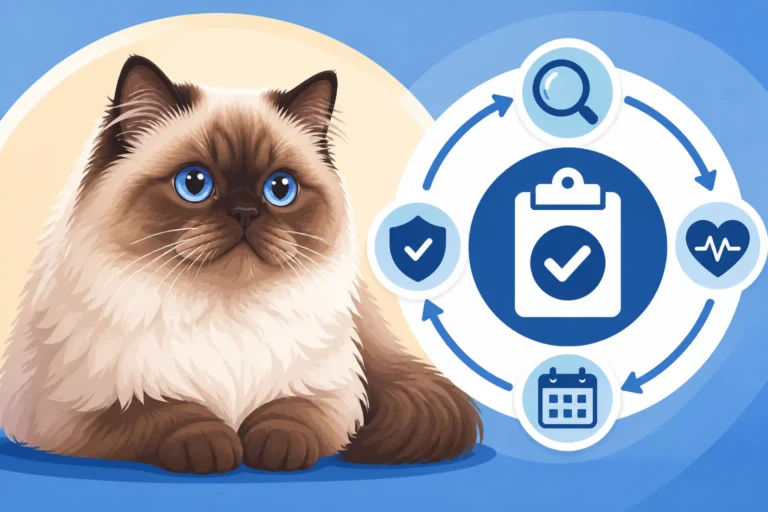
Your veterinarian will schedule regular follow-up appointments, often every 3-6 months, to monitor your Himalayan's kidney function. This will involve physical exams, urine tests, and crucial blood work. Key blood values like Blood Urea Nitrogen (BUN), creatinine, and phosphorus will indicate how well the kidneys are coping and if the diet is having the desired effect. Your vet will specifically be tracking these numbers to understand Which Blood Values a Himalayan's Kidney History Demands. These check-ups are also an opportunity to discuss any changes in appetite, energy levels, or other symptoms you've observed. Early detection of issues can lead to timely adjustments.
Tracking Weight, Appetite, and Overall Well-being
Beyond the lab tests, your observations at home are invaluable. Keep a close eye on your Himalayan's weight. Unexpected weight loss can indicate the disease is progressing or that they're not getting enough calories. Monitor their appetite and water intake. Is their thirst increasing, as Why Extra Thirst in a Himalayan Points at Its Persian Half suggests? Are they urinating more or less frequently? Any changes in their energy levels, grooming habits, or general demeanor should be reported to your vet. Himalayans can be quite stoic, sometimes Why a Himalayan Hides Illness Behind an Expressionless Face, making your keen observation skills even more important.
Adjusting the Diet as the Disease Progresses
Kidney disease is progressive, meaning it tends to worsen over time. What works for a cat in early-stage kidney disease might not be sufficient as the disease advances. Your vet might recommend transitioning to a different renal diet formulation, adding specific phosphorus binders (medications that reduce phosphorus absorption from food), or other supportive therapies as needed. For example, if your Himalayan is experiencing episodes of dehydration, your vet might suggest subcutaneous fluids at home.
The journey of managing PKD in a Himalayan is a marathon, not a sprint. It requires commitment, a strong partnership with your veterinarian, and a deep understanding of your cat's individual needs. While it can be emotionally and financially demanding, remember that every effort you make towards their specialized diet contributes significantly to their comfort and longevity. Many pet owners find solace in knowing that their furry family member is covered, especially when facing ongoing health concerns; understanding What a Himalayan Costs From Kitten to Fifteen can help you prepare for these expenses, and a good insurance plan from a company like Healthy Paws can truly alleviate some of the financial burden associated with chronic conditions and specialized care.
Disclaimer
This guide offers general information and is not a substitute for professional veterinary advice. Always consult with your veterinarian for a diagnosis and treatment plan tailored to your Himalayan cat's specific health needs.