Telling Ordinary Himalayan Tear Staining From an Infection
It's incredibly frustrating, isn't it, to see those tell-tale streaks under your beautiful Himalayan's eyes and wonder if you're dealing with just another daily clean-up or something much more serious? We all know the distinctive flat faces of our beloved Himalayans come with their own set of unique challenges, and tear staining is certainly high on that list. This guide aims to clear up the confusion, helping you confidently distinguish between the normal, albeit sometimes messy, tear staining that's a part of life with a Himalayan, and the subtle, or sometimes glaring, signs that indicate a genuine eye infection requiring immediate veterinary attention.
Understanding the Everyday Reality of Himalayan Tear Staining
Many first-time Himalayan owners are surprised by the constant dampness and discoloration around their cat's eyes. It's a hallmark of the breed, a direct result of their unique facial structure, and it often leads to a lot of worry. But rest assured, not every rusty streak means an emergency.
Why Himalayans Are Prone to Tear Stains
The very features that make Himalayans so endearing – their lovely round heads and distinctive flat faces – are also the primary culprits behind their propensity for tear stains. Unlike cats with longer muzzles, Himalayans often have shortened or kinked tear ducts, which struggle to drain tears effectively down into the nasal cavity where they belong. Instead, these tears often overflow onto the face. It’s like a perpetually overflowing gutter, always sending water where it shouldn't go. You might find yourself constantly wiping, trying to keep up with the flow, which is a constant challenge for anyone owning one of these gorgeous felines. We've talked before about Why a Himalayan's Eyes Water All Day, and it truly comes down to this anatomical predisposition.
Beyond the drainage issue, the skin folds around a Himalayan's nose and eyes can trap moisture, creating a warm, damp environment that's perfect for the growth of certain types of yeast and bacteria. These aren't necessarily harmful in small amounts, but when they proliferate, they can cause the characteristic reddish-brown discoloration we associate with tear stains. This happens because the yeast, often Malassezia, contains porphyrins, which are iron-containing waste products that turn reddish-brown upon exposure to light and air. So, while the tears themselves are clear, it's the interaction with these microorganisms that gives the stains their infamous color. If you've ever wondered What Turns a Himalayan's Tear Stains Rust Colored, now you know the science behind it!
What Healthy Tear Stains Look Like
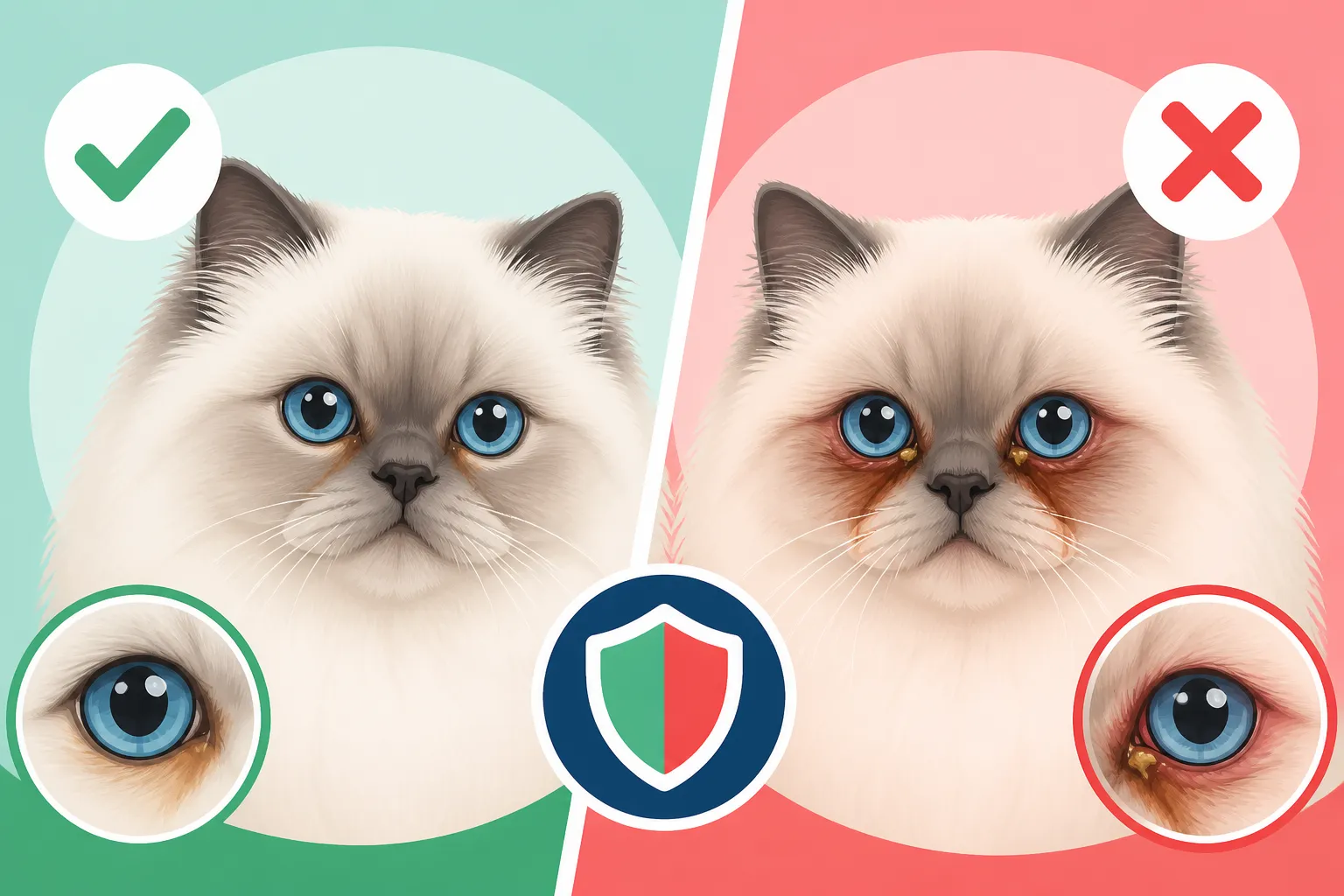
When your Himalayan’s tear staining is "normal," it generally presents as a consistent reddish-brown or rust-colored streak that originates from the inner corner of their eye and tracks down their face, often into the fur around their nose or chin. The fur might feel perpetually damp or, if left for a few hours, could develop a slightly crusty texture. The eyes themselves should appear clear, bright, and free from any redness, cloudiness, or swelling. Your cat should show no signs of discomfort – no pawing at their face, no excessive blinking or squinting, and certainly no reluctance to open their eyes fully.
The area beneath the eye might be discolored, but the skin itself should look healthy, without any signs of irritation, raw spots, or pustules. Sometimes, especially with very pale Himalayans, these stains can look quite prominent. This is particularly true for cats with lighter coats, and it's something you simply learn to manage. Remember, we’re looking for a baseline here: if this is what your cat's eyes usually look like, and there are no other symptoms, it’s probably just standard Himalayan tear staining. It’s a cosmetic issue more than a health one in these cases, though regular cleaning is still crucial to prevent secondary problems.
Recognizing the Red Flags of an Eye Infection
While some tear staining is normal, it's vital to be vigilant for signs that something more sinister might be brewing. An eye infection can quickly escalate, causing significant discomfort and potentially leading to more serious health issues if not addressed promptly.
Visual Cues of Trouble
The most obvious visual clue that you might be dealing with an eye infection rather than just benign tear staining is a change in the color and consistency of the discharge. Instead of the usual clear or reddish-brown watery discharge, an infection often produces thick, opaque, or stringy discharge that can be yellow, green, or even white. This pus-like substance is a clear indicator that something inflammatory is happening. It might accumulate in the corner of the eye, crust over, or even glue the eyelids together, especially after your cat has been sleeping.
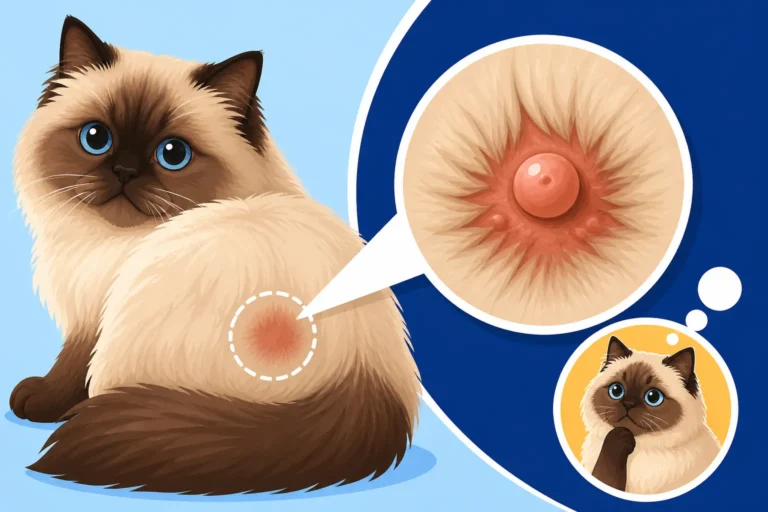
Beyond the discharge itself, pay close attention to the eye structure. Is there any noticeable redness in the white part of the eye (the sclera) or along the inner lining of the eyelids? Swelling around the eye or eyelid is another major red flag. The third eyelid, which is usually only visible briefly when a cat blinks or is sleepy, might become permanently protruded and red, partially covering the eye. If you see any signs of cloudiness over the cornea (the clear front surface of the eye), or if the eye looks dull or sunken, these are urgent signals. Such symptoms can sometimes indicate a more serious underlying issue like a corneal ulcer, which we've discussed, and it's critical to know What a Corneal Ulcer Looks Like on a Blue Eyed Himalayan so you can act quickly.
Behavioral Signs and Discomfort
Your Himalayan's behavior can tell you a lot about their comfort level. If your usually placid cat suddenly starts pawing at their face, rubbing their eye on furniture, or blinking excessively, it's a strong sign of irritation or pain. Squinting, even subtly, is a huge indicator that something is bothering them. Cats are masters at hiding discomfort, so any overt sign of pain should be taken seriously. They might also shy away from light, preferring darker rooms or keeping their eyes partially closed in bright environments.
Beyond the direct eye-related behaviors, watch for more general changes in their demeanor. A cat with an eye infection might become lethargic, less interested in play, or even grumpy. Their appetite might decrease, and they might groom less, particularly around their face. If they recoil or vocalize when you try to gently examine their eye area, that's a clear sign of pain. Remember, any sudden change in your cat’s typical behavior, especially when combined with unusual eye discharge or redness, warrants immediate attention. Ignoring these signs can lead to worsening infection, chronic pain, and potentially permanent damage to their vision.
Actionable Steps for Management and When to See the Vet
Taking good care of your Himalayan's eyes is an ongoing commitment. Knowing when to simply keep up with your routine and when to dash to the vet is crucial for their long-term health and comfort.
Daily Care for Healthy Eyes
A consistent daily eye care routine is the cornerstone of preventing severe tear staining and minimizing the risk of infection in Himalayans. You need to be prepared for this commitment from day one. Start by gently wiping the tear-stained areas with a soft, damp cloth or a specially formulated eye wipe designed for cats. We've gone over The Morning Face Routine Every Himalayan Needs in detail, and it’s truly non-negotiable for these breeds. The key is to keep the area as dry and clean as possible, removing the moisture that yeast and bacteria thrive on. Be incredibly gentle around their delicate eyes and avoid harsh scrubbing, which can irritate the skin.
There are many products on the market, from simple saline solutions to enzymatic wipes. Always choose products specifically labeled as safe for use around a cat's eyes. Avoid any products containing harsh chemicals, peroxides, or dyes, as these can cause irritation or even harm. For example, knowing Which Wipes Are Safe Around a Himalayan's Blue Eyes is really important to prevent further issues. After wiping, you can gently pat the area dry with a clean, soft cloth. Some owners find that applying a very thin layer of petroleum jelly or a specialized tear stain powder can create a barrier against moisture, helping to keep the area drier for longer. Consistency is key here; a quick wipe once or twice a day can make a world of difference in managing those stubborn stains and preventing deeper issues like fold dermatitis.
When to Seek Professional Help
Knowing when to stop your home care routine and head straight to the vet can be daunting, but it’s critical. If you observe any of the red flags we discussed – yellow or green discharge, significant redness, swelling, squinting, pain, or any visible changes to the eyeball itself like cloudiness or a protruding third eyelid – do not delay. These symptoms are not just cosmetic; they often indicate an active infection, inflammation, or even trauma that requires veterinary intervention. Early diagnosis and treatment are paramount to prevent the condition from worsening or causing long-term damage, especially to those beautiful, exposed blue eyes.
Sometimes, what looks like a simple infection could be a symptom of a more complex problem, such as entropion (where the eyelid rolls inward, causing eyelashes to rub against the cornea), a foreign body lodged in the eye, or even an ulcer. These conditions are painful and can lead to blindness if left untreated. If your cat has experienced any trauma to the eye area, even if it seems minor, a vet visit is essential. For situations like these, it’s a huge relief to have pet insurance like Healthy Paws. Knowing that you can address urgent medical needs without crippling financial stress truly offers peace of mind. Remember, Why a Himalayan's Eye Injury Cannot Wait Until Monday is a very real concern—many eye issues require immediate attention to save the eye.
Understanding Vet Diagnostics and Treatment
When you take your Himalayan to the vet for an eye concern, they’ll perform a thorough examination. This usually involves checking their eyelids, looking for foreign objects, assessing the tear ducts, and using an ophthalmoscope to look into the eye. They might apply a special fluorescent stain to the eye to detect corneal ulcers or scratches. This stain will adhere to any damaged areas on the cornea, showing up as a bright green under a black light. They might also take a sample of the discharge for cytology (looking at cells under a microscope) or bacterial culture to identify the specific type of infection.
Treatment will depend on the diagnosis. For bacterial infections, antibiotic eye drops or ointments are commonly prescribed. Viral infections, on the other hand, may require antiviral medications. If there’s inflammation, anti-inflammatory drops might be used. In cases of blocked tear ducts, a vet might attempt to flush them, and for structural issues like entropion, surgical correction might be recommended. We know What Entropion Does to a Himalayan's Blue Eye – it's a painful condition that mechanical correction can often alleviate. Your vet will guide you through the best course of action, often providing clear, step-by-step instructions for administering medication at home. Adhering strictly to their treatment plan is vital for a successful recovery and to prevent recurrence.
Preventing Future Eye Issues and Maintaining Comfort
Proactive care goes a long way in ensuring your Himalayan's comfort and eye health. It's about more than just cleaning; it's about creating an environment that supports their unique needs.
Environmental and Dietary Considerations
The environment your Himalayan lives in can significantly impact their tear staining and eye health. Dusty homes, strong air fresheners, or smoking can all act as irritants, increasing tear production and leading to more pronounced staining. Try to keep your home as dust-free as possible, use air purifiers, and avoid strong chemical cleaners around your cat's living areas. Some cats are also sensitive to certain allergens, which can manifest as watery eyes. Identifying and reducing exposure to these allergens, whether they are pollen, certain cleaning products, or even ingredients in their food, can make a big difference.
Diet can also play a role, though it's often secondary to genetics and anatomy. Some owners find that certain ingredients in their cat's food can exacerbate tear staining, although scientific evidence for this is limited. However, ensuring your cat has a high-quality, balanced diet rich in essential fatty acids (like Omega-3s) can contribute to overall skin and coat health, which in turn might help. Using shallow, wide bowls made of ceramic or stainless steel can also help prevent food and water from clinging to their ruff and face, reducing moisture and potential for bacterial growth around the eyes and mouth. Even seemingly small details like these contribute to their comfort and cleanliness.
Regular Check-ups and Proactive Health
Beyond daily wiping, regular veterinary check-ups are essential for monitoring your Himalayan's eye health. Your vet can catch subtle changes or underlying conditions before they become serious problems. During these visits, the vet can thoroughly examine the eyes, check for any abnormalities, and ensure that the tear ducts are functioning correctly. They can also offer professional advice on the best cleaning products and techniques for your individual cat. We can’t stress enough How Often a Himalayan's Eyes Should Be Examined – it's not a once-and-done deal.
Establishing a good relationship with your vet and being proactive about health screenings can save your Himalayan from unnecessary discomfort and you from unexpected vet bills. This is another area where a comprehensive pet insurance plan, such as one from Healthy Paws, can be invaluable. It encourages routine check-ups and ensures that if an issue does arise, you're not caught off guard by the financial implications. Investing in your cat’s preventative care and having a safety net for potential issues is truly the best way to ensure they live a long, happy, and comfortable life, looking as magnificent as they feel.
| Symptom | Ordinary Tear Staining | Eye Infection |
|---|---|---|
| Discharge Color | Clear, reddish-brown, or rust-colored | Yellow, green, white, or cloudy; often opaque and pus-like |
| Discharge Consistency | Watery, damp, or crusty when dry | Thick, sticky, stringy, gooey |
| Odor | Mild, slightly yeasty if continually damp | Foul, strong, unpleasant |
| Eye Itself (White Part) | Clear, no noticeable redness | Redness of the sclera (white part) or inner eyelids |
| Eyelids | Normal appearance, no swelling | Swollen, red, possibly glued shut, third eyelid visible or raised |
| Cornea (Clear Surface) | Clear, bright, no cloudiness | Cloudy, dull, or visible ulceration (often bright green with stain test) |
| Surrounding Skin | Discolored fur, may be slightly damp or irritated | Red, inflamed, raw spots, hair loss, possible pustules in folds |
| Cat's Behavior | Generally comfortable, no changes in activity or appetite | Squinting, pawing/rubbing at eye, excessive blinking, light sensitivity, lethargy, decreased appetite, pain on touch |
Disclaimer
The information provided in this article is for educational and informational purposes only, and does not constitute veterinary advice. Always consult with a qualified veterinarian for any health concerns or before making any decisions related to your pet's health and treatment.