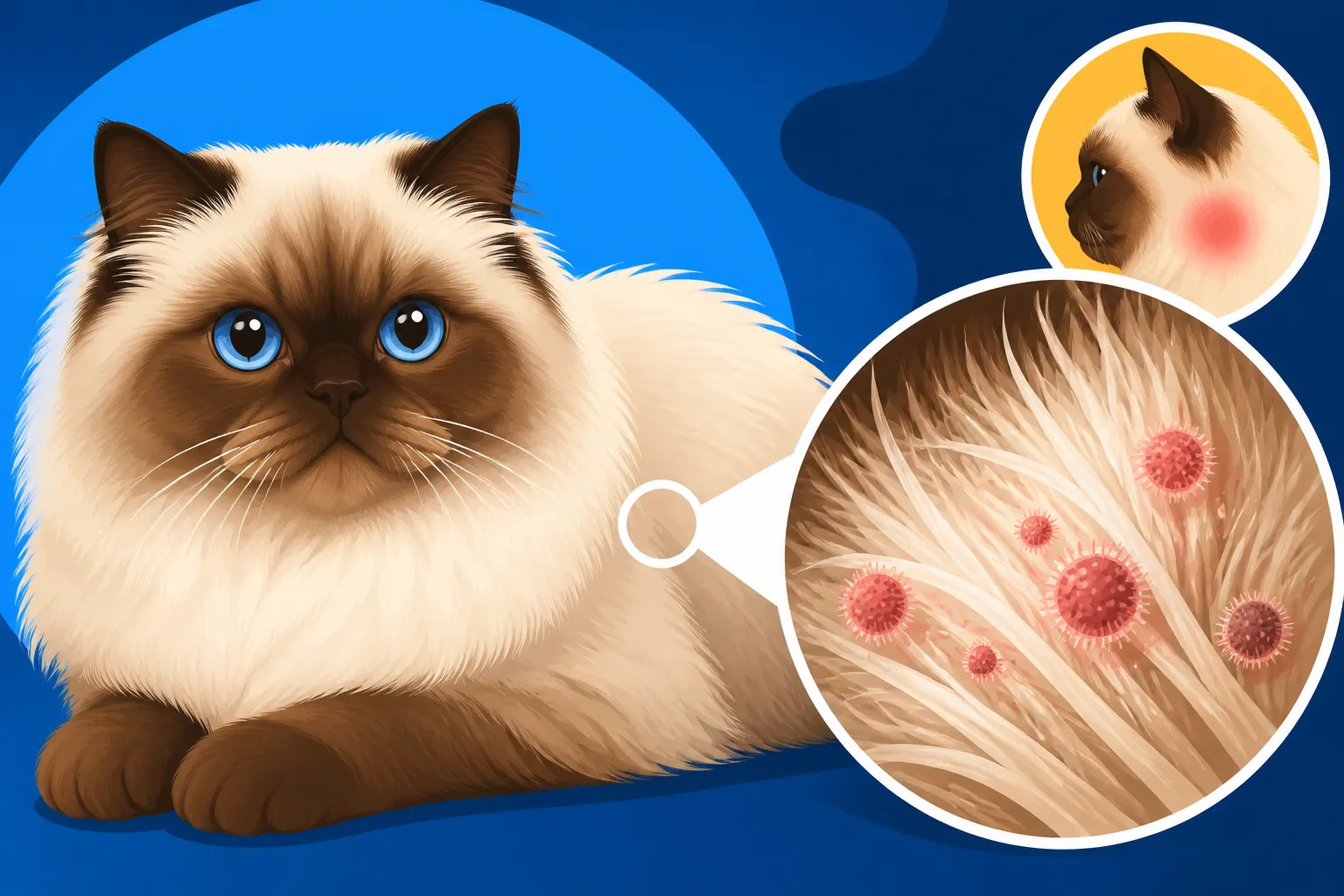
Whether Ringworm Hides in a Himalayan’s Undercoat
It's incredibly worrying when you notice something off with your beautiful Himalayan's coat or skin, especially given how dense and luxurious it is. Their thick fur can be both a blessing and a curse, often hiding issues that might be glaringly obvious on a short-haired cat. One common concern that often pops up for Himalayan owners is whether that persistent itch or strange patch could be ringworm, and just how effectively that magnificent undercoat might be concealing it. This guide will walk you through everything you need to know about ringworm in Himalayans, why their unique coat presents a challenge, and how to tackle it head-on.
Understanding Ringworm: Not a Worm, But a Fungus
Let's clear up a common misconception right from the start: ringworm isn't actually caused by a worm at all! The name is a bit misleading. We're actually talking about a fungal infection, specifically a group of fungi called dermatophytes. These tiny organisms thrive on keratin, the protein found in your cat's skin, hair, and claws. It’s highly contagious and can spread not only between animals but also from animals to humans, which is why identifying and treating it quickly is so important for the whole household.
The Science Behind the Spores
These dermatophytes live as spores, which are incredibly hardy and can survive in the environment for a very long time – sometimes over a year – on shed hairs, bedding, carpets, and even dust. When your Himalayan comes into contact with these spores, they can settle on the skin and hair follicles, especially if there's any small scratch or irritation that gives them a foothold. The fungi then start to multiply, feeding on the keratin, and that's when you begin to see the tell-tale signs. The most common culprit in cats is Microsporum canis, which is responsible for about 98% of cases.
How Ringworm Spreads So Easily
The ease with which ringworm spreads is often what makes it so frustrating for cat owners. Your Himalayan doesn't even need direct contact with an infected animal. Simply sharing a grooming brush, sleeping on the same blanket, or even just walking through an area where an infected pet has shed spores can be enough. Imagine how many shed hairs a Himalayan leaves around, and you can understand the potential for environmental contamination. Kittens, senior cats, and those with compromised immune systems are particularly susceptible, but any cat can pick it up. This fungal infection is quite literally everywhere, making proactive hygiene and awareness critical, especially in a multi-pet household or after your cat has been to places like a boarding facility or a cat show.
The Himalayan Undercoat: A Perfect Hiding Spot for Trouble
Now, let's get to the crux of the matter for Himalayan owners. That glorious, long, dense coat that makes our Himalayans so beautiful is also an incredible camouflage for skin issues, including ringworm. The sheer volume of hair, particularly the thick undercoat, creates a dark, warm, and often damp environment that dermatophytes absolutely love.
The Challenge of Visual Inspection
For short-haired cats, a classic ringworm lesion often appears as a circular patch of hair loss with red, scaly, and sometimes crusty skin in the center. It's usually quite visible. But with a Himalayan, good luck spotting that! Their guard hairs can be several inches long, and beneath those lies an even denser, softer undercoat. A small lesion could be completely obscured by the surrounding fur. You might only notice it when it's already quite advanced, or when the hair loss becomes more significant. You're essentially looking for a needle in a haystack, and that haystack is your cat's entire fluffy body. This is a common frustration for owners who diligently care for their pets, yet still miss these hidden issues for days, or even weeks. It's why many owners understand that Why a Himalayan's Coat Hides a Wound for Days is a very real problem.
Difficulty with Topical Treatments and Grooming
Even once ringworm is suspected or diagnosed, the coat presents further challenges. Topical treatments like antifungal creams, shampoos, or dips need to make direct contact with the skin to be effective. Trying to thoroughly work a product through several inches of dense Himalayan fur, down to the skin, can be a monumental task. The undercoat acts as a barrier, soaking up the product before it reaches the target area, or simply making it incredibly difficult to apply evenly.
Furthermore, daily grooming, while essential for preventing mats, can also inadvertently spread spores if not done carefully. If you use the same brush on an infected area and then an uninfected area, or on another cat, you could be spreading the fungus around. This is why tools need to be thoroughly cleaned and disinfected. If a Himalayan's coat becomes matted, which can easily happen if not combed daily, it creates even more secluded, humid microclimates where fungi can thrive, turning a simple mat into Why a Matted Himalayan Becomes a Medical Case.
Subtle Signs of Ringworm in Your Long-Haired Cat
Because a Himalayan's coat can mask the obvious, classic ringworm lesions, owners need to be extra vigilant and look for more subtle indicators. Don't expect the perfect bald, red circle you see in textbooks. Instead, think "detective work."
Beyond the Classic Circular Lesion
The signs of ringworm in a Himalayan can be tricky and often mimic other skin conditions. Instead of clear bald patches, you might notice areas where the fur looks a bit thinner, coarser, or simply "off." It might be a small tuft of hair that seems dull or brittle, breaking off easily when you gently pull on it. You might also spot some scaly patches or crusts on the skin that are partially hidden by the surrounding hair.
Here’s a comparative table to highlight the differences in presentation:
| Feature | Short-Haired Cat (Typical) | Himalayan Cat (Atypical/Subtle) |
|---|---|---|
| Hair Loss | Distinct circular bald patches | Patchy, diffuse thinning; broken hairs; dull tufts |
| Skin Appearance | Red, scaly, crusty, often inflamed | Subtle scaling, small crusts, mild redness, easily missed |
| Location | Face, ears, paws, tail | Anywhere, but often harder to spot on body due to density |
| Itching | Variable, can be itchy | Variable, but often leads to excessive grooming/licking |
| Visibility | Often obvious and easy to spot | Hidden beneath dense fur; requires close examination |
| Secondary Issues | Less common initially | Prone to secondary bacterial infections due to trapped moisture and irritation |
The Importance of Feeling and Smelling
Because visual cues are so limited, you'll need to rely on your other senses. When you're doing your regular grooming session, pay close attention to how your Himalayan's skin feels underneath all that fur. Run your fingers against the grain of the hair, feeling for any bumps, scabs, excessive flakiness, or areas that feel strangely damp or oily. Check behind the ears, around the face, and especially in the armpits and groin where moisture can accumulate. If you feel any scabs, don't pick them off, as this can irritate the skin further and potentially spread the spores.
Another subtle but important sign is smell. Sometimes, a skin infection, whether fungal or bacterial, can produce a distinct, slightly musty or yeasty odor. While not always present with ringworm, it's a good indicator that something isn't quite right beneath that lovely coat. If you notice a persistent smell that isn't typical for your cat, it's worth a closer look by a vet. An often overlooked piece of advice for The Daily Comb a Himalayan Cannot Skip is that it's also your daily skin check!
Pay particular attention to your Himalayan's grooming habits too. If they start licking or scratching one particular spot more often than usual, it could be an indicator of irritation, even if you can't see anything. This self-trauma can actually worsen the infection and introduce secondary bacterial issues, creating a complex problem where Why Skin Infections Recur Under a Himalayan's Coat becomes a real concern.
Diagnosis and Treatment: Getting to the Root of the Problem
Suspecting ringworm is just the first step; confirming it and treating it effectively requires a veterinary visit. Given the challenges presented by your Himalayan's coat, your vet will have specific diagnostic and treatment strategies in mind.
The Vet Visit and Diagnostic Tests
When you take your Himalayan to the vet with suspected ringworm, they'll likely start with a thorough physical examination, feeling along the skin and parting the fur in suspicious areas. They might use a Wood's lamp (UV light), which can make some strains of ringworm glow a fluorescent apple-green. However, this isn't foolproof, as not all strains fluoresce, and other things can glow, too.
The most definitive diagnostic tool is often a fungal culture. Your vet will pluck a few hairs from the affected areas and place them on a special culture medium (Dermatophyte Test Medium or DTM). This culture needs to be incubated for several days, sometimes up to two to three weeks, as the fungus grows slowly. A positive culture confirms the presence of ringworm. In some cases, a biopsy might be needed, especially if the presentation is unusual or not responding to initial treatment. Don't be surprised if your vet wants to shave a small patch to get a better sample or to facilitate examination; it's often necessary for accuracy. These diagnostic steps are crucial, and it's good to know that comprehensive pet insurance providers like Healthy Paws can help cover the costs of these tests, easing the financial burden during an already stressful time.
Treatment Strategies for Long-Haired Breeds
Treating ringworm in a Himalayan typically involves a multi-pronged approach because of that extensive coat.
-
Topical Treatments:
- Antifungal Shampoos and Dips: These are crucial for reducing the fungal load on the coat and skin. Your vet might prescribe a medicated shampoo containing ingredients like miconazole or ketoconazole. These usually need to be lathered in and left on for a specific contact time before rinsing. Dips, like lime sulfur, are also very effective but can be messy and have a strong odor. The challenge, as mentioned, is getting these treatments to penetrate that thick undercoat. Diligent application, making sure the product reaches the skin, is paramount. You might even consider using gloves and protecting yourself during application, as ringworm is zoonotic.
- Creams/Ointments: For very localized lesions, topical creams might be used, but again, they need to be applied directly to the shaved skin to be truly effective.
-
Oral Antifungal Medications: For Himalayans, systemic (oral) antifungal medications are often necessary, especially if the infection is widespread, stubborn, or recurring. Medications like itraconazole or terbinafine work from the inside out, helping to clear the infection from the hair follicles and skin. These drugs often need to be given for several weeks, sometimes even months, until repeat fungal cultures come back negative. Your vet will monitor your cat for any potential side effects of these medications.
-
Environmental Decontamination: This is perhaps the most critical and often overlooked aspect of treatment, especially for a cat like a Himalayan that sheds so much. If you don't clean your environment, your cat can easily become re-infected.
- Vacuuming: Thoroughly vacuum all carpets, rugs, and upholstered furniture daily. Dispose of the vacuum bag immediately.
- Washing: Wash all bedding, blankets, and toys in hot water with a fungicidal detergent.
- Disinfecting: Use a diluted bleach solution (1:10 bleach to water) or another effective fungicidal disinfectant on hard surfaces, litter boxes, and grooming tools. Make sure to let it sit for at least 10 minutes before wiping clean.
-
Clipping/Shaving: In severe or widespread cases, your vet might recommend carefully clipping or even shaving areas of your Himalayan's coat. While this can be a tough decision for any owner of a long-haired cat, it allows topical treatments to reach the skin much more effectively, removes a large number of infected hairs, and can significantly shorten the treatment time. This is also where a professional groomer who specializes in long-haired cats, perhaps someone you know on first-name terms, as many Himalayan owners do, can be invaluable for What a Groomer Charges for a Himalayan Lion Cut.
The treatment journey can be lengthy and requires immense dedication. It's not uncommon for treatment to last 6-8 weeks, sometimes longer, until two consecutive negative fungal cultures are achieved. This prolonged period means ongoing vet visits and medication costs, which is another reason why a good pet insurance plan like Healthy Paws can be a lifesaver, helping to manage the financial implications of such a persistent condition. Remember that consistency is key; skipping doses or treatments can prolong the infection and make it harder to eradicate.
Preventing Recurrence and Maintaining Coat Health
Once you've successfully treated a ringworm infection in your Himalayan, the last thing you want is for it to come back. Prevention and ongoing coat care are absolutely vital for these magnificent cats.
Proactive Grooming and Hygiene
A Himalayan's coat is a commitment, and preventing ringworm is just one more reason why consistent, proactive grooming is non-negotiable. Regular, thorough combing, ideally daily, not only prevents mats but also allows you to perform a visual and tactile inspection of your cat's skin. This routine is critical for How Often a Himalayan Must Be Combed. Pay extra attention to areas prone to dampness or matting, like the armpits, groin, and britches. If you find any small lesions or changes, you can address them immediately before they become widespread.
Maintaining a clean living environment is also crucial, even after the infection is gone. Regularly vacuuming, washing bedding, and disinfecting surfaces helps reduce the overall fungal spore load in your home. If you have multiple pets, consider having them all checked by the vet, even if they show no symptoms, as they could be asymptomatic carriers.
Supporting a Healthy Immune System
A strong immune system helps your Himalayan fight off infections, including ringworm. Ensure your cat is on a high-quality, balanced diet appropriate for their age and activity level. Adequate nutrition supports skin and coat health and overall immune function. If your vet recommends supplements like omega-3 fatty acids, these can also contribute to a healthy skin barrier, making it less hospitable for fungal invaders.
Minimize stress in your cat's environment, as stress can sometimes suppress the immune system. Provide plenty of mental and physical enrichment, even if your Himalayan is a relaxed, sedentary cat. A happy, healthy cat is better equipped to resist infections. While ringworm isn't often covered by standard pet insurance like Healthy Paws if it's considered a pre-existing condition, ensuring overall wellness and addressing health issues promptly can prevent other more serious and costly problems down the line. It's all part of the commitment you make when What a Himalayan Costs a Year Once the Face Is Counted is fully understood.
Remember, living with a Himalayan means understanding their unique needs, and their coat is a big part of that. While it might be a bit more challenging to spot and treat issues like ringworm, with vigilance, proper care, and a good relationship with your veterinarian, you can keep your fluffy friend healthy and happy for many years to come.
Disclaimer
The information provided in this article is for general informational purposes only and is not intended as a substitute for professional veterinary advice, diagnosis, or treatment. Always seek the advice of your veterinarian or other qualified health provider with any questions you may have regarding a medical condition or the health and welfare of your pet.